Can Female Betta Live with Glow Fish
Female bettas can potentially live with glow fish, but success depends on several factors including tank size, individual temperament, and proper setup. While female bettas are generally less aggressive than males, they can still be territorial. Glow fish (genetically modified tetras) are peaceful schooling fish that need groups of six or more. With a spacious tank of at least 20 gallons, plenty of hiding spots, and careful monitoring, these two species can coexist — but it’s not guaranteed for every fish.
Key Takeaways
- Female bettas are less aggressive than males but still have territorial tendencies that can cause issues with tank mates.
- Glow fish are peaceful schooling fish that need groups of at least six to feel secure and display natural behavior.
- A minimum 20-gallon tank is recommended to provide enough space for both species to establish their own territories.
- Water parameters are compatible — both species thrive in similar temperature ranges (76–82°F) and pH levels (6.5–7.5).
- Individual temperament matters greatly — some female bettas are docile while others are highly aggressive, making each situation unique.
- Proper tank setup with plants and hiding spots is essential to reduce stress and aggression for both species.
- Always have a backup plan in case the pairing doesn’t work, such as a separate tank or divider ready.
📑 Table of Contents
- Can Female Betta Live with Glow Fish? A Complete Compatibility Guide
- Understanding Female Betta Temperament
- What Are Glow Fish?
- Water Parameters and Tank Requirements
- Setting Up the Tank for Success
- Potential Problems and Warning Signs
- Feeding Both Species in a Shared Tank
- Real-World Experiences: What Hobbyists Report
- Alternatives If It Doesn’t Work Out
- Final Verdict: Can Female Betta Live with Glow Fish?
Can Female Betta Live with Glow Fish? A Complete Compatibility Guide
If you’ve ever stared at your betta tank and thought it could use a little more sparkle, you’re not alone. Glow fish are some of the most eye-catching freshwater fish on the market. Their fluorescent colors practically light up any aquarium. But before you toss a school of glow fish into your female betta’s home, you need to know if this combo actually works.
The short answer is: yes, female bettas can sometimes live with glow fish, but it’s not as simple as dropping them in the same tank and hoping for the best. There are real risks involved, and understanding those risks is the difference between a thriving community tank and a disaster. In this guide, we’ll break down everything you need to know about keeping female bettas and glow fish together — from temperament and tank size to water conditions and warning signs.
Whether you’re a beginner setting up your first community tank or an experienced aquarist looking to add some glow to your setup, this article will give you the honest, practical advice you need. Let’s dive in.
Understanding Female Betta Temperament
How Female Bettas Differ from Males
Most people know betta fish as the “fighting fish” — aggressive, territorial, and best kept alone. That reputation mostly comes from male bettas, which are notoriously hostile toward other fish, especially other males. Female bettas, on the other hand, tend to be significantly more peaceful. They can often be kept in groups called sororities, and they’re generally more tolerant of tank mates.

Visual guide about Can Female Betta Live with Glow Fish
Image source: mir-s3-cdn-cf.behance.net
But here’s the thing — “more peaceful” doesn’t mean “completely peaceful.” Female bettas still have that feisty Siamese fighting fish DNA. Some females are absolute sweethearts who couldn’t care less about other fish. Others are just as aggressive as any male. You never really know what you’re getting until you see how a particular fish behaves in a shared environment.
What Triggers Aggression in Female Bettas
Several factors can turn a calm female betta into a tank bully. Small tank size is the number one trigger. When a betta feels like her space is being invaded, she’s much more likely to attack. Lack of hiding spots also ramps up stress, which leads to aggression. And certain fish — especially those with bright colors or long fins — can trigger a betta’s territorial instincts.
Glow fish, with their vivid fluorescent coloring, could potentially set off a betta’s aggression. Their bright red, green, or blue bodies might look like a rival to a territorial female. This is why proper tank setup and careful observation during the introduction period are absolutely critical.
What Are Glow Fish?
The Basics of Glow Fish
Glow fish are genetically modified versions of existing fish species, most commonly zebra danios, tetras, black skirt tetras, and tiger barbs. They’ve been infused with fluorescent protein genes from jellyfish or coral, which gives them that signature neon glow under regular and blacklight conditions. They first hit the aquarium market in the early 2000s and have been popular ever since.

Visual guide about Can Female Betta Live with Glow Fish
Image source: cdn.renderhub.com
The most common glow fish you’ll see in pet stores are glow tetras (modified white skirt tetras) and glow danios (modified zebra danios). For the purposes of this article, we’re primarily talking about glow tetras, since they’re the most commonly paired with bettas and share the most similar water requirements.
Glow Fish Behavior and Needs
Glow fish are peaceful, active schooling fish. They feel safest and behave most naturally when kept in groups of at least six. A single glow fish will be stressed, shy, and prone to illness. In a school, they’re confident, active, and display beautiful synchronized swimming patterns.
They’re also fast swimmers, which is actually an advantage when living with bettas. A quick fish can usually dodge a betta’s charge without too much trouble. However, if a betta is determined enough, speed alone won’t save a glow fish from a truly aggressive tank mate.
Water Parameters and Tank Requirements
Compatible Water Conditions
One of the good news aspects of pairing female bettas with glow fish is that their water parameter needs overlap nicely. Here’s a quick comparison:
- Temperature: Female bettas prefer 76–82°F. Glow fish (especially glow tetras) do best in 72–82°F. The sweet spot for both is around 77–80°F.
- pH Level: Bettas like 6.5–7.5. Glow tetras prefer 6.0–7.5. A pH of 6.8–7.2 works well for both.
- Water Hardness: Both species are adaptable, but moderately soft to moderately hard water is ideal.
This compatibility makes maintenance much easier. You won’t have to compromise on conditions to keep both species healthy, which is a major advantage over some other betta tank mate combinations.
Tank Size Matters More Than Anything
If there’s one piece of advice that matters above all else, it’s this: get a big enough tank. For a female betta living with a school of glow fish, you need a minimum of 20 gallons. A 20-gallon long tank is even better than a 20-gallon tall because it provides more horizontal swimming space.
Why so big? Bettas need their own territory. Glow fish need room to school and zoom around. When you cram both into a small tank, the betta feels crowded and the glow fish can’t escape if things go wrong. A larger tank gives everyone room to breathe and reduces the chances of conflict.
If you’re working with a 10-gallon tank, it’s best to keep your female betta solo. There simply isn’t enough room for a proper school of glow fish and a betta to coexist comfortably.
Setting Up the Tank for Success
Creating Hiding Spots and Territories
The key to any successful community tank is breaking up sight lines. When fish can’t constantly see each other, they’re less likely to engage in territorial disputes. You can achieve this with:
- Live or silk plants: Plants like java fern, anubias, and hornwort provide excellent cover. Avoid sharp plastic plants that can tear betta fins.
- Driftwood and rocks: These create natural barriers and caves where fish can retreat.
- Floating plants: Bettas love hanging out near the surface, and floating plants like frogbit or water lettuce give them a sense of security.
- Terracotta pots and aquarium decorations: Simple caves and tunnels give glow fish places to hide if the betta gets feisty.
The goal is to create a tank where every fish has a place to call its own. A well-decorated tank is a peaceful tank.
Introducing the Fish Properly
How you introduce glow fish to your betta’s tank can make or break the relationship. Here’s the best approach:
- Add the glow fish first. Let them settle into the tank for a day or two before introducing the betta. This way, the glow fish establish themselves as “residents” rather than “intruders.”
- Rearrange the decorations right before adding the betta. This disrupts any territories that may have formed and puts both species on equal footing.
- Monitor closely for the first 48 hours. Watch for signs of aggression like flaring, chasing, or nipping. Some initial posturing is normal, but sustained attacks are a red flag.
- Feed both species well. A hungry betta is an aggressive betta. Make sure everyone is getting enough food.
If you notice serious aggression within the first day or two, be prepared to separate them immediately. Having a tank divider or a spare tank on hand is always a smart move.
Potential Problems and Warning Signs
When the Betta Is Too Aggressive
Even with the best setup, some female bettas simply won’t tolerate tank mates. Watch for these warning signs:
- Constant chasing of the glow fish
- Flaring gills and spreading fins at the other fish
- Nipping at fins or bodies
- Glow fish hiding constantly and refusing to eat
- Visible damage to glow fish (torn fins, missing scales)
If you see any of these behaviors persisting beyond the first couple of days, it’s time to separate the fish. No amount of tank decoration will fix a betta that’s determined to attack. The stress alone can kill the glow fish even without physical injury.
When the Glow Fish Are the Problem
It’s not always the betta causing trouble. Glow fish, especially when kept in too-small groups, can become nippy and harassing. They may chase the betta, nip at her long fins, or outcompete her for food. This is another reason why keeping glow fish in a proper school of six or more is so important — a well-schooled group focuses on each other rather than bothering the betta.
If your glow fish are the aggressors, you may need to rehome them or increase their school size. Sometimes adding a few more glow fish redirects their energy away from the betta.
Feeding Both Species in a Shared Tank
Dietary Needs
Female bettas are primarily carnivorous and thrive on high-protein foods like betta pellets, frozen bloodworms, and brine shrimp. Glow fish are omnivores and do well on flake food, small pellets, and occasional live or frozen treats.
In a community tank, you’ll need to make sure both species are getting appropriate nutrition. Feed the betta targeted pellets that sink slowly, and give the glow fish flakes or micro pellets. Feeding at opposite ends of the tank can help ensure the betta doesn’t hog all the food.
Avoiding Food Competition
Bettas can be slow, deliberate eaters. Glow fish are fast and will often gobble up everything before the betta even notices. To prevent this:
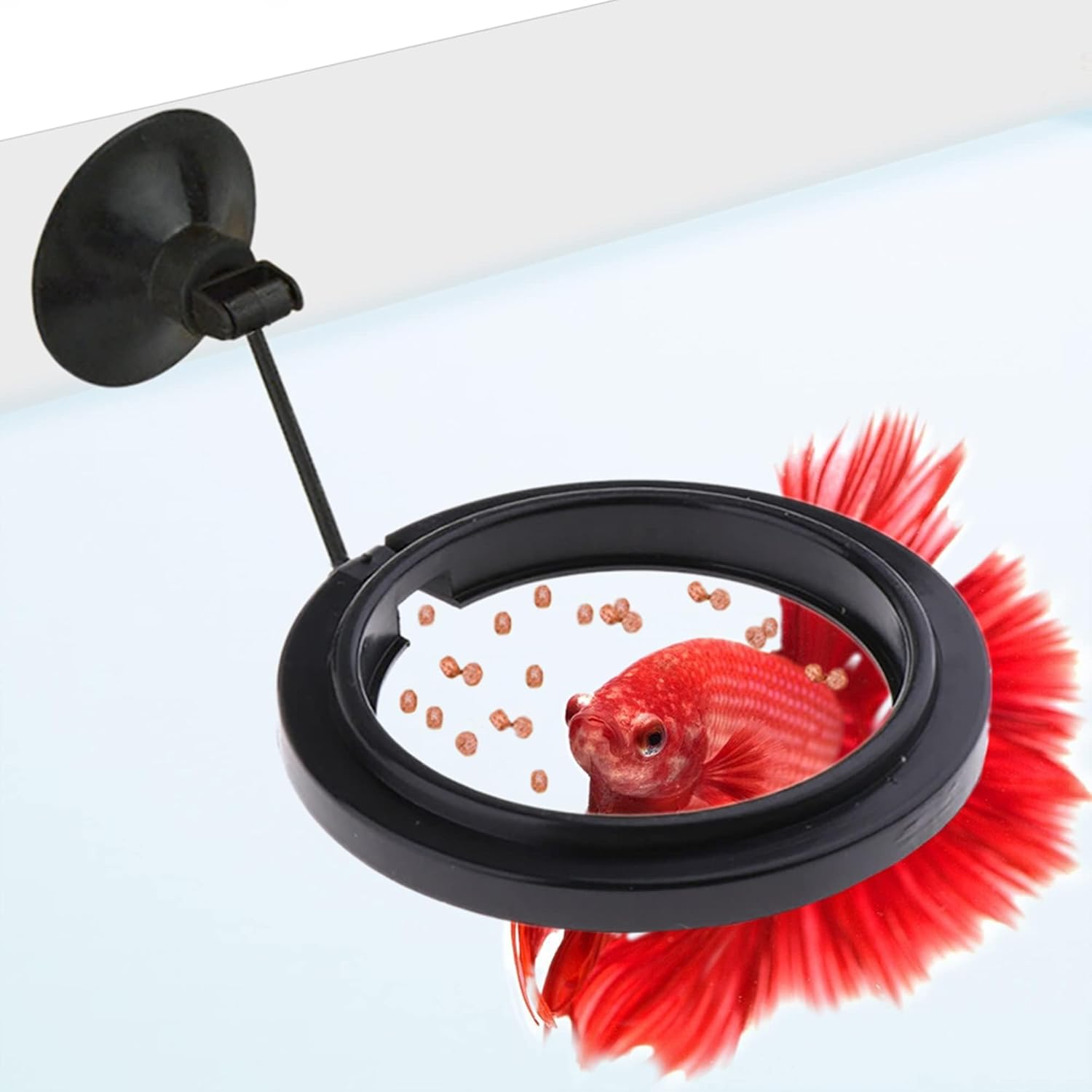
- Use a feeding ring for the glow fish at one end of the tank
- Drop betta pellets directly in front of your betta at the other end
- Feed at the same time daily so both species learn the routine
- Consider feeding the betta in a separate container if food competition becomes a serious issue
Real-World Experiences: What Hobbyists Report
Success Stories
Many aquarium hobbyists have successfully kept female bettas with glow fish. The common thread in success stories is almost always a large, well-planted tank and a docile betta. Hobbyists report that in 20+ gallon setups with plenty of cover, female bettas often ignore glow fish entirely or only show mild curiosity.
One popular setup is a 20-gallon long tank with a female betta, six glow tetras, and a few nerite snails. The glow fish school in the middle and upper levels while the betta patrols the top and claims a favorite plant or decoration as her territory. With regular feeding and water changes, these setups can run smoothly for years.
Cautionary Tales
On the flip side, there are plenty of stories that don’t end well. The most common failure scenario involves a small tank (10 gallons or less) and a betta with a strong territorial streak. In these cases, the betta may injure or kill glow fish within hours of introduction.
Another common issue is fin nipping. Glow fish, particularly when stressed or under-schooled, may nip at a betta’s flowing fins. This can lead to fin rot and secondary infections that can seriously harm the betta. Always keep an eye on your betta’s fins for signs of damage.
Alternatives If It Doesn’t Work Out
Other Tank Mate Options
If your female betta and glow fish don’t get along, don’t despair. There are plenty of other compatible tank mates to consider. For more ideas on what works well, check out our guide on can female bettas live with other fish, which covers a wide range of suitable companions.
Some popular alternatives include:
- Ember tetras — small, peaceful, and less flashy than glow fish
- Corydoras catfish — bottom dwellers that stay out of the betta’s way
- Harlequin rasboras — calm schooling fish with subtle colors
- Neon tetras — classic community fish that often do well with bettas
You might also want to explore can betta fish live with shrimp if you’re interested in invertebrate tank mates, or can betta fish live with snails for low-maintenance cleanup crew options.
When to Keep Your Betta Solo
Sometimes the best decision is to keep your betta alone. Not every fish is suited for community life, and there’s absolutely nothing wrong with a beautiful, species-only betta tank. A well-decorated 10-gallon tank with a single betta can be just as stunning as any community setup — and far less stressful for everyone involved.
If your betta has shown consistent aggression toward tank mates, respect her personality. A happy solo betta is better than a stressed community tank.
Final Verdict: Can Female Betta Live with Glow Fish?
So, can female betta live with glow fish? The answer is a cautious yes — with conditions. You need a tank of at least 20 gallons, a proper school of six or more glow fish, plenty of plants and hiding spots, and a female betta with a relatively calm temperament. Even then, you need to monitor the situation closely and be ready to separate them if things go south.
If you’re willing to put in the effort and have the right setup, a female betta and glow fish community tank can be a stunning and rewarding display. The contrast between the betta’s elegant fins and the glow fish’s neon colors is genuinely beautiful. But never force a pairing that isn’t working. The health and safety of your fish always comes first.
Start with the right tank size, introduce the fish carefully, and pay attention to their behavior. That’s the formula for success — not just with glow fish, but with what other fish can live with betta fish in general. Good luck, and happy fish keeping!
Frequently Asked Questions
Can female bettas live with glow fish in a 10-gallon tank?
A 10-gallon tank is too small for this combination. Glow fish need a school of at least six, and your betta needs her own territory. Cramming both into a small tank will almost certainly lead to aggression and stress. You need at least a 20-gallon tank for this pairing to have a chance.
Do glow fish nip betta fins?
Glow fish can sometimes nip at betta fins, especially if they’re kept in too-small groups or feel stressed. Keeping them in a proper school of six or more reduces this behavior significantly. However, every fish is different, and some individual glow fish may be nippier than others.
What temperature is best for both female bettas and glow fish?
The ideal temperature range for both species is 77–80°F. This falls within the comfort zone for female bettas (76–82°F) and glow fish (72–82°F). Keeping the temperature stable in this range will help both species thrive.
How many glow fish should I keep with a female betta?
You should keep at least six glow fish together. They’re schooling fish and feel insecure in smaller numbers. A group of six or more will keep them focused on each other rather than bothering your betta. In a 20-gallon tank, six to eight glow fish is a good number.
Will my female betta definitely get along with glow fish?
There’s no guarantee. Female bettas are less aggressive than males, but each fish has a unique personality. Some will coexist peacefully with glow fish, while others will attack them on sight. Always monitor closely during the first few days and have a backup plan ready.
Can I use a tank divider instead of a separate tank?
Yes, a tank divider can work as a temporary solution if aggression occurs. It allows both species to share the same water while keeping them physically separated. However, dividers reduce swimming space and aren’t ideal long-term. A separate tank is always the better option if the pairing doesn’t work out.