Why Is My Betta Fish Not Growing

Betta fish that stop growing are usually sending a signal about their environment, diet, or health. By checking water quality, feeding the right foods, and spotting hidden illnesses, you can give your finned friend the boost it needs to thrive and reach its full size.
Key Takeaways
- Water quality matters: Poor parameters stunt growth and can lead to disease.
- Nutrition is key: A varied, protein‑rich diet fuels healthy development.
- Tank size and décor: Too small a space limits growth and causes stress.
- Health checks: Parasites, fin rot, and hormonal issues often hide behind slow growth.
- Genetics set the ceiling: Some bettas are naturally smaller, but they should still grow at a steady pace.
- Consistent routine: Stable temperature, lighting, and feeding schedules promote optimal growth.
- Observe and act: Early detection of problems prevents long‑term stunting.
📑 Table of Contents
- Introduction: When Your Betta Seems Stuck in a Mini‑Growth Spurt
- 1. Water Quality: The Foundation of Healthy Growth
- 2. Nutrition: Feeding for Growth, Not Just Survival
- 3. Tank Size and Environment: Giving Your Betta Room to Grow
- 4. Health Issues That Hide Behind Slow Growth
- 5. Genetics and Age: Knowing the Limits
- 6. Consistent Care Routine: The Secret Sauce for Steady Growth
- Conclusion: Helping Your Betta Reach Its Full Potential
Introduction: When Your Betta Seems Stuck in a Mini‑Growth Spurt
Betta fish are famous for their bright colors and feisty personalities, but many owners get worried when their little fighter seems to stay the same size for months. You might wonder, “Why is my betta fish not growing?” The answer is rarely a single problem. More often, it’s a combination of water conditions, diet, tank size, and hidden health issues.
In this guide we’ll walk through the most common reasons a betta’s growth stalls, give you practical steps to fix each issue, and share tips for creating an environment where your betta can reach its full adult size. Think of it as a friendly chat over a cup of tea—simple language, clear examples, and plenty of “you can do this” encouragement.
1. Water Quality: The Foundation of Healthy Growth
Why clean water matters
Betta fish are sensitive to ammonia, nitrite, and sudden changes in pH. When these parameters drift outside the safe range, the fish’s metabolism slows down, which directly affects growth.
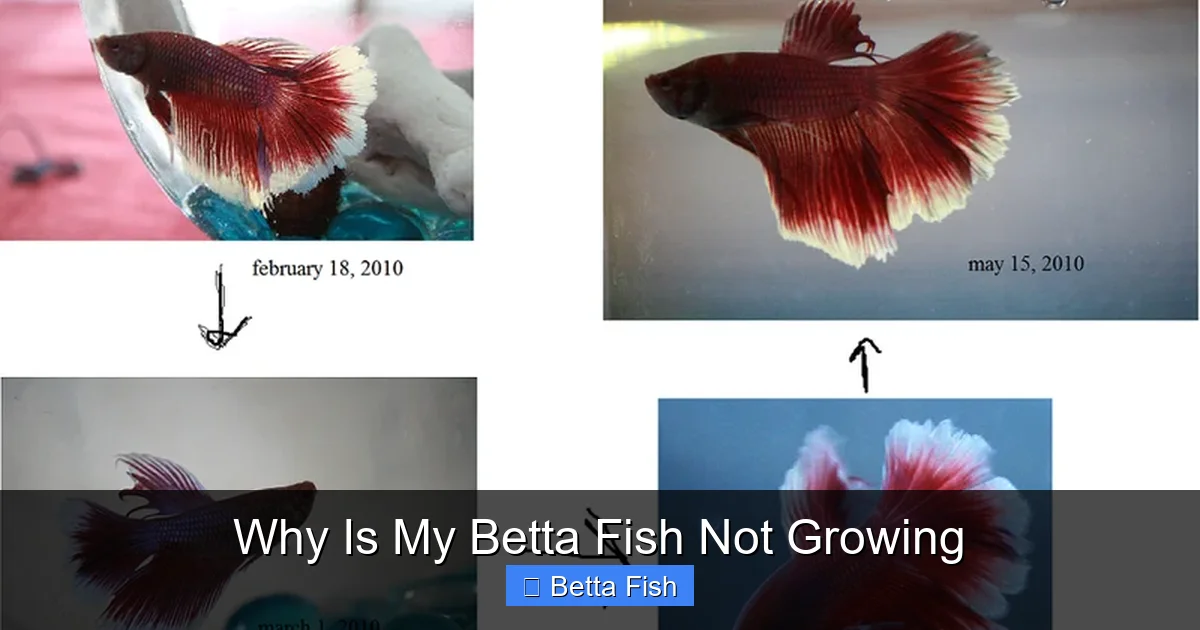
Visual guide about Why Is My Betta Fish Not Growing
Image source: thefishantibiotics.com
Key parameters to monitor
- Temperature: Keep it steady between 76°F‑82°F (24°C‑28°C). Fluctuations of more than 2°F can stress the fish.
- pH: Aim for 6.5‑7.5. Sudden shifts cause hormonal stress that can stunt development.
- Ammonia & nitrite: Both should read 0 ppm. Even low levels trigger a protective response that diverts energy away from growth.
- Nitrate: Below 20 ppm is ideal for bettas.
Practical water‑care routine
1. Test water weekly with a reliable kit.
2. Perform a 25‑30% water change every 5‑7 days.
3. Use a gentle filter designed for bettas (low flow).
4. Condition tap water with a de‑chlorinator.
If you notice cloudy water, read our article on why is my betta fish water cloudy for deeper troubleshooting.
2. Nutrition: Feeding for Growth, Not Just Survival
What a growing betta needs
Betta fry and juveniles require more protein than adult maintenance diets. In the wild, they hunt tiny insects, so a diet rich in animal protein mimics their natural intake.
Best foods for growth
- High‑quality betta pellets: Look for products with 40‑45% protein.
- Live or frozen foods: Daphnia, brine shrimp, and bloodworms are excellent for a growth boost.
- Supplemental treats: Small amounts of finely chopped mosquito larvae or microworms.
Feeding schedule
Feed 2‑3 small meals per day, offering only what can be consumed in 2‑3 minutes. Overfeeding leads to poor water quality, which circles back to stunted growth.
If your betta refuses food, check out why is my betta fish not eating for troubleshooting tips.
3. Tank Size and Environment: Giving Your Betta Room to Grow
Common myth: “A tiny bowl is enough”
While bettas can survive in small containers, they thrive in larger spaces where they can swim and explore. A cramped tank limits exercise, reduces oxygen exchange, and raises stress hormones that inhibit growth.
Recommended tank setup
- Minimum volume: 5 gallons (19 L) for a single male betta.
- Filtration: Low‑flow sponge filter or a gentle hang‑on‑back unit.
- Heater: Reliable thermostat to maintain stable temperature.
- Plants & hiding spots: Live or silk plants provide enrichment and reduce aggression.
Decor and water flow
Sharp ornaments can damage delicate fins, and strong currents tire the fish. Choose smooth decorations and keep the flow gentle.
4. Health Issues That Hide Behind Slow Growth
Parasites and internal infections
Internal parasites (e.g., Hexamita) drain nutrients, leaving the fish weak and small. Signs include a bloated abdomen, loss of appetite, and a “listless” swim.
Fin rot and bacterial infections
Fin rot starts at the edges of the fins and can spread, causing stress that slows growth. Look for ragged, discolored fin tips.
Hormonal or genetic factors
Some bettas are naturally smaller due to genetics, but they should still show steady growth during the first 4‑6 months. If growth stops abruptly after that, hormonal imbalances or chronic disease may be at play.
When to treat
– Use a broad‑spectrum antiparasitic medication for suspected internal parasites.
– Treat bacterial infections with a betta‑safe antibiotic (e.g., Maracyn).
For more on health signs, read is my betta fish dying to help you spot critical warning signs early.
5. Genetics and Age: Knowing the Limits
Growth timeline
Betta fry typically double their size within the first month and reach near‑adult length (2‑3 inches) by 4‑6 months. After that, growth slows to a gradual increase in fin length and body mass.
Genetic size variance
Selective breeding has produced dwarf varieties that stay under 1.5 inches. If you purchased a dwarf line, your expectations should match the genetic potential.
How to tell if genetics are the issue
Compare your fish’s size to the average for its strain. If it’s significantly smaller but otherwise healthy, genetics may be the main factor.
6. Consistent Care Routine: The Secret Sauce for Steady Growth
Daily checks
Observe swimming behavior, appetite, and fin condition each day. A quick visual scan can catch problems before they become serious.
Weekly maintenance
- Test water parameters.
- Replace 25% of the water.
- Trim any dead plant leaves.
- Rotate food types to keep nutrition balanced.
Monthly deep clean
Every 30‑45 days, clean the substrate, rinse filter media, and inspect decorations for hidden waste.
Sticking to a routine reduces stress, which in turn supports healthy growth.
Conclusion: Helping Your Betta Reach Its Full Potential
When you ask, “Why is my betta fish not growing?” the answer likely lies in a combination of water quality, diet, tank environment, hidden health issues, and genetics. By systematically checking each factor—testing the water, feeding a protein‑rich diet, providing adequate space, and monitoring for disease—you give your betta the best chance to grow strong and vibrant.
Remember, patience is key. Improvements may take a week or two to show in your fish’s size, but consistent care will pay off. Keep a log of water tests, feeding schedules, and any changes you make; this record will help you spot patterns and fine‑tune your approach.
With the right care, your betta can go from a stunted little swimmer to a proud, colorful champion of the tank. Happy fishkeeping!
Frequently Asked Questions
Why does my betta stop growing after a few months?
Most bettas finish rapid growth by 4‑6 months. After that, they grow slowly. If growth stops earlier, check water quality, diet, and health for hidden problems.
Can a small tank cause my betta to stay tiny?
Yes. A tank smaller than 5 gallons limits swimming space and can raise stress hormones, which stunt growth.
How often should I change the water to help my betta grow?
Change 25‑30% of the water every 5‑7 days. Regular changes keep ammonia and nitrate low, supporting healthy metabolism.
What foods should I feed a growing betta?
High‑protein betta pellets, supplemented with live or frozen foods like brine shrimp, daphnia, or bloodworms, give the nutrients needed for growth.
My betta looks thin and isn’t getting bigger. Could parasites be the cause?
Internal parasites can drain nutrients, leading to a thin, stunted appearance. Look for a bloated abdomen or loss of appetite and consider a vet‑approved antiparasitic treatment.
Is it normal for a betta to stay the same size if it’s a dwarf variety?
Yes. Dwarf bettas are genetically smaller, usually staying under 1.5 inches. They will still grow proportionally, but their maximum size is limited by genetics.