Why Is My Betta Fish White

Seeing a betta turn white can be alarming, but it often points to easily‑fixable issues like water quality, stress, or disease. This guide explains the main reasons behind a white betta, how to spot warning signs, and practical steps to bring back its brilliant hue. Follow the tips and keep your fish healthy and colorful.
Key Takeaways
- Water quality matters: Poor parameters are the top cause of a white, faded betta.
- Stress triggers color loss: Overcrowding, aggressive tank mates, and sudden changes can bleach your fish.
- Diseases show as white patches: Fungal, bacterial, or parasitic infections need prompt treatment.
- Nutrition supports pigment: A balanced diet rich in carotenoids helps maintain vivid colors.
- Observe behavior: Lethargy, loss of appetite, or odd swimming patterns signal deeper problems.
- Regular maintenance prevents recurrence: Weekly water changes and proper filtration are essential.
- Early action saves your betta: Spotting the cause early can stop permanent damage and death.
📑 Table of Contents
- Introduction: When Your Betta Looks Like a Snowball
- 1. Water Quality – The Silent Color Thief
- 2. Stress – The Invisible Stressor
- 3. Disease – When White Means “Infection”
- 4. Nutrition – Feeding the Color Engine
- 5. Genetics and Natural Color Variation
- 6. Practical Steps to Restore Color
- Conclusion: Keep Your Betta Bright and Happy
Introduction: When Your Betta Looks Like a Snowball
Betta fish are famous for their dazzling fins and bright colors. So when you notice that your once‑vibrant friend has turned pale or even completely white, it can feel like a mini heart‑attack. The good news? In most cases the “white betta” problem is a symptom, not a death sentence. By understanding why a betta fish becomes white, you can act fast, correct the issue, and often restore the fish’s natural brilliance.
In this article we’ll walk through the most common reasons your betta looks white, how to differentiate between harmless stress responses and serious illness, and step‑by‑step solutions you can start today. Think of it as a friendly chat over a cup of tea—simple language, clear examples, and plenty of practical tips.
1. Water Quality – The Silent Color Thief
Why clean water matters
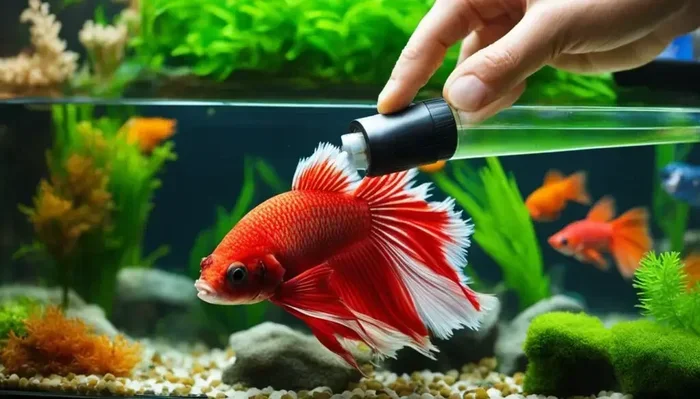
Betta fish are “labyrinth” fish, meaning they breathe air from the surface and are especially sensitive to ammonia, nitrite, and nitrate spikes. When waste builds up, the fish’s gills and skin become irritated, often causing the brilliant pigments to fade.

Visual guide about Why Is My Betta Fish White
Image source: img95.699pic.com
Key water parameters
- Ammonia: 0 ppm (any detectable amount is dangerous)
- Nitrite: 0 ppm
- Nitrate: Below 20 ppm for bettas
- pH: 6.5 – 7.5 (stable)
- Temperature: 76 – 82 °F (24.5 – 28 °C)
How to test and fix
Invest in a reliable liquid test kit. Test weekly, and if any parameter is out of range, perform a 25‑30 % water change with conditioned water. Use a gentle filter to keep the water moving without creating a strong current that can stress your betta.
For more on water‑related color loss, see our article Why Is My Betta Fish Turning White for a deeper dive.
2. Stress – The Invisible Stressor
Common stressors that bleach color
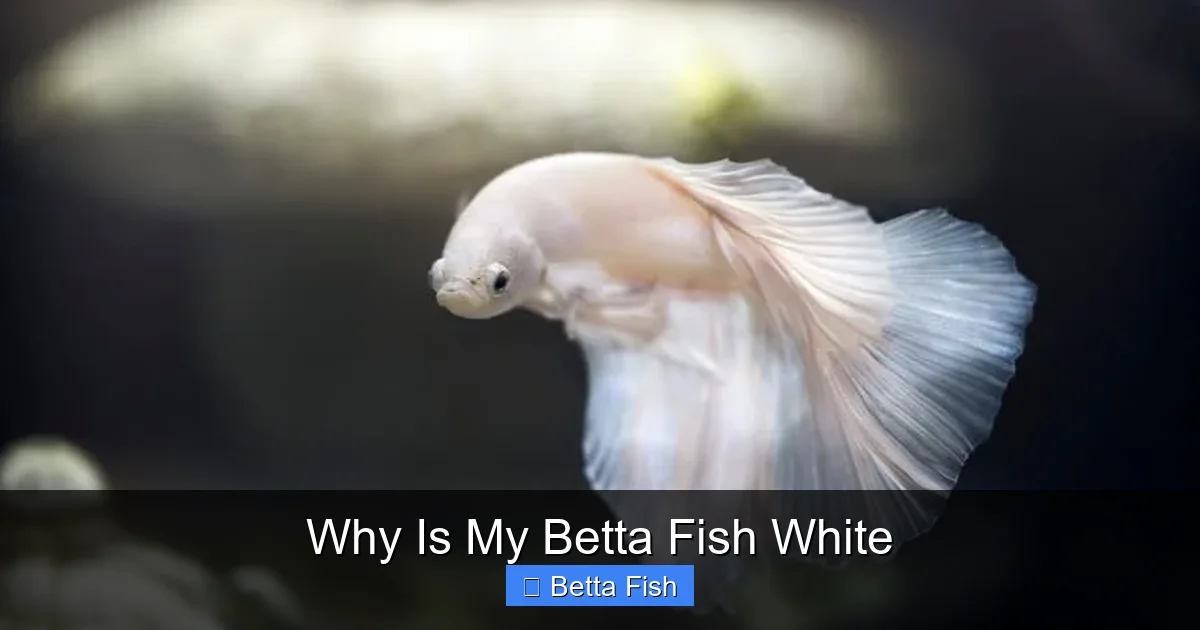
Betta fish are solitary by nature. Overcrowding, aggressive tank mates, sudden temperature changes, or even bright LED lights can cause stress. A stressed betta often retreats, becomes lethargic, and its pigment cells (chromatophores) contract, making the fish look pale or white.
Visual guide about Why Is My Betta Fish White
Image source: ouraquariumlife.com
Spotting stress signs
- Lying at the bottom or on one side
- Rapid, shallow breathing at the surface
- Loss of appetite for more than 48 hours
- Fins clamped close to the body
Stress‑reduction checklist
- Provide a minimum 2‑gallon tank (5 gallons is ideal).
- Use a heater to keep temperature stable.
- Limit décor to a few smooth rocks and plants; avoid sharp edges.
- Maintain a 12‑hour light/dark cycle with dim lighting.
- Give the betta a quiet corner away from high‑traffic areas.
3. Disease – When White Means “Infection”
Fungal infections
White, cotton‑like growths on the body or fins are classic signs of a fungal infection. This often follows an injury or a period of poor water quality.

Visual guide about Why Is My Betta Fish White
Image source: smallcarsclub.com
Bacterial infections
Some bacterial diseases cause a milky sheen or white patches, especially around the mouth and gills. Look for additional symptoms like gasping at the surface.
Parasitic infestations
Protozoan parasites such as Ichthyophthirius multifiliis (Ich) start as tiny white spots that can coalesce into larger white areas.
Treatment basics
- Isolate the affected fish in a hospital tank.
- Raise the temperature to 82 °F (28 °C) to speed up parasite life cycles (if applicable).
- Apply a broad‑spectrum antibacterial/fungal medication—follow the label precisely.
- Perform daily 50 % water changes during treatment.
If you suspect a serious infection, read Why Did My Betta Fish Turn White And Died for warning signs that require immediate action.
4. Nutrition – Feeding the Color Engine
Why diet influences pigment
Betta skin and fin colors are largely derived from carotenoids, which they cannot synthesize themselves. A diet lacking these pigments will result in dull or white coloration.
Best foods for vibrant bettas
- High‑quality betta pellets with natural color enhancers.
- Live or frozen foods such as brine shrimp, daphnia, and bloodworms (occasionally).
- Supplemental “color‑enhancing” foods like spirulina or carotenoid‑rich flakes.
Feeding schedule
Feed 2‑3 small meals per day, offering only what the fish can consume in 2‑3 minutes. Overfeeding leads to waste, which degrades water quality and can cause color loss.
5. Genetics and Natural Color Variation
When white is normal
Some betta strains, especially certain “albino” or “white” varieties, naturally have minimal pigment. If your fish was purchased as a white or pastel betta, the coloration is genetic, not a problem.
Age‑related fading
Older bettas may lose intensity over time, especially males that have been breeding. This is a gradual process and not usually linked to health issues.
Identifying true albinos
True albinos have red eyes and a completely white body. If the eyes are normal and the body is turning white suddenly, it’s likely a health or environment issue.
6. Practical Steps to Restore Color
Immediate action plan
- Test water parameters and correct any out‑of‑range values.
- Perform a 30 % water change with conditioned water.
- Check for signs of disease; isolate if needed.
- Adjust feeding to include color‑rich foods.
- Reduce stressors: lower light, add hiding spots, ensure proper tank size.
Long‑term maintenance
- Weekly 25 % water changes.
- Monthly substrate vacuuming.
- Bi‑weekly filter cleaning (never replace all media at once).
- Quarterly health check: observe behavior, inspect fins and eyes.
For a deeper look at how fin and eye issues relate to color loss, read Why Are My Betta Fish’s Scales Turning White and Why Are My Betta Fish Eyes White.
Conclusion: Keep Your Betta Bright and Happy
A white betta is usually a sign that something in its environment or health needs attention. By regularly testing water, providing a stress‑free habitat, feeding a balanced diet, and watching for disease, you can often reverse the whitening and enjoy a vibrant, active fish for years. Remember, early detection is key—if you see the color fading, act quickly, and your betta will thank you with a splash of brilliant color.
Frequently Asked Questions
Why is my betta fish turning white?
Common causes include poor water quality, stress, disease, or a lack of pigment‑rich foods. Checking parameters and observing behavior usually points to the culprit.
Can a white betta still be healthy?
Yes, if the whitening is due to genetics (e.g., an albino variety) or temporary stress. However, sudden or complete whitening often signals a problem that needs attention.
How quickly can I expect color to return after fixing the issue?
Once water quality and diet are corrected, you may see improvement within a few days to a week. Full color restoration can take up to several weeks, depending on the fish’s health.
What should I do if my betta has white patches on its fins?
Isolate the fish, test the water, and treat with a broad‑spectrum antifungal or antibacterial medication as directed. Keep the hospital tank clean and perform daily water changes.
Is it safe to add other fish to a tank with a white betta?
Only if the underlying cause is resolved and water conditions are stable. Betta fish are territorial, so adding peaceful, non‑aggressive tank mates after a few weeks of observation is safest.
Will changing the tank décor help my betta regain its color?
Yes, providing hiding spots and reducing visual stress can improve overall health, which in turn supports pigment production. Choose smooth plants, caves, and avoid bright, flashing lights.