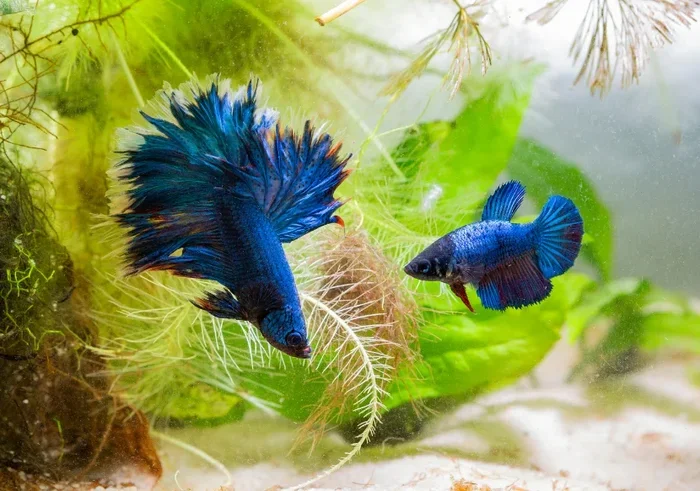
Why Is Betta Fish Tank Cloudy

Cloudy water in a betta tank is usually a sign of imbalance, not a permanent flaw. By checking filtration, cleaning habits, and water parameters, you can clear up the haze fast and keep your betta thriving. Simple routine tweaks prevent the cloudiness from returning.
Key Takeaways
- Cause identification: Over‑feeding, inadequate filtration, and new tank cycling are the top reasons for cloudiness.
- Water testing matters: Regular checks of ammonia, nitrite, nitrate, and pH help spot problems early.
- Cleaning routine: Partial water changes (20‑30% weekly) and substrate vacuuming keep particles suspended.
- Proper tank setup: A correctly sized, well‑cycled tank reduces the risk of cloudy water.
- Beneficial bacteria: Seeding the tank with live + filter media jump‑starts the nitrogen cycle.
- Patience pays: Most cloudy conditions clear within 7‑14 days with consistent care.
- When to seek help: Persistent cloudiness despite action may signal disease or equipment failure.
📑 Table of Contents
- Introduction: A Cloudy Situation
- 1. Understanding What Makes Water Look Cloudy
- 2. The Top Reasons Your Betta Tank Becomes Cloudy
- 3. How to Diagnose the Problem Quickly
- 4. Step‑by‑Step Fixes to Clear Up Cloudy Water
- 5. Preventive Care: Keeping the Water Clear for Good
- 6. When Cloudiness Signals a Bigger Problem
- Conclusion
Introduction: A Cloudy Situation
If you’ve just set up a beautiful 5‑gallon home for your betta and the water looks milky, you might panic. “Why is betta fish tank cloudy?” is a question every new keeper asks. The good news is that cloudy water is almost always fixable and rarely a sign of a dying fish.
In this guide we’ll walk through the science behind cloudiness, the most common culprits, and step‑by‑step actions you can take. By the end, you’ll know exactly how to keep your betta’s aquarium sparkling clear, healthy, and stress‑free.
1. Understanding What Makes Water Look Cloudy
Suspended particles vs. dissolved substances
Cloudiness can be caused by tiny particles floating in the water (a “suspended” cloud) or by chemicals that change the water’s clarity (a “dissolved” cloud). The former looks like milk or a light fog, while the latter may give a green‑ish tint.

Visual guide about Why Is Betta Fish Tank Cloudy
Image source: animalslog.com
The nitrogen cycle explained in plain language
When you add fish food, waste, or decaying plants, ammonia forms. Good bacteria turn ammonia into nitrite, then another set of bacteria turn nitrite into nitrate. Until these bacteria are established, ammonia and nitrite can cause a cloudy, “new‑tank” effect.
Why new tanks are especially prone
In a brand‑new tank the beneficial bacteria haven’t had time to multiply. The water may turn cloudy within the first few days as the cycle starts. This is normal and usually clears up as the bacteria population grows.
2. The Top Reasons Your Betta Tank Becomes Cloudy
2.1 Over‑feeding and excess waste
Betta fish have small stomachs. Feeding more than they can eat in 2‑3 minutes leaves uneaten food to decompose, releasing ammonia and creating a milky haze. A good rule: feed a pinch of food twice a day.
Visual guide about Why Is Betta Fish Tank Cloudy
Image source: earlyyears.tv
2.2 Inadequate filtration or no filter at all
Even though bettas can live in low‑flow environments, a gentle filter helps trap particles and houses the bacteria you need. Without it, waste builds up quickly, turning the water cloudy.
2.3 New tank syndrome
When you first fill the tank, the “new‑tank” cloud appears as microscopic dust and unfinished substrate particles swirl around. It usually settles after 5‑7 days.
2.4 Improper water changes
Changing too much water at once can shock the bacterial colonies, while changing too little lets waste accumulate. Aim for 20‑30 % weekly changes.
2.5 Undersized tank
A tank that’s too small (under 2 gallons) doesn’t provide enough volume for the nitrogen cycle to stabilize. For a betta, a minimum of 5 gallons is recommended. What Is A Good Size Tank For A Betta Fish offers detailed sizing advice.
2.6 Algae blooms and excess lighting
Too much light encourages algae, which can turn the water green and cloudy. Keep the light on for 8‑10 hours a day and consider a timer.
3. How to Diagnose the Problem Quickly
Step 1: Test the water
Use a liquid test kit to check ammonia, nitrite, nitrate, and pH. If ammonia or nitrite is above 0 ppm, the cloudiness is likely from a cycling issue.

Visual guide about Why Is Betta Fish Tank Cloudy
Image source: media.adeo.com
Step 2: Observe your betta’s behavior
Is the fish gasping at the surface, floating sideways, or hiding? Those signs may indicate poor water quality and need immediate action.
Step 3: Check equipment
Make sure the filter is running (if you have one), the heater is set to 78‑80°F, and the substrate is not being over‑stirred.
4. Step‑by‑Step Fixes to Clear Up Cloudy Water
4.1 Perform a partial water change
Replace 25 % of the water with freshly dechlorinated water. Use a siphon to vacuum the bottom and remove detritus.
4.2 Add a water clarifier (optional)
Clarifiers contain fine particles that bind to the cloud and settle. Use sparingly; they don’t replace proper cleaning.
4.3 Boost beneficial bacteria
Pour a commercial bacterial supplement into the tank. This speeds up the nitrogen cycle and helps clear the haze.
4.4 Adjust feeding habits
Feed only what the betta can eat in a few seconds, twice a day. Remove any leftover food after five minutes.
4.5 Upgrade or fine‑tune filtration
If you’re not using a filter, consider a low‑flow sponge filter that won’t stress the betta but will provide surface area for bacteria.
4.6 Clean the substrate
Use a gravel vacuum during water changes to lift trapped debris. Avoid rinsing the substrate with tap water, as it can kill good bacteria.
5. Preventive Care: Keeping the Water Clear for Good
5.1 Establish a regular maintenance schedule
Mark a calendar: water change every 7 days, filter cleaning once a month, and test water weekly.
5.2 Use a proper water conditioner
Always treat tap water with a conditioner that neutralizes chlorine and chloramines.
5.3 Monitor lighting
Set a timer for 8‑10 hours of light daily. Dim the light during cloudy periods to reduce algae growth.
5.4 Choose the right substrate
Fine sand or smooth gravel works best for bettas. Avoid sharp or overly fine sand that can become suspended easily.
5.5 Consider live plants
Plants absorb nitrates and provide natural filtration. Species like Anubias, Java fern, and Marimo moss are low‑light and betta‑friendly.
5.6 Revisit tank size as your betta grows
If you started with a 2‑gallon bowl, upgrade to at least 5 gallons. A larger volume dilutes waste and stabilizes parameters.
6. When Cloudiness Signals a Bigger Problem
6.1 Persistent cloud despite action
If the water stays milky after 14 days of proper care, check for hidden leaks, malfunctioning heater, or a clogged filter.
6.2 Signs of disease
Cloudy water combined with fin rot, white spots, or lethargy may indicate bacterial or fungal infection. Consult a vet or an experienced hobbyist.
6.3 Linking to related issues
Sometimes cloudy water is accompanied by other odd behaviors. For example, a betta that stays at the top of the tank may be reacting to low oxygen caused by poor water quality. Read more about Why Betta Fish Stay At Top Of Tank for details.
6.4 Professional help
If you’re unsure, bring a water sample to your local fish store. They can run a comprehensive test and suggest specific remedies.
Conclusion
Cloudy water is a common hurdle for betta owners, but it’s rarely a sign of doom. By understanding the nitrogen cycle, feeding responsibly, and keeping up with regular maintenance, you can clear the haze and enjoy a vibrant, healthy aquarium. Remember, patience and consistency are your best tools. With the right steps, your betta’s tank will stay crystal clear, giving both you and your fish a beautiful, stress‑free environment.
Frequently Asked Questions
Why does my betta’s tank become cloudy after a water change?
Disturbing the substrate can release fine particles that cloud the water. A gentle vacuum and letting the water settle for a few hours usually resolves it.
Can I use a filter in a betta tank without stressing the fish?
Yes. A low‑flow sponge filter or a hang‑on filter set to a gentle setting provides filtration without creating strong currents that bettas dislike.
Is cloudy water always a sign of a sick betta?
No. Cloudiness is often caused by water quality issues, not disease. However, always watch your betta’s behavior; loss of appetite or abnormal swimming may indicate a problem.
How often should I test the water in a betta tank?
Test for ammonia, nitrite, and nitrate at least once a week. During the first month of a new tank, testing twice a week is ideal.
Can live plants help prevent cloudy water?
Absolutely. Plants absorb nitrates and produce oxygen, both of which help maintain clear water. Choose low‑light species to match a betta’s environment.
What should I do if the water stays cloudy despite all my efforts?
Re‑evaluate your filtration, check for equipment failures, and consider a larger tank. If the cloud persists, seek advice from a specialist or a reputable aquarium store.