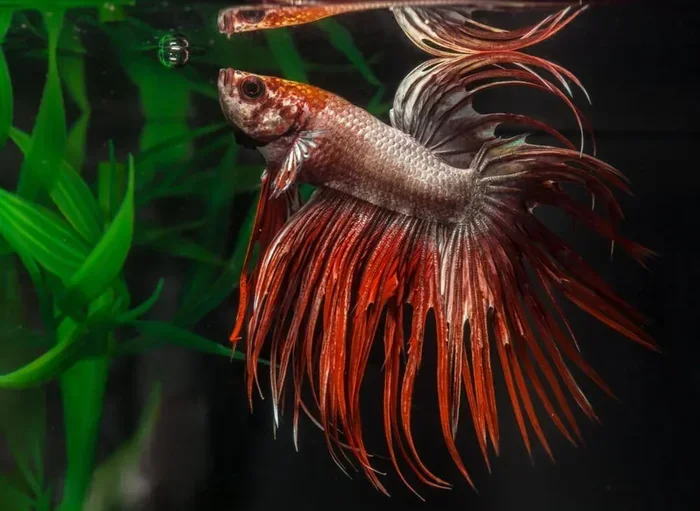
Why Is Betta Fish Swimming Sideways

Betta fish swimming sideways is a red flag that signals stress, disease, or environment problems. Learn the common causes, how to spot them early, and simple steps to restore normal swimming.
Key Takeaways
- Swim posture matters: Sideways swimming often means water quality, injury, or illness.
- Check parameters first: Bad ammonia, nitrite, or pH can make a betta lose balance.
- Look for physical signs: Fin rot, swim bladder issues, or parasites are common culprits.
- Quick fixes work: A water change, proper diet, and stress‑free environment can reverse the problem.
- When to seek help: Persistent sideways swimming needs veterinary or expert advice.
- Prevention is key: Regular tank maintenance and proper tank mates keep bettas swimming straight.
- Know the difference: Sideways swimming differs from floating sideways; both need attention.
📑 Table of Contents
Introduction: When Your Betta Starts to Tilt
Imagine you’re watching your bright‑colored betta glide across the water, then suddenly it starts to glide at a strange angle, almost as if it’s trying to swim on its side. It’s unsettling, right? That sideways wobble is more than just a quirky habit—it’s a signal that something in the fish’s world is out of balance.
In this article we’ll break down why is betta fish swimming sideways in plain language, explore the most common reasons, and give you step‑by‑step actions to turn that wobble back into smooth, graceful swimming. Think of it as a friendly chat over a cup of tea, with plenty of practical tips you can start using today.
1. Water Quality: The Invisible Enemy
Ammonia, Nitrite, and Nitrate – The Bad Trio
Betta fish are especially sensitive to spikes in ammonia and nitrite. Even a small rise can affect their swim bladder, the tiny organ that helps them stay upright. When the water is “dirty,” the fish may lose balance and start swimming sideways.
**How to test:** Use a liquid test kit or test strips. Aim for ammonia = 0 ppm, nitrite = 0 ppm, and nitrate < 20 ppm. If numbers are higher, perform a 25‑30% water change and clean the substrate.
pH and Temperature – Keeping the Balance
Betta fish thrive in water that’s slightly acidic to neutral (pH 6.5‑7.5) and warm (76‑82°F or 24‑28°C). A sudden drop in temperature can cause the swim bladder to contract, leading to sideways swimming.
**Quick tip:** Use a reliable aquarium heater and a thermometer. Adjust the heater in 1‑degree increments and watch for improvement over 24‑48 hours.
Internal Link Example
For a deeper dive into how water conditions affect posture, see our guide on why is my betta fish swimming sideways.
2. Swim Bladder Disorders
What Is the Swim Bladder?
The swim bladder is a gas‑filled sac that lets the fish float at any depth without constant swimming. If it becomes inflamed, infected, or filled with too much gas, the fish will lose its vertical stability.

Visual guide about Why Is Betta Fish Swimming Sideways
Image source: img95.699pic.com
Common Causes
- Overfeeding: Too much food, especially dry flakes, can expand in the gut and press against the bladder.
- Constipation: A blocked intestine can create pressure, pushing the bladder out of shape.
- Infection: Bacterial or fungal infections can inflame the bladder wall.
How to Help a Betta with Swim Bladder Issues
1. **Fast‑acting fasted diet:** Skip feeding for 24‑48 hours, then offer a peeled, cooked pea (cut in half) to act as a mild laxative.
2. **Water change:** Replace 30% of the water with dechlorinated, temperature‑matched water.
3. **Gentle medication:** If you suspect infection, a broad‑spectrum antibacterial like Maracyn can be used per label instructions.
3. Physical Injuries and Fin Damage
Fin Rot and Torn Fins
Fin rot, caused by bacterial infection, can weaken the fins and affect swimming control. Torn or ragged fins may also make the fish wobble.

Visual guide about Why Is Betta Fish Swimming Sideways
Image source: bpic.588ku.com
Spotting the Issue
Look for frayed edges, white or yellow patches, and a fuzzy appearance. If you see these signs, isolate the fish in a hospital tank and treat with a water‑soluble antibiotic.
Preventing Future Injuries
- Provide smooth décor—no sharp rocks or rough decorations.
- Avoid aggressive tank mates that might nip fins.
- Maintain good water quality to keep the immune system strong.
4. Parasites and Internal Infections
Internal Parasites
Protozoan parasites like Hexamita can cause abdominal swelling, which pushes against the swim bladder. The result? A sideways drift.
External Parasites
Ich, velvet, or fluke infestations stress the fish, often leading to erratic swimming.
Treatment Steps
1. **Identify symptoms:** Loss of appetite, visible white spots, or a dusty coating.
2. **Medicate:** Use a copper‑based treatment for external parasites and a metronidazole regimen for internal ones.
3. **Boost immunity:** Add a high‑quality vitamin supplement and ensure a varied diet of frozen or live foods.
5. Stress and Environmental Factors
Tank Size and Overcrowding
Betta fish need at least 2.5‑5 gallons of water to swim freely. A cramped tank forces the fish to constantly bump into walls, causing disorientation.
Improper Lighting and Noise
Bright, flickering lights or loud vibrations (like a nearby speaker) can stress a betta, leading to abnormal swimming patterns.
How to Create a Stress‑Free Home
- Use a lid to reduce surface agitation.
- Provide hiding spots such as live plants or silk caves.
- Keep the tank away from windows and heavy foot traffic.
6. When Sideways Swimming Means a Serious Problem
Signs That Require Immediate Attention
If the sideways swimming is accompanied by any of the following, act fast:
- Rapid breathing or gasping at the surface.
- Visible lesions, ulcers, or discoloration.
- Loss of appetite for more than 48 hours.
- Sudden death of other tank inhabitants.
Professional Help
When home remedies don’t improve the situation within 2‑3 days, consider consulting an aquatic veterinarian or a reputable fish‑care specialist. Early intervention can save a betta’s life.
Related Reading
For a closer look at another odd swimming behavior, read about why is my betta fish floating sideways.
Conclusion: Turning the Tide
Seeing your betta fish swimming sideways can feel alarming, but it’s often a symptom you can treat with a few simple steps. Start by checking water quality, then move on to diet, possible swim bladder issues, and finally any signs of infection or injury. By staying observant and acting quickly, you give your finned companion the best chance to return to its graceful, upright glide.
Remember, a healthy betta thrives in clean water, a stable temperature, and a low‑stress environment. Keep these basics in mind, and you’ll rarely see that unsettling sideways wobble again.
Frequently Asked Questions
Why does my betta swim sideways only after feeding?
Overfeeding can cause constipation, which puts pressure on the swim bladder. Try fasting for a day and then offering a peeled pea to help clear the blockage.
Can water temperature changes cause sideways swimming?
Yes. Sudden drops in temperature affect the gas volume in the swim bladder, making the fish lose balance. Adjust the heater slowly and keep the temperature steady.
Is sideways swimming a sign of a disease?
It can be. Parasites, bacterial infections, or swim bladder disease often manifest as abnormal swimming. Look for other symptoms like spots, discoloration, or loss of appetite.
How often should I change the water to prevent this issue?
A 25‑30% water change weekly is ideal for bettas. If you notice any signs of stress, increase to a 50% change and test the water parameters.
Can tank mates cause my betta to swim sideways?
Aggressive or fin‑nipping fish can damage fins and stress the betta, leading to wobbling. Keep bettas alone or with very peaceful, non‑aggressive species.
When should I consider taking my betta to a vet?
If sideways swimming persists for more than 48‑72 hours despite water changes, diet adjustments, and basic treatments, it’s time to seek professional help.