Why Is Betta Fish Turning White
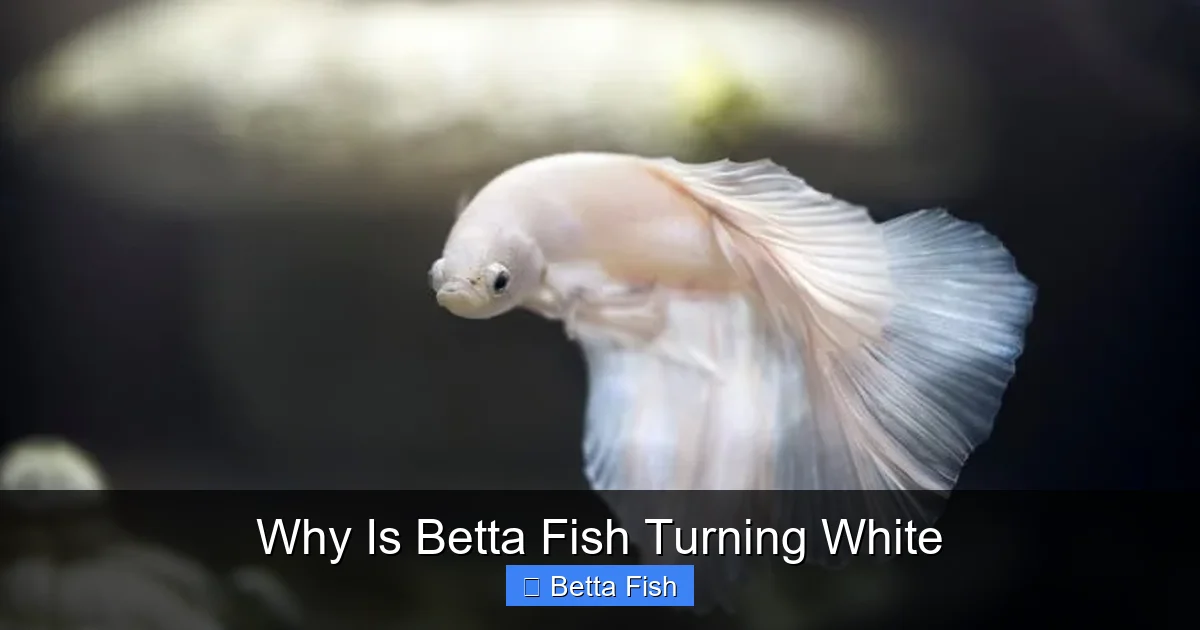
Seeing your betta turn white can be alarming, but it’s often a sign of stress, illness, or water issues. This guide breaks down the most common reasons, how to spot early symptoms, and simple steps to restore your fish’s brilliant color. Act fast and you can often save your betta before the problem becomes fatal.
Key Takeaways
- Water quality matters: Poor parameters are the top trigger for white discoloration.
- Stress triggers color loss: Over‑crowding, improper temperature, and aggressive tank mates can bleach your betta.
- Parasites and infections: White spots or patches often signal Ich, velvet, or fungal growth.
- Nutrition counts: A balanced diet rich in pigments helps maintain vivid colors.
- Early detection saves lives: Spotting subtle changes lets you intervene before the condition worsens.
- Regular maintenance: Weekly water changes and proper filtration prevent most white‑turning issues.
- Consult reliable resources: Trusted articles can guide you through diagnosis and treatment.
📑 Table of Contents
- Introduction: When Your Betta Starts Turning White
- 1. Water Quality – The Silent Culprit
- 2. Stress – The Color‑Stealer
- 3. Diseases and Parasites – When White Means Infection
- 4. Nutrition – Feeding Color Back Into Your Betta
- 5. Aging and Natural Color Changes
- 6. Quick Action Plan – What to Do When You See White
- Conclusion: Turning White Is a Call to Care
Introduction: When Your Betta Starts Turning White
Imagine you’re watching your proud, flamboyant betta swim around the tank and, day after day, the bright reds and blues begin to fade into a ghostly white. It’s a heart‑wrenching sight, and most hobbyists ask the same question: why is betta fish turning white? The answer isn’t always simple, but it’s never hopeless. In most cases, the change is a warning sign—an invitation to look closer at water, diet, and health.
In this article we’ll walk through the most common reasons your betta’s color is disappearing, how to differentiate between harmless stress and serious disease, and what you can do right now to bring the sparkle back. By the end, you’ll feel confident enough to act quickly, keep your fish thriving, and prevent future color loss.
1. Water Quality – The Silent Culprit
Why poor water makes bettas turn white
Betta fish are highly sensitive to changes in their environment. Bad water quality can stress their immune system, causing the pigment cells (chromatophores) to shrink or disappear. Common water‑related triggers include:

Visual guide about Why Is Betta Fish Turning White
Image source: img.hibor.com.cn
- High ammonia or nitrite: Toxic spikes damage gill tissue and can lead to a milky, white coating on the scales.
- Incorrect pH: Betta prefer a stable pH between 6.5 and 7.5. Sudden swings can cause color fading.
- Temperature fluctuations: Temperatures below 76°F (24°C) slow metabolism, often dulling colors.
How to test and fix water problems
Invest in a reliable test kit and check ammonia, nitrite, nitrate, and pH weekly. If any parameter is out of range, perform a partial water change (25‑30%) with dechlorinated water that matches the tank’s temperature. Adding a gentle filter or a small sponge filter can also keep waste low without creating strong currents that stress bettas.
2. Stress – The Color‑Stealer
Common stressors that bleach bettas
Even a perfect water setup can’t protect a betta from stress caused by its surroundings. Look for these red flags:

Visual guide about Why Is Betta Fish Turning White
Image source: forride.jp
- Over‑crowding: Betta are solitary by nature. Housing them with other aggressive fish can lead to constant fighting and a loss of pigment.
- Improper tank size: A bowl or a tank under 2.5 gallons doesn’t give enough space for the fish to display natural behavior, often resulting in faded colors.
- Bright lights or constant glare: While bettas enjoy some light, intense or flickering lighting can cause stress.
Practical tips to reduce stress
Provide at least a 5‑gallon tank with a lid, maintain a consistent day/night cycle (8‑10 hours of light), and keep decorations smooth to avoid injuries. If you suspect a tank‑mate is the problem, consider a separate tank or a heavily planted divider.
3. Diseases and Parasites – When White Means Infection
Spotting the difference between stress and illness
White spots or patches aren’t always just stress. They can signal serious infections:

Visual guide about Why Is Betta Fish Turning White
Image source: m.media-amazon.com
- Ich (White Spot Disease): Tiny white dots appear like sugar grains on the body and fins. The fish may scratch against objects.
- Velvet (Oodinium): A fine gold‑to‑silver dust that makes the fish look “velvety.” The skin may look pale or white‑gray.
- Fungal infections: White, cotton‑like growths develop after injuries or poor water conditions.
Treatment basics
For Ich, raise the temperature slowly to 82°F (28°C) and add a copper‑based or formalin medication for 5‑7 days. Velvet responds well to copper salts and UV sterilizers. Fungal growth can be treated with antifungal dips (e.g., malachite green). Always follow the product instructions and isolate the affected betta in a hospital tank.
For a deeper dive on specific white‑scale issues, see our article Why Are My Betta Fish’s Scales Turning White.
4. Nutrition – Feeding Color Back Into Your Betta
How diet influences pigmentation
Betta fish get much of their vivid hue from carotenoids and other pigments found in high‑quality foods. A bland diet of only dry pellets can lead to pallor over time.
Best foods for vibrant colors
- Live or frozen brine shrimp: Rich in natural pigments.
- Daphnia: Provides beta‑carotene.
- High‑quality betta pellets: Look for those containing astaxanthin or spirulina.
Feed a varied diet 2‑3 times a day, removing uneaten food after a few minutes to keep water clean.
5. Aging and Natural Color Changes
When white is just a part of life
Older bettas may naturally lose some intensity in their coloration. This is a gradual process and usually not accompanied by other symptoms like lethargy or loss of appetite. If the fading is slow and your fish is otherwise healthy, it may simply be age‑related.
Supporting an aging betta
Continue with optimal water conditions, a balanced diet, and gentle handling. Regular health checks will help you spot any new problems early.
6. Quick Action Plan – What to Do When You See White
Step‑by‑step checklist
- Observe: Note the pattern of whiteness—spots, whole‑body fade, or patches.
- Test water: Check ammonia, nitrite, nitrate, pH, and temperature.
- Isolate: Move the betta to a hospital tank with clean, conditioned water.
- Identify: Look for signs of Ich, velvet, or fungus.
- Treat: Apply the appropriate medication based on the diagnosis.
- Adjust tank: Fix any water quality or stress issues in the main tank.
- Monitor: Watch for improvement over 48‑72 hours; feed high‑quality foods.
Following this plan gives your betta the best chance to regain its brilliant hue. For more detailed troubleshooting, read Why Did My Betta Fish Turn White.
Conclusion: Turning White Is a Call to Care
Seeing a betta turn white is never pleasant, but it’s also a valuable signal that something in its environment or health needs attention. By keeping water pristine, reducing stress, feeding a colorful diet, and acting quickly when disease appears, you can often reverse the whitening and keep your betta thriving for years. Remember, a healthy betta is a happy betta—and a happy betta stays bright.
Frequently Asked Questions
Why is my betta fish turning white all over?
All‑over whitening is usually a sign of poor water quality, stress, or a systemic infection like Ich. Test the water and check for white spots or other symptoms.
Can a betta fish’s color fade naturally with age?
Yes, older bettas may lose some intensity in their coloration. If the fish is otherwise active and eating well, it’s likely a normal aging process.
What should I do if I see white spots on my betta’s fins?
White spots are often Ich. Raise the tank temperature slightly and treat with a medication designed for Ich. Isolate the fish to prevent spread.
Is a sudden change to white a sign that my betta is dying?
A rapid shift can indicate serious illness, but with prompt treatment many bettas recover. Quick water testing and appropriate medication are key.
How often should I change the water to prevent my betta from turning white?
Change 25‑30% of the water weekly, or more often if you notice spikes in ammonia or nitrate.
Can feeding my betta more brightly colored food restore its lost color?
Yes, a diet rich in carotenoids (like brine shrimp or high‑quality pellets with astaxanthin) can help bring back faded colors over several weeks.