How to Tell If a Betta Fish Cant Breathe
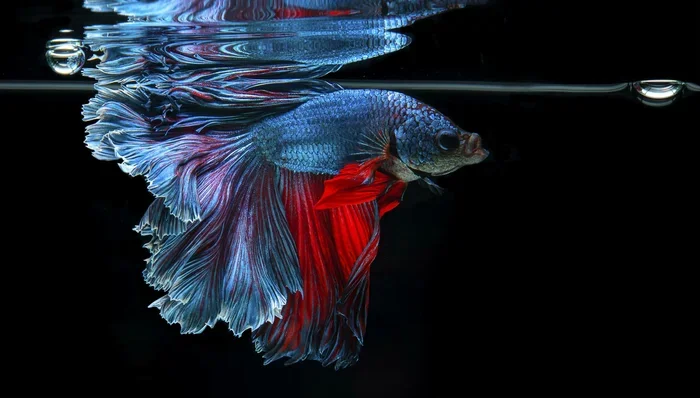
Knowing how to tell if a betta fish cant breathe is one of the most important skills for any fish owner. A betta fish that is having trouble breathing will show clear warning signs like gasping at the surface, clamped fins, and unusual swimming patterns. This guide walks you through every symptom, cause, and solution so you can act fast and keep your betta healthy.
Every betta fish owner wants their pet to thrive. But sometimes, things go wrong fast. One of the scariest moments is when you notice your betta struggling to breathe. A betta fish cant breathe properly for many reasons, and catching the signs early can make all the difference. In this guide, we will walk you through every sign, cause, and fix so you can keep your fishy friend safe and healthy.
Betta fish are beautiful, hardy, and full of personality. But they are also sensitive creatures. Even small changes in their environment can cause serious stress. When a betta fish has trouble breathing, it is often a signal that something deeper is going on. Whether it is a water quality problem, a temperature issue, or a disease, the sooner you spot the signs, the better the outcome. This article covers everything you need to know about betta fish breathing problems in plain, simple language.
Key Takeaways
- Gasping at the surface is the #1 sign: If your betta is repeatedly visiting the top of the tank and taking gulps of air, this is a strong indicator of breathing trouble.
- Water quality is often the root cause: High ammonia or low oxygen levels in the tank can make it very hard for your betta to breathe normally.
- Temperature matters a lot: Cold water holds less oxygen and slows your bettas metabolism, which can lead to respiratory distress.
- Act quickly when you spot symptoms: Early intervention can save your betta fish from serious health decline or death.
- Prevention is simple: Regular water changes, proper filtration, and a well-maintained tank go a long way in keeping your betta breathing easy.
- Know when to seek help: Some breathing issues need immediate treatment, and understanding the signs helps you decide when to act.
📑 Table of Contents
- What Does It Look Like When a Betta Fish Cant Breathe?
- Why Is My Betta Fish Having Trouble Breathing?
- How to Test If Your Betta Is Getting Enough Oxygen
- How to Help a Betta Fish That Cant Breathe
- How to Prevent Breathing Problems in the Future
- Common Mistakes Bettas Owners Make
- When to Call a Vet or Seek Professional Help
- Final Thoughts on Betta Fish Breathing Problems
What Does It Look Like When a Betta Fish Cant Breathe?
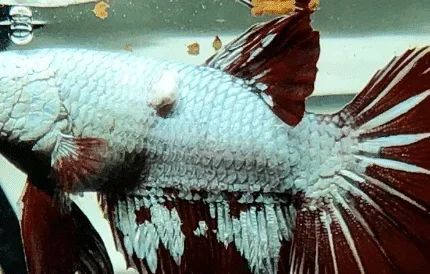
Recognizing breathing trouble in a betta fish is not always obvious. Bettas are labyrinth fish, which means they can breathe air from the surface. This natural ability can sometimes mask the problem. But there are clear signs that something is wrong. Here are the most common symptoms to watch for:
- Gasping at the surface: Your betta repeatedly swims to the top and takes quick gulps of air. This is the most visible sign of oxygen deprivation.
- Rapid gill movement: The gills open and close very fast, even when the fish is resting. This shows the body is trying to pull in more oxygen.
- Clamped fins: The betta holds its fins close to its body instead of spreading them out. This is a classic sign of stress and discomfort.
- Lethargy and inactivity: The fish stays in one spot, barely moving. It may rest on the bottom or hide behind decorations.
- Loss of color: A healthy betta is vibrant. A fish that cannot breathe often looks pale or faded.
- Unusual swimming patterns: The betta may tilt to one side, swim erratically, or struggle to stay upright.
If you notice any of these signs, do not wait. Take action right away. The longer breathing problems go untreated, the worse the outcome becomes. For more on recognizing serious health decline, check out our guide on how can you tell if a betta fish is dying.
Why Is My Betta Fish Having Trouble Breathing?
There is almost always an underlying reason when a betta fish has difficulty breathing. Understanding the cause is the first step toward fixing the problem. Here are the most common culprits:
1. Poor Water Quality
This is the number one cause of breathing issues in betta fish. Ammonia, nitrite, and nitrate build up in tanks that are not cleaned regularly. Even small amounts of ammonia can burn a bettas delicate gills and make it very hard to breathe. If your tank does not have a proper filter, or if you skip water changes, the water becomes toxic fast.
To keep your water clean and safe, learn how to take care of your betta fish water with regular testing and changes.
2. Low Oxygen Levels
Betta fish need dissolved oxygen in the water to breathe through their gills. Stagnant water, warm temperatures, and overcrowded tanks all reduce oxygen levels. Without enough oxygen, your betta will start gasping at the surface no matter how healthy it is otherwise.
3. Water Temperature Problems
Betta fish need warm water, typically between 76 and 82 degrees Fahrenheit. If the water is too cold, the bettas metabolism slows down, and it cannot process oxygen efficiently. On the other hand, water that is too warm holds less dissolved oxygen. Finding the right balance is key. Learn more about keeping the right temperature in our article on how to warm a betta fish bowl.
4. Stress and Illness
Stress weakens a bettas immune system and can lead to respiratory distress. Common stressors include aggressive tank mates, bright lights, loud noises, and sudden changes in the environment. Illnesses like fin rot, gill disease, and internal infections can also directly affect breathing.
If you suspect stress is the cause, look into ways to treat a stressed betta fish and create a calmer habitat.
5. Swim Bladder Disorder
The swim bladder controls buoyancy in fish. When it is not working properly, the betta may float at the surface or sink to the bottom, struggling to maintain its position. This can look like a breathing problem, but it is actually a different issue that needs its own treatment approach.
How to Test If Your Betta Is Getting Enough Oxygen
You do not need fancy equipment to check if your betta is getting enough oxygen. There are simple tests and observations you can do at home. Here is a step-by-step approach:
- Watch the surface behavior: If your betta visits the surface more than usual, it may be low on oxygen. Healthy bettas only come up occasionally.
- Check the water temperature: Use a simple aquarium thermometer. If the water is below 76 degrees, the oxygen levels may be off.
- Test the water parameters: Use a liquid test kit to check ammonia, nitrite, and nitrate levels. Ammonia should be at zero. Nitrite should also be zero. Nitrates should be below 20 ppm.
- Observe the gills: Gently watch the gills when the fish is resting. Slow, steady gill movement is normal. Rapid or labored movement is a red flag.
- Look at other fish in the tank: If you have tank mates, check if they show similar signs. If multiple fish are gasping, the water quality is likely the problem.
These simple checks can give you a clear picture of what is going on. If you are unsure about your results, consider doing a partial water change right away. This often provides immediate relief.
How to Help a Betta Fish That Cant Breathe
Once you have identified the problem, it is time to take action. Here are the most effective steps you can take to help your betta breathe again:
Step 1: Do a Partial Water Change
Replace 25 to 50 percent of the tank water with clean, dechlorinated water at the same temperature. This instantly improves water quality and adds fresh oxygen. Use a turkey baster or a small siphon to remove debris from the substrate at the same time.
Step 2: Check and Adjust the Temperature
Make sure the water is in the ideal range of 76 to 82 degrees Fahrenheit. If it is too cold, use a small aquarium heater. If it is too warm, slowly lower the temperature by adding a bit of cooler water. Avoid sudden temperature swings, as these can shock your betta.
Step 3: Improve Water Flow and Aeration
Add a gentle air stone or sponge filter to increase oxygen exchange at the surface. Bettas prefer calm water, so avoid strong currents. A simple sponge filter works great because it provides both filtration and gentle aeration.
Step 4: Treat Any Underlying Illness
If your betta shows signs of disease, use the appropriate medication. For bacterial infections, antibiotics may be needed. For parasites, a medicated bath can help. Always follow dosage instructions carefully and isolate sick fish in a quarantine tank if possible.
Step 5: Reduce Stress
Dim the lights, keep the tank in a quiet area, and avoid tapping on the glass. Give your betta time to recover in a calm environment. For more tips on helping your betta feel safe, read our article on how to tell if my betta fish is sick.
How to Prevent Breathing Problems in the Future
Prevention is always better than cure. A well-maintained tank keeps your betta healthy and breathing easily. Here is a simple routine to follow:
- Test the water weekly: Use a liquid test kit to check ammonia, nitrite, and nitrate levels. Catching problems early prevents bigger issues.
- Do regular water changes: Change 20 to 30 percent of the water every week. This removes toxins and refreshes the oxygen supply.
- Keep the filter clean: Rinse filter media in old tank water once a month. Never use tap water, as it kills beneficial bacteria.
- Maintain the right temperature: Use a reliable heater and thermometer. Stable temperatures reduce stress and support healthy gill function.
- Do not overfeed: Excess food decays quickly and spikes ammonia levels. Feed small amounts once or twice a day.
- Avoid overcrowding: A single betta needs at least 5 gallons of space. More fish means more waste and less oxygen.
- Add live plants: Plants naturally produce oxygen and absorb harmful chemicals. They also provide hiding spots that reduce stress.
Following these steps consistently will keep your bettas environment clean and oxygen-rich. Your fish will be happier, more active, and far less likely to develop breathing problems.
Common Mistakes Bettas Owners Make
Many well-meaning owners accidentally make things worse for their bettas. Here are the most common mistakes to avoid:
- Using a bowl without a filter: Bowls are tempting, but they lack proper filtration and aeration. This leads to poor water quality and low oxygen over time.
- Skipping water changes: Even with a filter, water needs regular refreshing. Toxins build up no matter what.
- Overcrowding the tank: Adding too many fish or decorations reduces swimming space and oxygen levels.
- Ignoring early warning signs: A betta that is slightly less active today may be gasping tomorrow. Do not ignore subtle changes.
- Using untreated tap water: Tap water contains chlorine and chloramine, which are toxic to bettas. Always use a water conditioner before adding water to the tank.
Avoiding these mistakes will save you a lot of trouble and keep your betta thriving for years to come.
When to Call a Vet or Seek Professional Help
Most breathing problems can be fixed at home with the steps outlined above. But some situations need professional attention. Call a fish vet or visit a local fish store if:
- Your betta does not improve within 24 to 48 hours of water changes and treatment.
- The fish is completely motionless and not responding to stimuli.
- You notice visible damage to the gills, such as redness, swelling, or fraying.
- Multiple fish in the tank are showing the same symptoms.
- The betta has stopped eating entirely for more than two days.
Quick action in these situations can save your bettas life. Remember, a betta fish cant breathe for a reason, and finding that reason is the key to a successful recovery.
Final Thoughts on Betta Fish Breathing Problems
Watching your betta struggle to breathe is frightening. But now you know exactly what to look for and what to do. From gasping at the surface to clamped fins and pale coloring, the signs are clear once you know them. The most important thing is to act fast. Check the water quality, adjust the temperature, and provide a clean, well-oxygenated environment. With the right care, most bettas recover fully from breathing problems. Keep this guide handy, share it with fellow fish lovers, and give your betta the healthy, happy life it deserves.
Frequently Asked Questions
Why is my betta fish staying at the top of the tank and gulping air?
This behavior usually means your betta is not getting enough dissolved oxygen from the water. It could be caused by poor water quality, low aeration, or high water temperature. Doing a partial water change and adding a gentle air stone often fixes the problem quickly.
Can a betta fish recover from breathing problems?
Yes, most bettas recover fully if you catch the problem early and take action. Improving water quality, adjusting temperature, and reducing stress are the key steps. The faster you respond, the better the chances of a full recovery.
Is it normal for a betta fish to breathe fast after water changes?
Slightly faster breathing for a short time after a water change can be normal, especially if the new water is cooler or has different parameters. However, if the rapid breathing continues for more than a few hours, check the ammonia and nitrite levels in the tank.
What is the best water temperature for a betta fish to breathe easily?
The ideal range is between 76 and 82 degrees Fahrenheit. Water that is too cold slows down the bettas metabolism and oxygen processing. Water that is too warm holds less dissolved oxygen. A reliable aquarium heater helps maintain this sweet spot.
How often should I test my betta tank water for breathing-related issues?
You should test the water at least once a week for ammonia, nitrite, and nitrate levels. If your betta shows any signs of breathing trouble, test the water immediately. Early detection of water quality problems prevents most breathing issues before they start.
Can a dirty filter cause a betta fish to have trouble breathing?
Yes, a dirty or clogged filter reduces water flow and oxygen exchange. It also allows toxins to build up faster. Clean your filter media regularly, but never use tap water, as it kills the beneficial bacteria that keep your tank safe and healthy.