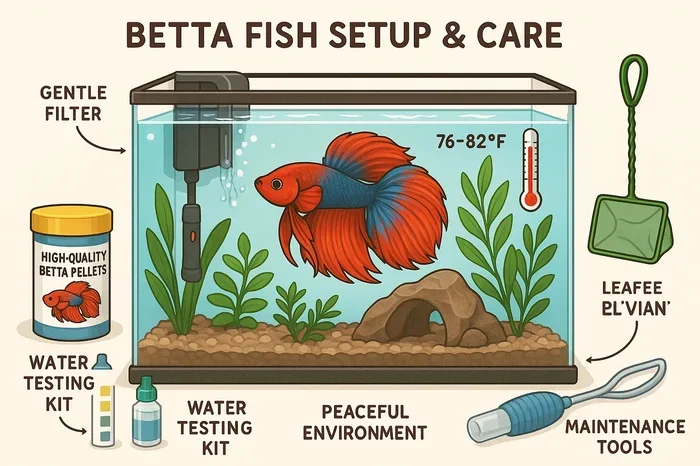
Can a Betta Fish Be with Other Betta Fish

Betta fish are famous for their feisty nature, especially males, which makes sharing a tank tricky. While females can sometimes live together under the right conditions, most bettas thrive best alone or with carefully chosen tank mates.
Key Takeaways
- Male bettas are usually solitary: Their aggressive instincts make co‑habitation risky.
- Female groups (sororities) can work: Only if the tank is large, well‑planted, and closely monitored.
- Tank size matters: A minimum of 20 gallons is recommended for any betta community.
- Introduce slowly and watch behavior: Use a divider or a neutral “quarantine” tank first.
- Consider alternative tank mates: Small, non‑fin‑nipping species are often safer than another betta.
- Water quality is critical: Clean, stable parameters keep aggression low.
- Know the signs of stress: Faded colors, frantic flaring, or hiding indicate trouble.
📑 Table of Contents
- Introduction: The Betta’s Reputation
- Understanding Betta Behavior
- Can a Betta Fish Be With Other Betta Fish? The Core Answer
- Setting Up a Betta Community Tank
- Female Sororities: A Closer Look
- Male‑Female Pairing for Breeding
- Alternatives: Non‑Betta Tank Mates
- Common Myths Debunked
- Conclusion: Making the Best Choice for Your Betta
- Further Reading
Introduction: The Betta’s Reputation
When most people hear the word “betta,” they picture a lone, flamboyant fish flaunting its fins in a tiny bowl. That image isn’t far off—betta fish (Betta splendens) are naturally territorial, especially the males that guard their space fiercely. This reputation leads many hobbyists to wonder, can a betta fish be with other betta fish? The short answer is “it depends,” but the details are worth exploring.
In this guide we’ll walk through the science behind betta aggression, the differences between males and females, how to set up a community tank, and practical steps to keep the peace. By the end, you’ll know exactly when two bettas can share a home and when it’s safer to keep them apart.
Understanding Betta Behavior
Why bettas are territorial
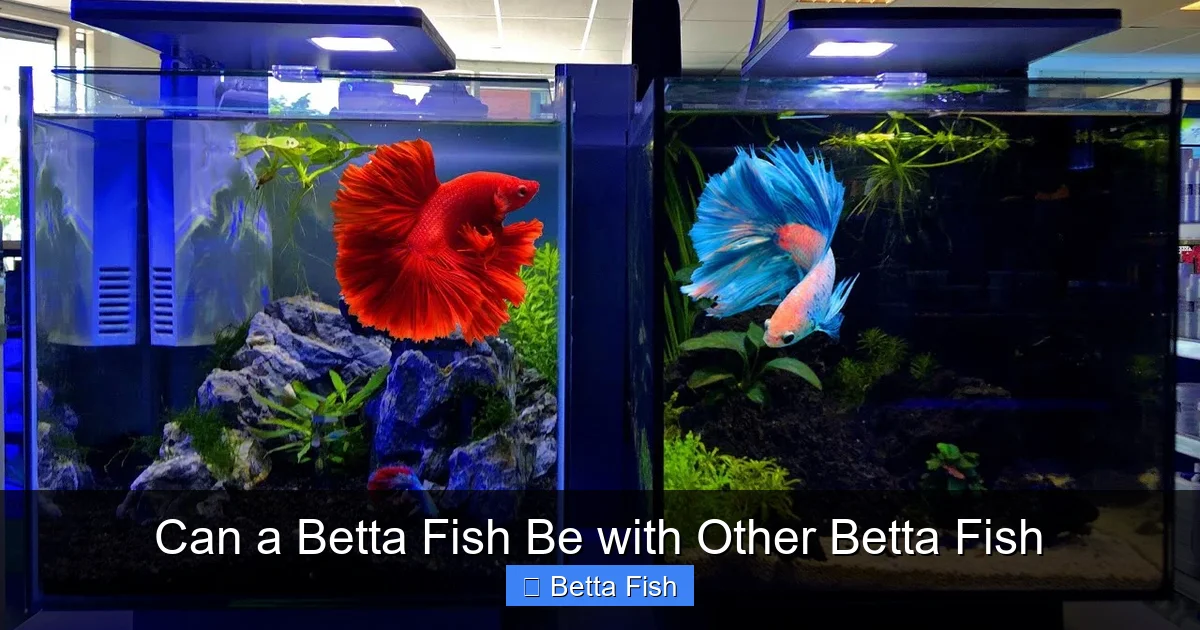
Betta fish evolved in the shallow rice paddies of Thailand, where water bodies are small and resources limited. Males defend their bubble nests and breeding sites from rivals, using vibrant fins and a dramatic flare to intimidate opponents. This natural instinct carries over to home aquariums.
Visual guide about Can a Betta Fish Be with Other Betta Fish
Image source: i.ytimg.com
Male vs. female aggression
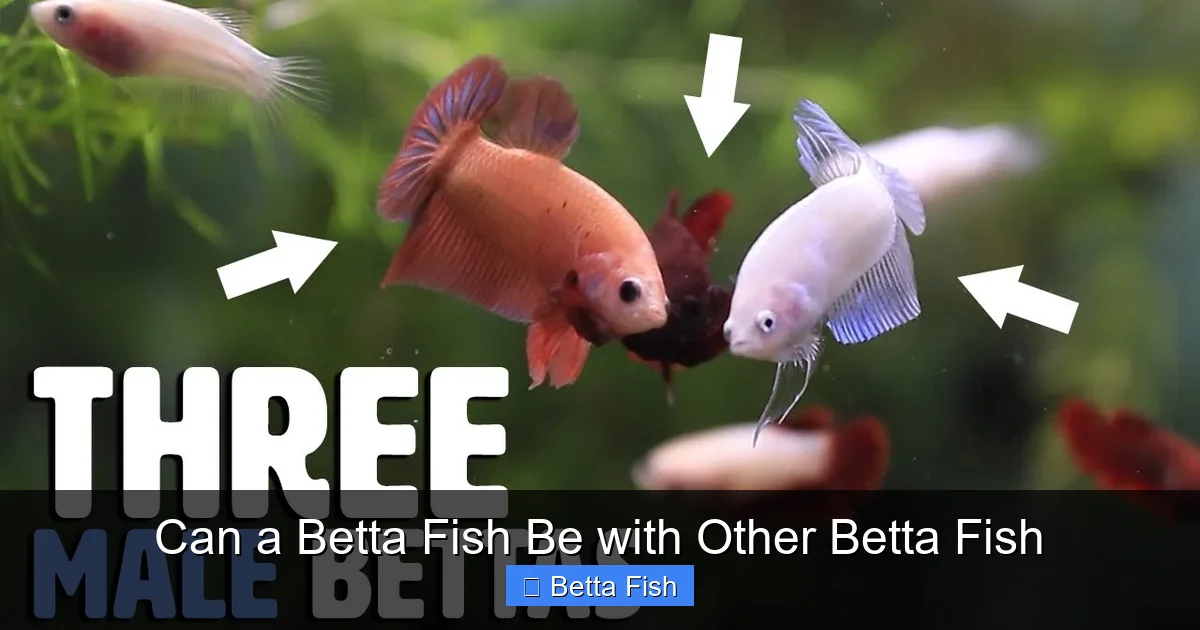
Male bettas are the classic “fighters.” They will flare, bite, and even kill a same‑sex rival in a matter of minutes. Females are less aggressive, but they still hold territories and can become hostile if the space is too cramped. A group of females—called a “sorority”—can sometimes live together, but only under very specific conditions.
What triggers a fight?
Several factors can set off aggression: limited space, lack of hiding spots, poor water quality, and visual contact with another betta. Even a reflective surface can cause a male to think his own reflection is a rival.
Can a Betta Fish Be With Other Betta Fish? The Core Answer
The simple truth is that most bettas do best alone. However, there are three scenarios where co‑habitation is possible:
Visual guide about Can a Betta Fish Be with Other Betta Fish
Image source: i.ytimg.com
- Male‑female pair in a large, well‑planted tank (only if you intend to breed).
- Female sorority of 3‑5 individuals in a spacious, heavily decorated aquarium.
- Separate compartments within the same tank using clear dividers.
If you try to keep two males together, expect a fight. Even two females can become aggressive if the tank is too small or the décor is sparse.
Setting Up a Betta Community Tank
Choosing the right tank size
For any betta community, a minimum of 20 gallons (≈75 liters) is recommended. This gives each fish enough room to establish its own territory and reduces visual confrontation.

Visual guide about Can a Betta Fish Be with Other Betta Fish
Image source: ekk4j69ebaa.exactdn.com
Decor and hiding places
Live plants, driftwood, and smooth rocks create natural barriers. Aim for at least one hiding spot per fish, plus extra “visual breaks” like tall stems or ceramic caves. A well‑planted tank also improves water quality, which in turn lowers stress.
Water parameters
Betta fish prefer stable conditions: temperature 76‑82 °F (24‑28 °C), pH 6.5‑7.5, and a gentle water flow. Use a reliable heater and a sponge filter that provides surface agitation without a strong current that can stress the fish.
Introducing the fish
Never drop two bettas into the same water at once. Use a quarantine or “neutral” tank to acclimate each fish for 24‑48 hours. Then, either:
- Place a clear acrylic divider in the main tank and let them see each other without contact for a few days.
- Introduce a sorority slowly, adding one female every 2‑3 days while monitoring behavior.
Monitoring and adjusting
Watch for signs of stress: faded colors, frayed fins, constant flaring, or hiding for long periods. If aggression escalates, be ready to separate the fish immediately to prevent injuries.
Female Sororities: A Closer Look
How many females?
Most experts suggest 4‑5 females in a 20‑gallon tank. Fewer than four often leads to a “alpha” female dominating the group, which can cause bullying. More than five can overwhelm the tank’s space.
Choosing compatible personalities
Even within the same species, individual bettas have different temperaments. Look for fish that are calm, not overly flamboyant in their flaring. If possible, purchase females from the same breeder batch—they may have been raised together and be more tolerant.
Feeding strategy
Feed high‑quality betta pellets or frozen bloodworms twice daily, offering only as much as they can consume in two minutes. Overfeeding leads to poor water quality, which can increase aggression.
When things go wrong
If a single female becomes the bully, you may need to remove her. Use a net to gently transfer her to a separate tank. In many cases, a quick re‑arrangement of décor can reset the hierarchy and calm the group.
Male‑Female Pairing for Breeding
Preparing the tank
For breeding, a 10‑gallon tank with a soft substrate, plenty of plants, and a floating bubble nest maker is ideal. Keep the water slightly warmer (78‑80 °F) to stimulate spawning.
Introducing the pair
Start with the male in the tank for a few days to build his confidence. Then add the female in a breeding box for a day before releasing her. Observe the male’s reaction—if he flares aggressively at her, the pair is not compatible.
Post‑spawning care
After the eggs hatch, the male will guard the fry. Remove the female to prevent her from eating the young. Once the fry are free‑swimming (about a week), move them to a separate rearing tank.
Alternatives: Non‑Betta Tank Mates
If the idea of sharing a tank with another betta feels too risky, consider peaceful companions that won’t challenge a betta’s territory.
Suitable species
- Neon tetras – small, fast swimmers that stay in the mid‑water.
- Corydoras catfish – bottom dwellers that keep to themselves.
- Snails – such as nerite or mystery snails, which help clean algae.
- Harlequin rasboras – peaceful and colorful, they add movement without provoking the betta.
For a deeper dive into compatible species, see our guide on what other fish can live with betta fish.
What to avoid
Long‑finned fish (e.g., guppies, mollies) and other aggressive species should stay away. Their flowing fins can trigger a betta’s territorial response.
Common Myths Debunked
Myth: “Betta fish are always aggressive.”
While males are naturally combative, many females live peacefully in groups when given enough space and cover.
Myth: “A small bowl is fine for two bettas.”
Even the largest tank in the world cannot compensate for the lack of territory in a bowl. A cramped environment guarantees stress and fights.
Myth: “Betta fish will stop fighting if you feed them together.”
Food can actually increase competition. If you must feed multiple bettas, distribute food in several locations to reduce rivalry.
Conclusion: Making the Best Choice for Your Betta
So, can a betta fish be with other betta fish? The answer hinges on gender, tank size, and décor. Male bettas are best kept alone unless you are breeding. Female sororities can succeed in a spacious, heavily planted aquarium, but they require constant observation. If you’re uncertain, the safest route is a single betta with carefully selected non‑betta tank mates.
Remember, the health and happiness of your fish come first. Start with a well‑filtered, properly heated tank, add plenty of hiding spots, and introduce any new fish slowly. By respecting the betta’s natural instincts, you’ll enjoy a vibrant, drama‑free aquarium for years to come.
Further Reading
For more information on mixing bettas with other species, check out Can Other Fish Be With A Betta and the detailed explanation in Why Can’t Betta Fish Be With Other Fish.
Frequently Asked Questions
Can two male bettas ever live together peacefully?
In almost all cases, no. Male bettas are highly territorial and will fight aggressively if placed in the same tank.
How many female bettas can I keep in a sorority?
A sorority of 4‑5 females in a 20‑gallon tank with plenty of plants and hiding spots usually works well.
Do bettas need a heater if they share a tank with other fish?
Yes. Betta fish thrive at 76‑82 °F, and most compatible tank mates prefer similar temperatures.
What signs show my betta is stressed?
Look for faded colors, torn fins, constant flaring, or a tendency to hide for long periods.
Can I use a divider to keep two bettas in the same tank?
Yes, a clear acrylic divider allows visual contact while preventing physical fights, making it a safe temporary solution.
Is it safe to keep a betta with a snail?
Most snails, like nerite or mystery snails, are fine tank mates and can even help with algae control.