What Fish Eats Betta Fish

Betta fish may look fierce, but several aquarium predators will see them as a tasty snack. This guide reveals the common fish that eat betta fish, explains why attacks happen, and offers practical steps to protect your prized betta in a community tank. Read on to keep your betta thriving and stress‑free.
Key Takeaways
- Identify predators: Larger, aggressive species such as gouramis, larger tetras, and certain catfish are most likely to bite or eat bettas.
- Tank size matters: A cramped tank increases stress and makes bettas easy targets; aim for at least 5 gallons per betta.
- Water parameters are crucial: Consistent temperature and soft, slightly acidic water help bettas stay healthy and less vulnerable.
- Observe behavior: Look for torn fins, missing tails, or sudden hiding as signs of a predator attack.
- Choose compatible tank mates: Peaceful, slower‑moving fish that stay in the mid‑ to lower‑water column are safest.
- Provide hiding spots: Plants, caves, and décor give bettas places to escape potential threats.
- Regular monitoring: Frequent water checks and health inspections prevent hidden aggression from turning deadly.
📑 Table of Contents
- Introduction: The Hidden Danger in Community Tanks
- 1. Common Predators: Who Likes to Snack on Betta Fish?
- 2. Why Do These Fish Target Betta Fish?
- 3. Signs Your Betta Is Being Harassed
- 4. Prevention: Keeping Your Betta Safe
- 5. What To Do If a Predator Is Already Present
- Conclusion: A Safe Home for a Stunning Fighter
Introduction: The Hidden Danger in Community Tanks
Betta fish, often called Siamese fighting fish, are famous for their vivid colors and flamboyant fins. Many hobbyists think of them as solitary showpieces, but in the right (or wrong) community, they can become prey. Understanding what fish eats betta fish is essential for anyone who wants a harmonious aquarium.
In this article we’ll walk through the most common predators, why they target bettas, and how you can design a safe tank. Think of it as a friendly chat over coffee—simple language, clear tips, and plenty of real‑world examples.
1. Common Predators: Who Likes to Snack on Betta Fish?
Not every fish will chase a betta, but a few groups are notorious. Below is a quick rundown of the usual suspects.
1.1. Larger Gouramis
Gouramis, especially dwarf and pearl varieties, are semi‑aggressive and love to nip at flowing fins. Their mouths are wide enough to take a small betta tail in one bite.
1.2. Aggressive Tetras
Neon and cardinal tetras are tiny, but when kept in large schools they can become surprisingly boisterous. A betta’s long fins look like a moving buffet, prompting tetras to nip.
1.3. Corydoras and Other Bottom Dwellers
While most catfish are peaceful, some larger Corydoras or loaches may mistake a betta’s fin for a worm, especially if the betta is stressed and swimming near the substrate.
1.4. Large Barbs and Danios
Barbs (like tiger or cherry) and danios are fast, active swimmers. Their sharp teeth can cause serious damage to a betta’s delicate fins.
1.5. Larger Betta or Male Aggression
Two male bettas together are a classic “who will win” scenario, often ending with one eating the other’s fin tissue. Even a larger female may dominate a smaller male.
2. Why Do These Fish Target Betta Fish?
Understanding the “why” helps you prevent the problem before it starts.
2.1. Fin Shape and Movement
Betta fins ripple like silk. Predators are instinctively drawn to that motion, mistaking it for prey.
2.2. Size Mismatch
In a small tank, a betta can’t escape quickly enough. Larger fish see the betta as an easy meal.
2.3. Territory and Stress
When water parameters are off—temperature, pH, or hardness—betas become stressed, their colors dim, and they hide less, making them more visible to predators.
2.4. Hunger and Feeding Habits
Some bottom dwellers are opportunistic feeders. If you underfeed them, they may turn to fin nibbling.
3. Signs Your Betta Is Being Harassed
Early detection can save a betta’s life.
- Torn or ragged fins: Look for missing pieces or frayed edges.
- Loss of color intensity: Stressed bettas often fade.
- Hiding more than usual: If your betta spends most of the day under a leaf or cave, something may be wrong.
- Unusual breathing patterns: Rapid gill movement can signal stress.
- Visible wounds or bite marks: Small punctures indicate a predator’s bite.
4. Prevention: Keeping Your Betta Safe
Prevention is easier than cure. Here are proven steps to protect your betta.
4.1. Choose the Right Tank Size
Even a single betta benefits from space. Aim for at least 5 gallons per fish. Larger tanks dilute aggression and give your betta room to claim a territory.
4.2. Maintain Stable Water Conditions
Betta fish thrive in warm, soft water. Keep the temperature between 76‑82°F and maintain a pH of 6.5‑7.5. Consistency prevents stress that invites predators.
4.3. Provide Plenty of Hiding Places
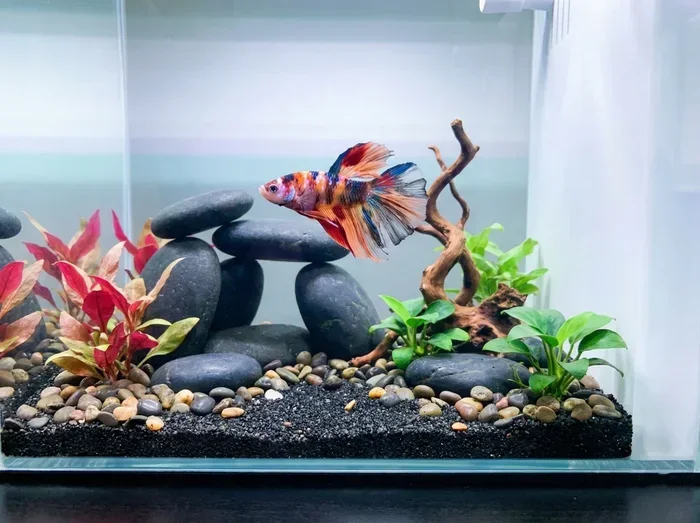
Live plants, driftwood, and ceramic caves let bettas retreat when they feel threatened. A dense planting also breaks line‑of‑sight for aggressive fish.
4.4. Pick Compatible Tank Mates
When you want a community tank, select peaceful, non‑nipping species. Good companions include:
- Small, slow‑moving rasboras
- Harlequin rasboras
- Otocinclus catfish (tiny algae eaters)
- Pea puffer (if you’re experienced and keep it alone)
For more ideas, see what other fish can live with betta fish.
4.5. Feed a Balanced Diet
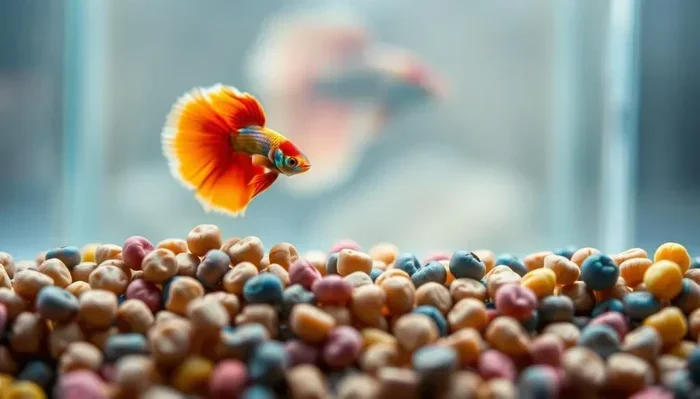
Well‑fed fish are less likely to turn on each other. Offer high‑quality betta pellets, frozen brine shrimp, and occasional daphnia. Learn more about betta nutrition at what does betta fish eat.
4.6. Monitor and Quarantine New Arrivals
Always quarantine new fish for at least two weeks. This prevents hidden diseases that can stress your betta and make it an easy target.
5. What To Do If a Predator Is Already Present
If you notice signs of aggression, act quickly.
5.1. Separate the Betta
Use a breeding box or a temporary tank to give your betta a break. This also lets you observe the aggressor without risking injury.
5.2. Re‑evaluate Tank Mates
Consider removing the offending fish or moving to a larger setup where territories can be clearly defined.
5.3. Treat Any Injuries
Minor fin damage can heal with proper water quality and a diet rich in vitamins. For severe wounds, a mild antibacterial dip (like a short soak in a diluted aquarium salt solution) may help.
5.4. Adjust Decorations
Adding more vertical plants or floating leaves gives bettas extra escape routes.
Conclusion: A Safe Home for a Stunning Fighter
Knowing what fish eats betta fish equips you to create a peaceful aquarium where your betta can display its full glory. By selecting compatible tank mates, providing ample space, and keeping water parameters stable, you reduce the risk of predation dramatically. Remember, a happy betta is a healthy betta—watch its behavior, feed it well, and give it places to hide. With these steps, your betta will continue to be the dazzling centerpiece of your tank for years to come.
Frequently Asked Questions
What fish are most likely to eat a betta?
Large gouramis, aggressive tetras, bigger barbs, and some loaches are the top predators. Even a larger male betta can bite a smaller one.
Can I keep a betta with small tetras?
It’s risky. While small tetras may seem harmless, they can nip at long fins, especially if the betta is stressed or the tank is crowded.
How big should my tank be to keep a betta safe?
At least 5 gallons for a single betta. If you want community fish, add an extra gallon per additional fish to reduce aggression.
What are good hiding spots for bettas?
Live plants, silk plants, small caves, and floating leaf décor give bettas places to retreat from potential predators.
Is it okay to keep a male and female betta together?
No. Even if they appear calm at first, they can become aggressive quickly, and the male may bite the female’s fins.
How can I tell if my betta is being bullied?
Look for torn fins, faded colors, constant hiding, and rapid breathing. These signs often indicate stress from a bully.