Why Does My Betta Fish Swim Against the Glass
Betta fish often press against tank glass for several reasons, from curiosity and territorial behavior to stress and health issues. Understanding these cues helps you create a safer, more comfortable environment and prevents potential problems before they become serious.
Key Takeaways
- Understanding why does my betta fish swim against the glass: Provides essential knowledge
📑 Table of Contents
- Introduction: The Glass‑Bumping Mystery
- 1. Natural Curiosity and Exploration
- 2. Territorial Instincts and “Glass‑Fighting”
- 3. Stress Indicators: When the Glass Becomes a Safety Net
- 4. Health Concerns: When Glass‑Bumping Signals a Problem
- 5. Environmental Adjustments That Reduce Glass‑Bumping
- 6. Observation and Ongoing Care
- Conclusion: Turning Glass‑Bumping Into a Positive Signal
Introduction: The Glass‑Bumping Mystery
Ever caught your betta staring intently at the aquarium wall, then darting forward as if it wants to “talk” to you through the glass? You’re not alone. Many owners ask, why does my betta fish swim against the glass? The answer isn’t always simple, but it’s never hopeless. By learning the reasons behind this behavior, you can turn a puzzling habit into a clear sign that tells you how your fish feels.
In this guide we’ll break down the most common triggers—curiosity, territoriality, stress, and health concerns—while giving you practical, step‑by‑step tips to create a calmer, healthier home for your betta. Whether you’re a first‑time keeper or a seasoned enthusiast, the information here will help you read your fish like a book.
1. Natural Curiosity and Exploration
Why New Tanks Spark Glass‑Bumping
When a betta first moves into a new aquarium, everything is a mystery. The glass acts like a huge, transparent barrier that both hides and reveals the outside world. Your fish may swim toward it simply to explore the “unknown.” This is especially true for younger bettas who are more active.
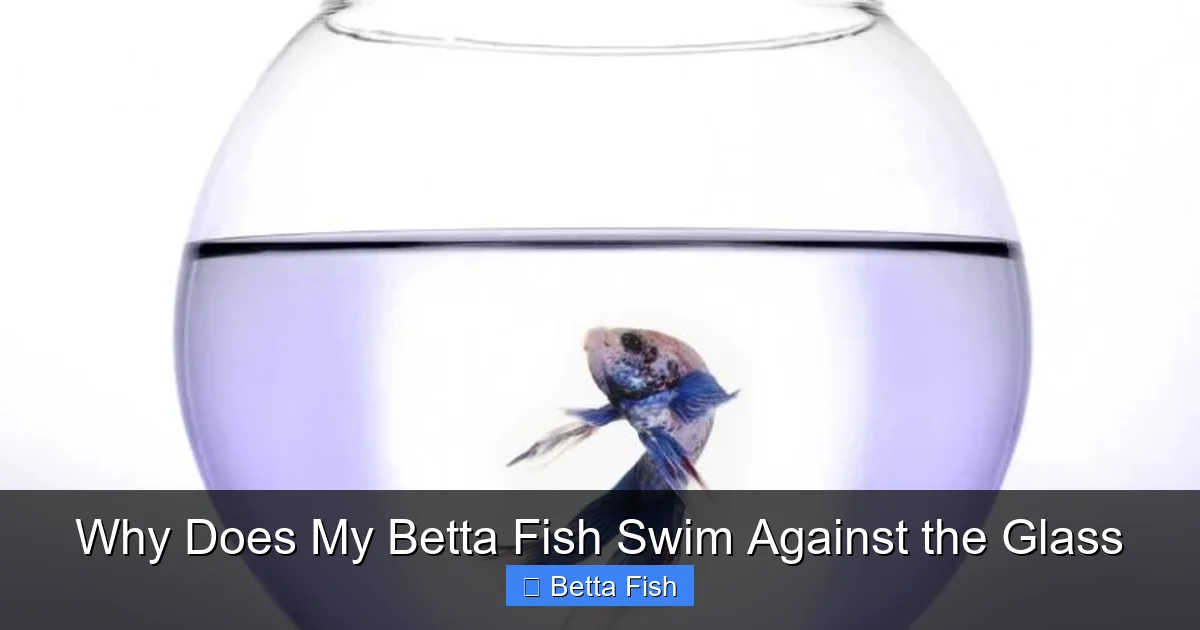
Visual guide about Why Does My Betta Fish Swim Against the Glass
Image source: infishtank.com
How to Satisfy Their Curiosity
- Add visual interest: Place live or silk plants, smooth rocks, and driftwood near the glass. These break up the flat surface and give your betta something to investigate.
- Use background images: A printed aquarium backdrop can reduce the “empty wall” effect and make the fish feel less isolated.
- Rotate decorations: Every few weeks, move objects around. The changing scenery keeps the betta engaged and less likely to repeatedly hit the glass out of boredom.
2. Territorial Instincts and “Glass‑Fighting”
Betta’s Natural Aggression
Betta splendens are famously territorial. In the wild they defend small rice paddies from rivals. In a tank, the glass becomes a perceived boundary. When a betta sees its reflection, it may think another male is staring back, prompting it to “fight” the glass.
Tips to Calm a Territorial Betta
- Cover part of the glass: Use a black background or a piece of decorative acrylic to hide the reflective surface.
- Limit mirror exposure: Avoid placing the tank directly opposite a mirror or shiny wall.
- Provide a “break zone”: Add a floating leaf or a piece of PVC pipe near the glass where the betta can rest without constantly confronting its reflection.
3. Stress Indicators: When the Glass Becomes a Safety Net
Common Stressors That Push Betta Toward the Glass
Stress can manifest as frantic swimming, hiding, or repeatedly bumping the tank wall. Look for these underlying issues:
- Water quality problems: High ammonia, nitrite, or nitrate levels can irritate gills and make a betta seek the surface or glass.
- Temperature fluctuations: Betta fish thrive at 78‑80°F (25‑27°C). Sudden drops or spikes cause discomfort.
- Loud noises or vibrations: Vibrations travel through water; a betta may feel unsafe and press against the glass for reassurance.
- Inadequate hiding places: Without a secure spot, the fish may cling to the glass as a makeshift refuge.
Quick Stress‑Reduction Checklist
- Test water daily for ammonia, nitrite, nitrate, and pH.
- Maintain a stable temperature with a reliable heater.
- Introduce silk plants, caves, or PVC tubes for hiding.
- Place the tank on a stable surface away from loud appliances.
- Perform weekly 20‑30% water changes using conditioned water.
4. Health Concerns: When Glass‑Bumping Signals a Problem
Swim‑Bladder Disease
One of the most common medical reasons a betta swims against the glass is swim‑bladder disease. The organ that helps the fish control buoyancy becomes inflamed or infected, causing erratic swimming and a tendency to “crash” into surfaces.
For a deeper dive on this issue, see our article on how to cure my betta fish swim bladder disease.
Parasites and Infections
External parasites (like Ich) or internal infections can make a betta feel uncomfortable, prompting it to rub against the glass. Look for white spots, frayed fins, or abnormal mucus.
Other Health Red Flags
- Bloated abdomen: May indicate constipation or over‑feeding. (Why does my betta fish look bloated)
- Faded or shredded fins: Could be a sign of fin rot. (Why does my betta fish fins look shredded)
- Color change or whitening: Stress or disease often triggers pigment loss. (Why is my betta fish turning white)
When to Seek Professional Help
If glass‑bumping is constant, accompanied by loss of appetite, floating sideways, or visible lesions, isolate the fish in a hospital tank and contact a veterinarian experienced with fish.
5. Environmental Adjustments That Reduce Glass‑Bumping
Choosing the Right Tank Size
Many beginners keep bettas in 2‑gallon bowls, but a 5‑gallon (or larger) tank provides more swimming space, better water stability, and fewer reasons for the fish to press against walls.
Lighting and Day‑Night Cycles
Betta fish need a regular light schedule—about 10‑12 hours of gentle illumination followed by darkness. Sudden changes can confuse them and increase stress‑related glass contact.
Filtration and Flow
A gentle filter that creates a mild current mimics natural streams and encourages the betta to swim away from the glass. Avoid strong currents that may push the fish into the wall.
Decor and Enrichment
- Use live plants like Java fern or Anubias; they improve water quality and give the betta places to explore.
- Silk or smooth rocks provide texture without tearing delicate fins.
- Floating leaves (real or artificial) create a surface for the betta to rest, reducing the urge to cling to the glass.
6. Observation and Ongoing Care
How to Track the Behavior
Keep a simple log for a week. Note the time of day, water parameters, feeding schedule, and any external disturbances. Patterns often reveal the trigger.
Adjusting Based on Your Findings
If you notice spikes after feeding, try smaller, more frequent meals. If the behavior spikes after a loud event, consider moving the tank to a quieter room.
When to Re‑evaluate the Whole Setup
Sometimes, despite all adjustments, a betta will continue to hit the glass. This may indicate that the current tank isn’t suitable—perhaps the shape is too narrow, or the glass is too reflective. In such cases, consider upgrading to a larger, matte‑finished aquarium.
Conclusion: Turning Glass‑Bumping Into a Positive Signal
Understanding why does my betta fish swim against the glass is more than a curiosity; it’s a window into your pet’s wellbeing. By watching the behavior, checking water quality, providing enrichment, and staying alert for health signs, you can quickly move from worry to action. Most often, a few simple tweaks—better lighting, a larger tank, or a new plant—will calm your betta and keep it thriving.
Remember, a happy betta is an active, colorful fish that explores its world without constantly seeking the glass. Use the tips in this guide, stay observant, and enjoy the vibrant personality of your finned companion for years to come.
Frequently Asked Questions
Why does my betta fish keep hitting the glass?
Common reasons include curiosity, territorial behavior, stress from poor water conditions, or health issues like swim‑bladder disease.
Is it normal for bettas to stare at their reflection?
Yes, bettas often see their reflection as another male and may “fight” the glass. Reducing reflections with a dark background can help.
Can water temperature cause glass‑bumping?
Absolutely. Sudden temperature changes stress bettas. Keep the tank at a steady 78‑80°F (25‑27°C) with a reliable heater.
How often should I change the water to prevent stress?
A 20‑30% water change weekly, along with regular testing, keeps ammonia and nitrate levels low and reduces stress.
What signs show that the behavior is health‑related?
Look for loss of appetite, floating sideways, faded colors, bloating, or frayed fins alongside the glass‑bumping.
Should I move my betta to a larger tank?
If the tank is under 5 gallons, upgrading provides more space, better water stability, and often reduces the urge to press against the glass.