Is Old or Fresh Fish Sauce Better
Fresh fish sauce offers a brighter, cleaner taste and higher nutrient levels, while old fish sauce brings deeper umami and complexity. Both have unique benefits depending on how you use them in the kitchen. Understanding the differences helps you choose the right bottle for your meals.
Fish sauce has been a kitchen staple for thousands of years. It adds depth, saltiness, and a unique savory punch to dishes around the world. But when you reach for the bottle, you might wonder: is old or fresh fish sauce better?
The answer is not as simple as you might think. Both old fish sauce and fresh fish sauce have their own strengths. The right choice depends on what you are cooking, your taste preferences, and even your health goals. In this guide, we will break down everything you need to know about fish sauce quality, flavor, and freshness.
Fish sauce is made from fish that has been fermented with salt over time. The fermentation process creates a bold, salty liquid packed with flavor. Some people love the sharp bite of a newly opened bottle. Others prefer the mellow depth that comes with age. Let us explore what makes each one special and how to choose the best fish sauce for your kitchen.
Key Takeaways
- Fresh fish sauce tastes lighter and more vibrant, making it ideal for dipping and finishing dishes.
- Old fish sauce has a richer, more complex flavor that works well in cooking and marinades.
- Freshness affects nutrition, with newer sauces retaining more of their natural amino acids.
- Proper storage can extend the life of fish sauce and maintain its quality for months.
- Smell and color are the best quick indicators of whether your fish sauce is still good.
- Both old and fresh fish sauce have a place in a well-stocked kitchen.
📑 Table of Contents
What Is Fish Sauce and How Does It Age?
To understand whether old or fresh fish sauce is better, you first need to know what fish sauce is and how it changes over time. Fish sauce is a condiment made by fermenting fish with salt for months or even years. This process breaks down the fish proteins into amino acids, creating that signature savory taste known as umami.
The fish sauce condiment has roots in Southeast Asian cuisine, where it has been used for centuries. Countries like Thailand, Vietnam, and the Philippines all have their own beloved versions. Each region has its own traditions for how long to ferment the sauce and what type of fish to use. These traditions directly affect whether the final product tastes fresh or aged.
The Fermentation Process
The journey of fish sauce starts with small fish like anchovies, krill, or mackerel. These fish are mixed with salt and left to ferment in large barrels. During fermentation, natural enzymes and bacteria break down the fish flesh into a liquid. This liquid is then pressed, filtered, and bottled. The length of fermentation determines whether the result is a fresh fish sauce or an old fish sauce.
Short fermentation periods, typically a few months, produce a lighter, more pungent sauce. The fish sauce retains a sharp, bold character that hits your palate immediately. Long fermentation, which can last one to three years or more, creates a darker, smoother liquid with complex layered flavors. Both are considered quality fish sauce, but they serve very different purposes in the kitchen.
What Happens as Fish Sauce Ages?
As fish sauce ages, several changes occur naturally. The flavor becomes milder and more rounded. The color deepens from a light amber to a dark brown. The aroma shifts from a sharp, almost harsh smell to a smoother, more pleasant scent. These changes are the result of continued chemical breakdown of proteins and fats in the sauce.
However, there is an important distinction to make. There is a difference between naturally aged fish sauce and sauce that has simply been sitting on a shelf too long. Properly aged fish sauce develops complexity and depth. Sauce that has gone past its prime loses its appeal and can even become unpleasant to use. Knowing this distinction is key to getting the most out of your bottle every time you cook.
Fresh Fish Sauce: What Makes It Special?
Fresh fish sauce refers to sauce that has been recently produced or has undergone shorter fermentation. It has a bright, bold character that many cooks love. If you have ever opened a new bottle of fish sauce and been hit by its strong aroma, that is the fresh version at work. The punch is immediate and unmistakable.
Flavor and Taste Profile
The flavor of fresh fish sauce is sharp, salty, and slightly sweet. It has a punchy umami quality that can elevate a dish instantly. Because it is less processed by time, the fish sauce retains more of its original ingredients’ character. This makes it a great choice when you want a clear, direct burst of savory flavor in your cooking.
Fresh fish sauce works beautifully in dipping sauces, salad dressings, and quick marinades. It adds a bright note that complements fresh ingredients like lime juice, garlic, and chili. When you want your fish sauce to shine as a starring flavor rather than a background note, freshness matters. The sauce should be noticeable on the palate, giving your dish a distinct identity.
When to Use Fresh Fish Sauce
Use fresh fish sauce when the sauce itself should be a noticeable part of the dish. Thai dipping sauces like nam pla jim rely on the bright quality of a younger sauce. Vietnamese spring roll dipping sauce also benefits from the vibrant punch that only fresh fish sauce can provide. Quick marinades for grilled meats or vegetables are another perfect use case.
Think of fresh fish sauce like a bright white wine in cooking. It adds a crisp, defined note that stands out. If your recipe calls for the fish sauce to be a front-and-center ingredient, reach for the fresher bottle. The fish sauce quality is at its peak when it is young and vibrant. You will taste the difference in every drop.
Old Fish Sauce: The Benefits of Age
Old fish sauce has been fermented for a longer period or has been aged in the bottle over time. This does not mean it is expired or bad. In fact, many of the world’s most prized fish sauce brands rely on extended aging to develop their signature depth. Think of old fish sauce like a fine wine that gets better with time. The aging process transforms the flavor in remarkable ways.
Deeper Flavor and Umami
The biggest advantage of old fish sauce is its depth of flavor. Over time, the amino acids in the sauce continue to develop and interact. This creates a richer, more complex umami taste that is hard to replicate with fresh sauce. Old fish sauce has a mellow saltiness that blends seamlessly into cooked dishes without overpowering them.
When you use old fish sauce in a stir-fry, soup, or curry, it melds into the background. It does not demand attention. Instead, it supports all the other ingredients with a subtle, layered savoriness. This is why many experienced cooks prefer reaching for an aged bottle when building complex flavor profiles. The sauce becomes a foundation rather than a highlight.
Culinary Uses for Aged Fish Sauce
Old fish sauce excels in long-cooked dishes. Stews, braised meats, and slow-simmered soups benefit from the mellow quality that comes with age. The sauce has time to integrate with other ingredients and create a harmonious base flavor that ties everything together. Many traditional recipes from Thailand and Vietnam specifically call for aged fish sauce for this reason.
You can also use old fish sauce in marinades for grilled or roasted meats. The deeper flavor penetrates the protein more effectively than a sharper, fresher sauce might. Some creative cooks even use a small splash of aged fish sauce in caramel or dessert recipes to add an unexpected savory twist. The possibilities are wider than you might think.
If you compare fish sauce to other fermented products, you will find a similar pattern. For example, people often debate whether fish oil versus omega 3 supplements are better, and the answer often comes down to processing and age. The same principle applies here. Aged or long-processed versions often have more developed flavors and benefits. The aging process is not a flaw; it is a feature that adds value.
Flavor and Aroma Comparison
Comparing old fish sauce and fresh fish sauce side by side reveals clear and noticeable differences. These differences affect how you use each type in your cooking. Let us break down the key comparison points so you can make an informed choice.
Color Differences
Fresh fish sauce typically has a lighter color. It ranges from a pale gold to a light amber shade. Old fish sauce tends to be darker, often a deep brown or rich mahogany. The color change is a natural result of the fermentation and aging process. It is one of the first things you will notice when comparing the two side by side.
When you pour fresh fish sauce, it should look clear and bright with a golden hue. If your fish sauce has turned very dark or murky, it may be past its prime. However, a naturally dark color from long aging is perfectly normal and often a sign of quality fish sauce. Always check the smell and taste before discarding based on color alone.
Smell and Consistency
The aroma is where the differences between the two are most noticeable. Fresh fish sauce has a strong, pungent smell. It can be almost sharp or intense when you first open the bottle. Old fish sauce smells smoother and more rounded. The harsh, pungent notes have softened over time into a more pleasant, earthy aroma.
In terms of consistency, fresh fish sauce tends to be slightly thinner and more watery. Old fish sauce may be a bit thicker due to the continued breakdown of proteins over time. Both textures are completely normal. If your fish sauce becomes overly thick, sticky, or develops a strange texture, it might be time to replace the bottle.
| Feature | Fresh Fish Sauce | Old Fish Sauce |
|---|---|---|
| Color | Light gold to amber | Dark brown to mahogany |
| Aroma | Sharp, pungent | Smooth, mellow |
| Consistency | Thinner, lighter | Thicker, richer |
| Flavor | Bright, salty, punchy | Deep, complex, rounded |
| Best Used In | Dips, dressings, finishing | Stews, marinades, braises |
| Shelf Life | Shorter peak window | Longer, develops over time |
Health Benefits: Which One Wins?
When it comes to health, both old fish sauce and fresh fish sauce offer benefits. But the nutritional profile shifts slightly as the sauce ages. Understanding these differences can help you choose the best option for your health goals and dietary needs.
Nutritional Content
Fresh fish sauce tends to retain more of the original nutrients from the fish. This includes higher levels of certain vitamins and minerals that can degrade over time. If you are looking for a quick nutritional boost from your fish sauce, the fresher option may offer slightly more of these natural compounds.
However, the difference is not dramatic. Both types of fish sauce provide sodium, which is essential in small amounts for bodily functions like nerve signaling and fluid balance. They also contain trace amounts of protein from the fish source. The fish sauce ingredients remain largely the same regardless of age. Neither option is a major source of calories or macronutrients.
Amino Acids and Protein
The fermentation process in fish sauce breaks down fish proteins into free amino acids. These amino acids are what give fish sauce its umami taste. Over time, more proteins break down in old fish sauce, which means it may contain a higher concentration of free amino acids than fresh sauce.
Some research suggests that longer fermentation can increase the bioavailability of these amino acids. This means your body may absorb them more easily from aged fish sauce. If you are interested in the amino acid content of your condiments, you might find that old fish sauce has a slight nutritional edge. The extended fermentation essentially pre-digests the proteins for you.
For comparison, people often ask whether fish oil supplements are better than other options like fish oil compared to krill oil. The same principle applies: the processing method and age affect the final nutritional profile. In both cases, quality matters more than simply being new or old. Always look for reputable fish sauce brands that use quality ingredients and proper fermentation methods.
How to Store Fish Sauce Properly
Proper storage can make a big difference in how long your fish sauce stays fresh and flavorful. Whether you have a bottle of fresh fish sauce or a prized bottle of old fish sauce, how you store it matters more than most people realize.
Shelf Life Tips
Most fish sauce brands recommend using the bottle within one to two years of opening. An unopened bottle can last much longer, sometimes three to four years or even more. However, the flavor quality may decline after the peak window. Always check the expiration date on the label before purchasing.
To extend the fish sauce shelf life, keep the bottle tightly sealed when not in use. Oxygen exposure can speed up degradation and change the fish sauce flavor over time. If you only use fish sauce occasionally, consider transferring a small amount to a separate container and keeping the main bottle sealed tightly. This reduces the amount of air inside the original bottle.
Common Storage Mistakes
One of the biggest mistakes is storing fish sauce near heat sources. Stoves, ovens, and direct sunlight can all degrade the quality of the sauce. The heat accelerates chemical changes that can ruin the fish sauce aroma and flavor quickly. Always store your bottle in a cool, dark place like a pantry or cupboard.
Another mistake is not refrigerating the sauce after opening. While fish sauce does not strictly need refrigeration before opening, it benefits from being stored in the fridge once the seal is broken. Cold temperatures slow down the aging process and help preserve the fish sauce quality for longer. This is especially important for fresh fish sauce, which has a shorter peak window.
Also, avoid using wet utensils to scoop fish sauce from the bottle. Introducing moisture can promote bacterial growth and spoilage. Always use a clean, dry spoon or pour directly into your dish. These small habits can significantly extend the usable life of your fish sauce and keep it tasting great.
How to Tell If Fish Sauce Has Gone Bad
Even with proper storage, fish sauce can eventually go bad. Knowing the signs of spoiled fish sauce helps you avoid using it in your cooking and keeps your meals tasting great every time.
The first sign is a change in smell. Fresh fish sauce should smell pungent but not rotten. If your fish sauce gives off a harsh, ammonia-like odor, it has likely gone bad. A truly expired bottle may also smell sour or off in a way that is clearly different from its normal aroma. Trust your nose; it is one of the best tools you have.
Look at the fish sauce color as well. If it has turned very dark or developed an unusual hue, that is a warning sign. Mold growth on the surface or inside the bottle is another clear indication that the fish sauce should be discarded immediately. Do not try to salvage it by scooping off the mold.
Taste is your final check. If the fish sauce tastes overwhelmingly bitter or has no flavor at all, it has lost its quality. Good fish sauce should taste salty, savory, and slightly sweet with a pleasant umami finish. When in doubt, it is safer to replace the bottle than to risk affecting the flavor of your dish.
Conclusion
So, is old or fresh fish sauce better? The truth is, both have a valuable place in your kitchen. Fresh fish sauce brings brightness, punchy flavor, and a clean umami hit that works wonders in dips, dressings, and finishing dishes. Old fish sauce offers depth, complexity, and a mellow richness that elevates long-cooked meals, stews, and marinades.
The best approach is to keep both types on hand if you can. Use fresh fish sauce when you want a bold, defined flavor that stands out. Reach for old fish sauce when you are building layered, slow-cooked dishes where the sauce needs to blend into the background. Pay attention to storage, watch for signs of spoilage, and always trust your senses when judging the quality of your fish sauce.
Ultimately, the best fish sauce is the one that suits your cooking style and tastes delicious to you. Experiment with both old and fresh options in your favorite recipes. Your palate will guide you to the right choice every time. Start today and enjoy the difference that quality fish sauce makes in your cooking.
Frequently Asked Questions
Can old fish sauce make you sick?
Generally, no. Naturally aged fish sauce is safe to eat and is a staple in many cuisines worldwide. However, if the fish sauce has been stored improperly or has passed its expiration date by a long time, it can spoil and cause stomach discomfort. Always check the smell and taste before using.
How long does fish sauce last after opening?
Most fish sauce brands last one to two years after opening when stored properly in a cool, dark place or the refrigerator. The fish sauce quality is best within the first year. After that, the flavor may start to fade or change, so use your senses to check before each use.
Does fish sauce need to be refrigerated?
Fish sauce does not strictly need refrigeration before opening because the high salt content acts as a natural preservative. However, refrigerating the bottle after opening is recommended. Cold storage slows down flavor changes and helps maintain the fish sauce quality for a longer period.
What is the difference between fish sauce and soy sauce?
Fish sauce is made from fermented fish and salt, while soy sauce is made from fermented soybeans, wheat, and salt. Fish sauce has a more pungent aroma and a distinct umami flavor from the fish proteins. Soy sauce tends to be milder and slightly sweeter. Both are essential condiments but they bring different qualities to a dish.
Can you use expired fish sauce?
If the fish sauce is only slightly past its expiration date and shows no signs of spoilage, it is likely still safe to use. Check the smell, color, and taste first. If it smells rotten, looks very dark or murky, or tastes bitter, discard it. Always prioritize safety when using any condiment past its date.
Which fish sauce brands are known for quality?
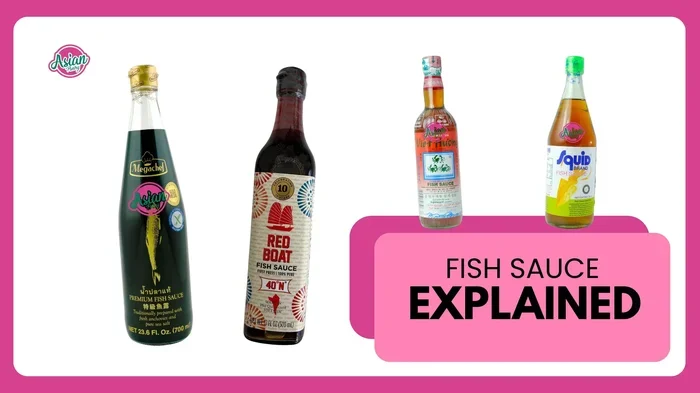
Popular quality fish sauce brands include Red Boat, Squid, Tiparos, and Megachef. These brands are known for using traditional fermentation methods and quality fish sauce ingredients. Look for brands that list fish and salt as the only ingredients for the purest and most authentic flavor.