Should Betta Fish Be in a Small Bowl

Betta fish deserve more than a tiny bowl; a proper tank with space, filtration, and stable temperature promotes health and vibrant colors. Learn the risks of small containers and easy steps to create a safe, enjoyable home for your betta.
Key Takeaways
- Space matters: A minimum of 5 gallons gives bettas room to swim and reduces stress.
- Water quality is critical: Small bowls heat up quickly and waste builds up fast, leading to disease.
- Temperature stability: Betta fish need 76‑82°F; heaters are essential in anything under 10 gallons.
- Enrichment improves health: Plants, caves, and gentle flow keep bettas active and prevent fin rot.
- Regular maintenance: Weekly water changes of 25‑30 % and proper filtration extend lifespan.
- Cost‑effective upgrades: A 5‑gallon tank with a simple filter costs less than a fancy bowl set‑up over time.
- Ethical responsibility: Providing adequate space respects the betta’s natural behavior and reduces mortality.
📑 Table of Contents
- Introduction: The Allure of the Tiny Bowl
- Why Size Really Does Matter
- Common Misconceptions About “Betta Bowls”
- Setting Up the Ideal Betta Habitat
- Practical Tips for Transitioning from a Bowl to a Tank
- Cost‑Effective Alternatives to a Full‑Size Tank
- Conclusion: Making the Right Choice for Your Betta
Introduction: The Allure of the Tiny Bowl
When you first see a betta fish swimming in a tiny glass bowl, it looks elegant and low‑maintenance. The bright fins flutter, and the whole setup seems perfect for a college dorm or a busy office desk. Many new owners ask, should betta fish be in a small bowl? The short answer is no, but the story behind that answer is worth exploring.
Betta fish, also known as Siamese fighting fish, are native to shallow rice paddies and slow‑moving streams in Southeast Asia. In the wild they enjoy warm, oxygen‑rich water with plenty of hiding spots. A cramped bowl cannot replicate those conditions, and over time the fish can become stressed, sick, and short‑lived. In this guide we’ll break down why a small bowl is a problem, what the ideal environment looks like, and practical steps you can take right now to give your betta the best possible home.
Why Size Really Does Matter
Natural behavior and swimming space
Betta fish are active swimmers. Even though they can survive in smaller containers for a short period, they need room to explore, display their fins, and chase reflections. A bowl that holds less than 2 gallons restricts this natural movement, leading to muscle atrophy and dull coloration.
Water volume and toxin dilution
In a small bowl, every ounce of waste—ammonia, nitrite, and nitrate—concentrates quickly. Without filtration, toxins can reach harmful levels within days. Larger tanks dilute waste, giving beneficial bacteria more room to break down harmful compounds. This is why many experts recommend a minimum of 5 gallons for a single betta.
Temperature stability
Betta fish thrive at 76‑82°F (24‑28°C). Small bowls heat up and cool down rapidly, especially in rooms with fluctuating temperatures. A heater that works well in a 5‑gallon tank may be useless in a 1‑gallon bowl. For details on ideal temperature, see What Temperature Should Water Be For A Betta Fish.
Common Misconceptions About “Betta Bowls”
“Betta fish can breathe air, so they don’t need oxygen‑rich water.”
While bettas have a labyrinth organ that lets them gulp air, they still require dissolved oxygen for proper metabolism. A bowl without surface agitation often has low oxygen levels, especially when the water is warm.
Visual guide about Should Betta Fish Be in a Small Bowl
Image source: iee.psu.edu
“A bowl looks prettier and saves space.”
Aesthetics are important, but a beautiful bowl that shortens a betta’s life isn’t worth it. A clear 5‑gallon tank with a simple background and live plants can be just as attractive and far healthier.
“Bowl water changes are easy, so maintenance isn’t a problem.”
Frequent water changes (up to 50 % daily) are needed in a tiny bowl to keep parameters stable. This is time‑consuming and stressful for the fish. A properly filtered tank reduces the frequency to once a week.
Setting Up the Ideal Betta Habitat
Choosing the right tank size
Start with a tank that holds at least 5 gallons (about 19 liters). This size provides enough water volume for stable parameters and gives your betta room to explore. If you have space, a 10‑gallon tank offers even more flexibility for live plants and decorative items.
Visual guide about Should Betta Fish Be in a Small Bowl
Image source: phukiengiaphat.vn
Filtration and flow
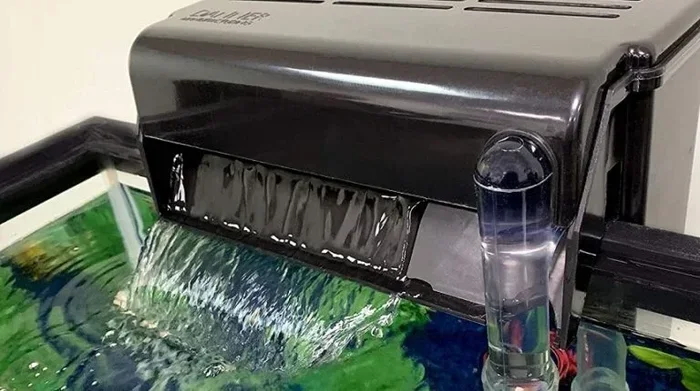
Betta fish prefer gentle water movement. A low‑flow sponge filter or a hang‑on‑back filter with a “bypass” setting works well. The filter not only removes waste but also promotes the growth of beneficial bacteria.
Heating
Invest in an adjustable aquarium heater rated for the tank size. Set it to maintain a steady 78°F (25.5°C). Use a reliable thermometer to double‑check the temperature daily.
Substrate and décor
- Substrate: Fine sand or smooth gravel mimics natural riverbeds. Rinse it thoroughly before adding it to the tank.
- Plants: Live plants such as Java fern, Anubias, or Marimo moss provide hiding spots and improve water quality.
- Caves and ornaments: Small caves, driftwood, or smooth rocks give your betta places to rest and explore. Avoid sharp edges that could tear fins.
Lighting
Provide 8‑10 hours of gentle light each day. A LED fixture with a dimming option works well and helps prevent algae overgrowth.
Water changes and maintenance
Perform a 25‑30 % water change weekly. Use a water conditioner to remove chlorine and chloramines. Test water parameters regularly (ammonia, nitrite, nitrate, pH) to catch issues early.
Practical Tips for Transitioning from a Bowl to a Tank
Acclimation process
1. Float the bag containing your betta in the new tank for 15 minutes to equalize temperature.
2. Add a small cup of tank water to the bag every 5 minutes for 30 minutes.
3. Gently net the fish and release it into the tank, avoiding direct pouring which can stress the fish.
Cleaning the old bowl
Even if you’re moving to a tank, clean the old bowl thoroughly. Use a mild solution of vinegar and water, rinse well, and let it dry before reuse or recycling.
Monitoring behavior
Watch for signs of stress: faded colors, clamped fins, or rapid breathing at the surface. If any appear, check water quality and temperature immediately.
Cost‑Effective Alternatives to a Full‑Size Tank
Mini‑tanks with built‑in filtration
There are compact, 2‑gallon tanks that come with built‑in filtration and heating kits. While still larger than a traditional bowl, they provide better water quality and are easier to fit on a desk.
DIY tank upgrades
Use a clear acrylic container (5 gallons) with a simple sponge filter and a submersible heater. This setup can be assembled for under $50 and offers a big upgrade over a glass bowl.
Conclusion: Making the Right Choice for Your Betta
Answering the question “should betta fish be in a small bowl?” leads us to a clear verdict: no, a small bowl is not a suitable long‑term home. Betta fish thrive when they have space to swim, stable water conditions, and enrichment that mimics their natural habitat. By upgrading to a properly sized tank, adding gentle filtration, and maintaining consistent temperature, you give your betta a vibrant, healthy life.
Remember, the extra effort and modest cost of a proper tank pay off in a longer‑lived, more colorful companion. Your betta will thank you with bold fin displays, active swimming, and a lifespan that can exceed three years—far beyond the few weeks many experience in a cramped bowl.
Frequently Asked Questions
Can a betta survive in a bowl if I change the water daily?
Daily water changes can temporarily keep parameters stable, but the stress of constant handling and temperature fluctuations often leads to health problems.
Do bettas need a heater in a 5‑gallon tank?
Yes. Betta fish require water between 76‑82°F. A reliable heater ensures temperature stays within this range.
Is a filter necessary for a betta tank?
While bettas can live without a filter, a gentle filter greatly improves water quality and reduces the need for frequent large water changes.
What size tank is the minimum for a single betta?
The recommended minimum is 5 gallons, which provides enough water volume for stable chemistry and space to swim.
Can I keep live plants with my betta?
Absolutely. Live plants improve water quality, offer hiding spots, and create a more natural environment.
How often should I feed my betta?
Feed small amounts 2‑3 times a day, offering only what the fish can eat in 2‑3 minutes. Overfeeding leads to water fouling.