Betta fish are active consumers that rely on a varied diet of proteins, insects, and specially formulated pellets. Understanding their natural feeding habits helps you choose the right foods, avoid common mistakes, and keep your betta thriving.
Key Takeaways
- Betta fish are carnivorous consumers: they need protein‑rich foods to stay healthy.
- Live and frozen foods mimic wild prey: they boost color and boost immune health.
- High‑quality pellets are a convenient staple: choose ones with real fish protein.
- Over‑feeding is a common problem: feed small amounts 2 times daily.
- Water quality ties directly to diet: uneaten food can foul the tank.
- Seasonal and age‑specific needs: fry need tiny foods, adults need varied nutrition.
- Proper feeding supports natural behavior: it reduces stress and aggressive displays.
📑 Table of Contents
- Introduction: Why the Question “Are Betta Fish Consumers?” Matters
- 1. The Natural Diet: What Betta Fish Eat in the Wild
- 2. Translating Wild Food to the Home Aquarium
- 3. How Much Should You Feed? Understanding Portion Sizes
- 4. Common Feeding Mistakes and How to Fix Them
- 5. Enhancing Your Betta’s Diet with Supplements and Enrichment
- 6. Frequently Asked Questions About Betta Feeding
- Conclusion: Feeding Your Betta the Right Way
Introduction: Why the Question “Are Betta Fish Consumers?” Matters
If you’ve ever watched a betta flare its fins and wondered what fuels that spectacular display, you’ve probably asked yourself, “are betta fish consumers?” The short answer is yes – they are active consumers that need a protein‑rich diet to thrive. But the deeper answer involves understanding their wild origins, natural hunting instincts, and how modern aquarium feeding can either support or sabotage their health.
In this article we’ll explore exactly what betta fish eat in the wild, how that translates to the foods you can buy today, and practical tips for feeding a healthy, happy betta. We’ll also bust common myths, such as the belief that bettas can survive on flake food alone, and show you how to spot signs that your betta’s diet needs a tweak.
1. The Natural Diet: What Betta Fish Eat in the Wild
1.1. Habitat and Hunting Style
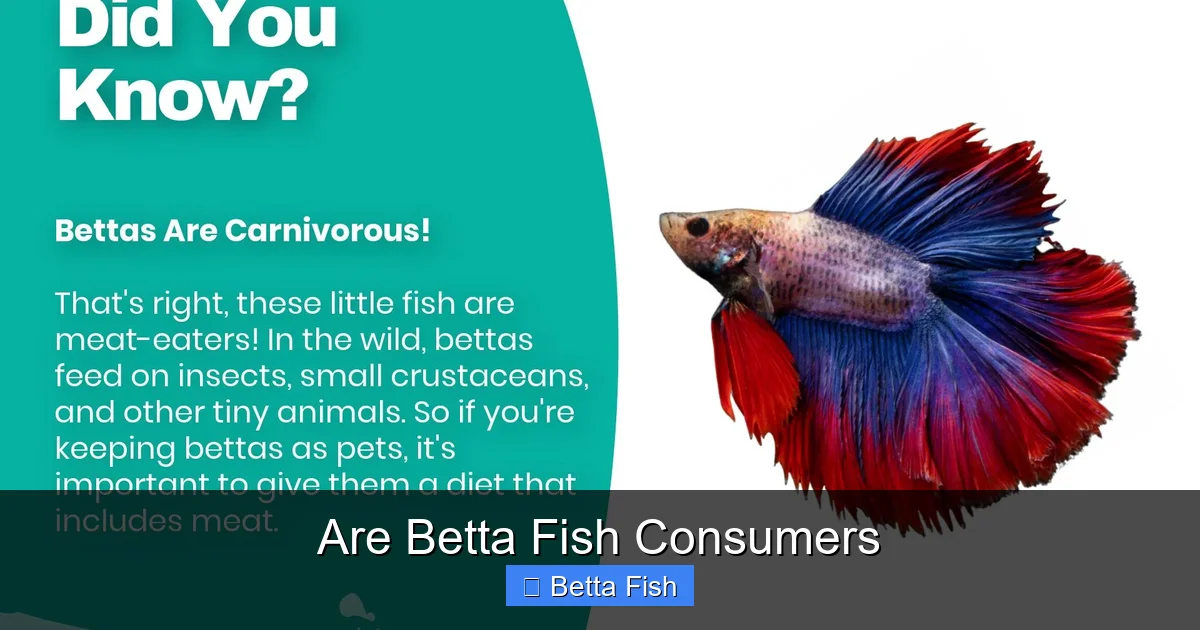
Betta fish (Betta splendens) are native to the shallow, slow‑moving waters of Thailand, Cambodia, and Malaysia. These habitats are teeming with tiny insects, mosquito larvae, and small crustaceans. In the wild, bettas are ambush predators – they hide among roots and plants, then snap at unsuspecting prey.
Visual guide about Are Betta Fish Consumers
Image source: majesticfins.com
1.2. Primary Food Sources
- Insect larvae: mosquito, midge, and fly larvae make up the bulk of their diet.
- Small crustaceans: daphnia, brine shrimp, and tiny shrimp provide essential chitin and calcium.
- Micro‑worms: these soft, protein‑dense worms are a favorite for fry and adult bettas alike.
Because they are carnivorous consumers, bettas have a short digestive tract optimized for protein digestion. Plant matter is largely indigestible for them, which is why they thrive on a meat‑based diet.
2. Translating Wild Food to the Home Aquarium
2.1. Commercial Pellets: The Everyday Staple
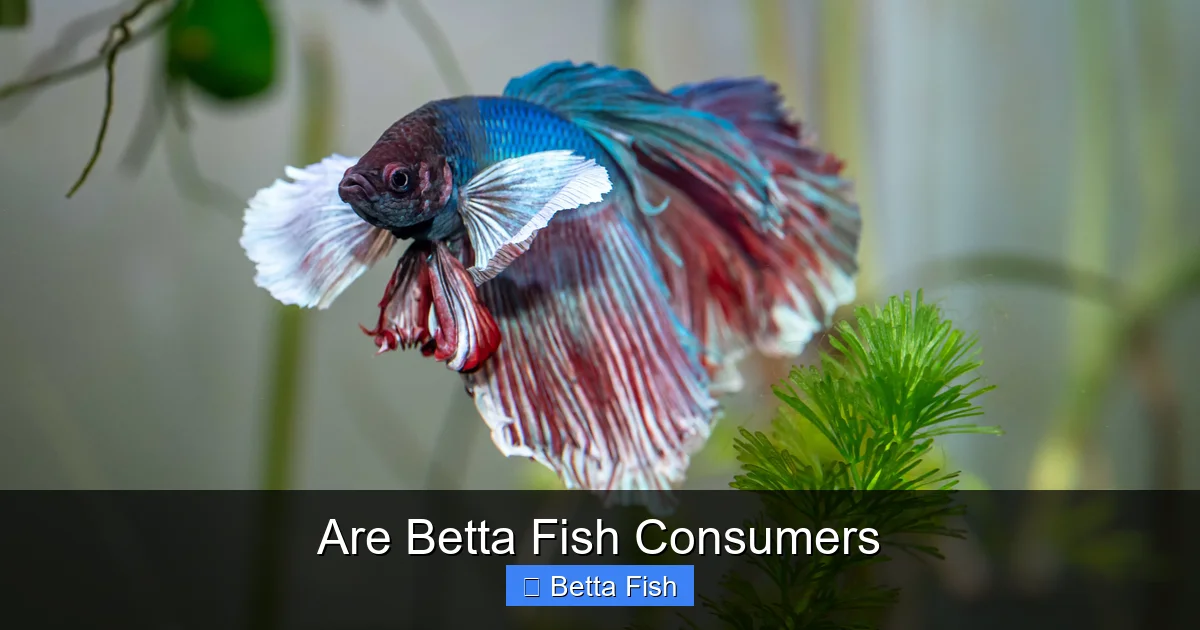
High‑quality betta pellets are formulated to mimic the protein profile of wild prey. Look for pellets that list “fish meal,” “shrimp meal,” or “insect protein” among the first ingredients. These pellets dissolve slowly, allowing bettas to nibble without gulping large pieces that could cause choking.
Visual guide about Are Betta Fish Consumers
Image source: worldanimalprotection.us
2.2. Live and Frozen Options
Live foods such as brine shrimp (Artemia) and mosquito larvae are the closest match to wild meals. Frozen options—bloodworms, daphnia, and microworms—retain most of the nutritional value and are safer from parasites.
Feeding live or frozen foods a few times a week not only provides variety but also stimulates natural hunting behavior, which can reduce stress and aggressive flaring.
3. How Much Should You Feed? Understanding Portion Sizes
3.1. The Two‑Meal Rule
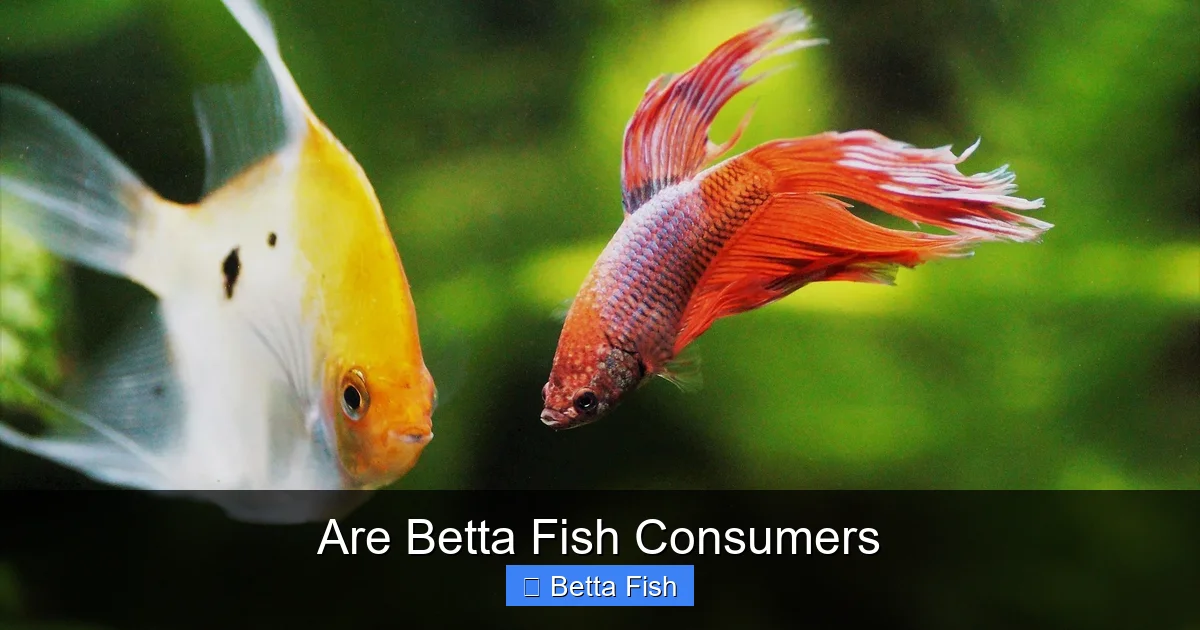
Most adult bettas do well with two small feedings per day. A good rule of thumb is to offer an amount they can consume in 2–3 minutes. If food remains after this time, remove it to keep water quality high.
Visual guide about Are Betta Fish Consumers
Image source: peta.org
3.2. Adjusting for Age and Activity
- Fry: feed 3–4 times daily with micro‑worms or specialized fry foods.
- Adults: 2× daily with pellets; supplement 2–3 times weekly with live/frozen treats.
- Senior bettas: may eat less; monitor appetite and adjust portions accordingly.
3.3. Avoiding Over‑Feeding
Over‑feeding leads to cloudy water, excess waste, and obesity—conditions that can impair a betta’s ability to flare and swim. Keep a feeding log for the first month to gauge how much your fish actually needs.
4. Common Feeding Mistakes and How to Fix Them
4.1. Relying Solely on Flake Food
Flake food is often low in protein and high in fillers, which can leave bettas nutritionally deficient. If you must use flakes, choose a high‑protein, betta‑specific formula and pair it with pellets.
4.2. Ignoring Water Quality
Uneaten food decays quickly, raising ammonia and nitrite levels. Perform weekly water changes (25‑30%) and use a gentle siphon to remove leftover bits.
4.3. Feeding the Wrong Size
Pellets that are too large can be difficult for a betta’s small mouth. Opt for 2‑mm pellets for juveniles and 3‑mm for adults.
5. Enhancing Your Betta’s Diet with Supplements and Enrichment
5.1. Vitamin and Mineral Boosters
Occasional use of a vitamin supplement (once a week) can improve color vibrancy and immune response, especially during breeding season.
5.2. Natural Enrichment
Adding a small piece of live plant or a floating leaf gives your betta a place to rest and can encourage natural foraging. For more ideas, see our guide on which live plants are good for betta fish.
5.3. Feeding Tools
Use a feeding tongs or a small syringe for precise portion control, especially when offering live or frozen foods.
6. Frequently Asked Questions About Betta Feeding
Are betta fish omnivores or strict carnivores?
Betta fish are strict carnivores; they require animal protein to thrive and cannot digest plant matter efficiently.
Can bettas eat human food like boiled egg or shrimp?
Occasionally, a tiny piece of boiled shrimp can be a treat, but it should never replace a balanced, protein‑rich diet.
How do I know if my betta is getting enough food?
If your betta maintains a healthy weight, has bright colors, and displays normal activity, the diet is likely adequate. Sudden weight loss or dull coloration signals a problem.
Do bettas need a fasting day?
Most experts recommend a “fast day” once a week to clear the digestive tract and prevent constipation.
What’s the best way to store live foods?
Keep live foods in a separate container with aerated water, and use them within 24‑48 hours for maximum nutritional value.
Are betta fish consumers of algae?
While bettas may nibble on soft algae, it does not meet their protein needs and should not be considered a primary food source.
Conclusion: Feeding Your Betta the Right Way
Answering the question “are betta fish consumers?” leads us to a clear conclusion: yes, they are active, protein‑driven consumers that thrive on a diet resembling what they would catch in the wild. By providing high‑quality pellets, supplementing with live or frozen foods, and paying close attention to portion sizes, you give your betta the tools it needs to display its brilliant colors, flare its fins confidently, and live a long, healthy life.
Remember, good feeding practices go hand‑in‑hand with clean water and a stimulating environment. For more insight into betta behavior, check out are betta fish nocturnal and are betta fish easy to care for. With the right knowledge and a bit of love, you’ll quickly see why bettas are such rewarding companions.
Frequently Asked Questions
Are betta fish strictly carnivorous?
Yes, betta fish are strict carnivores and need animal‑based protein to stay healthy.
Can I feed my betta only pellet food?
Pellets can be the main staple, but adding occasional live or frozen foods improves color and mimics natural hunting.
How often should I feed my betta?
Two small feedings per day are ideal for adults; fry need three to four feedings.
What signs show my betta is under‑fed?
Look for thin body condition, dull coloration, and reduced activity.
Is over‑feeding harmful?
Yes, it can cause obesity, poor water quality, and increased risk of disease.
Do bettas need supplements?
Occasional vitamin or mineral boosters can enhance color and immunity, especially during breeding.

