How Many Pellets to Give a Betta Fish
Knowing how many pellets to give a betta fish is one of the most important parts of betta care. Most bettas need 2 to 3 pellets per meal, twice a day, but factors like fish size, pellet brand, and activity level can change the exact amount. This guide walks you through everything you need to feed your betta the right way.
Key Takeaways
- Standard Portion: Most betta fish should eat 2 to 3 pellets per feeding, depending on the brand and size of the pellet.
- Feed Twice a Day: A consistent feeding schedule helps maintain your betta’s health and prevents overfeeding.
- Watch for Overfeeding Signs: Bloating, constipation, and cloudy water are clear signals you are giving too many pellets.
- Not All Pellets Are Equal: Different brands vary in size and nutritional content, so adjust portions accordingly.
- Variety Matters: Supplement pellets with bloodworms, brine shrimp, or blanched peas for a balanced diet.
- Fasting Helps: Skipping one meal per week supports digestion and reduces the risk of swim bladder issues.
📑 Table of Contents
How Many Pellets to Give a Betta Fish
If you own a betta fish, you have probably stood in front of the fish tank wondering, “How many pellets should I actually drop in here?” It is a question almost every betta owner asks at some point. The answer is simpler than you think, but it does depend on a few key factors.
Feeding your betta the right number of pellets keeps them healthy, active, and colorful. Too few pellets, and your fish might not get enough nutrition. Too many, and you risk serious health problems like bloating, constipation, and dirty tank water. Finding the sweet spot matters more than most people realize.
In this guide, we will break down the exact number of pellets your betta needs at every meal. We will also cover how often to feed, which pellets work best, and the most common feeding mistakes to avoid. By the end, you will feel confident about every feeding session.
Why Pellet Feeding Matters for Betta Fish
Betta fish are carnivores by nature. In the wild, they eat small insects, larvae, and tiny crustaceans. Pellets are designed to mimic that diet in a convenient, easy-to-use form. However, not all pellets are created equal.
The right pellet provides protein, fats, vitamins, and minerals that your betta needs to thrive. Cheap pellets filled with fillers like wheat or corn offer little nutritional value. High-quality pellets, on the other hand, list fish meal or whole fish as the first ingredient. When you feed the right pellet in the correct amount, your betta’s immune system, color, and energy levels all improve.
Proper portion control is just as important as pellet quality. Even the best food becomes harmful if you give too much. A full stomach puts pressure on your betta’s internal organs and can lead to serious conditions. This is why understanding the right number of pellets per feeding is essential.
How Many Pellets per Feeding
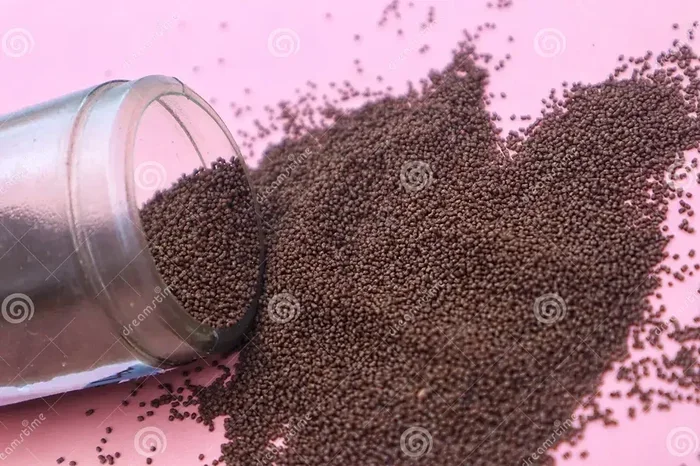
The general rule is simple: give your betta 2 to 3 pellets per meal. This is the standard recommendation for most commercial betta pellets, including popular brands like Hikari Betta Bio-Gold and Omega One Betta Buffet. These pellets are typically small, around 3 to 4 millimeters in diameter, which makes portion control straightforward.
However, pellet size varies from brand to brand. Some pellets are larger, and others are tiny micro-pellets. If you use a different brand, you may need to adjust slightly. Here is a quick reference guide:
- Standard-sized pellets (3-4mm): 2 to 3 pellets per feeding.
- Small micro-pellets: 4 to 5 pellets per feeding.
- Large pellets (5mm+): 1 to 2 pellets per feeding.
A good way to check if you are feeding the right amount is to watch your betta eat. The fish should finish all the pellets within 2 to 3 minutes. If food is left over, you have given too many. If your betta seems hungry and is still searching for food after finishing, you might add one more pellet next time.
If you want to learn more about feeding frequency, check out our guide on how many times a day to feed a betta fish for a complete feeding schedule.
How Often Should You Feed Your Betta
Feeding frequency matters just as much as portion size. Most experts recommend feeding adult bettas twice a day, once in the morning and once in the evening. This routine mimics the natural eating patterns of bettas in the wild, where they eat small meals throughout the day.
For betta fry (baby bettas), the schedule changes. Young fish need smaller meals more frequently, typically 3 to 4 times a day. Their tiny stomachs cannot handle large portions, so frequent small feedings support healthy growth.
Here is a simple daily feeding routine you can follow:
- Morning feeding: Give 2 to 3 pellets after the tank light turns on.
- Evening feeding: Give 2 to 3 pellets about 12 hours later.
- Weekly fasting day: Skip one feeding per week to support digestion.
Consistency is key. Bettas thrive on routine, and feeding at the same times every day helps regulate their metabolism. If you are traveling or forget a feeding, do not worry. Missing one meal will not harm your betta. In fact, a short fasting period can be beneficial for their digestive system.
For more tips on maintaining a healthy feeding routine, you might also want to read about how to care for a betta fish 101, which covers feeding and other essential care topics.
Signs You Are Overfeeding Your Betta
Overfeeding is the number one mistake betta owners make. It is easy to do because bettas have big appetites and will beg for food every time you approach the tank. But giving in every time can cause serious problems.
Watch for these warning signs that you are giving too many pellets:
- Bloating: Your betta’s belly looks swollen or unusually round after eating.
- Constipation: Your fish has not produced waste in 24 hours or more.
- Uneaten food sinking to the bottom: Pellets that sit in the tank for more than 5 minutes are a clear sign of excess.
- Cloudy water: Excess food decomposes quickly, leading to ammonia spikes and cloudy tank water.
- Lethargy: An overfed betta becomes less active and may hide more than usual.
- Loss of appetite: Ironically, overfeeding can cause your betta to refuse food altogether.
If you notice any of these signs, reduce the pellet count immediately. A day or two of smaller portions usually resolves the issue. In more serious cases, a betta fish salt bath can help relieve constipation and bloating. You can find detailed instructions on how to give your betta a salt bath in our guide on how to give a betta fish a salt bath.
Choosing the Right Pellets for Your Betta
Not all betta pellets are the same, and choosing the right one makes a big difference in your fish’s health and feeding routine. High-quality pellets float, which is important because bettas are surface feeders. They prefer to eat from the top of the tank.
When shopping for pellets, look for these key ingredients:
- Whole fish or fish meal listed as the first ingredient.
- High protein content (at least 35% protein for adult bettas).
- Low filler content (avoid pellets heavy in wheat, corn, or soy).
- Added vitamins and minerals for color enhancement and immune support.
Some popular and well-reviewed betta pellet brands include Hikari Betta Bio-Gold, Omega One Betta Buffet, and Fluval Bug Bites. Each of these brands offers appropriately sized pellets for bettas. Remember that pellet size affects how many you should feed, so always check the packaging for recommended serving sizes.
If you are considering supplementing your betta’s diet with other foods, make sure the options are safe. For example, you can feed your betta peas, but only in moderation and prepared the right way. Our article on how to feed a pea to a betta fish covers the proper preparation and frequency for this healthy treat.
Special Feeding Considerations
Several factors can change how many pellets your betta needs. Understanding these variables helps you fine-tune the feeding routine for your specific fish.
Betta Size and Age: A larger, more active betta will burn more calories and may need an extra pellet or two. Smaller or older bettas with less activity need fewer pellets. Young, growing bettas also have slightly different nutritional needs compared to mature adults.
Water Temperature: Betta metabolism is closely tied to water temperature. In warmer water (around 78 to 80 degrees Fahrenheit), bettas digest food faster and may need slightly more frequent feedings. In cooler water, their metabolism slows down, and overfeeding becomes a bigger risk.
Tank Environment: A betta in a well-planted, spacious tank with gentle water flow will be more active than one in a small, bare bowl. More activity means more calories burned, which means you might need to adjust the pellet count slightly upward.
Pellet Quality and Expansion: Some pellets expand significantly in water. These can make your betta feel full faster, meaning you need fewer pellets per feeding. Always soak pellets for a few seconds before adding them to the tank if you are unsure about how much they will expand.
For broader care tips that go beyond feeding, check out our comprehensive resource on how to care for a betta fish 101. It covers water parameters, tank setup, and daily care routines.
Common Feeding Mistakes to Avoid
Even experienced betta owners make feeding mistakes sometimes. Here are the most common ones and how to fix them:
Mistake 1: Feeding Too Many Pellets at Once. It is tempting to give your betta a big meal, especially when the fish looks hungry. But a betta’s stomach is roughly the size of its eye. Two to three pellets are all they need. Overfeeding leads to obesity, digestive problems, and poor water quality.
Mistake 2: Sticking to a Rigid Schedule During Illness. If your betta is sick or stressed, reduce feeding to once a day or skip a day entirely. A stressed fish has a slower metabolism and cannot process food efficiently. Always prioritize your betta’s health over the feeding schedule.
Mistake 3: Ignoring Uneaten Food. Uneaten pellets decompose within minutes and release ammonia into the water. Always remove any food your betta does not eat within 5 minutes. This keeps the water clean and prevents harmful spikes in ammonia and nitrite levels.
Mistake 4: Relying Only on Pellets. Pellets are a great staple food, but they should not be the only thing your betta eats. A varied diet supports better health, brighter colors, and stronger immunity. Rotate in bloodworms, brine shrimp, or daphnia as treats 2 to 3 times per week.
Mistake 5: Feeding Right Before or After a Water Change. Water changes can stress your betta slightly. Wait at least 30 minutes after a water change before feeding. This gives your fish time to settle and reduces the risk of digestive upset.
Quick Tips for Perfect Betta Feeding
Here are some quick, easy tips to make feeding time hassle-free:
- Always feed at the same times every day to build a routine.
- Use a feeding ring or target feeding stick to prevent pellets from sinking and getting lost.
- Pre-soak pellets for 2 to 3 seconds if they expand a lot in water.
- Watch your betta eat and remove any uneaten food after 5 minutes.
- Skip one meal per week to give the digestive system a break.
- Rotate between two or three high-quality pellet brands for nutritional variety.
- Keep a feeding log if you are unsure whether you fed your betta that day.
These simple habits take seconds to follow but make a huge difference in your betta’s long-term health and happiness.
Conclusion
Feeding your betta the right number of pellets is one of the simplest yet most impactful things you can do for their health. Stick to 2 to 3 pellets per feeding, twice a day, and adjust based on your individual fish’s size, activity level, and the pellet brand you use. Avoid overfeeding at all costs, and always pair pellets with a varied diet and clean water.
Remember that every betta is different. Some fish eat greedily and will accept any amount you offer. Others are picky and may only eat one or two pellets. Watch your fish, learn its cues, and adjust accordingly. With the right feeding routine, your betta will stay vibrant, active, and healthy for years to come.
If you want to dive deeper into betta care, explore our other articles on topics like how to take care of betta fish water, feeding schedules, and creating the perfect tank environment. Your betta deserves the best, and you now have the knowledge to provide it.
Frequently Asked Questions
Can I give my betta fish more than 3 pellets per meal?
It is not recommended to exceed 3 pellets per meal for standard-sized pellets. If your betta is very large or highly active, you might try 4 pellets occasionally, but watch for signs of overfeeding like bloating or uneaten food. Always adjust based on how quickly your fish finishes the meal and how it behaves afterward.
What happens if I accidentally overfeed my betta?
A single instance of overfeeding is unlikely to cause serious harm. However, regularly giving too many pellets leads to bloating, constipation, and poor water quality. If you accidentally overfeed, remove any uneaten pellets immediately and consider fasting your betta for the next meal to help its digestive system recover.
Can I feed my betta pellets once a day instead of twice?
Feeding once a day is possible but not ideal. Bettas benefit from two smaller meals per day because it mimics their natural eating pattern. If you choose to feed once a day, increase the portion to 3 to 4 pellets and make sure the pellets are high quality. Adding a weekly fasting day also helps regardless of your feeding frequency.
Are freeze-dried or frozen foods better than pellets for bettas?
Pellets are the best staple food because they provide balanced nutrition in every serving. Freeze-dried and frozen foods like bloodworms and brine shrimp make excellent supplements but should not replace pellets entirely. Use treats like these 2 to 3 times per week alongside your regular pellet feedings.
How do I know if my betta is hungry?
Bettas often swim to the top of the tank and hover near the surface when they are hungry. They may also become more active around feeding time. However, bettas are opportunistic eaters and will always act hungry even when they are full. Stick to the recommended portion size and do not rely on your fish’s behavior to decide how much to feed.
Should I soak pellets before feeding my betta fish?
Soaking pellets for 2 to 3 seconds before adding them to the tank is a good practice, especially if the pellets expand significantly in water. Soaking prevents the pellets from swelling inside your betta’s stomach, which can cause bloating and digestive discomfort. It also helps the pellet sink slightly if your betta has trouble finding floating food.