Can Betta Fish Eat Mango
Betta fish can enjoy tiny pieces of ripe mango as an occasional treat, but it must be prepared carefully. Too much fruit can cause digestive issues, so moderation and proper preparation are key to keeping your betta healthy and happy.
Key Takeaways
- Safe in small amounts: Ripe mango can be offered sparingly as a treat.
- Preparation matters: Remove skin, pit, and cut into bite‑size pieces.
- Watch for digestion: Too much mango may cause constipation or water cloudiness.
- Balance with staple diet: Live or frozen foods remain the nutritional foundation.
- Monitor individual response: Every betta reacts differently; start with a tiny piece.
- Seasonal offering: Use mango in warmer months when your betta is more active.
- Know the alternatives: Other fruit treats like blueberries can also work.
Quick Answers to Common Questions
Can betta fish eat mango skin?
No. The skin is tough and can cause digestive problems, so always peel the mango.
How often can I feed mango to my betta?
Once a week, and only a single tiny piece each time.
Will mango affect water quality?
Yes, sugary residue can cloud water. Perform a partial water change after feeding.
Can I freeze mango for later use?
Freezing is okay, but thaw and rinse the piece before offering it to your betta.
Is mango better than other fruits for bettas?
All fruits need the same prep. Choose whichever you have, but keep portions tiny.
📑 Table of Contents
Introduction: Why Talk About Mango?
If you’ve ever watched a betta splash around its tank and thought, “What else can I give my fish besides pellets?” you’re not alone. Many hobbyists love to experiment with can betta fish eat mango because the bright orange color looks appealing and the sweet taste seems harmless. The truth is a bit more nuanced. Mango is not a natural part of a betta’s diet, but in tiny, well‑prepared pieces it can be a safe, occasional treat.
In this article we’ll explore the science behind fruit for carnivorous fish, walk through step‑by‑step preparation, and give you practical tips so you can answer the question “can betta fish eat mango?” with confidence. Think of this as a friendly chat over a cup of tea—simple language, short sentences, and plenty of examples.
1. Understanding a Betta’s Natural Diet
What Betta Fish Eat in the Wild
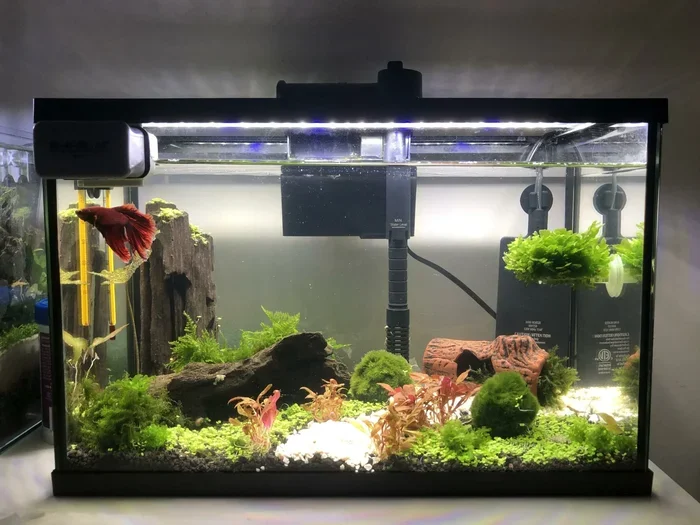
Betta fish originate from the shallow rice paddies and slow‑moving streams of Southeast Asia. In the wild they hunt tiny insects, larvae, and zooplankton. Their stomachs are built for protein‑rich meals, not plant matter.

Visual guide about Can Betta Fish Eat Mango
Image source: blog-imgs-175.fc2.com
Why Fruit Isn’t a Staple
Fruits contain sugar, fiber, and acids that a betta’s short digestive tract isn’t designed to break down efficiently. That’s why fruit should only be a garnish, not a main course.
Link to Core Diet Information
For a full list of safe foods, see our guide on what can betta fish eat. It covers live, frozen, and plant‑based options.
2. Is Mango Safe for Betta Fish?
Nutritional Snapshot of Mango
Mango is rich in vitamins A and C, potassium, and a little fiber. The sugar content is moderate, and the fruit is mostly water. These nutrients are beneficial for humans, but for bettas they’re only a bonus.

Visual guide about Can Betta Fish Eat Mango
Image source: i.ytimg.com
Potential Risks
- Digestive upset: Too much fiber can cause constipation.
- Water quality: Sugary bits that dissolve can cloud the water and feed unwanted bacteria.
- Allergic reaction: Rare, but some fish may react to the natural acids.
Bottom Line on Safety
The short answer to “can betta fish eat mango?” is yes—if you follow strict preparation rules and keep portions tiny.
3. How to Prepare Mango for Your Betta
Step‑by‑Step Guide
- Choose a ripe mango: It should give slightly to gentle pressure.
- Wash thoroughly: Remove any pesticide residue.
- Peel the skin: The outer layer is tough and can be difficult to digest.
- Remove the pit: The stone is a choking hazard.
- Cut into tiny cubes: Aim for pieces about 1 mm³—roughly the size of a betta’s eye.
- Rinse again: A quick dip in dechlorinated water removes extra sugars.
- Offer a single piece: Place it near the surface where the betta can see it.
Frequency and Quantity
Offer mango no more than once a week, and only one tiny piece per feeding. Over time you can observe how your fish reacts.

Visual guide about Can Betta Fish Eat Mango
Image source: i.ytimg.com
4. Observing Your Betta’s Reaction
What to Look For
- Interest: Does the betta swim toward the fruit?
- Eating behavior: Does it nibble or ignore it?
- Digestive health: Watch for normal feces; any swelling or constipation is a red flag.
When to Stop
If you notice any of the following, remove the fruit immediately and return to a protein‑focused diet:
- Loss of appetite for regular food
- Bloated abdomen
- Cloudy water that doesn’t clear after a water change
Documenting Results
Keep a simple log: date, amount of mango, and observed behavior. Over weeks you’ll see patterns and can adjust accordingly.
5. Alternatives to Mango
Other Fruit Options
Blueberries, strawberries, and small pieces of cantaloupe work similarly. They all require the same prep steps—skin removal, pit removal, tiny cuts.
Protein‑Rich Treats
For a more balanced treat, consider shrimp or daphnia. These provide the protein bettas need while still feeling like a special snack.
Balancing Your Betta’s Menu
Remember: fruit is a garnish. Your betta’s daily meals should consist of high‑quality betta pellets, frozen bloodworms, or live brine shrimp.
6. Practical Tips for a Healthy Tank
Maintain Water Quality
After feeding fruit, perform a 25 % water change within a few hours to prevent sugar buildup.
Use a Feeding Dish
A small, flat dish keeps the fruit from sinking into substrate where it can rot.
Seasonal Feeding
During warmer months bettas are more active and can handle occasional fruit treats better than in cooler periods.
Conclusion: Enjoying Mango Responsibly
So, can betta fish eat mango? Yes, but only as a rare, carefully prepared treat. The key is moderation, proper preparation, and close observation. By following the steps above, you can add a splash of color and a hint of sweetness to your betta’s diet without compromising health. Keep the core of the diet protein‑rich, maintain clean water, and enjoy watching your betta explore new flavors safely.
Frequently Asked Questions
Can betta fish eat mango seeds?
No. The seed is a choking hazard and contains compounds that can be harmful.
Do bettas naturally like sweet flavors?
Betta fish are carnivores and are not attracted to sweetness, but they may investigate bright colors.
Will mango provide any nutritional benefit?
It offers a small amount of vitamins, but the benefit is minimal compared to protein sources.
Can I mix mango with betta pellets?
Mixing is not recommended; the fruit can dissolve and affect pellet texture.
What signs show my betta is sick after eating mango?
Look for loss of appetite, bloating, constipation, or cloudy water.
Is it okay to feed mango to baby bettas?
Juvenile bettas should stick to high‑protein foods; fruit can be too harsh for their developing digestive systems.