Why Does My Betta Fish Lay Against the Filter

Betta fish often rest near the filter because it offers steady water flow, oxygen, and a sense of security. Understanding this behavior helps you spot potential problems early and create a more comfortable tank environment.
Key Takeaways
- Flow comfort: Gentle currents from the filter mimic natural river habitats and calm bettas.
- Oxygen boost: Filter aeration raises dissolved oxygen, making the spot attractive.
- Temperature stability: Water near the filter is often the most even in temperature.
- Stress indicator: Constant hiding near the filter can signal stress or illness.
- Tank setup tips: Proper flow rate, hiding places, and regular maintenance keep your betta thriving.
- Watch for warning signs: Changes in behavior, color, or swimming pattern may need a vet check.
- Helpful resources: Learn more about filters, bubbles, and common betta health issues through related articles.
📑 Table of Contents
- Introduction: The Curious Case of the Filter‑Side Bettas
- 1. The Natural Instincts Behind the Behavior
- 2. When the Filter‑Side Spot Is a Good Thing
- 3. Red Flags: When the Filter Spot Signals a Problem
- 4. Optimizing Your Tank for a Happy Betta
- 5. Frequently Observed Scenarios and What to Do
- 6. When to Seek Professional Help
- Conclusion: Embrace the Filter‑Side Habit Wisely
Introduction: The Curious Case of the Filter‑Side Bettas
If you’ve ever watched your betta fish glide lazily across the tank and then settle right next to the filter, you might have wondered, why does my betta fish lay against the filter? It’s a common sight for many hobbyists, and the answer isn’t as mysterious as it seems. Betta fish are naturally drawn to areas where water movement is gentle, oxygen levels are higher, and they feel safe.
In this article we’ll explore the science behind this behavior, break down the good and the not‑so‑good reasons for it, and give you practical tips to make sure that your betta’s “filter‑side lounge” is a sign of comfort—not a cry for help.
1. The Natural Instincts Behind the Behavior
1.1. Flow Mimics a River Habitat
Betta splendens originate from the shallow, slow‑moving streams of Thailand. In the wild, they spend much of their time near the water’s edge where the current is gentle. A filter creates a similar micro‑environment, offering a subtle flow that feels familiar.
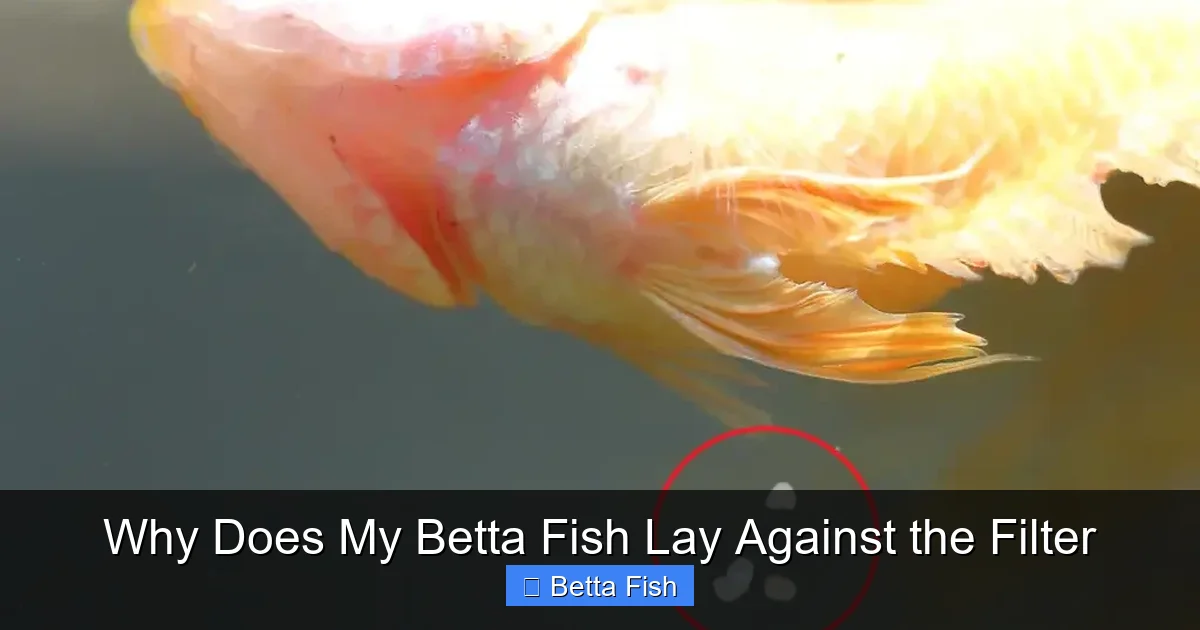
Visual guide about Why Does My Betta Fish Lay Against the Filter
Image source: bettafishworld.com
1.2. Oxygen‑Rich Zones
Most filters increase dissolved oxygen by agitating the surface and moving water through a biological media. Bettas, like all fish, need oxygen to breathe, and the area right by the filter often contains the highest concentration. This makes it an attractive spot for a quick breath.
1.3. Temperature Consistency
Water temperature can vary slightly within a tank, especially if the heater is placed at one end. The flow from a filter helps distribute heat evenly, creating a stable temperature zone. Bettas are sensitive to fluctuations, so they gravitate toward the most consistent area.
2. When the Filter‑Side Spot Is a Good Thing
2.1. Indicates a Healthy Environment
If your betta is active, eating well, and showing bright colors while lounging near the filter, it’s a strong sign that the tank’s water quality is solid. The fish is simply taking advantage of a comfortable nook.
2.2. Helps Reduce Stress
Constant water movement can act like a gentle massage, soothing a betta’s nervous system. This is especially helpful after a recent tank change or when introducing new décor.
2.3. Encourages Natural Behaviors
Some bettas use the flow to practice “fin fluttering” or to practice building a bubble nest. The moving water can stimulate these instinctual activities, keeping the fish mentally engaged.
3. Red Flags: When the Filter Spot Signals a Problem
3.1. Over‑reliance on the Flow
If your betta spends the majority of its day glued to the filter and avoids the rest of the tank, it might be seeking refuge from poor water conditions elsewhere. Test your water for ammonia, nitrite, and pH levels.
3.2. Signs of Illness
Look for accompanying symptoms such as faded colors, clamped fins, or erratic swimming. These could indicate why is my betta fish hiding or other health concerns.
3.3. Inadequate Flow
A filter that is too strong can stress a betta, causing it to cling to the side for safety. Conversely, a filter that is too weak might not provide enough oxygen, prompting the fish to stay near the only aerated spot.
4. Optimizing Your Tank for a Happy Betta
4.1. Choose the Right Filter Type
For bettas, a low‑flow sponge filter or a hang‑on‑back (HOB) filter with an adjustable flow rate works best. You can reduce the output with a spray bar or a flow‑restrictor.
4.2. Add Plenty of Hiding Places
Live plants, silk moss, and caves give your betta alternative “quiet zones.” When the fish has options, it won’t feel forced to stay by the filter.
4.3. Keep Water Clean and Stable
Regular water changes (20‑30% weekly) and a reliable heater keep temperature and chemistry stable. A clean tank also reduces the need for the betta to seek out the filter for better water.
4.4. Monitor Bubble Production
Bubbles can be a sign of healthy respiration. If you notice a sudden drop in bubbles, check the filter and oxygen levels. For more on bubble behavior, read why does my betta fish make bubbles.
4.5. Test Water Parameters Regularly
Use a reliable test kit to keep ammonia below 0.25 ppm, nitrite at 0 ppm, and nitrate under 20 ppm. Stable parameters mean your betta won’t need to cling to the filter for safety.
5. Frequently Observed Scenarios and What to Do
5.1. New Tank Syndrome
When a betta is first introduced to a new tank, it may spend extra time near the filter while adjusting. Give it a week to settle, and watch for normal feeding and activity.
5.2. Temperature Spikes
If the heater malfunctions, the water near the filter may stay cooler. Use a thermometer to ensure the whole tank stays within 76‑82°F (24‑28°C).
5.3. Overcrowding or Aggressive Tank Mates
Although bettas are often kept alone, some owners house them with peaceful shrimp or snails. If these companions cause stress, the betta may retreat to the filter. Consider a separate tank if aggression persists.
5.4. Filter Noise
Loud filters can startle a shy betta. If you hear a constant hum, try a quieter model or place the filter farther from the main viewing area.
6. When to Seek Professional Help
If your betta displays any of the following, it’s time to consult a veterinarian or an experienced aquarist:
- Loss of color or “white” patches (why is my betta fish turning white)
- Fins that appear shredded or ragged (why does my betta fish fins look shredded)
- Refusal to eat for more than 48 hours
- Consistent floating or swimming sideways
Early intervention can often save a betta’s life and prevent long‑term health issues.
Conclusion: Embrace the Filter‑Side Habit Wisely
So, why does my betta fish lay against the filter? The short answer: it’s usually a sign of comfort, oxygen, and temperature stability. The longer answer is that this behavior can also be a subtle alarm bell for underlying issues. By providing a gentle flow, plenty of hiding spots, and pristine water, you give your betta the best chance to enjoy its filter‑side lounge without stress.
Remember to observe your fish daily, keep up with maintenance, and adjust the flow as needed. With a little attention, that little habit can become a happy, healthy part of your betta’s routine.
Frequently Asked Questions
Why does my betta fish always sit near the filter?
Betta fish are drawn to the gentle current, higher oxygen levels, and stable temperature that the filter creates. It’s usually a sign they feel safe and comfortable.
Is it harmful for a betta to stay close to the filter all day?
Not if the flow is low and water quality is good. However, if the fish avoids the rest of the tank, test the water and check for stress or illness.
How can I reduce my betta’s reliance on the filter?
Provide additional hiding spots, lower the flow rate, and ensure the entire tank has good oxygenation and stable temperature.
What water parameters should I maintain for a healthy betta?
Keep temperature between 76‑82°F (24‑28°C), pH around 6.5‑7.5, ammonia < 0.25 ppm, nitrite = 0 ppm, and nitrate < 20 ppm.
Can a strong filter stress my betta fish?
Yes. A high‑flow filter can cause a betta to cling to the side or become exhausted. Use a sponge filter or add a flow‑restrictor to soften the current.
Where can I learn more about whether my betta needs a filter?
Check out the article does a betta fish need a filter for detailed guidance on filtration options for bettas.