Why Does My Betta Fish Flare His Gills at Me
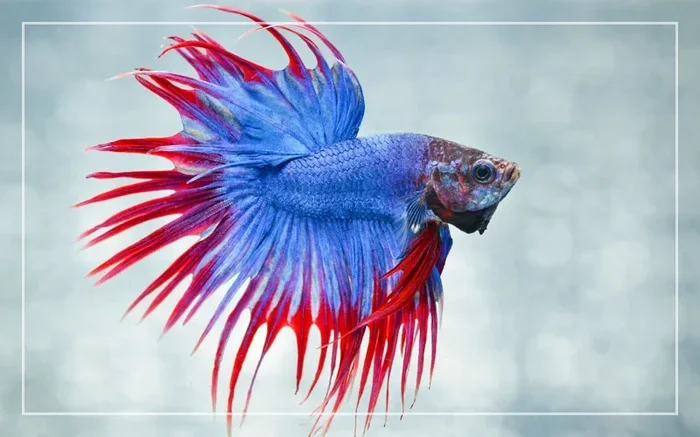
Your betta fish flares his gills at you for several important reasons, including territorial behavior, excitement, stress, or even recognition. Understanding why betta fish flare their gills helps you build trust and keep your fish healthy. This guide covers every reason and what you should do about it.
Have you ever walked up to your betta fish tank and seen those beautiful gills puff out wide? It is a sight that can surprise you, especially if you are new to keeping bettas. The good news is that why does my betta fish flare his gills at me is a question many fish owners ask, and the answer is usually simple.
Betta fish are fascinating creatures. They display a wide range of behaviors that tell you how they feel. Flaring is one of the most common and noticeable actions they take. Sometimes it means your fish is happy. Other times it means something in the tank needs your attention. This guide will walk you through every reason your betta might be flaring, what it means, and exactly what you can do about it.
Key Takeaways
- Territorial Instinct: Bettas flare to protect their space, especially when they see their reflection or another fish nearby.
- Recognition and Excitement: Your betta may flare because it recognizes you and associates you with feeding time.
- Stress and Fear: Gills flaring can signal that your fish feels threatened or uncomfortable in its environment.
- Health Indicator: Excessive or constant flaring may point to underlying health or water quality issues.
- Communication: Flaring is a natural form of betta fish body language used to express dominance or curiosity.
- Simple Fixes Exist: Small changes to your tank setup and routine can reduce unnecessary flaring and keep your betta calm.
📑 Table of Contents
- What Does It Mean When a Betta Fish Flares His Gills?
- Top Reasons Why Your Betta Flares His Gills at You
- How to Tell if Flaring Is Normal or a Problem
- How to Reduce Unnecessary Flaring
- When to Be Concerned About Flaring
- Understanding Betta Body Language Beyond Flaring
- Comparison: Normal vs. Problem Flaring
- Expert Insights on Betta Gill Flaring
- Final Thoughts on Why Your Betta Flares His Gills
What Does It Mean When a Betta Fish Flares His Gills?
When a betta flares, he spreads his gill plates wide open. This makes him look much bigger than he actually is. It is a natural reflex that bettas use in the wild. In their native habitats in Southeast Asia, bettas use this display to scare off rivals and predators. The gill flaring behavior is deeply built into their instincts.
Flaring involves the rapid expansion of the gill plates on both sides of the head. The betta spreads them outward to appear larger and more intimidating. At the same time, the fish may spread its fins wide. This full display is a powerful visual signal. It tells other fish or creatures, “I am here, and I am not afraid.”
Not all flaring is the same. A quick flare followed by relaxation is normal. Constant flaring without pause is a red flag. Learning to tell the difference is key to being a good betta owner. Let us explore the specific reasons your fish might be doing this right at you.
Top Reasons Why Your Betta Flares His Gills at You
1. Territorial Behavior
Betta fish are naturally territorial. In the wild, they guard small areas of water and defend them fiercely. When your betta sees you looming over the tank, he may see you as a potential threat. His first reaction is to puff up and flare. This is his way of saying, “This is my space, stay away.”
This is especially common in smaller tanks. When a betta has limited space, he feels the need to protect it more. A cramped environment can make your fish more defensive. If you notice your betta flaring every time you walk by, the tank size might be part of the problem.
Male bettas are the most territorial of all. They are bred for aggressive display and will flare at almost anything that moves near the tank. Female bettas flare too, but usually less often. Understanding this natural instinct helps you respond with patience instead of worry.
2. Your Betta Recognizes You
Here is something that surprises many owners. Your betta may flare at you because he knows you. Bettas are smarter than people give them credit for. Over time, they learn to associate certain people with feeding and care. When they see you, they get excited and flare as a greeting.
This is actually a good sign. It means your betta is alert and engaged with his surroundings. A betta that ignores you completely might be stressed or unwell. So a little flare when you approach can mean your fish is happy to see you.
If you feed your betta by hand, he may flare right before food time. This is his way of showing anticipation. He knows you are the one who brings the good stuff. It is a form of betta fish communication that gets stronger the longer you own your fish.
3. Stress and Fear
Not all flaring comes from confidence. Sometimes your betta flares because he is scared. Loud noises, sudden movements, or bright lights can startle your fish. When startled, the natural response is to flare and try to look bigger and more dangerous than you are.
Stress in bettas can come from many sources. Poor water quality is a big one. High ammonia or nitrite levels make fish feel uncomfortable and defensive. Temperature swings also cause stress. Bettas need warm, stable water between 76 and 82 degrees Fahrenheit. If the water is too cold or too hot, your fish will flare more often.
Another common stress trigger is aggressive tank mates. Even though bettas are often kept alone, some people try to add other fish. If a tank mate swims too close, your betta will flare to establish dominance. This constant tension leads to chronic stress, which harms your fish over time.
4. Seeing Their Reflection
This one catches people off guard all the time. Your betta might be flaring at his own reflection. Glass tanks can create mirror-like surfaces, especially if there is a light behind the fish. Your betta sees another betta and reacts with a full territorial display.
Why does my betta fish flare his gills at me might actually be a reflection issue. If you stand in a certain spot and the light hits the glass just right, your fish sees a rival where you are. He flares at the reflection, not at you directly. This is very common in planted tanks or tanks with dark backgrounds.
Constant flaring at a reflection is exhausting for your fish. It raises his stress hormones and wears him out. If you suspect this is happening, try adjusting the lighting or adding a background to the outside of the tank. A simple fix can make a big difference.
5. Excitement During Feeding Time
Bettas are food motivated. They love their meals, and they know when it is coming. Many bettas start flaring right before feeding time. The excitement builds up, and the gills flare as part of their anticipation response.
This behavior is normal and even cute. Your fish is basically bouncing with excitement. He wants you to know he is ready to eat. If your betta flares every time you approach the tank with food, this is likely the reason.
Just be careful not to overfeed. Bettas have small stomachs, roughly the size of their eye. Feeding too much leads to bloating and other health problems. Two to three small pellets per feeding, twice a day, is the sweet spot. You can also offer frozen or live food as a treat once a week.
How to Tell if Flaring Is Normal or a Problem
Not all gill flaring is cause for concern. The key is knowing the difference between normal behavior and a warning sign. Here are some quick ways to evaluate what your betta is telling you.
- Short flaring episodes: A quick flare lasting a few seconds is perfectly normal. Your fish puffs up, holds the pose, then relaxes.
- Flaring followed by normal activity: If your betta goes back to swimming and exploring after flaring, there is nothing to worry about.
- Constant flaring without pause: If your fish flares for minutes or hours without stopping, this is a problem. It signals high stress levels.
- Flaring paired with clamped fins: If the gills flare but the fins stay pressed close to the body, your fish is likely scared or in pain.
- Flaring with loss of color: A healthy betta is vibrant. If flaring comes with fading colors, check your water parameters immediately.
Use this simple guide to assess your fish. Normal flaring is brief and followed by calm behavior. Problem flaring is persistent and often comes with other warning signs. Trust your instincts. You know your fish better than anyone.
How to Reduce Unnecessary Flaring
If your betta is flaring too much, you can take steps to calm him down. The goal is to create a tank environment that feels safe and comfortable. Here are practical tips that really work.
Optimize Your Tank Setup
Start with the basics. A tank that is at least 5 gallons gives your betta room to swim and feel secure. Smaller tanks make fish feel trapped and defensive. Add plants, both real and fake, to create hiding spots. Your betta needs places to retreat when he feels overwhelmed.
Avoid placing the tank in a high-traffic area. Busy hallways or rooms with loud televisions can keep your fish on edge. Choose a quiet spot where the tank is not in the direct line of foot traffic. This simple change reduces flaring significantly.
Maintain Excellent Water Quality
Clean water is the foundation of a healthy betta. Test your water parameters weekly. Keep ammonia and nitrite at zero. Nitrate should stay below 20 parts per million. Do regular water changes, about 25 percent every week. Use a gentle filter that does not create strong currents. Bettas prefer calm water.
Temperature stability matters too. Use a reliable heater and a thermometer. Sudden temperature drops cause stress and trigger flaring. Keep the water between 76 and 82 degrees Fahrenheit at all times. A stable environment is a calm environment.
Limit Reflections and Shadows
If your betta flares at his reflection, break up the mirror effect. Add a background to the outside of the tank. Dark or natural-colored backgrounds work best. You can also adjust the lighting so it does not create bright spots on the glass.
Some owners place a piece of paper or a plant decoration on the outside of the tank near the reflection zone. This blocks the mirror image and stops the endless flaring cycle. Your fish will thank you for the peace and quiet.
Build Trust Through Routine
Bettas thrive on routine. Feed them at the same times each day. Approach the tank calmly and avoid sudden movements. Over time, your betta will learn that you are not a threat. The flaring will decrease as trust builds.
Try sitting near the tank for a few minutes each day. Let your fish get used to your presence. After a week or two, you will notice a big difference. Your betta will be more relaxed and less likely to flare every time you walk by.
When to Be Concerned About Flaring
Most of the time, flaring is just normal betta behavior. But there are times when it signals something more serious. Here are situations where you should pay closer attention.
If your betta flares constantly for hours without stopping, check your water quality right away. Persistent flaring combined with rapid gill movement can indicate low oxygen levels or poor water conditions. Test the water and perform a partial water change if needed.
Also watch for flaring paired with other symptoms. If your fish is flaring, not eating, and staying at the bottom of the tank, something is wrong. These signs together can point to illness. Common betta diseases like fin rot or ich can cause stress that leads to excessive flaring.
Another concern is flaring that never stops, even when you are not near the tank. This usually means there is an ongoing stressor in the environment. It could be another fish visible through the glass, a persistent reflection, or unstable water conditions. Identify and remove the stressor to help your fish recover.
Remember that why does my betta fish flare his gills at me is almost always a normal behavior. But when flaring becomes excessive, it is your fish asking for help. Listen to what he is telling you and take action.
Understanding Betta Body Language Beyond Flaring
Flaring is just one piece of the puzzle. Bettas communicate through their entire body. Learning to read other signals gives you a fuller picture of how your fish feels. This knowledge makes you a better, more attentive owner.
Fin position tells you a lot. Relaxed fins mean a happy, healthy fish. Clamped fins pressed close to the body signal fear or illness. Fins held open and flowing show confidence and comfort. Color changes also matter. A vibrant color means your betta feels safe. Fading colors often mean stress or sickness.
Swimming patterns are another clue. A betta that swims smoothly and explores the tank is content. A betta that hides constantly or stays at the top gasping is in trouble. Why does my betta fish flare his gills at me is closely tied to all these other behaviors. Together, they paint a complete picture of your fish’s well-being.
Comparison: Normal vs. Problem Flaring
| Aspect | Normal Flaring | Problem Flaring |
|---|---|---|
| Duration | A few seconds | Minutes to hours |
| Frequency | Occasional, once in a while | Constant or very frequent |
| Triggers | New objects, reflection, feeding time | No clear trigger or persistent stressor |
| Follow-up Behavior | Relaxes, swims normally | Remains tense, hides, or stops eating |
| Physical Signs | Normal color, active fins | Faded color, clamped fins, rapid gill movement |
| Tank Conditions | Clean water, stable temperature | Poor water quality, unstable parameters |
This comparison table helps you quickly assess what is going on with your betta. Use it as a reference anytime you notice flaring. If most of the signs point to problem flaring, take action right away. Your fish will be healthier and happier for it.
Expert Insights on Betta Gill Flaring
Experienced betta keepers agree that flaring is one of the most misunderstood behaviors. Many new owners panic the first time they see their fish puff out those gills. But experts say it is usually nothing to worry about. According to seasoned breeders, a healthy betta should flare now and then. It shows that the fish is alert and confident.
However, the same experts warn against forcing flaring. Some people place mirrors in front of the tank to make their betta flare for entertainment. This practice is harmful. It causes unnecessary stress and drains your fish’s energy. Never use mirrors to trigger flaring, no matter how cute it looks.
Veterinarians who specialize in fish health also emphasize the role of water quality. Most flaring problems trace back to environmental factors. Simple water tests and regular maintenance solve the majority of issues. Keep the tank clean, keep the temperature stable, and your betta will flare less and thrive more.
Final Thoughts on Why Your Betta Flares His Gills
So the next time you wonder why does my betta fish flare his gills at me, you will know exactly what to look for. Your betta is communicating with you. He might be showing off his territory, greeting you with excitement, or telling you something is wrong. The key is paying attention to the context and the other signs your fish displays.
Most flaring is completely normal and even a sign of a healthy, alert fish. But excessive or constant flaring deserves your attention. Check the water quality, review the tank setup, and look for other symptoms. Small adjustments can make a huge difference in your betta’s comfort and happiness.
You now have the knowledge to understand your betta’s flaring behavior. Use this guide as a reference anytime you need it. Your fish is lucky to have an owner who cares enough to learn. Keep observing, keep learning, and enjoy the wonderful world of betta fish keeping.
Frequently Asked Questions
Is it normal for my betta fish to flare at me every day?
Yes, it is normal for bettas to flare occasionally when they see you. Daily flaring that lasts only a few seconds is usually just your fish recognizing you or showing territorial behavior. However, if the flaring becomes constant or lasts for long periods, it may signal stress or an issue in the tank that needs your attention.
Can flaring hurt my betta fish?
Occasional flaring does not hurt your betta. It is a natural reflex and a normal part of their behavior. However, constant flaring caused by chronic stress can weaken your fish over time. It can lead to loss of appetite, faded colors, and a weakened immune system. Try to identify and remove the cause of persistent flaring to keep your fish healthy.
Why does my betta flare more when I put my hand near the tank?
Your betta flares when you put your hand near the tank because he sees a large object approaching his territory. This triggers his natural defense instinct. He puffs out his gills to look bigger and more intimidating. Over time, as your betta gets used to your presence, he will likely flare less and less.
Should I be worried if my betta flares at his reflection?
Occasional flaring at a reflection is normal, but constant flaring at a mirror image is harmful. It exhausts your fish and raises his stress levels. If you notice your betta flaring at his reflection for long periods, add a background to the tank or adjust the lighting to reduce the mirror effect. This simple change will help your fish relax.
How can I tell if my betta’s flaring is caused by stress?
Watch for other signs alongside flaring. Clamped fins, faded colors, loss of appetite, and staying at the bottom of the tank all point to stress. Also check your water parameters. High ammonia or nitrite levels, temperature fluctuations, and poor water quality are common stress triggers. Fix the underlying cause and your betta’s flaring should decrease.
Do female bettas flare their gills too?
Yes, female bettas flare their gills as well. However, they tend to flare less frequently than males because they are naturally less territorial. Female bettas may flare at other fish, reflections, or when they feel threatened. The reasons and solutions for female flaring are the same as for males. Provide a calm environment and good water quality to keep your female betta comfortable.
=== CONCLUSION ===
Understanding why does my betta fish flare his gills at me is one of the most rewarding parts of owning a betta. It connects you more deeply with your fish and helps you provide a better home. Whether your betta flares out of territory, excitement, or stress, each display has a meaning. Pay attention, respond with care, and your fish will reward you with vibrant colors and lively behavior for years to come.
Take what you have learned from this guide and apply it today. Check your water quality, review your tank setup, and watch your betta with fresh eyes. You are now equipped to understand your fish like never before. Happy fish keeping!