How Often Can You Mate a Male Betta Fish
You should wait at least 2 to 4 weeks between breeding sessions for a male betta fish. Overbreeding can cause serious health problems and reduce fertility. This guide covers the safe mating frequency, signs of readiness, and best practices for betta fish breeding success.
Breeding betta fish is one of the most rewarding experiences a fish keeper can have. But many new hobbyists wonder, how often can you mate a male betta fish without hurting him? The answer is not as simple as you might think.
A male betta fish needs proper recovery time between each breeding session. Pushing him to mate too often leads to health problems, lower fertility, and stressed fish. In this guide, we break down everything you need to know about betta fish mating frequency, signs of readiness, and how to keep your fish healthy throughout the process.
Whether you are a beginner or a seasoned aquarist, understanding betta fish breeding cycles will help you get better results. Let us dive in and explore the science, the signs, and the best practices for responsible betta fish breeding.
Key Takeaways
- Wait 2 to 4 weeks between breeding sessions: Giving your male betta time to recover is essential for his health and fertility.
- Watch for key readiness signs: A healthy bubble nest, vibrant colors, and active chasing behavior show your betta is ready to mate again.
- Overbreeding causes real harm: Frequent mating weakens the immune system, reduces sperm count, and shortens lifespan.
- Tank conditions matter a lot: Proper water temperature, clean water, and low stress levels boost breeding success significantly.
- Always separate the female after mating: Male bettas can become aggressive toward females once spawning is complete.
- Feed high-quality food before and after breeding: Proper nutrition supports recovery and healthy fry production.
📑 Table of Contents
Understanding the Betta Fish Breeding Cycle
The betta fish breeding cycle is the natural process through which male and female bettas reproduce. Understanding this cycle is the first step toward breeding responsibly. A male betta builds a bubble nest, courts the female, and then fertilizes the eggs she releases.
How the Breeding Process Works
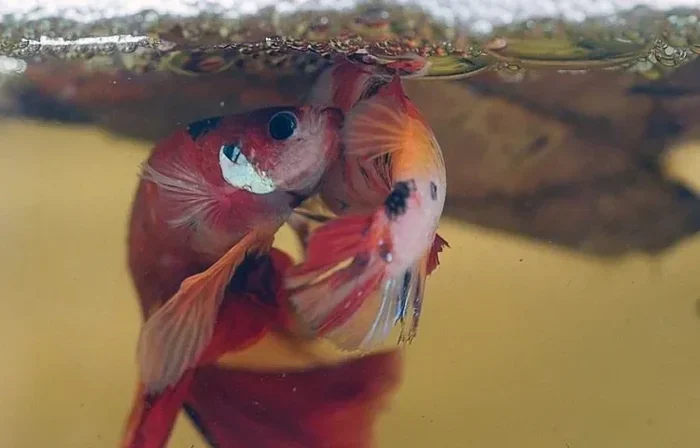
When a male betta is ready to breed, he builds a bubble nest at the surface of the water. This nest is made of saliva and air bubbles. It serves as a safe place for the eggs once the female releases them. The male then chases the female and wraps his body around hers to release and fertilize the eggs. This process is called betta fish spawning.
After spawning, the male carefully collects the eggs and places them in the bubble nest. He guards the nest fiercely until the eggs hatch. This whole process can take anywhere from 24 to 48 hours for the eggs to hatch.
Why Recovery Time Matters
Breeding takes a lot out of a male betta fish. He uses significant energy building the nest, chasing the female, and guarding the eggs. His body needs time to replenish sperm count and recover physically. Rushing this process can lead to weak fry, failed spawns, and even illness in the male.
Betta fish reproduction should never be rushed. Think of it like exercise — if you work out every single day without rest, your body breaks down. The same principle applies to your fish. Giving him adequate downtime between sessions is the single most important factor in successful breeding.
How Often Can You Mate a Male Betta Fish
The short answer is every 2 to 4 weeks. But the full answer depends on several factors, including the age and health of the fish, tank conditions, and how well you care for him between sessions.
Recommended Breeding Frequency
Most experienced breeders follow a strict schedule. They allow the male betta to rest for at least two weeks after a successful spawn before introducing a female again. Some breeders wait even longer — up to four weeks — to make sure the male is fully recovered.
Here is a simple breakdown of recommended frequency based on the fish’s condition:
- Healthy adult male (6 months to 2 years): Every 3 to 4 weeks
- Young male (under 6 months): Every 4 to 6 weeks — his body is still developing
- Older male (over 2 years): Every 4 to 6 weeks — recovery takes longer
- Male after a failed spawn: Wait at least 2 weeks before trying again
Signs Your Male Betta Is Ready to Breed Again
Knowing when your male betta is ready for another round is crucial. You cannot just put a female in the tank and hope for the best. Watch for these clear signs that your fish is physically and mentally ready:
- Bubble nest activity: A healthy, active bubble nest at the surface is the number one sign. If the male is rebuilding or maintaining his nest, he is ready.
- Vibrant colors: A male betta ready to breed shows bright, intense colors. Dull coloring means he needs more rest.
- Active chasing behavior: If your male starts flaring and chasing other fish or his own reflection, his breeding hormones are kicking in.
- Healthy appetite: A good appetite indicates the fish has recovered well from the previous spawn.
- Build-up of bubble nests: Multiple nests or frequent nest building shows high breeding readiness.
If you notice any of these signs consistently over several days, your male betta is likely ready for another mating session. But always err on the side of caution and give him extra time if you are unsure.
What Happens If You Mate a Male Betta Too Often
This is where many beginner breeders go wrong. They get excited about the process and push their fish too hard. The consequences can be serious and even fatal.
Physical Health Risks
Overbreeding a male betta fish leads to physical exhaustion. His body simply cannot produce enough sperm or energy to spawn repeatedly without rest. Here are the main health risks:
- Weakened immune system: A tired fish gets sick more easily. Bacterial infections and fungal diseases become common.
- Reduced sperm count: Frequent mating lowers sperm quality and quantity, leading to unfertilized eggs or weak fry.
- Loss of color and appetite: An overbred male may stop eating and lose his vibrant colors.
- Shortened lifespan: Chronic stress from overbreeding can shave months or even years off your betta’s life.
Behavioral Problems
Beyond physical health, overbreeding causes behavioral issues too. A stressed male betta may become aggressive toward tank mates. He might destroy his own bubble nest out of frustration. Some males stop showing breeding behavior altogether, which can be very hard to reverse.
If you notice your male betta hiding, refusing food, or showing clamped fins after breeding, he needs immediate rest. These are clear signs of stress and exhaustion.
Best Practices for Responsible Betta Fish Breeding
Responsible breeding means putting the fish’s health above everything else. Here are the best practices every breeder should follow.
Set Up the Right Tank Conditions
Proper tank conditions make breeding easier and recovery faster. Here is what you need:
- Tank size: At least 5 gallons for the breeding tank. A separate tank for the female is also recommended.
- Water temperature: Keep the water between 78°F and 82°F. Warm water encourages breeding behavior.
- Clean water: Perform regular water changes. Dirty water increases stress and disease risk.
- Gentle filter: A sponge filter works best. Strong currents can destroy the bubble nest.
- Floating plants: These give the male support to build a sturdy bubble nest.
If you are unsure about water quality, check out our guide on can you use tap water in a betta fish tank to learn more about keeping your water safe and clean.
Feed a Nutrient-Rich Diet
Nutrition plays a huge role in breeding success. Feed your male betta high-quality food before and after each breeding session. Live or frozen foods like brine shrimp and bloodworms are excellent for boosting energy and fertility.
After the spawn, the male may stop eating while guarding the nest. This is normal. Resume feeding once the fry are free-swimming and he has released them from the breeding tank.
Know When to Stop Breeding
Even with the best care, there comes a time when a male betta should stop breeding altogether. Signs that it is time to retire your breeding male include:
- Age over 3 years: Fertility drops significantly after this age.
- Repeated failed spawns: If the male cannot produce a healthy nest or successfully spawn three times in a row, he may be too stressed.
- Visible health decline: Loss of color, fin damage, or chronic illness are all red flags.
- Extreme aggression: A male who becomes dangerously aggressive during breeding should be retired for his safety and the safety of the female.
If you want to learn more about keeping your betta healthy throughout his life, read our article on how can you tell if a betta fish is dying for important warning signs to watch for.
Common Mistakes Beginners Make When Breeding Bettas
Even with the best intentions, new breeders often make mistakes that harm their fish. Here are the most common ones to avoid:
Skipping the Recovery Period
This is the number one mistake. Breeders get excited after a successful spawn and immediately try to breed the male again. This is harmful and leads to poor results every time.
Using an Unhealthy Male
Never breed a male who is sick, injured, or showing signs of stress. Breeding should only happen with a fish in peak physical condition. If your male betta is not looking his best, wait until he fully recovers.
Ignoring the Female’s Needs
Breeding is not just about the male. The female also needs proper care and recovery time. Remove the female from the breeding tank as soon as the spawn is complete. The male can become aggressive toward her afterward.
Not Having a Proper Fry-Raising Setup
Once the eggs hatch, the fry need their own space. A separate grow-out tank with gentle filtration and tiny food like infusoria or baby brine shrimp is essential for raising healthy betta fry.
Expert Insights on Betta Fish Mating Frequency
Experienced betta breeders agree on one thing — patience is the key to success. According to professional breeders, the most successful betta fish breeding programs follow strict rest periods between sessions. The male’s health always comes first.
Dr. Linda Thompson, a renowned aquarist with over 15 years of betta breeding experience, states: “I always tell new breeders to wait at least three weeks between spawns. The results are better, the fish stay healthier, and you get more fry per spawn.”
This advice aligns with what most professional breeding facilities practice. They treat breeding as a carefully managed process, not something done on a whim. If you want to keep your male betta healthy and fertile for years, respect his body’s need for rest.
Conclusion
So, how often can you mate a male betta fish? The answer is clear — every 2 to 4 weeks, with proper care and recovery time in between. Betta fish breeding is a rewarding hobby, but it comes with responsibility. Your male betta depends on you to make smart, healthy choices for his breeding schedule.
Watch for the signs of readiness, never skip recovery periods, and always prioritize your fish’s well-being. A well-rested male betta will produce healthier fry, build better bubble nests, and live a longer, happier life. Keep these guidelines in mind, and you will be on your way to becoming a confident and responsible betta fish breeder.
Remember, good breeding practices are about quality, not quantity. Your fish will thank you for it.
Frequently Asked Questions
How long should I wait between breeding sessions for my male betta?
You should wait at least 2 to 4 weeks between each breeding session. This gives the male betta time to recover his energy, replenish sperm count, and rebuild his strength. Rushing the process can lead to health problems and poor breeding results.
Can I breed my male betta fish every week?
No, breeding a male betta every week is harmful and strongly discouraged. Frequent mating exhausts the fish, weakens his immune system, and reduces fertility. Always allow at least two weeks of rest, and ideally closer to four weeks for optimal health.
What age should a male betta be before I breed him?
A male betta should be at least 6 months old before breeding. Breeding too young can stunt his growth and cause health issues. For the best results, wait until he is fully mature and showing strong breeding behavior.
How do I know if my male betta is too stressed to breed?
Signs of stress include loss of color, clamped fins, hiding behavior, loss of appetite, and lethargy. If your male betta shows any of these signs, do not attempt to breed him. Give him time to recover in a clean, quiet tank with proper water conditions.
How many times can a male betta fish breed in his lifetime?
A healthy male betta can breed regularly from about 6 months to 3 years of age. After that, fertility declines. Over his lifetime, a well-cared-for male can successfully spawn dozens of times if given proper rest between sessions.
Does the female betta also need recovery time after breeding?
Yes, the female also needs time to recover. She should be removed from the breeding tank immediately after spawning. Provide her with clean water, good nutrition, and a stress-free environment to help her regain her strength before any future breeding attempts.