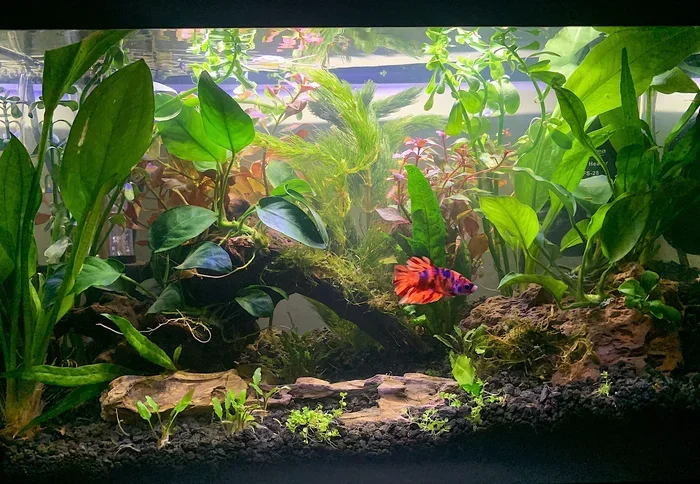
How Long Do Betta Fish Sleep per Day

Betta fish typically sleep between 12 and 14 hours per day, following a natural day-night cycle similar to humans. Their sleep patterns can change based on tank conditions, light exposure, and overall health. Understanding your betta’s rest needs is essential for keeping them happy and thriving.
If you have a betta fish, you might wonder whether your colorful companion is getting enough rest. How long do betta fish sleep per day is one of the most common questions new fish owners ask. The answer might surprise you. Bettas sleep quite a bit more than most people expect, and their sleep habits are fascinating to observe.
Just like humans, betta fish need regular rest to stay healthy. Poor sleep can lead to stress, a weakened immune system, and even a shorter lifespan. In this guide, we will cover everything you need to know about your betta’s sleep. We will look at how many hours they sleep, why they behave the way they do when resting, and what you can do to improve their sleep quality.
Whether you are a beginner or a seasoned fish keeper, understanding your betta’s sleep patterns will help you provide better care. Let us dive right in.
Key Takeaways
- Betta fish sleep 12–14 hours daily: They need consistent rest just like any other pet.
- Darkness matters: Your betta needs a proper light-dark cycle to maintain healthy sleep habits.
- Sleeping positions are normal: Bettas often sleep on their side, at the bottom, or even floating.
- Lack of sleep causes stress: Poor sleep can weaken your betta’s immune system and shorten how long do betta fish normally live.
- Nighttime behavior is key: Bettas are most active during the day and rest at night, so how do betta fish sleep at night is an important topic for every owner.
- Tank environment affects rest: Temperature, noise, and water quality all play a role in your betta’s sleep quality.
📑 Table of Contents
- How Many Hours Do Betta Fish Sleep Per Day?
- How to Tell If Your Betta Fish Is Sleeping
- The Day-Night Cycle and Your Betta’s Sleep
- What Happens When Betta Fish Do Not Get Enough Sleep?
- Tips to Improve Your Betta Fish’s Sleep Quality
- Do Betta Fish Sleep Differently at Night?
- Common Mistakes That Disrupt Betta Sleep
- Conclusion
How Many Hours Do Betta Fish Sleep Per Day?
On average, betta fish sleep between 12 and 14 hours every single day. That is a lot of rest! But here is the thing — bettas do not sleep all at once like we do. Instead, they take multiple short naps throughout the day and night. These naps can last anywhere from a few minutes to a couple of hours.
You might notice your betta floating still near the top of the tank or resting on a leaf at the bottom. Do not worry. This is completely normal. Bettas often find a cozy spot and stay there for a while. They may even curl up on a betta leaf hammock if you have one in the tank.
Several factors influence exactly how long your betta sleeps. Age is a big one. Younger bettas tend to be more active and sleep less. Older bettas slow down and rest more. Tank temperature also plays a role. Cooler water can make your betta sluggish and sleep more, while warmer water keeps them more alert.
Why Do Bettas Need So Much Sleep?
Bettas are tropical fish that come from warm, slow-moving waters in Southeast Asia. In the wild, they spend a lot of energy hunting for food and defending their territory. All that activity requires plenty of recovery time. Sleep helps bettas repair their bodies, conserve energy, and stay healthy.
When your betta is sleeping, its body is working behind the scenes. The immune system gets a boost, muscles recover, and the brain processes the day’s experiences. Think of it as recharge time for your fish.
How to Tell If Your Betta Fish Is Sleeping
One of the trickiest parts of betta care is figuring out whether your fish is actually sleeping or just resting. Bettas do not close their eyes like we do because they do not have eyelids. So how can you tell the difference? Look for these signs:
- Stillness: Your betta stays in one spot for a long time without moving much.
- Color fading: Bettas often look lighter or paler when they are asleep. This is completely normal.
- Slow breathing: You may notice their gills moving more slowly than usual.
- Lying on its side: Many bettas sleep on their side or even upside down. This looks alarming but is usually fine.
- No response to food: If you drop food near your betta and it does not react, it is likely sleeping.
Some owners worry when they see their betta sleeping at the bottom of the tank. While this can sometimes signal a health issue, it is often just normal rest. However, if your betta stays at the bottom for long periods and shows other symptoms like loss of appetite, you should check the water conditions.
Common Sleeping Positions Explained
Bettas are creative sleepers. They find all sorts of interesting positions to rest in. Some float near the surface with their fins drooping. Others wedge themselves between plants or decorations. A few even rest on the gravel at the bottom of the tank.
Each position tells you something about how comfortable your betta feels. A betta that sleeps in open areas trusts its environment. A betta that hides to sleep might feel stressed or unsafe. Providing plenty of hiding spots and plants can help your fish feel secure enough to rest deeply.
The Day-Night Cycle and Your Betta’s Sleep
Bettas are diurnal creatures, which means they are active during the day and sleep at night. This is similar to humans. A consistent day-night cycle is crucial for your betta’s overall well-being. Without proper light cues, your betta can become confused and develop irregular sleep patterns.
Here is what a healthy light schedule looks like for a betta tank:
- Morning light: Turn on the tank light for 8 to 10 hours per day.
- Evening darkness: Turn off the light to let your betta wind down and rest.
- No light at night: Avoid leaving lights on overnight. Complete darkness helps your betta sleep deeply.
If your room has ambient light from a window or a streetlamp, consider covering the tank at night. Too much light can disrupt your betta’s natural rhythm. This is especially important if you are asking yourself, how long do betta fish sleep per day, because irregular light directly affects their rest.
How Artificial Light Affects Betta Sleep
Many aquarium lights are too bright or stay on for too long. This can overstimulate your betta and prevent it from getting enough rest. LED lights with adjustable brightness are a great option. You can dim them in the evening to help your betta transition into sleep mode.
Also, avoid placing the tank near a television or other light sources that flicker or stay on at night. Bettas are sensitive to light changes, and a disrupted schedule can lead to stress and poor sleep quality.
What Happens When Betta Fish Do Not Get Enough Sleep?
Just like people, betta fish suffer when they do not get enough rest. Sleep deprivation in bettas can lead to a range of health problems. Understanding these risks will help you prioritize your fish’s sleep environment.
Stress and Weakened Immunity
A sleep-deprived betta becomes stressed quickly. Stress weakens the immune system, making your fish more vulnerable to diseases like ich, fin rot, and fungal infections. You might notice your betta clamping its fins, hiding more than usual, or losing its vibrant colors. All of these are signs that something is wrong with the sleep routine.
Shortened Lifespan
Chronic sleep deprivation can significantly shorten your betta’s lifespan. On average, how long do betta fish live depends heavily on their living conditions. A well-rested betta in a clean, properly lit tank can live 3 to 5 years or even longer. A stressed, sleep-deprived betta may only survive 1 to 2 years.
If you want your betta to live a long and healthy life, protecting its sleep is just as important as feeding it properly and keeping the water clean.
Behavioral Changes
A tired betta can become aggressive or lethargic. Some fish become hyperactive and dart around the tank. Others become sluggish and refuse to eat. Both extremes are unhealthy. A well-rested betta should be curious, active during the day, and calm at night.
Tips to Improve Your Betta Fish’s Sleep Quality
Good news — improving your betta’s sleep is not complicated. A few simple changes to the tank setup and daily routine can make a huge difference. Here are some practical tips that really work.
- Keep a consistent light schedule. Use a timer for your aquarium light so the tank gets the same amount of light every day. This helps regulate your betta’s internal clock.
- Add live plants and hiding spots. Plants give your betta places to rest and feel safe. Live plants also improve water quality, which indirectly supports better sleep.
- Maintain proper water temperature. Keep the tank between 76 and 82 degrees Fahrenheit. Too cold or too hot water can disrupt sleep patterns.
- Reduce noise and vibrations. Place the tank away from speakers, TVs, and high-traffic areas. Bettas are sensitive to vibrations, and loud noises can startle them awake.
- Do not tap on the glass. This might seem obvious, but tapping stresses bettas and can wake them from deep sleep repeatedly.
- Consider a dim night light. If you want to observe your betta at night, use a small blue or red LED light. These colors are less disruptive to your fish’s sleep than bright white light.
Quick Tips for Better Betta Sleep
- Keep the tank in a quiet room away from loud appliances.
- Use a gentle filter that does not create strong currents.
- Avoid feeding your betta right before lights-out. Digestion can keep them active.
- Perform regular water changes to keep the tank clean and stress-free.
- Observe your betta’s behavior daily to catch sleep issues early.
Do Betta Fish Sleep Differently at Night?
Bettas are primarily active during daylight hours. At night, they enter a deeper rest state. How do betta fish sleep at night is a question many owners ask, and the answer is straightforward. At night, bettas become very still and their metabolism slows down. They may hover in one spot or rest on a surface.
Unlike humans, bettas do not experience deep REM sleep in the same way. Their sleep is more of a light resting state. This is why they can be easily woken up by sudden movements or light changes. If you need to check on your betta at night, move slowly and avoid shining bright lights directly into the tank.
Some bettas become more active at dusk and dawn. You might notice your fish swimming around right before you turn the lights on in the morning or right after you turn them off at night. This crepuscular behavior is normal and shows that your betta is healthy and alert.
Can Betta Fish Sleep With the Light On?
Technically, yes. Bettas can sleep with the light on. But they should not have to. Constant light causes stress and prevents deep rest. Over time, this leads to the same health problems we discussed earlier. Always give your betta a period of complete darkness each night. It is one of the simplest and most effective ways to support healthy sleep.
Common Mistakes That Disrupt Betta Sleep
Even well-meaning fish owners can accidentally ruin their betta’s sleep. Here are some common mistakes to avoid:
- Leaving the tank light on 24/7: This is the fastest way to disrupt your betta’s sleep cycle. Bettas need darkness to rest properly.
- Placing the tank near a window: Natural sunlight creates inconsistent light patterns and can overheat the water. Use artificial lighting instead.
- Overcrowding the tank: Too many tank mates or too much decoration can make your betta feel unsafe, leading to restless sleep.
- Ignoring water quality: Dirty water causes stress, and stressed fish sleep poorly. Test your water regularly and keep parameters stable.
- Disturbing the tank at night: Avoid cleaning the tank or making loud noises after the lights go out. Your betta needs uninterrupted rest.
If you have noticed your betta sleeping more than usual or showing signs of restlessness, take a close look at the tank environment. Small adjustments can lead to big improvements in your fish’s sleep quality and overall health.
When to Be Concerned About Your Betta’s Sleep
Not all sleeping behavior is normal. If your betta sleeps for more than 16 hours a day, seems extremely lethargic, or has trouble staying afloat, it could be a sign of illness. Common issues include swim bladder disease, temperature shock, and parasitic infections. In these cases, it is important to test the water and observe for other symptoms.
Also, if your betta suddenly changes its sleep pattern — sleeping much more or much less than usual — that is worth investigating. Sudden changes often point to environmental stressors or health problems that need immediate attention.
For more information on betta health and longevity, check out our guide on how long do betta fish normally live to understand how sleep connects to overall lifespan.
Conclusion
How long do betta fish sleep per day is a question with a clear answer: most bettas need 12 to 14 hours of rest every day. Their sleep is broken into multiple short naps, and they rely on a consistent day-night cycle to stay healthy. By providing proper lighting, a calm environment, and clean water, you can ensure your betta gets the rest it deserves.
Remember, a well-rested betta is a happy betta. Pay attention to your fish’s sleeping habits, watch for warning signs, and make adjustments when needed. Your efforts will pay off with a vibrant, energetic fish that brings joy to your home for years to come.
Take some time today to evaluate your betta’s tank setup. A few small changes could transform your fish’s sleep quality and overall well-being. Your betta will thank you for it.
Frequently Asked Questions
How many hours a day does a betta fish sleep?
Betta fish typically sleep between 12 and 14 hours per day. They do not sleep all at once but take multiple short naps throughout the day and night. The exact amount can vary based on age, tank conditions, and overall health.
Do betta fish close their eyes when they sleep?
No, betta fish do not have eyelids, so they cannot close their eyes. Even when they are in a deep sleep, their eyes remain open. This is completely normal and nothing to worry about.
Is it normal for my betta to sleep at the bottom of the tank?
Yes, many bettas sleep at the bottom of the tank. They may rest on the gravel, hide between plants, or float near the substrate. However, if your betta stays at the bottom for extended periods and shows other symptoms like loss of appetite, you should check the water quality and temperature.
Can too much light cause my betta to sleep less?
Yes, excessive light disrupts a betta’s natural sleep-wake cycle. Bettas need 8 to 10 hours of light and 12 to 14 hours of darkness each day. Too much light causes stress and prevents them from getting proper rest.
Why does my betta fish sleep so much?
If your betta sleeps more than 16 hours a day, it could indicate stress, poor water quality, or illness. Low temperatures, lack of stimulation, and an inconsistent light schedule are common causes. Test your water parameters and review the tank environment to identify the issue.
How can I help my betta fish sleep better at night?
Turn off all aquarium lights at night and keep the room quiet. Avoid tapping on the glass or making sudden movements near the tank. Adding live plants and hiding spots also helps your betta feel secure enough to rest deeply through the night.