How Long Do Blue Betta Fish Live For

The average blue betta fish lives for 3 to 5 years, but with the right care, some can reach 7 years or more. Your betta’s lifespan depends heavily on water quality, tank size, diet, and overall fish health. This guide covers everything you need to know to help your blue betta fish live a long, happy life.
Blue betta fish are stunning creatures. Their vivid blue colors and flowing fins make them one of the most popular freshwater fish in the hobby. But many new fish owners wonder, “how long do blue betta fish live for?” The answer depends on several important factors.
If you are thinking about bringing a blue betta home, understanding their lifespan is essential. A well-cared-for betta can live surprisingly long. But poor conditions can cut their life short. This article covers everything you need to know about the blue betta fish lifespan, from tank setup to diet and common health issues.
Key Takeaways
- Average lifespan: Blue betta fish typically live 3 to 5 years in captivity.
- Tank size matters: A minimum 5-gallon tank significantly improves their health and longevity.
- Water quality is critical: Regular water changes and proper filtration prevent common diseases.
- Diet affects lifespan: A varied diet of pellets, live food, and frozen foods keeps bettas healthy.
- Stress reduces lifespan: Avoid overcrowding, bright lights, and aggressive tank mates.
- Genetics play a role: Some blue bettas are bred for hardiness and longer life.
- Early detection helps: Knowing the signs of illness lets you treat problems before they become serious.
📑 Table of Contents
How Long Do Blue Betta Fish Live For?
The typical blue betta fish lifespan ranges from 3 to 5 years. However, this is just an average. Some blue bettas live longer, and some live shorter lives. The key difference comes down to how they are cared for.
Average Lifespan in Captivity
Most blue bettas live about 3 to 5 years when kept in a proper aquarium tank. In the wild, their lifespan may be shorter due to predators and environmental challenges. But in a well-maintained tank, they have a much better chance of reaching their full potential.
Can Blue Bettas Live Longer Than 5 Years?
Yes, some blue bettas can live 6 to 7 years or even longer. This usually happens when fish owners pay close attention to water quality, diet, and overall fish health. The longest-living bettas often come from reputable breeders who focus on strong genetics and healthy bloodlines.
Factors That Affect Blue Betta Fish Lifespan
Many things influence how long your blue betta will live. Understanding these factors helps you make better choices for your fish.
Tank Size and Setup
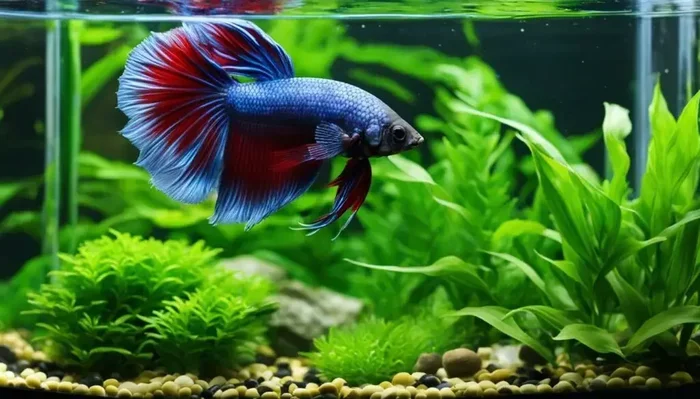
A small bowl is not enough for a betta. The minimum tank size should be 5 gallons. Larger tanks, like 10 gallons, provide even more stable water conditions. A proper tank setup includes a gentle filter, a heater, and hiding spots. Bettas need warm water between 76°F and 82°F to stay healthy.
Water Quality
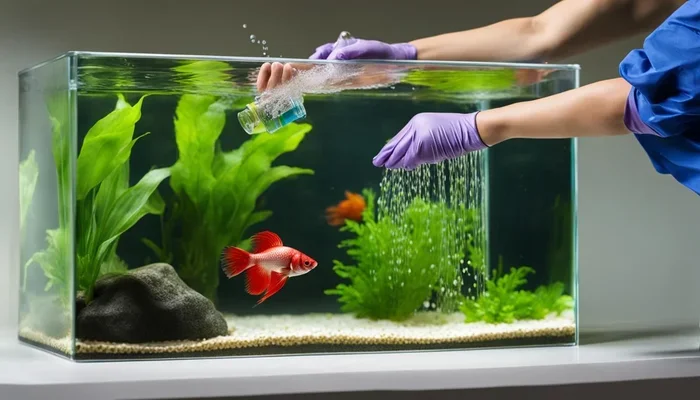
Clean water is the most important factor for betta health. Dirty water causes stress and leads to diseases. You should perform weekly water changes of about 25 to 30 percent. Using a water conditioner removes harmful chemicals like chlorine and chloramine.
Diet and Nutrition
What you feed your blue betta directly affects its lifespan. A balanced diet keeps their immune system strong. Pellets made specifically for bettas should be the staple food. You can also offer live or frozen foods like brine shrimp and bloodworms as treats.
Stress and Environment
Stress weakens a betta’s immune system. Avoid placing the tank near windows with direct sunlight. Do not keep aggressive tank mates with your betta. Bright, flickering lights can also cause stress. A calm, stable environment helps your fish live longer.
Genetics
Some blue bettas are simply born stronger. Bettas from reputable breeders tend to have better genetics. They are less prone to diseases and deformities. If you want a long-living betta, buy from a trusted source.
Common Health Issues That Shorten Blue Betta Lifespan
Even with the best care, blue bettas can get sick. Knowing the signs of common diseases helps you act fast.
Fin Rot
Fin rot is a bacterial infection that damages the fins and tail. It often happens in dirty water. Signs include frayed fins, discoloration, and a ragged appearance. Treating fin rot early with medication can save your fish.
Ich (White Spot Disease)
Ich is a parasitic infection that shows up as white spots on the body. It spreads quickly in stressed fish. Raising the water temperature slightly and using medication can help treat ich effectively.
Swim Bladder Disease
Swim bladder disease affects a betta’s ability to swim properly. The fish may float sideways or struggle to stay upright. Overfeeding and constipation often cause this issue. Feeding peas or fasting for a day can help.
Bloating
Bloating happens when a betta eats too much or swallows air. A swollen belly is the main sign. Avoid overfeeding and offer a varied diet to prevent bloating.
Best Tank Setup for a Long-Healthy Blue Betta Life
Setting up the right tank is one of the best things you can do for your blue betta. Here is a simple guide to creating a healthy environment.
Tank Size
Go with at least a 5-gallon tank. This gives your betta enough room to swim and explore. Larger tanks are even better because they keep water parameters more stable.
Filtration
Use a gentle sponge filter. Bettas do not like strong currents. A sponge filter provides mechanical and biological filtration without creating too much flow.
Heating
A small aquarium heater keeps the water temperature stable. Bettas are tropical fish and need warmth. Set the heater to maintain a temperature between 76°F and 82°F.
Decorations and Plants
Add live or silk plants for hiding spots. Avoid sharp plastic decorations that can tear fins. Caves and driftwood create a natural feel and reduce stress.
How to Help Your Blue Betta Live Longer
You cannot control genetics, but you can control care. Here are practical tips to maximize your blue betta fish lifespan.
- Keep the water clean. Perform regular water changes and test the water weekly.
- Feed a balanced diet. Offer high-quality pellets and vary their diet with live or frozen foods.
- Watch for signs of illness. Check your betta daily for changes in color, appetite, or behavior.
- Avoid overfeeding. Feed small amounts twice a day. Remove uneaten food after a few minutes.
- Minimize stress. Keep the tank in a quiet area away from loud noises and direct sunlight.
- Quarantine new fish. If you add new fish to your tank, quarantine them first to prevent disease spread.
Quick Tips for Blue Betta Care
- Always use a water conditioner before adding tap water to the tank.
- Never keep your betta in a bowl smaller than 5 gallons.
- Avoid using sharp gravel or rough decorations.
- Wash your hands before and after handling tank water.
- Observe your betta daily for any changes in behavior.
Common Mistakes That Shorten Blue Betta Lifespan
- Keeping bettas in tiny bowls. Small volumes of water change temperature and chemistry quickly, stressing the fish.
- Overfeeding. Excess food rots in the water and causes bloating and poor water quality.
- Skipping water changes. Even with a filter, waste builds up over time and harms your fish.
- Using cold water. Bettas need warm tropical temperatures to stay active and healthy.
- Ignoring early signs of illness. Catching diseases early makes treatment much easier and more effective.
Expert Insights on Blue Betta Fish Longevity
Experienced betta keepers agree that water quality is the single most important factor. A clean, stable environment reduces the risk of disease and promotes long life. Many seasoned hobbyists also recommend buying bettas from reputable breeders rather than pet stores. Breeder bettas often come from healthier bloodlines and adapt better to home aquariums.
Another expert tip is to avoid keeping male bettas together. Male bettas are aggressive and will fight, which causes severe stress and can lead to injury or death. If you want a community tank, choose peaceful, non-fin-nipping tank mates carefully.
For more detailed guidance on betta fish care, check out our complete guide on how to care for a betta fish. It covers everything from tank setup to feeding schedules.
Conclusion
So, how long do blue betta fish live for? The answer is typically 3 to 5 years, but with excellent care, some blue bettas can live even longer. The secret lies in providing a clean tank, a proper diet, and a low-stress environment. Every choice you make as a fish owner impacts your betta’s health and happiness.
Taking the time to understand your blue betta’s needs pays off in years of enjoyment. These beautiful fish reward attentive owners with vibrant color and lively behavior. Start with the basics, stay consistent, and your blue betta will thrive.
Remember, a healthy betta is a happy betta. Focus on the factors you can control, and your fish will have the best chance at a long and fulfilling life.
Frequently Asked Questions
What is the average blue betta fish lifespan?
The average lifespan of a blue betta fish is 3 to 5 years in captivity. With excellent care, some individuals can live 6 to 7 years or longer. Water quality, diet, and genetics all play a role in determining how long your betta lives.
Can blue betta fish live in a small bowl?
While bettas can survive in small bowls, they do not thrive in them. A bowl under 5 gallons makes it hard to maintain stable water conditions. For a longer, healthier lifespan, always use at least a 5-gallon tank with proper filtration and heating.
How can I make my blue betta fish live longer?
Keep the water clean with regular changes, feed a balanced diet of pellets and live foods, and maintain stable water temperature. Avoid stress by providing hiding spots and peaceful tank mates. Early detection of illness also helps extend your betta’s life.
Why did my blue betta fish die early?
Common reasons include poor water quality, overfeeding, incorrect water temperature, and untreated diseases. Bettas kept in small bowls or unfiltered tanks often have shorter lifespans. Understanding proper betta care greatly reduces the risk of early death.
Are blue betta fish harder to care for than other colors?
No, blue bettas are not harder to care for than other color varieties. Their care requirements are the same as any betta fish. The key is maintaining clean water, proper heating, and a healthy diet regardless of their color.
How long do blue betta fish live in the wild compared to captivity?
Wild bettas often have shorter lifespans due to predators, disease, and environmental changes. In captivity, they live longer because their environment is controlled and protected. Most captive blue bettas live 3 to 5 years, which is longer than their wild counterparts typically reach.