Is Tumeric or Fish Oil Better Anti Inflamatory
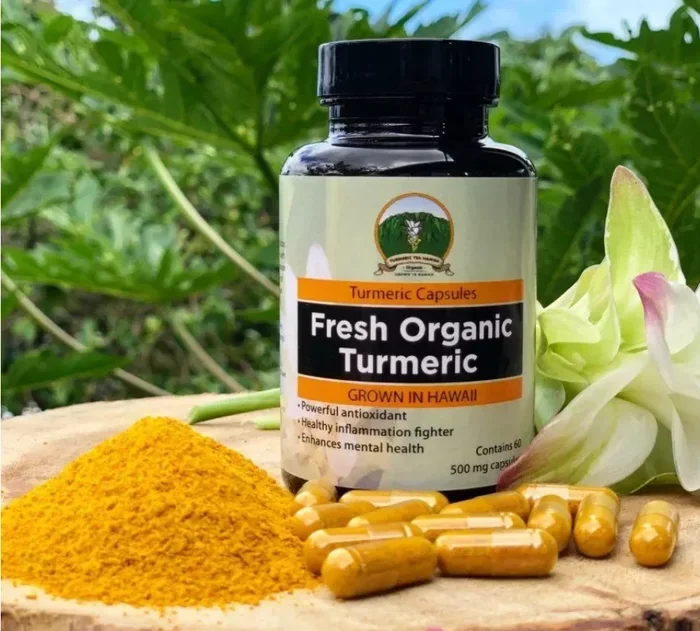
When it comes to fighting inflammation, both turmeric and fish oil are powerful options, but they work in surprisingly different ways. Turmeric contains curcumin, a compound that directly targets inflammatory pathways, while fish oil delivers omega-3 fatty acids that reduce inflammation from the inside out. The right choice depends on your specific health goals, lifestyle, and the type of inflammation you are dealing with.
SEO Title: Is Turmeric or Fish Oil Better Anti Inflammatory? Top Pick Revealed
Meta Title: Turmeric or Fish Oil Better Anti Inflammatory? Here’s the Truth
Meta Description: Wondering if turmeric or fish oil is better for fighting inflammation? We break down the science, benefits, and which one wins for pain relief and joint health.
URL Slug: is-turmeric-or-fish-oil-better-anti-inflammatory
Opening Summary:
If you’re searching for the best anti-inflammatory option, you’ve likely wondered: is turmeric or fish oil better anti inflammatory? Both are popular natural remedies that millions of people swear by. Turmeric contains curcumin, a powerful compound known for reducing inflammation and oxidative stress. Fish oil delivers omega-3 fatty acids like EPA and DHA, which support heart health and joint comfort. In this guide, we’ll compare both options head-to-head so you can choose what works best for your needs.
Key Takeaways
- Turmeric wins as the stronger anti-inflammatory for most people.
- Fish oil excels at joint pain and heart health support.
- Combining both supplements delivers the best overall anti-inflammatory benefits.
- Always pair turmeric with black pepper to boost absorption.
- Consult your doctor before starting either supplement regularly.
- Choose fish oil for omega-3 needs and turmeric for inflammation.
📑 Table of Contents
What Is Inflammation and Why It Matters
Understanding Acute vs Chronic Inflammation
Inflammation is your body’s natural defense system. When you get a cut or catch a cold, inflammation kicks in to protect you. This is called acute inflammation, and it’s actually a good thing. It signals your immune system to heal and repair damaged tissue.
But sometimes inflammation sticks around long after the threat is gone. This is chronic inflammation, and it can cause serious problems. Over time, it contributes to joint pain, heart disease, and even certain cancers. That’s why finding effective inflammation reduction strategies matters so much.
Common Causes of Ongoing Inflammation
- Poor diet high in processed foods and sugar
- Lack of regular physical activity
- Chronic stress and poor sleep habits
- Exposure to environmental toxins and oxidative stress
- Aging and hormonal changes
Many people turn to natural remedies instead of relying solely on over-the-counter medications. That’s where turmeric and fish oil enter the picture. Both have gained massive popularity as daily supplements for managing inflammation naturally.
Turmeric: The Golden Spice Powerhouse
What Makes Turmeric So Special
Turmeric is a bright yellow spice that comes from the ginger family. It has been used in traditional medicine for thousands of years, especially in South Asian cultures. The secret behind its power lies in a compound called curcumin.
Curcumin is the main active ingredient in turmeric. It blocks certain molecules that trigger inflammation at the cellular level. Think of it as putting a brake on your body’s overactive inflammatory response. This makes turmeric supplement options very appealing for people dealing with joint pain and stiffness.
Key Benefits of Turmeric for Inflammation
- Strong anti-inflammatory effects: Curcumin directly targets inflammatory pathways in the body
- Antioxidant properties: It fights free radicals that cause oxidative stress and cell damage
- Supports brain health: May improve memory and reduce the risk of neurodegenerative conditions
- Heart health support: Helps improve blood vessel function and reduce inflammation markers
- Digestive benefits: Traditionally used to soothe stomach issues and support liver function
The Bioavailability Problem
Here’s the catch with turmeric. Curcumin doesn’t absorb well on its own. Your body struggles to use it efficiently without help. This is called the bioavailability issue. The good news is that pairing turmeric with black pepper or piperine can boost absorption by up to 2,000%. That’s why many turmeric supplement products now include piperine extracts.
Taking turmeric with a fatty meal also helps. Since curcumin is fat-soluble, healthy fats increase how much your body actually absorbs. Keep this in mind when choosing your supplement routine.
Fish Oil: The Omega-3 Champion
Why Omega-3 Fatty Acids Matter
Fish oil is one of the most studied supplements in the world. It’s packed with omega-3 fatty acids, specifically EPA (eicosapentaenoic acid) and DHA (docosahexaenoic acid). These essential fats play a crucial role in reducing inflammation throughout your entire body.
Your body can’t make omega-3s on its own. You have to get them from food or supplements. That’s why many people choose fish oil capsules as a daily habit. They’re convenient and deliver a concentrated dose of the good stuff.
Key Benefits of Fish Oil for Inflammation
- Reduces inflammatory markers: EPA and DHA lower substances like C-reactive protein (CRP)
- Eases joint discomfort: Particularly helpful for people with arthritis or stiffness
- Supports heart health: Lowers triglycerides and supports healthy blood pressure
- Improves mental clarity: DHA supports brain function and emotional wellbeing
- Skin and hair benefits: Keeps skin moisturized and supports healthy aging
Choosing Quality Fish Oil Supplements
Not all fish oil products are created equal. Look for supplements that list both EPA and DHA amounts on the label. A good daily dose typically ranges from 1,000 to 3,000 mg of combined omega-3s. Also, choose products that have been tested for purity and free from heavy metals. Third-party testing from organizations like IFOS or USP adds an extra layer of trust.
If you’re comparing omega-3 fish oil or flaxseed, fish oil is generally more effective because it already contains EPA and DHA in a form your body can use immediately. Flaxseed provides ALA, which your body must convert first — and that conversion is very inefficient.
Head-to-Head: Turmeric vs Fish Oil for Inflammation
Comparing the Science Behind Both
So, is turmeric or fish oil better anti inflammatory? Let’s look at the real science. Both work differently in your body, and both have strong research backing. The right choice depends on what you’re specifically trying to achieve.
Turmeric works mainly by blocking inflammatory enzymes called COX-2 and NF-kB. Think of it as a targeted strike against specific inflammatory signals. Fish oil, on the other hand, changes the makeup of your cell membranes over time. It reduces the production of inflammatory compounds broadly across your system.
Side-by-Side Comparison Table
| Feature | Turmeric (Curcumin) | Fish Oil (Omega-3) |
|---|---|---|
| Main active compound | Curcumin | EPA and DHA |
| How it reduces inflammation | Blocks inflammatory enzymes directly | Rebuilds cell membranes and lowers CRP |
| Best for | Joint pain, oxidative stress, digestive health | Heart health, general inflammation, brain function |
| Absorption | Needs piperine or fat for best absorption | Absorbs well with food |
| Time to notice effects | 2-4 weeks typically | 4-8 weeks for full benefits |
| Natural sources | Turmeric root, curry dishes | Salmon, mackerel, sardines |
| Common side effects | Stomach upset at high doses | Fishy burps, mild GI issues |
Which One Wins for Specific Needs
Here’s a quick breakdown to help you decide. If you deal with joint pain or arthritis-like symptoms, turmeric often provides faster, more targeted relief. Many people report feeling less morning stiffness within two weeks of starting a curcumin supplement.
If your main concern is overall inflammation reduction and long-term heart health, fish oil tends to be the stronger choice. Its effects build gradually and support your entire cardiovascular system. For people dealing with both inflammation and heart concerns, combining the two can be powerful — we’ll discuss that next.
Quick Tips for Choosing Between Them
- Start with turmeric if you want targeted relief for pain and stiffness
- Choose fish oil if you want broad, long-term anti-inflammatory support
- Consider your budget — quality turmeric supplement products are often cheaper than premium fish oil
- Think about taste and convenience — fish oil capsules can sometimes cause reflux
How to Choose the Right One for You
Factors to Consider Before Deciding
Picking between turmeric and fish oil isn’t one-size-fits-all. Your personal health goals, lifestyle, and even your diet all play a role. Let’s walk through the most important factors so you can make a confident choice.
Your current health condition matters most. If you have heart disease or high triglycerides, fish oil should be your first pick. The omega-3s directly support cardiovascular function and lower harmful fats in your blood. If you deal with chronic joint pain or inflammatory conditions like tendinitis, turmeric’s curcumin offers more focused relief.
Your diet also plays a big role. If you eat fatty fish like salmon or sardines several times a week, you might already get enough omega-3s. In that case, adding turmeric to your routine could give you the extra inflammation reduction boost you need. On the other hand, if you’re vegetarian or rarely eat fish, a high-quality fish oil capsule or algae-based alternative becomes more important.
Dosage Recommendations
Getting the dosage right makes a huge difference in results. Here are some general guidelines:
- Turmeric: 500-1,000 mg of curcumin extract daily (not raw turmeric powder). Look for products with at least 95% curcuminoids for maximum strength.
- Fish oil: 1,000-3,000 mg of combined EPA and DHA daily. Check the label carefully — many products list the total oil weight, not the actual omega-3 content.
Always start with a lower dose and increase gradually. This gives your body time to adjust and reduces the chance of side effects. If you take blood thinners or other medications, talk to your doctor before starting either supplement. Both can interact with certain prescriptions, especially blood-thinning drugs.
Expert Insights on Making the Best Choice
Many nutrition experts recommend looking at your inflammation markers through blood work before deciding. Tests like hs-CRP and ESR give you a clear picture of how much inflammation is present in your body. This data helps you and your healthcare provider choose the most effective supplement strategy. Some practitioners even recommend starting both turmeric and fish oil together for people with high inflammation levels, then adjusting based on results.
Dr. Rhonda Patrick, a well-known researcher in nutritional science, has noted that combining omega-3s with antioxidant-rich compounds creates a powerful synergy for managing chronic inflammation. This approach targets multiple inflammatory pathways simultaneously rather than just one.
Combining Both: The Power Team Approach
Why Using Turmeric and Fish Oil Together Can Be Better
Here’s something many people don’t realize. Turmeric and fish oil work through different mechanisms in your body. That means they don’t compete with each other — they complement each other beautifully. Using both creates a multi-layered defense against inflammation.
Think of it like this: fish oil strengthens the overall foundation of your cells, while turmeric acts as a targeted repair crew fixing specific damage. Together, they address both the root causes and the immediate symptoms of chronic inflammation. This approach is especially helpful for people dealing with multiple health concerns at once.
How to Safely Combine Them
- Take them with meals containing healthy fats to maximize absorption for both
- Space doses apart if you experience any digestive discomfort
- Start with one supplement for two weeks, then add the second gradually
- Choose high-quality products from reputable brands with third-party testing
- Monitor how you feel and adjust dosage based on your body’s response
Real-World Results People Report
Many people who combine turmeric and fish oil report noticeable improvements within a few weeks. Common benefits include less morning stiffness, improved energy levels, better mood, and clearer thinking. Some users also notice improvements in skin texture and reduced bloating.
One important thing to keep in mind: results vary from person to person. Your body chemistry, the severity of your inflammation, and the quality of the supplements you choose all affect outcomes. Patience and consistency are key. Most people see the best results after committing to a routine for at least 8-12 weeks.
Common Mistakes People Make
Avoid these pitfalls when starting your anti-inflammatory supplement journey:
- Choosing cheap supplements with low curcumin content or poor omega-3 concentrations
- Forgetting that turmeric needs fat and piperine for proper absorption
- Expecting overnight results — both supplements build up gradually in your system
- Ignoring the importance of a healthy diet alongside supplements
- Not consulting a healthcare provider if you take prescription medications
Final Verdict: Which Is Better for Fighting Inflammation?
So, is turmeric or fish oil better anti inflammatory? The honest answer is that both are excellent choices, and the best option depends entirely on your personal health needs. If you prioritize targeted joint pain relief and quick anti-inflammatory action, turmeric with curcumin is your go-to. If you want broad, long-term protection for your heart, brain, and overall inflammation reduction, fish oil delivers powerful results.
For many people, the ideal solution is using both together. They target different inflammatory pathways and create a stronger defense than either one alone. Just remember to choose quality products, take them consistently, and pair them with a healthy lifestyle that includes regular movement, good sleep, and anti-inflammatory foods like leafy greens, berries, and nuts.
Your body deserves the best care you can give it. Whether you choose turmeric, fish oil, or both, taking that step toward managing inflammation is a powerful move for your long-term health. Start today, stay consistent, and give your body the support it needs to thrive.
Frequently Asked Questions
Which Is More Effective for Joint Inflammation — Turmeric or Fish Oil?
Both turmeric and fish oil are powerful anti-inflammatory supplements, but they work in different ways. Turmeric contains curcumin, which directly targets inflammatory pathways, while fish oil provides omega-3 fatty acids that reduce overall inflammation. For joint-specific relief, many people find turmeric works better, but combining both can offer stronger results.
Can You Take Turmeric and Fish Oil Together for Inflammation?
Yes, taking turmeric and fish oil together is generally safe and can enhance anti-inflammatory benefits. Both supplements complement each other since they target inflammation through different mechanisms. Just be sure to follow recommended dosages and consult your doctor if you take blood thinners.
How Long Does It Take for Turmeric or Fish Oil to Reduce Inflammation?
Most people notice anti-inflammatory effects from turmeric within 2 to 4 weeks of consistent use. Fish oil typically takes a similar timeframe, though some studies suggest omega-3 benefits build gradually over 6 to 8 weeks. Individual results vary based on dosage, diet, and the severity of inflammation.
Is Turmeric or Fish Oil Better for Arthritis Inflammation?
Research suggests turmeric may be slightly more effective for arthritis inflammation because curcumin directly inhibits inflammatory enzymes. Fish oil also helps by lowering pro-inflammatory compounds in the body. Many arthritis sufferers benefit from using both supplements as part of a broader anti-inflammatory plan.
What Are the Side Effects of Turmeric vs Fish Oil for Inflammation?
Turmeric can cause mild digestive issues like bloating or stomach upset, especially at high doses. Fish oil may lead to fishy burps, nausea, or loose stools, and it can thin the blood slightly. Both are generally well-tolerated, but it is wise to speak with a healthcare provider before starting either supplement.
Which Anti-Inflammatory Supplement Works Faster, Turmeric or Fish Oil?
Turmeric tends to produce noticeable anti-inflammatory effects faster than fish oil for most users. Fish oil works more gradually as it rebuilds cell membranes and balances omega-6 to omega-3 ratios over time. If you need quicker relief, turmeric may be the better starting point.