Why Does Betta Fish Lay on Side

Betta fish may lie on their side for many reasons, from simple stress to serious health issues. Understanding the cause helps you act quickly, keeping your vibrant companion healthy and active.
Key Takeaways
- Common stressors: Poor water quality, temperature swings, and aggressive tank mates often make bettas lie on their side.
- Health red flags: Swollen abdomen, ragged fins, or loss of color signal disease that needs immediate attention.
- Water parameters matter: Keeping temperature between 76‑82°F and ammonia at 0 ppm can prevent many side‑lying incidents.
- Behavioral clues: A betta that’s still eating, breathing normally, and responding to stimuli is likely stressed, not ill.
- Quick fixes: Partial water changes, temperature adjustments, and a calm environment often restore normal swimming.
- When to seek help: Persistent side‑lying, bubble‑nest loss, or rapid color change means a vet or experienced hobbyist should be consulted.
- Prevention tips: Regular testing, proper tank size, and a balanced diet keep your betta upright and happy.
📑 Table of Contents
- Introduction: The Upside‑Down Betta Mystery
- 1. Water Quality – The Silent Culprit
- 2. Stressors in the Tank Environment
- 3. Health Issues That Make Betta Fish Lay on Side
- 4. Nutrition and Feeding Habits
- 5. Recognizing When It’s an Emergency
- 6. Prevention: Keeping Your Betta Upright and Happy
- Conclusion
Introduction: The Upside‑Down Betta Mystery
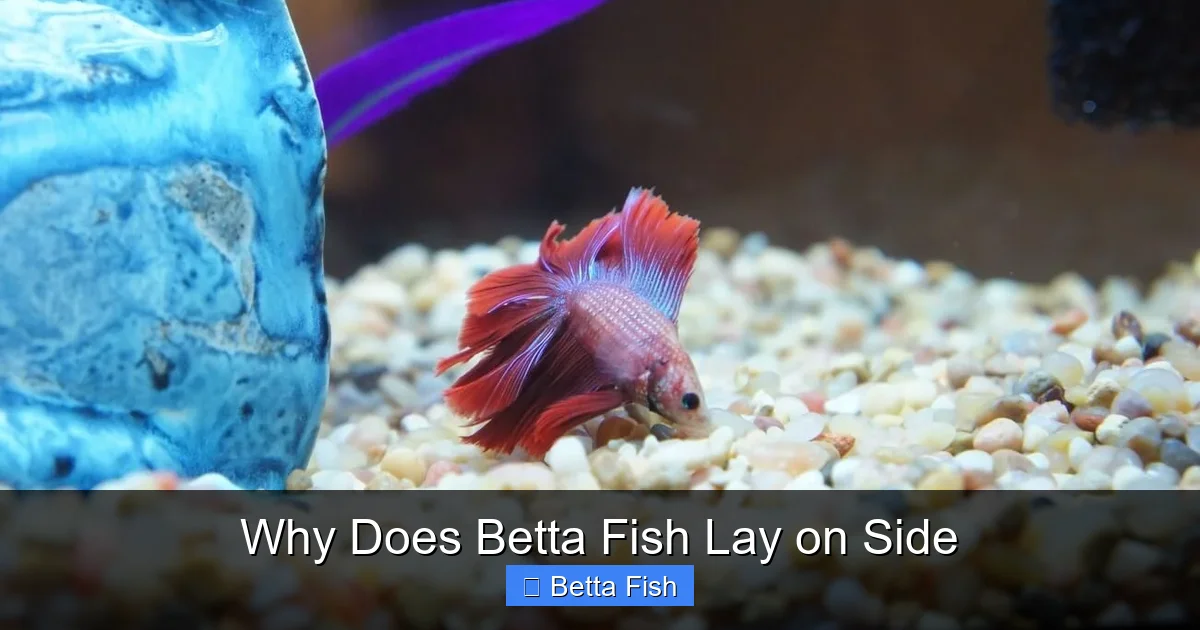
Imagine you come home to find your bright‑red betta floating on its side, looking more like a tiny submarine than a graceful swimmer. It’s a sight that can make any fish keeper’s heart skip a beat. The question instantly pops into your mind: why does betta fish lay on side?
Don’t panic. While a side‑lying betta can be a warning sign, it’s also often a reversible reaction to something in its environment. In this article we’ll walk through the most common reasons, how to spot the difference between stress and disease, and what you can do right now to turn that upside‑down fish right side up.
1. Water Quality – The Silent Culprit
Ammonia, Nitrite, and Nitrate Levels
Betta fish are especially sensitive to poor water conditions. Even a tiny spike in ammonia (NH₃) can make them feel disoriented, causing them to drift or lie on their side. Test your water weekly with a reliable kit and keep ammonia at 0 ppm, nitrite at 0 ppm, and nitrate below 20 ppm.
Visual guide about Why Does Betta Fish Lay on Side
Image source: aquariumsource.com
Temperature Troubles
Betas thrive in warm water, ideally 76‑82°F (24‑28°C). A sudden drop can shock their metabolism, making them sluggish and prone to side‑lying. Use a reliable aquarium heater and a thermometer to maintain a stable temperature.
pH and Hardness
Although bettas tolerate a pH range of 6.5‑7.5, rapid shifts can stress them. Aim for a stable pH around 7.0 and moderate hardness (GH 3‑4). If you notice your fish lying on its side after a water change, double‑check that the new water matches the tank’s parameters.
2. Stressors in the Tank Environment
Tank Size and Space
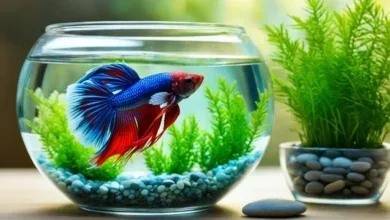
Betta fish need room to swim. A bowl or a tank smaller than 2.5 gallons can lead to constant bumping into glass, which may cause them to rest on their side. Upgrade to at least a 5‑gallon tank for a healthier, more active betta.

Visual guide about Why Does Betta Fish Lay on Side
Image source: fishtrivia.com
Tank Mates and Aggression
Even though bettas are called “Siamese fighting fish,” they can become stressed if they sense other fish nearby, especially fin‑nipping species. This stress can manifest as side‑lying behavior. If you keep companions, make sure the tank is heavily planted and provides plenty of hiding spots.
Lighting and Noise
Bright, flickering lights or loud vibrations (e.g., from a nearby speaker) can startle a betta. Dim the lights to a gentle 8‑10 hour cycle and place the tank in a quiet corner.
3. Health Issues That Make Betta Fish Lay on Side
Swim Bladder Disorder
The swim bladder is a gas‑filled organ that helps fish maintain buoyancy. If it becomes inflamed or infected, the betta may float upside down or lie on its side. Signs include a “puffy” belly and difficulty staying upright.

Visual guide about Why Does Betta Fish Lay on Side
Image source: bettacarefishguide.com
Internal Parasites and Bacterial Infections
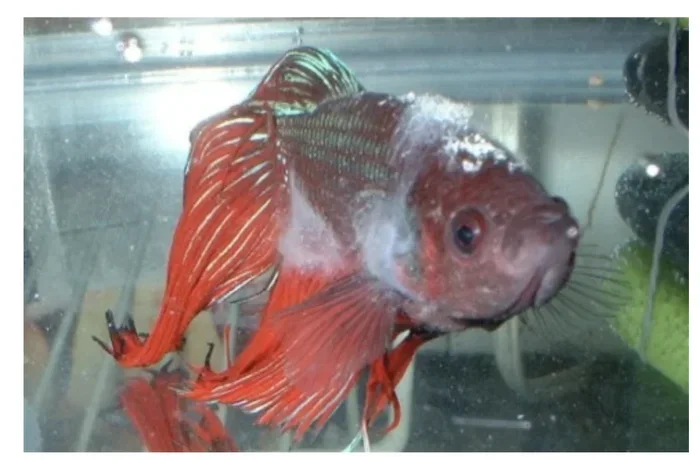
Parasites like Ichthyophthirius multifiliis or bacterial infections can cause lethargy and loss of balance. Look for other symptoms such as white spots, ragged fins, or clouded eyes.
Fungal or Velvet Disease
Fungal growth appears as cotton‑like patches, while Velvet gives a dusty gold sheen. Both can make a betta feel weak enough to lay on its side.
Link to Related Issue
For a deeper dive into a similar symptom, read our guide on why betta fish floating on its side. It covers many of the same health concerns with additional treatment steps.
4. Nutrition and Feeding Habits
Overfeeding and Constipation
Too much food can lead to a bloated abdomen, pressing on the swim bladder and causing the fish to lie on its side. Feed small portions 2‑3 times daily and remove uneaten food after 5 minutes.
Quality of Diet
Betas need high‑protein foods like live or frozen brine shrimp, daphnia, and specially formulated betta pellets. A poor diet weakens their immune system, making them vulnerable to disease that can affect buoyancy.
Link to Feeding Guide
Learn more about what to feed your betta in our article what does betta fish eat.
5. Recognizing When It’s an Emergency
Key Symptoms to Watch
- Rapid color fading or turning white.
- Fins looking shredded or ragged.
- Loss of appetite for more than 48 hours.
- Persistent floating on the side despite water changes.
Immediate Steps
- Perform a 25‑30% water change with temperature‑matched water.
- Check temperature and adjust the heater if needed.
- Isolate the betta in a hospital tank (2‑gallon) with clean water.
- Consider adding a mild antibacterial treatment like Maracyn 2 if bacterial infection is suspected.
When to Call a Vet
If the side‑lying persists after 24‑48 hours of treatment, or if you notice swelling, ulcerated spots, or severe fin loss, seek a fish‑specialist vet. Early intervention can save your betta’s life.
6. Prevention: Keeping Your Betta Upright and Happy
Regular Maintenance Schedule
– Test water weekly.
– Change 20‑30% of water every week.
– Clean substrate and decorations to prevent ammonia spikes.
Tank Setup Tips
Use a gentle filter that creates low flow; bettas prefer calm water. Add live plants like Java fern or Anubias for hiding spots and natural filtration.
Behavioral Enrichment
Provide floating toys, mirror play (short periods), and occasional live foods to keep your betta mentally stimulated. A happy betta is less likely to develop stress‑related side‑lying.
Link to Related Behavior Article
Curious why bettas sometimes swim sideways? Check out why betta fish swim sideways for more insight.
Conclusion
Seeing your betta fish lay on its side can feel alarming, but with a systematic approach you can quickly identify the cause and take corrective action. Start by checking water quality, temperature, and tank conditions. If those are spot‑on, look for signs of disease or nutritional issues. Prompt treatment, a clean environment, and a balanced diet will usually get your finned friend back to swimming proudly at the top of the tank.
Remember, prevention is always easier than cure. Regular testing, proper tank size, and a stress‑free environment are the best gifts you can give your betta. Keep an eye on subtle changes, act fast, and enjoy the vibrant colors and lively personality that make betta fish such beloved pets.
Frequently Asked Questions
Why does my betta fish lay on its side after a water change?
Sudden changes in temperature, pH, or hardness can shock a betta. Make sure the new water matches the tank’s parameters and acclimate the fish slowly.
Can a betta fish recover from swim bladder disorder?
Yes, many bettas recover with proper diet adjustments, fasting for 24‑48 hours, and a clean environment. Severe cases may need medication.
Is it normal for a betta to rest on its side for a short time?
Occasional brief rests are normal, especially after feeding. If the fish stays on its side for long periods or shows other symptoms, investigate further.
How often should I change the water to prevent side‑lying behavior?
Change 20‑30% of the water weekly and test for ammonia, nitrite, and nitrate each time. Consistent maintenance keeps stress low.
What temperature range helps keep my betta upright?
Maintain water between 76‑82°F (24‑28°C). Use a reliable heater and thermometer to avoid sudden drops.
Should I isolate a betta that is laying on its side?
Yes, moving the fish to a small hospital tank with clean, temperature‑matched water helps reduce stress and makes treatment easier.