Why Does a Betta Fish Lose Its Color

Betta fish lose their brilliant colors for many reasons, from stress and poor water to illness and aging. By understanding the signs, fixing the environment, and providing proper care, you can help your finned friend regain its sparkle. Read on for practical tips to keep your betta vivid and thriving.
Key Takeaways
- Water quality matters: Bad parameters are the top culprit for faded colors.
- Stress triggers dullness: Overcrowding, improper lighting, and sudden changes can bleach a betta’s hue.
- Nutrition fuels pigment: A balanced diet rich in carotenoids restores and maintains color.
- Health issues show up as pale skin: Parasites, bacterial infections, and fungal growth often cause color loss.
- Age and genetics play a role: Older bettas and certain strains naturally fade over time.
- Quick fixes work: Simple water changes, décor tweaks, and diet upgrades can bring back brilliance fast.
- Monitor and act: Regular observation prevents permanent discoloration and keeps your betta happy.
📑 Table of Contents
- Introduction: The Mystery of a Fading Betta
- 1. Water Quality: The Hidden Color Thief
- 2. Stress: The Silent Color Drain
- 3. Nutrition: Feeding the Color Engine
- 4. Health Issues: When Illness Shows Up as Pale Skin
- 5. Age and Genetics: Natural Fading Over Time
- 6. Environmental Enhancements: Boosting Color the Easy Way
- Conclusion: Bring Back the Brilliance
Introduction: The Mystery of a Fading Betta
Imagine you’ve just set up a gorgeous 5‑gallon tank, added a dazzling male betta, and watched his fins ripple like silk. After a few weeks, the bright blues, reds, and purples start to look washed out. You might wonder, why does a betta fish lose its color? It’s a question that worries many hobbyists, especially those new to the hobby.
Don’t panic. Color loss is usually a sign that something in the fish’s environment or health needs attention. In this friendly guide, we’ll walk through the most common reasons, how to spot the early signs, and what you can do today to bring the sparkle back. Think of it as a chat over coffee with a fellow fish lover—simple, clear, and full of useful tips.
1. Water Quality: The Hidden Color Thief
Why clean water matters
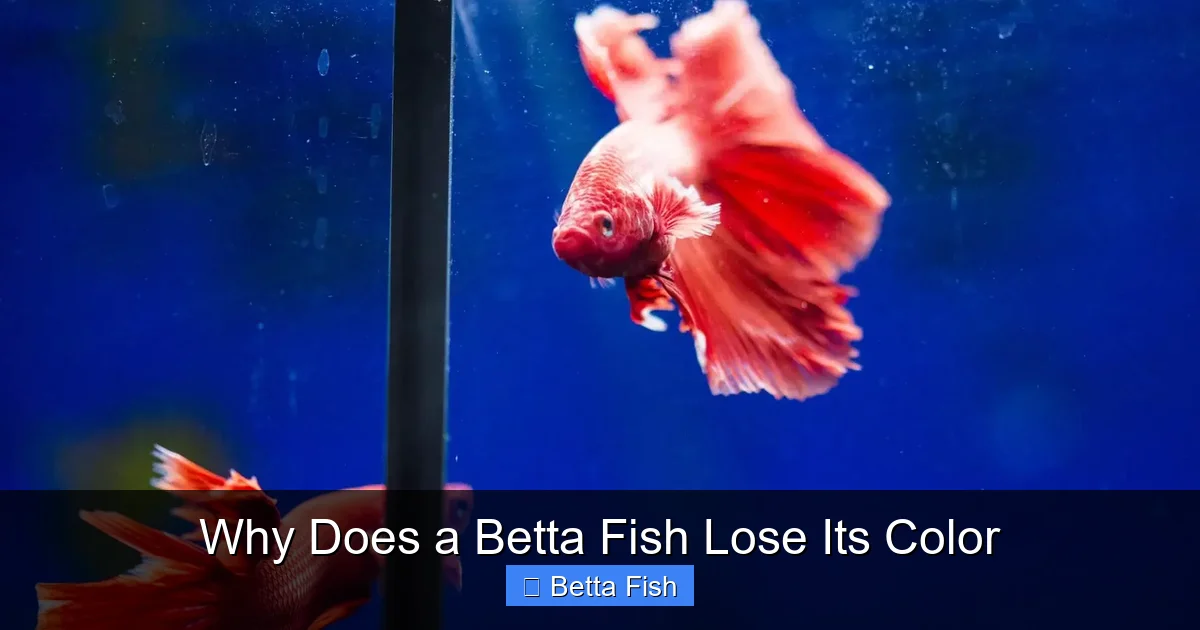
Betta fish are native to the slow‑moving, warm waters of Southeast Asia, where the water is soft, slightly acidic, and well‑filtered by natural vegetation. In a home aquarium, poor water quality is the number‑one cause of faded coloration.
Visual guide about Why Does a Betta Fish Lose Its Color
Image source: aquariadise.com
- Ammonia and nitrite spikes irritate the skin and gills, leading to stress‑induced pallor.
- High nitrate levels can dull pigments over time.
- pH swings (especially a sudden rise above 7.5) destabilize the fish’s internal chemistry.
Testing and fixing water parameters
Invest in a reliable test kit and check ammonia, nitrite, nitrate, and pH weekly. Aim for:
- Ammonia: 0 ppm
- Nitrite: 0 ppm
- Nitrate: < 20 ppm (ideal is < 10 ppm)
- pH: 6.5 – 7.2
If any value is off, do a 25‑30 % water change with conditioned, temperature‑matched water. Repeat until parameters stabilize.
For a deeper dive on water needs, see our article on how much water a betta fish needs.
2. Stress: The Silent Color Drain
Common stressors
Betta fish are territorial and sensitive. Stress can be caused by:
Visual guide about Why Does a Betta Fish Lose Its Color
Image source: japanesefightingfish.org
- Overcrowding or aggressive tank mates.
- Constant bright lighting (more than 10‑12 hours a day).
- Sudden temperature changes.
- Loud vibrations or frequent handling.
How stress changes pigment
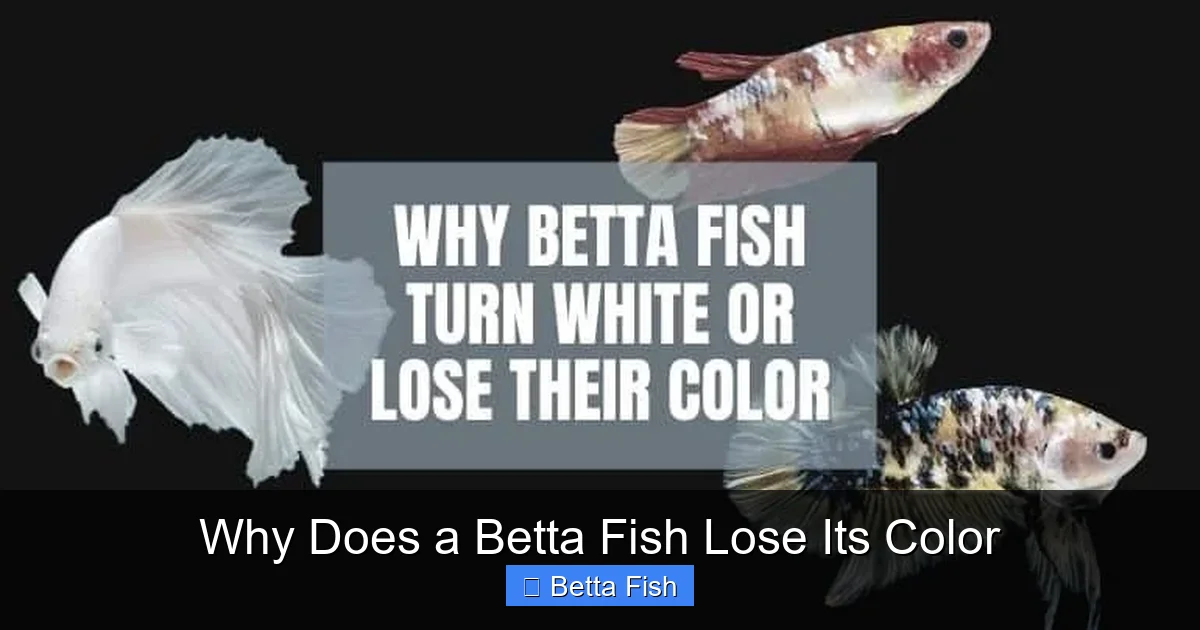
When stressed, bettas release hormones that affect chromatophores—the cells that produce color. The result? A pale or “washed‑out” appearance.
Tips to reduce stress
- Provide a minimum 5‑gallon tank with a gentle flow filter.
- Use a low‑intensity LED for 10‑12 hours, then a dark period.
- Keep the water temperature steady between 78°F‑80°F (25.5°C‑26.5°C).
- Limit handling to quick, gentle transfers.
Learn more about lighting effects in our guide on does a betta fish need light.
3. Nutrition: Feeding the Color Engine
What pigments need
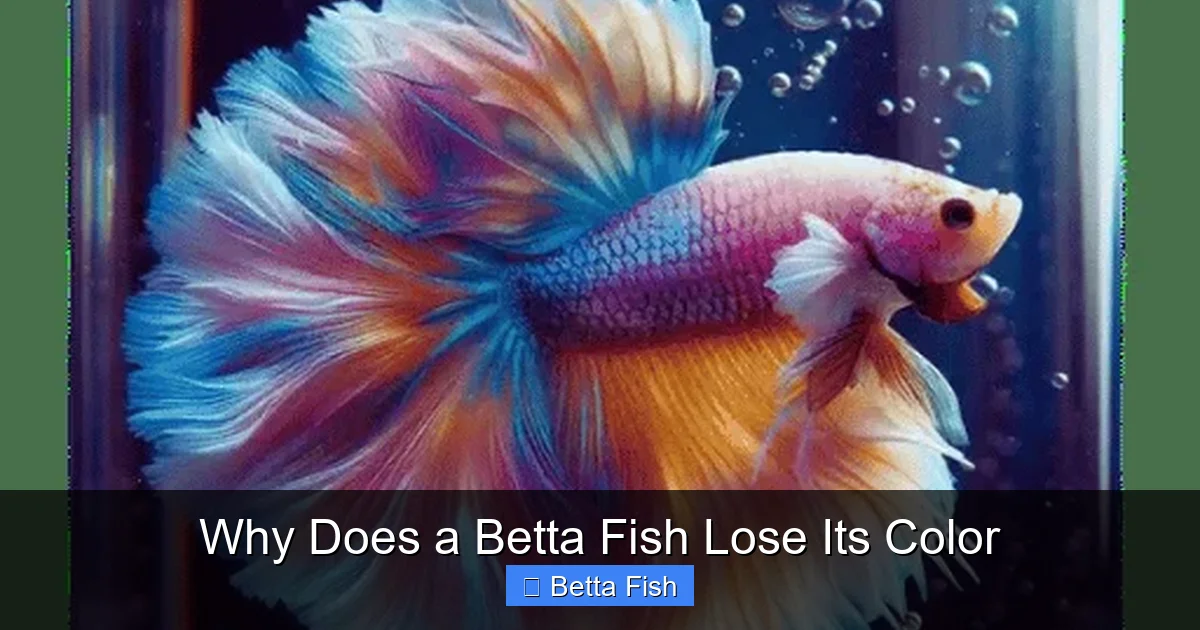
Betta coloration comes from two main pigments: melanin (black/brown) and carotenoids (reds, oranges, yellows). While melanin is produced internally, carotenoids must be obtained from the diet.
Visual guide about Why Does a Betta Fish Lose Its Color
Image source: ud-machine.com
Best foods for vibrant color
- High‑quality betta pellets with added astaxanthin.
- Freeze‑dried or frozen bloodworms (rich in protein and carotenoids).
- Brine shrimp – a treat that boosts reds and pinks.
- Occasional vegetable matter like blanched peas for fiber.
Feeding schedule
Feed 2‑3 small meals per day, offering only what the fish can consume in 2‑3 minutes. Overfeeding leads to waste, which degrades water quality and indirectly dulls color.
For a deeper look at diet, visit what does betta fish eat.
4. Health Issues: When Illness Shows Up as Pale Skin
Common diseases that bleach color
- Ich (Ichthyophthirius multifiliis) – white spots and a loss of vibrancy.
- Fin rot – bacterial infection causing frayed fins and faded body.
- Velvet disease – dust‑like coating and a grayish hue.
- Swim bladder disorder – can make a betta appear bloated and pale.
Spotting early signs
Look for changes in behavior (lethargy, loss of appetite), abnormal swimming, or visible spots. A sick betta often loses its sheen before other symptoms appear.
Quick actions
- Isolate the fish in a hospital tank with clean, warmed water.
- Raise the temperature by 2‑3°F to speed parasite life cycles (if treating ich).
- Administer appropriate medication—copper‑based for ich, antibiotic for bacterial infections.
- Maintain pristine water during treatment; perform daily 50 % changes.
Read more about sick betta symptoms in our article what does a sick betta fish look like.
5. Age and Genetics: Natural Fading Over Time
Genetic factors
Some betta strains, like the “Half‑Moon” or “Dragon” varieties, are bred for intense coloration but may lose vibrancy as they age. Genetics set the baseline, but good care can extend the peak color period.
Age‑related fading
As bettas reach 2‑3 years, melanophores (black cells) can diminish, and carotenoid absorption may decline. This is normal, but a sudden, drastic loss is usually a red flag for another issue.
What you can do
- Maintain optimal water and nutrition to slow the natural fading.
- Consider supplementing with carotenoid‑rich foods once a week.
- Provide enrichment (plants, hiding spots) to reduce stress, which can accelerate aging.
6. Environmental Enhancements: Boosting Color the Easy Way
Live plants and décor
Live plants like Java fern, Anubias, and moss not only improve water quality but also create a natural backdrop that makes colors pop.
Background and lighting tricks
Use a dark, non‑reflective background to highlight the betta’s fins. Adjustable LED lights with a slight blue or white tint can enhance reds and purples without overstressing the fish.
Regular maintenance routine
- Weekly 25‑30 % water change.
- Gravel vacuum to remove debris.
- Trim plant leaves to prevent decay.
- Check filter media and replace monthly.
Conclusion: Bring Back the Brilliance
Seeing a betta’s color fade can be unsettling, but most cases are fixable with attentive care. Start by testing water, adjusting diet, and reducing stressors. Keep an eye out for illness, and don’t forget that age and genetics also play a part. By following the steps outlined above, you’ll give your betta the best chance to flash those vivid hues for years to come.
Remember, a healthy betta is a happy betta, and a happy betta is a colorful betta!
Frequently Asked Questions
Why does my betta fish turn white?
White or pale patches often indicate stress, poor water quality, or an early stage of disease like ich. Check parameters and consider a short quarantine.
Can a betta fish recover its color after illness?
Yes, many bettas regain vibrancy once the underlying health issue is treated and water quality is restored. Patience and proper medication are key.
How quickly can I expect color to return after fixing water issues?
In most cases, you’ll see improvement within 1‑2 weeks of consistent water changes and stable parameters.
Do betta fish need special lighting to keep their color?
Moderate lighting (10‑12 hours) with a low‑intensity LED helps maintain pigment without causing stress. Too much light can bleach colors.
Is it normal for a betta’s color to change with mood?
Yes, bettas can darken or brighten their hues when they’re excited, stressed, or trying to attract a mate. These changes are temporary.
What should I feed to boost my betta’s red tones?
Include carotenoid‑rich foods like bloodworms, brine shrimp, and high‑quality pellets formulated with astaxanthin for brighter reds.