Why Does a Betta Fish Change Color
Betta fish are living rainbows, and their colors can shift for many reasons—from mood and health to environment and genetics. Understanding why does a betta fish change color helps you spot stress, improve tank conditions, and enjoy those dazzling displays every day.
Key Takeaways
- Color reflects health: Dull or fading hues often signal stress or illness.
- Mood matters: Betta fish brighten when happy and darken when threatened.
- Lighting and water quality: Proper illumination and clean water keep colors vivid.
- Genetics and age: Some strains are naturally more colorful, and juveniles may change as they mature.
- Seasonal and breeding cycles: Males display intense colors during courtship.
- Diet influences pigment: Foods rich in carotenoids boost reds and oranges.
- Stress triggers: Overcrowding, poor temperature, and aggressive tank mates can cause color loss.
📑 Table of Contents
- Introduction: The Living Palette of Betta Fish
- 1. The Biology Behind the Rainbow
- 2. Mood Swings: How Emotion Affects Color
- 3. Environmental Influences
- 4. Nutrition: Feeding the Palette
- 5. Health Checks: When Color Fading Signals Trouble
- 6. Enhancing Color Through Tank Setup
- Conclusion: Celebrate the Colorful Conversation
Introduction: The Living Palette of Betta Fish
If you’ve ever watched a betta fish glide through its tank, you’ve probably noticed a mesmerizing show of reds, blues, and purples that seem to shift like a mood ring. Those color changes aren’t just for show; they are the fish’s way of communicating, adapting, and even protecting itself. In this article we’ll answer the burning question, why does a betta fish change color, by breaking down the science, the signals, and the simple steps you can take to keep those hues bright.
Think of your betta as a tiny, aquatic chameleon. Just as a chameleon changes its skin to blend in or signal, a betta uses pigment cells called chromatophores to alter its appearance. The good news? Most of the factors that affect color are within your control—water parameters, lighting, diet, and stress management. Let’s dive in and explore each factor in friendly, bite‑size pieces.
1. The Biology Behind the Rainbow
Chromatophores: The Color Factories
Betta fish have three main types of chromatophores:

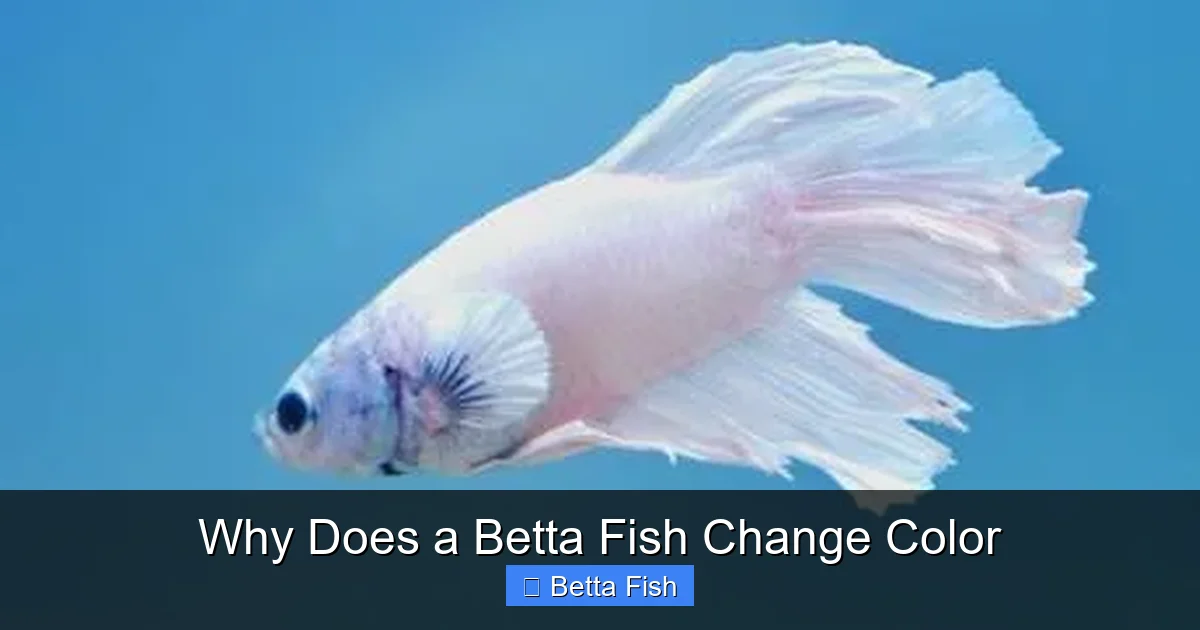
Visual guide about Why Does a Betta Fish Change Color
Image source: i.ytimg.com
- Melanophores – contain black or brown melanin.
- Xanthophores – hold yellow pigments.
- Iridophores – reflect light to create blues, greens, and iridescence.
These cells expand or contract based on hormones, nervous signals, and environmental cues. When they expand, the fish looks brighter; when they contract, the color fades.
Genetics: The Blueprint
Just like humans inherit eye color, bettas inherit pigment potential from their parents. Some strains, such as the “Halfmoon” or “Dragon,” are bred for intense, multi‑layered colors. Others may start pale and develop richer hues as they mature. Age also plays a role—young bettas often appear lighter, gaining depth after a few months.
2. Mood Swings: How Emotion Affects Color
Stress and Fear
When a betta feels threatened—by a sudden movement, a new tank mate, or a sharp change in temperature—its nervous system releases stress hormones. These cause melanophores to expand, making the fish look darker or even black. This is a natural “defense mode” that helps the fish blend into shadows.
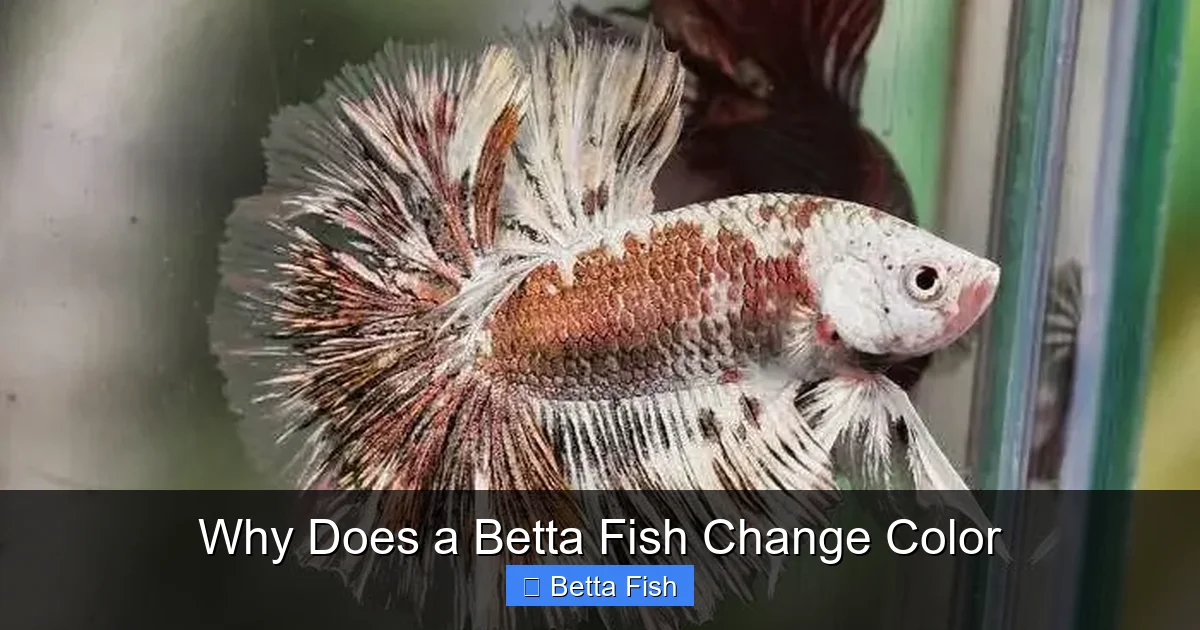
Visual guide about Why Does a Betta Fish Change Color
Image source: bettafishworld.com
Excitement and Courtship
During breeding season, male bettas flare their fins and intensify their colors to attract females. The bright reds, blues, and golds are a visual advertisement of health and vigor. If you notice a male suddenly turning vivid, it may be a sign he’s ready to build a bubble nest and court.
Practical Tip
Provide plenty of hiding spots, keep the tank lid secure, and avoid sudden loud noises. A calm environment lets your betta stay bright and confident.
3. Environmental Influences
Lighting
Betta fish need moderate, consistent lighting to display their full color range. Too dim, and pigments don’t show; too bright, and the fish may become stressed, causing color fading. Aim for 8–10 hours of gentle LED light daily.

Visual guide about Why Does a Betta Fish Change Color
Image source: i.pinimg.com
Water Quality
Dirty water, high ammonia, or low pH can stress a betta, prompting melanophore expansion. Regular water changes (about 25% weekly) and a good filtration system keep the environment stable. For a step‑by‑step guide, see our article on how to do a water change for betta fish.
Temperature
Betas thrive at 78–80°F (25.5–26.5°C). Temperatures below 75°F can cause dullness, while spikes above 84°F may lead to stress‑induced color loss. A reliable heater is essential; read more about temperature needs in what temp water does a betta fish need.
Practical Tip
Invest in a digital thermometer and a small, adjustable heater. Check temperature daily, especially after power outages.
4. Nutrition: Feeding the Palette
Carotenoids and Pigments
Foods rich in carotenoids—like brine shrimp, bloodworms, and specially formulated betta pellets—enhance reds and oranges. A diet lacking these nutrients can lead to faded colors over time.
Feeding Frequency
Feed your betta 2–3 small meals per day, no more than the amount they can eat in 2 minutes. Overfeeding leads to poor water quality, which circles back to stress and color loss.
Practical Tip
Rotate protein sources weekly and supplement with a high‑carotenoid treat once a week. This keeps the color palette vibrant and the fish interested in its meals.
5. Health Checks: When Color Fading Signals Trouble
Common Illnesses That Cause Color Loss
Fungal infections, ich, and bacterial ulcers can all make a betta look pale or white‑spotted. If you notice sudden whitening, refer to why did my betta fish lose its color for early‑warning signs.
Parasites and Stress‑Induced Melanism
Parasites may trigger the fish’s immune response, leading to darker patches. A thorough quarantine of new fish and regular tank cleaning reduce this risk.
When to Seek Help
If color changes are accompanied by rapid breathing, clamped fins, or loss of appetite, isolate the fish and consult a veterinarian experienced with tropical fish.
6. Enhancing Color Through Tank Setup
Background and Décor
A dark, non‑reflective background makes bright colors pop. Live plants not only improve water quality but also provide a natural backdrop that highlights iridescence.
Tank Size and Space
Even though bettas can live in small bowls, a 5‑gallon tank with a gentle flow is ideal for health and color retention. Learn more about space needs in how much water does a betta fish need.
Filtration and Aeration
A gentle filter prevents waste buildup without creating strong currents that stress the fish. While bettas can breathe surface air, a low‑flow filter mimics a natural environment.
Practical Tip
Set up a “color corner” with a small LED spotlight aimed at a live plant leaf. This spotlights the betta’s iridescent scales without overwhelming the whole tank.
Conclusion: Celebrate the Colorful Conversation
Understanding why does a betta fish change color empowers you to read your fish’s mood, catch health issues early, and create a thriving habitat that showcases nature’s brilliance. By managing lighting, water quality, temperature, diet, and stress, you give your betta the best chance to stay vivid for years to come.
Remember, each color shift is a conversation—listen, respond, and enjoy the living artwork that swims before you.
Frequently Asked Questions
Why does my betta fish turn dark when I add a new decoration?
New objects can be perceived as a threat, causing stress hormones to expand melanophores. Give the fish time to explore the new décor and keep the environment calm.
Can lighting alone make a betta’s colors brighter?
Yes, proper lighting enhances iridophores, making blues and greens sparkle. However, without good water quality and nutrition, the effect will be limited.
Do betta fish lose color as they age?
Older bettas may show slightly muted tones, but a healthy diet and stable tank conditions can keep their colors vibrant well into adulthood.
Is it normal for a betta to change color during breeding?
Absolutely. Males intensify reds, blues, and golds to attract females and signal readiness to build a bubble nest.
What should I do if my betta’s colors fade suddenly?
Check water parameters first—high ammonia or incorrect temperature are common culprits. Then assess diet and look for signs of illness.
Can I influence my betta’s color with food?
Feeding carotenoid‑rich foods like brine shrimp and bloodworms can enhance reds and oranges, while a balanced pellet diet maintains overall health.