Why Do They Put Betta Fish in Small Bowls
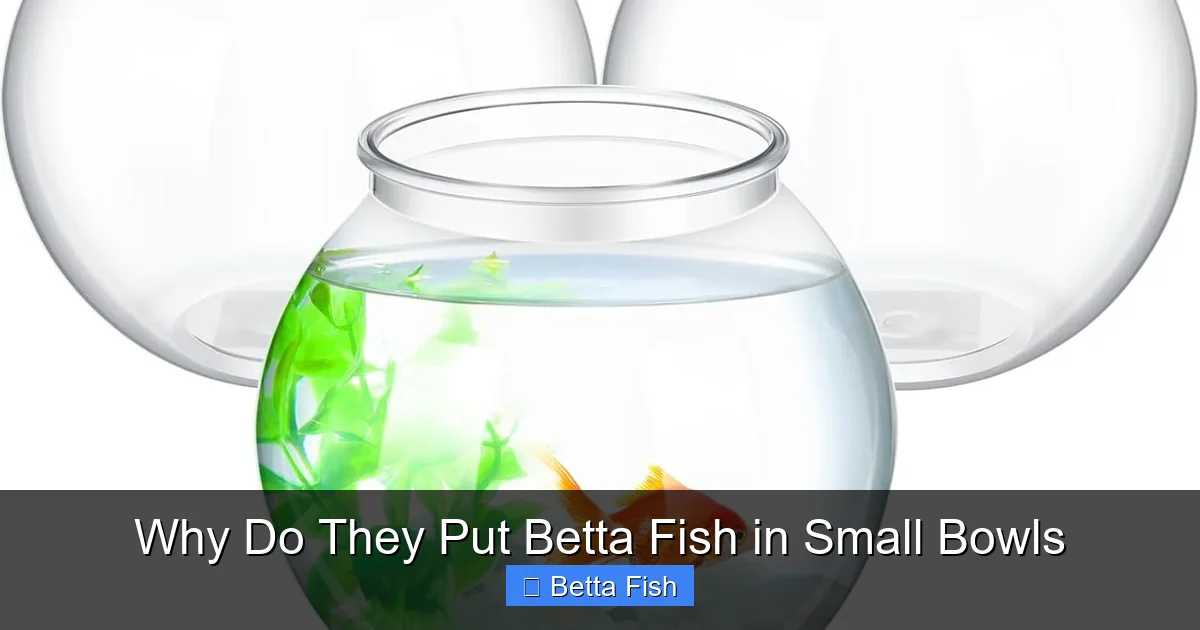
Betta fish are often seen in tiny bowls, but the practice is rooted in history, convenience, and misunderstanding. While small containers can work briefly, they rarely meet a betta’s long‑term needs, and owners can do better with simple, affordable upgrades.
Key Takeaways
- Historical roots: Small bowls became popular because early pet shops sold cheap, “instant‑care” kits.
- Betta biology: Bettas need space, stable water parameters, and enrichment—not just a decorative bowl.
- Short‑term vs. long‑term: A bowl can be a temporary home, but a 5‑gallon tank is the gold standard for health.
- Common misconceptions: “They can live in any water” and “they don’t need filtration” are myths that harm the fish.
- Easy upgrades: Adding a lid, heater, and gentle filter turns a bowl into a thriving habitat.
- Legal & ethical angle: Many pet stores now face pressure to stop selling bettas in tiny containers.
- Practical tip: Observe your betta’s behavior; if it’s hiding or gasping, the bowl is too small.
📑 Table of Contents
- Introduction: The Little Bowl Phenomenon
- 1. How the Small‑Bowl Trend Started
- 2. What Betta Biology Really Says
- 3. The Downsides of Keeping Bettas in Tiny Bowls
- 4. When a Small Bowl Might Be Acceptable
- 5. Upgrading from a Bowl to a Proper Tank
- 6. Addressing Common Myths About Bowls
- Conclusion: Making the Right Choice for Your Betta
Introduction: The Little Bowl Phenomenon
If you’ve ever walked into a pet store and seen a bright, flowing‑fin betta swimming in a tiny glass bowl, you’ve probably asked yourself, why do they put betta fish in small bowls? The answer is a mix of history, marketing, and a dash of misunderstanding about what bettas actually need. In the next few pages we’ll peel back the layers, look at the science, and give you clear, friendly advice on how to give your betta the best home possible.
We’ll keep the tone casual—think of us as a friend who’s been keeping bettas for years—while still covering the facts you need to make an informed decision. By the end of this article you’ll know whether a bowl is ever okay, what the real risks are, and how to transition to a healthier setup without breaking the bank.
1. How the Small‑Bowl Trend Started
Pet‑store origins
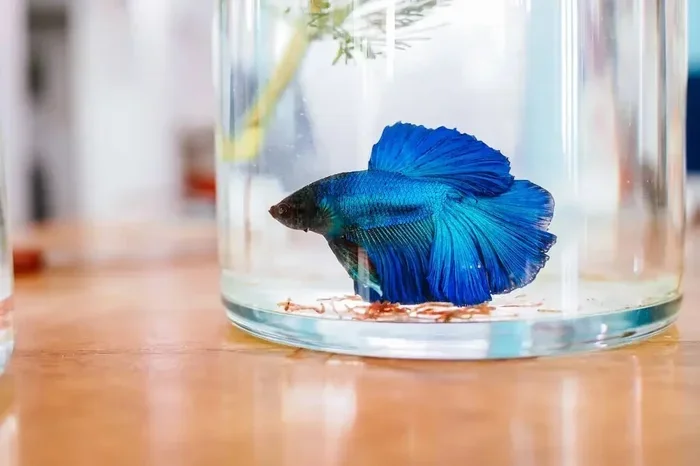
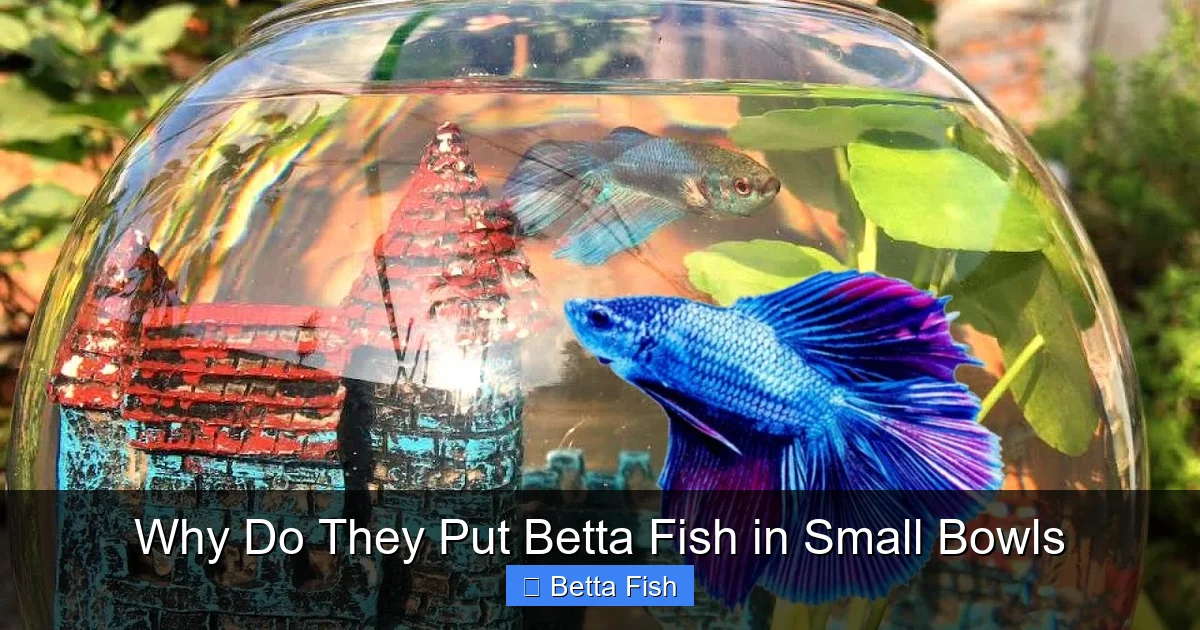
In the 1970s and 80s, betta fish were marketed as “easy‑care” pets for kids. Stores sold them in 3‑ to 5‑inch bowls with a single plastic plant. The tiny container was cheap, eye‑catching, and fit neatly on a countertop. No one thought much about water quality because the fish seemed to survive for weeks.
Visual guide about Why Do They Put Betta Fish in Small Bowls
Image source: i.ytimg.com
Economic incentives
Small bowls are inexpensive to ship and display. A retailer can stock dozens of these compact units for the price of a single medium‑size tank. The lower cost to the consumer also meant higher sales volume, reinforcing the cycle.
Early misconceptions
Because bettas can gulp air from the surface using their labyrinth organ, many believed they could thrive in any amount of water. This myth—“they don’t need a tank” —still fuels the practice today.
2. What Betta Biology Really Says
Natural habitat
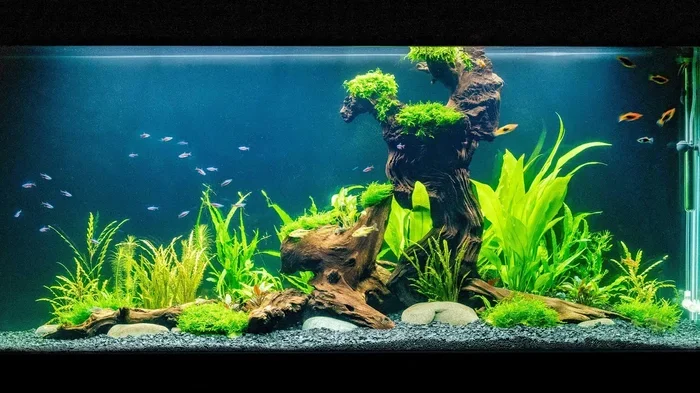
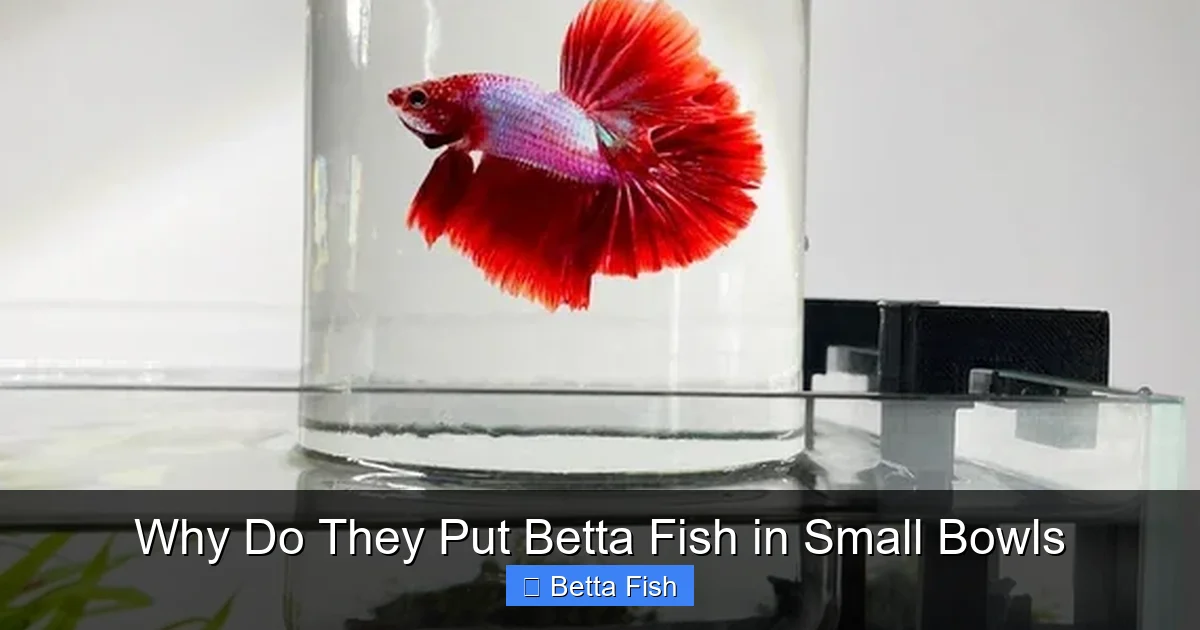
In the wild, bettas live in shallow rice paddies, slow‑moving streams, and flood‑plain pools across Southeast Asia. These environments can be as large as a small pond, but they also provide plenty of hiding spots, vegetation, and stable temperature.
Visual guide about Why Do They Put Betta Fish in Small Bowls
Image source: i.etsystatic.com
Space requirements
While a betta can survive in a small bowl for a short period, research shows that a minimum of 5 gallons (about 19 liters) is ideal for normal growth, vibrant colors, and active behavior. Less space means rapid waste buildup, fluctuating temperature, and stress.
Labyrinth organ and surface breathing
The labyrinth organ lets bettas breathe atmospheric oxygen, but it does **not** replace the need for clean, well‑oxygenated water. A bowl without filtration can become toxic within days.
3. The Downsides of Keeping Bettas in Tiny Bowls
Water quality problems
- Ammonia spikes: In a 2‑liter bowl, a single bite of food can produce enough waste to raise ammonia to lethal levels within 24 hours.
- Temperature swings: Without a heater, water can drop several degrees at night, stressing the fish.
- Oxygen depletion: Even though bettas gulp air, low dissolved oxygen still harms their gills.
Behavioral stress
Stressed bettas may flare constantly, hide, or develop fin rot. A cramped space also limits their natural instinct to build bubble nests, which is a sign of a happy, healthy male.
Visual guide about Why Do They Put Betta Fish in Small Bowls
Image source: ouraquariumlife.com
Shortened lifespan
Studies show bettas kept in bowls average 6‑8 months, while those in proper tanks often live 2‑4 years. The difference is stark and largely preventable.
4. When a Small Bowl Might Be Acceptable
Temporary quarantine
If you need to isolate a sick fish for a few days, a clean, covered bowl with a heater can work. Just be sure to monitor water parameters closely and move the fish to a larger tank as soon as possible.
Travel or show cases
For short‑term transport, a small, sealed container is practical. Again, this is a brief solution, not a permanent home.
Best‑practice checklist for a temporary bowl
- Use a sturdy, non‑porous glass bowl (no plastic).
- Cover with a mesh lid to prevent jumping.
- Install a submersible heater set to 78‑80 °F (25‑27 °C).
- Add a gentle sponge filter or air stone for water movement.
- Change 25‑30 % of the water daily.
5. Upgrading from a Bowl to a Proper Tank
Choosing the right size
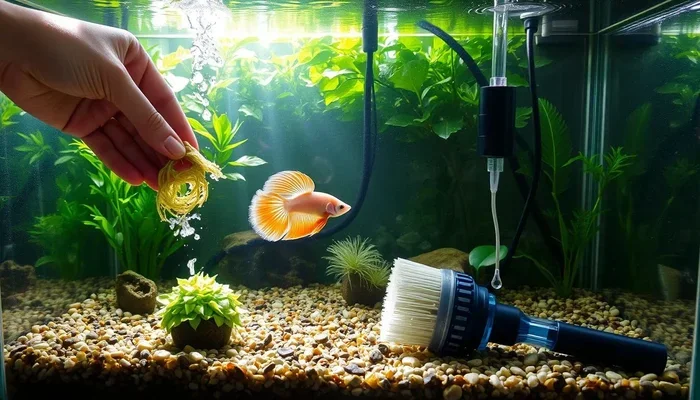
A 5‑gallon (19‑liter) tank is the sweet spot for most bettas. It provides enough water volume for stable chemistry and room to swim, while still being affordable.
Essential equipment
- Heater: Betta‑friendly heaters are compact and maintain a constant temperature.
- Filter: A low‑flow sponge filter mimics the gentle currents of their natural habitat.
- Lid: Bettas are notorious jumpers; a secure lid prevents escapes.
- Plants & décor: Live or silk plants give hiding places and reduce stress.
Step‑by‑step setup guide
- Rinse the tank, substrate, and décor with warm water (no soap).
- Place the heater and filter; fill with conditioned water.
- Turn on the heater; let the temperature stabilize for at least 24 hours.
- Acclimate your betta slowly using the drip method (see How To Put Betta Fish In Tank for details).
- Monitor ammonia, nitrite, and nitrate levels weekly for the first month.
6. Addressing Common Myths About Bowls
Myth 1: “Bettas don’t need filtration.”
Even though they can breathe surface air, waste still accumulates. A small sponge filter keeps water clear and reduces the need for frequent full water changes.
Myth 2: “A bowl looks prettier on a desk.”
Beauty should not outweigh health. Modern, compact tanks are just as decorative and far healthier.
Myth 3: “Bowl‑kept bettas are cheaper overall.”
While the initial cost is lower, frequent water changes, medicines for disease, and a shorter lifespan often make bowls more expensive in the long run.
Conclusion: Making the Right Choice for Your Betta
So, why do they put betta fish in small bowls? The answer lies in tradition, cost‑cutting, and a misunderstanding of betta needs. While a bowl can serve as a brief temporary solution, it is not a suitable long‑term home. By upgrading to a modest 5‑gallon tank, adding a heater and gentle filter, and providing plants or hides, you give your betta the environment it evolved to thrive in.
Remember, a happy betta is a healthy betta. The extra effort you put into a proper setup pays off in brighter colors, active behavior, and a lifespan that lets you enjoy your finned friend for years. If you’re still unsure, check out our article on Why Are Betta Fish Kept In Small Bowls for more background, or read Do Betta Fish Need Heaters In Their Tanks to understand temperature basics.
Frequently Asked Questions
Why are betta fish often sold in tiny containers?
Pet stores historically used small bowls because they are cheap to produce, display well, and fit the “easy‑care” marketing message.
Can a betta live a full life in a bowl?
It’s possible but unlikely. Bowls lead to rapid water quality decline, which shortens lifespan and reduces color vibrancy.
What is the minimum tank size for a healthy betta?
A 5‑gallon (19‑liter) tank is the recommended minimum for stable water parameters and enough swimming space.
Do bettas need a heater if they are in a bowl?
Yes. Bettas are tropical and require a consistent 78‑80 °F (25‑27 °C). A small submersible heater keeps the temperature stable.
How often should I change the water in a bowl?
For a bowl, change 25‑30 % of the water daily. In a proper tank, a 20‑25 % weekly change is sufficient.
Is it legal to sell bettas in bowls?
Regulations vary by region, but many animal‑welfare groups are pushing for bans on selling bettas in containers smaller than 2.5 gallons.