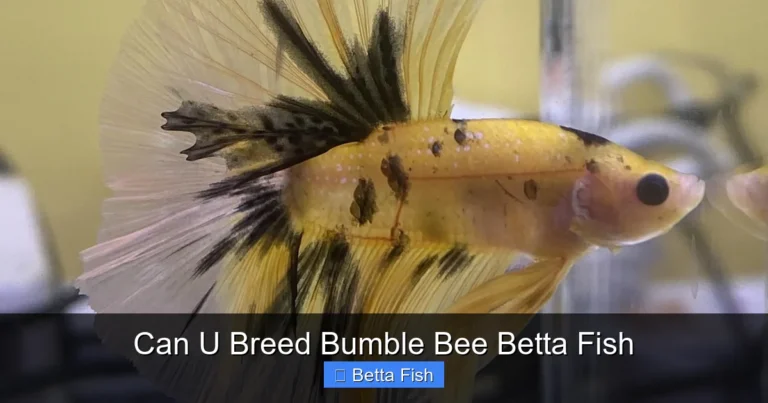
How to Transfer Betta Fish from Bowl to Aquarium
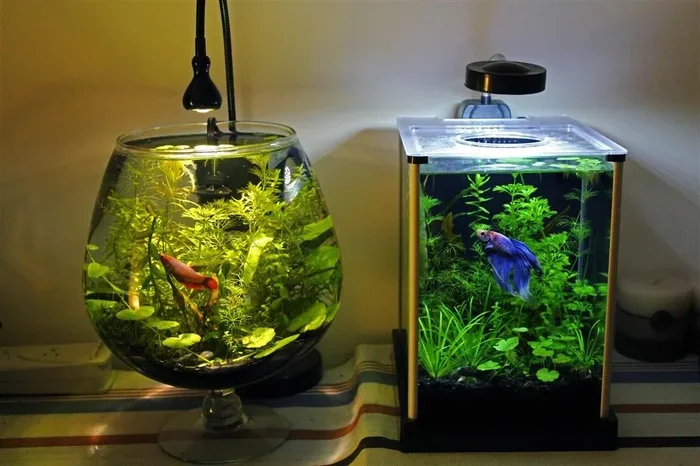
Transferring your betta fish from a bowl to an aquarium is one of the best things you can do for its health and happiness. This guide walks you through every step of the process, from preparing the new tank to safely acclimating your fish. You will learn the right water parameters, the best acclimation methods, and common mistakes to avoid so your betta thrives in its new home.
Keeping a betta fish in a bowl can feel cozy and convenient. But if you have ever watched your betta swim in tight circles, you might wonder if there is a better home for it. That is exactly where the idea of moving your betta from a bowl to an aquarium comes in. A proper aquarium gives your fish more space, better water quality, and a richer environment to explore.
Many first-time betta owners start with a small bowl. It works for a while. But over time, the limitations of a bowl become clear. Waste builds up fast. The water gets dirty quickly. And your betta may seem less active or less colorful than it should be. Moving your betta to an aquarium solves these problems. This guide will show you exactly how to do it the right way.
Whether you are upgrading from a 1-gallon bowl to a 5-gallon tank or going even bigger, the process is simpler than you think. The key is to take it slow, prepare the new environment properly, and protect your fish from stress every step of the way. Let us walk through the entire process together.
Key Takeaways
- Plan the tank first: A 5-gallon aquarium minimum is ideal for a single betta fish, with a heater and filter already running.
- Acclimate slowly: Use the floating bag or drip method to gradually match the water temperature and chemistry between the bowl and the new tank.
- Test water parameters: Ammonia, nitrite, and nitrate levels must be safe before you move your betta into the aquarium.
- Avoid common mistakes: Never dump bowl water into the aquarium, and do not skip the acclimation step.
- Monitor after the move: Watch your betta closely for the first 48 hours for signs of stress or illness.
- Maintain both environments: Keep up with regular bowl and tank maintenance to support long-term betta health.
📑 Table of Contents
- Why Transfer Your Betta Fish from a Bowl to an Aquarium
- What You Need Before You Start
- Step-by-Step: How to Transfer Betta Fish from Bowl to Aquarium
- Common Mistakes to Avoid When Transferring Your Betta
- Maintaining a Healthy Aquarium After the Transfer
- Quick Tips for a Smooth Transfer
- Final Thoughts
Why Transfer Your Betta Fish from a Bowl to an Aquarium
Before we dive into the steps, it helps to understand why this move matters so much. A bowl is not a bad place to keep a betta. But it is not an ideal home either. An aquarium gives your betta room to swim, explore, and display its full colors. Here are the main reasons to make the switch.
Better Water Quality
In a small bowl, harmful chemicals like ammonia and nitrite can spike quickly. These substances are toxic to betta fish. Even with regular water changes, a bowl cannot maintain stable water chemistry the way a larger aquarium can. A tank with a filter and heater creates a healthier environment that supports the nitrogen cycle. This means cleaner water and a happier fish.
More Space to Thrive
Bettas are active swimmers. In a bowl, they often have only a few inches of open space. An aquarium gives them room to dart around, rest near the surface, and explore plants and decorations. More space also means less stress. A less stressed betta is a healthier betta with brighter colors and a longer lifespan.
Room for Enrichment
An aquarium lets you add plants, caves, and other decorations. These features give your betta places to hide, explore, and feel safe. You can also add gentle tank mates in some cases. A bowl simply cannot offer this kind of environment. The enrichment keeps your betta mentally stimulated and engaged.
What You Need Before You Start
Preparation is the most important part of this process. If you rush into it, your betta could get stressed or even sick. Gather everything you need before you start moving your fish. Here is a simple checklist to follow.
- A cycled aquarium: At least 5 gallons. The tank should be fully set up with a filter and heater before you move your betta.
- A water test kit: You need to check ammonia, nitrite, nitrate, and pH levels before introducing your fish.
- A clean container: Use a small plastic container or a betta shipping bag to hold your fish during the transfer.
- Dechlorinated water: Match the water in the new tank to the bowl water as closely as possible.
- A net: A soft fish net helps you move your betta gently without hurting it.
- A thermometer: Make sure the water temperatures match between the bowl and the aquarium.
If you have not already set up your aquarium, now is the time. You should cycle the tank for at least two to four weeks before moving your betta. This process builds beneficial bacteria that break down harmful waste. If you are new to aquariums, check out our guide on how to make a betta fish aquarium for a complete walkthrough on getting started.
Step-by-Step: How to Transfer Betta Fish from Bowl to Aquarium
Now for the main event. Follow these steps carefully, and your betta will make the transition smoothly. Take your time with each step. Do not rush.
Step 1: Prepare the New Aquarium
Your aquarium should already be running and fully cycled. Set the heater to around 78-80°F, which is the ideal temperature for betta fish. Test the water to make sure ammonia and nitrite are at zero, and nitrates are below 20 ppm. The pH should be between 6.5 and 7.5. If any of these levels are off, do not add your betta yet. Wait until the water is stable.
Step 2: Dim the Lights
Bettas can get startled easily. A few hours before the transfer, dim the lights in the room or turn off the aquarium light. This helps keep your betta calm during the move. A calm fish handles transitions much better than a stressed one.
Step 3: Gently Remove Your Betta from the Bowl
Use a soft net to scoop your betta out of the bowl. Move slowly and avoid sudden movements. Try not to scoop up too much bowl water in the net. Place your betta into a clean container with a small amount of the bowl water. This keeps your fish comfortable while you work.
If you are worried about your betta jumping out, you can use a clear plastic container or a betta shipping bag. Fill the bag with some water from the bowl, then gently place your betta inside. This gives you a safe way to transport your fish to the new tank.
Step 4: Acclimate Your Betta to the New Water
This is the most critical step. You cannot just pour your betta from the bowl into the aquarium. The water parameters will be different, and the shock could harm your fish. Use one of these two methods to acclimate your betta properly.
Method A: The Floating Method. Place the container or bag with your betta into the aquarium. Let it float on the surface for 15-20 minutes. This allows the water inside the container to slowly reach the same temperature as the aquarium water. After 15-20 minutes, open the container and add a small cup of aquarium water to it. Wait another 15 minutes. Repeat this two or three times. Then gently net your betta into the aquarium.
Method B: The Drip Method. This is a slower but more thorough approach. Place your betta in a container with bowl water. Use an airline tube or a turkey baster to drip aquarium water into the container at a rate of about 2-4 drops per second. Continue dripping for 30-45 minutes. Once the water volume in the container has doubled, gently net your betta into the aquarium.
Both methods work well. The drip method is gentler and gives your betta more time to adjust. If your betta is especially sensitive, go with the drip method.
Step 5: Release Your Betta into the Aquarium
Once acclimation is complete, use a soft net to gently release your betta into the aquarium. Do not pour the bowl water into the tank. Bowl water often contains waste and uneaten food that can throw off the water chemistry in your new aquarium. Let your betta swim out of the net on its own. It may hide or stay still for a few minutes. This is completely normal.
Step 6: Monitor Your Betta Closely
For the first 24-48 hours, watch your betta carefully. Check that it is eating, swimming normally, and breathing steadily. Some hiding is expected. But if your betta refuses food for more than two days, gasps at the surface, or shows signs of clamped fins, test the water immediately. You may need to adjust the temperature or water parameters.
Common Mistakes to Avoid When Transferring Your Betta
Even with the best intentions, people make mistakes during this process. Here are the most common ones and how to avoid them.
- Skipping acclimation: Never dump your betta directly from the bowl into the aquarium. The sudden change in water chemistry can cause shock.
- Moving too fast: Rushing the process increases stress. Take your time with each step.
- Forgetting to match temperatures: Even a few degrees of difference can stress your betta. Always use a thermometer.
- Adding bowl water to the tank: Bowl water often contains waste and bacteria that can disrupt the aquarium’s balance.
- Not testing the new tank water: An uncycled or unstable tank is dangerous for your betta. Always test before the transfer.
- Overcrowding the aquarium: Bettas are territorial. Do not add aggressive tank mates right away. Give your betta time to settle in first.
Maintaining a Healthy Aquarium After the Transfer
Once your betta is settled in its new aquarium, the work is not done. You need to maintain the tank properly to keep your fish healthy. Regular maintenance is the key to long-term success.
Weekly Water Changes
Change 20-30% of the aquarium water every week. Use a gravel vacuum to remove waste from the substrate. Always treat new water with a tap water conditioner before adding it to the tank. This removes chlorine and chloramine, which are harmful to betta fish.
Keep the Filter Running
A good filter keeps the water clean and supports the nitrogen cycle. However, bettas prefer gentle water flow. If your filter is too strong, baffle the output with a sponge or adjust the flow rate. Your betta should be able to swim comfortably without being pushed around.
Feed a Balanced Diet
Feed your betta high-quality pellets or flakes once or twice a day. Offer only what your fish can eat in two minutes. You can also treat your betta to frozen or live foods like brine shrimp or bloodworms a few times a week. A varied diet keeps your betta healthy and colorful.
Watch for Signs of Stress
After a move, some stress is normal. But watch for signs that something is wrong. Clamped fins, loss of color, rapid breathing, and refusing food are all warning signs. If you notice these, test the water and make adjustments. Keeping the aquarium environment stable is the best way to prevent stress.
Quick Tips for a Smooth Transfer
- Turn off the aquarium light before the transfer to reduce stress.
- Keep the room warm and quiet during the process.
- Have all your supplies ready before you start.
- Use a clean container or bag to transport your betta.
- Never mix bowl water into the aquarium.
- Acclimate for at least 30 minutes using the floating or drip method.
- Monitor your betta closely for the first 48 hours after the move.
- Be patient. Your betta may take a few days to fully settle in.
Final Thoughts
Transferring your betta fish from a bowl to an aquarium is a rewarding process. It gives your fish a better life and gives you a more enjoyable viewing experience. The key is preparation, patience, and gentle handling. Follow the steps in this guide, and your betta will adjust to its new home with ease.
Remember that every betta is different. Some adapt quickly, while others need a little more time. The most important thing is to keep the water clean, the temperature stable, and the environment stress-free. If you want to learn more about ongoing care, check out our article on how to maintain a betta fish bowl for tips that also apply to aquarium maintenance.
Your betta deserves a great home. And now you have everything you need to give it one. Enjoy watching your fish explore its new aquarium, and take pride in knowing you are giving it the best possible life.
Frequently Asked Questions
Can I transfer my betta fish from a bowl to an aquarium without acclimation?
No, you should never skip acclimation. The water in your bowl and the water in your aquarium will have different temperatures, pH levels, and chemical compositions. Dumping your betta directly into new water can cause shock, stress, and even death. Always take the time to acclimate your fish properly using the floating or drip method.
How long does it take for a betta fish to adjust to a new aquarium?
Most bettas start adjusting within a few hours to a couple of days. During the first 48 hours, your betta may hide, refuse food, or stay still. This is normal. Give your fish time and keep the environment calm. If your betta is still not eating or showing signs of stress after three days, check the water parameters and make adjustments.
What size aquarium is best for a betta fish?
A 5-gallon aquarium is the minimum recommended size for a single betta fish. A larger tank, such as 10 gallons, gives your fish more room to swim and makes it easier to maintain stable water conditions. Avoid tanks smaller than 5 gallons, as they are harder to keep clean and can stress your betta.
Do I need a filter and heater in the aquarium?
Yes, both are important. A filter keeps the water clean by removing waste and supporting the nitrogen cycle. A heater maintains a stable temperature between 78-80°F, which is ideal for betta fish. Without these, the water quality can deteriorate quickly and harm your fish.
Should I clean the bowl before or after the transfer?
You can clean the bowl after the transfer. There is no need to clean it before, as some of the beneficial bacteria from the bowl can help your betta during the transition. However, if the bowl is very dirty, you can do a partial water change before moving your fish. Just make sure the water temperature matches the aquarium water.
Can I add plants to the new aquarium right away?
Yes, adding plants is a great idea. Live plants help absorb ammonia and nitrate, which improves water quality. They also give your betta places to hide and explore. Make sure any plants you add are rinsed and free of pests before placing them in the aquarium. If you are new to planted tanks, start with easy plants like java fern or anubias.