How Much Water Do You Need for a Betta Fish

How much water do you need for a betta fish? The short answer is at least 5 gallons, but bigger is always better. Many people still keep bettas in tiny bowls, which can shorten their lifespan and cause health problems. Proper water volume helps maintain stable temperature, reduces toxins, and gives your betta room to swim and thrive.
You might think a betta fish can live happily in a tiny cup or a small bowl. After all, they sell them in cups at the pet store. But the truth is, bettas need real space to thrive. If you are wondering how much water do you need for a betta fish, the answer is more than most people expect.
A betta fish is not just a decoration. It is a living creature with needs. Proper water volume affects everything from your betta’s mood to its lifespan. In this guide, we will walk you through exactly how much water your betta needs, why it matters, and how to set up the perfect tank. Whether you are a beginner or a seasoned fish keeper, this guide will help you give your betta the home it deserves.
Key Takeaways
- Minimum tank size: A 5-gallon tank is the smallest recommended for a single betta fish.
- More water equals stability: Larger volumes dilute toxins and keep water parameters steady.
- Bettas need more than a bowl: Bowls under 1 gallon are too small for long-term health.
- Regular water changes are essential: Even with a large tank, you must maintain water quality.
- Tank setup matters: Heater, filter, and proper decorations all contribute to a healthy betta habitat.
- Overcrowding is risky: One betta per tank is the golden rule for betta fish care.
📑 Table of Contents
How Much Water Does a Betta Fish Really Need?
The minimum amount of water for a single betta fish is 5 gallons. That is the baseline. Anything smaller, and you run into serious problems with water quality and temperature stability. A 5-gallon tank gives your betta enough room to swim and explore, while also making it easier to keep the water clean.
Some people ask, “Can a betta live in a 1-gallon bowl?” Technically, yes. But it is not a good quality of life. A 1-gallon bowl is like living in a closet. The water parameters swing wildly with every change in room temperature or after feeding. Toxins like ammonia build up fast in small volumes of water.
Why 5 Gallons Is the Sweet Spot
A 5-gallon tank hits the sweet spot for most hobbyists. It is large enough to maintain stable conditions but small enough to fit on a desk or shelf. Here is why 5 gallons works so well:
- Stable temperature: A 5-gallon tank holds heat better than a tiny bowl. This is especially important if you do not have a heater, though you really should have one.
- Easier cycling: A smaller tank is easier to cycle and maintain than a huge aquarium.
- Enough swimming room: Bettas are active fish. They enjoy exploring their environment.
- Manageable water changes: A 5-gallon tank does not require massive water changes or expensive equipment.
Can You Go Bigger Than 5 Gallons?
Absolutely. In fact, bigger tanks are even better for betta fish. A 10-gallon or 20-gallon tank gives you more room for plants, decorations, and stable water chemistry. If you have the space, consider going bigger. Just make sure the tank has a lid, because bettas are jumpers and can escape if the tank is open.
If you want to learn more about the ideal setup, check out our guide on what all you need for a betta fish tank to make sure you have everything covered.
Why More Water Means a Healthier Betta
The relationship between water volume and betta health is simple. More water dilutes waste products. It also buffers against sudden changes in temperature and chemistry. When you understand this, it becomes clear why tank size is one of the most important decisions you will make for your fish.
Water Parameters and Stability
Betta fish need specific water parameters to stay healthy. The ideal temperature range is between 76 and 82 degrees Fahrenheit. The pH should be between 6.5 and 7.5. Ammonia and nitrite levels should always be zero, and nitrates should stay below 20 parts per million.
In a small bowl, these parameters can crash overnight. A small amount of fish waste or uneaten food can spike ammonia levels quickly. In a larger tank, the same amount of waste is spread across more water, giving you time to address the problem before it becomes dangerous.
The Role of the Nitrogen Cycle
Every aquarium needs a healthy nitrogen cycle. This is the process where beneficial bacteria break down toxic ammonia into less harmful nitrite, and then into nitrate. The nitrogen cycle takes time to establish, and it works best in a stable environment. A larger water volume supports a more robust colony of beneficial bacteria, which means a safer home for your betta.
If you are new to fish keeping, learning about the nitrogen cycle is essential. It is the foundation of all betta fish care. Without it, even a large tank can become toxic quickly.
The Right Tank Setup for Your Betta
Now that you know how much water your betta needs, let us talk about how to set up the tank properly. A 5-gallon tank with the right equipment will give your betta a long and happy life. You do not need a fancy setup, but you do need the essentials.
Heater
Betta fish are tropical fish. They need warm water to stay healthy. A small aquarium heater rated for 5 gallons is all you need. Set it to around 78 degrees Fahrenheit, and your betta will be comfortable. Without a heater, your betta is at risk for cold stress, which can lead to illness and a weakened immune system.
Filter
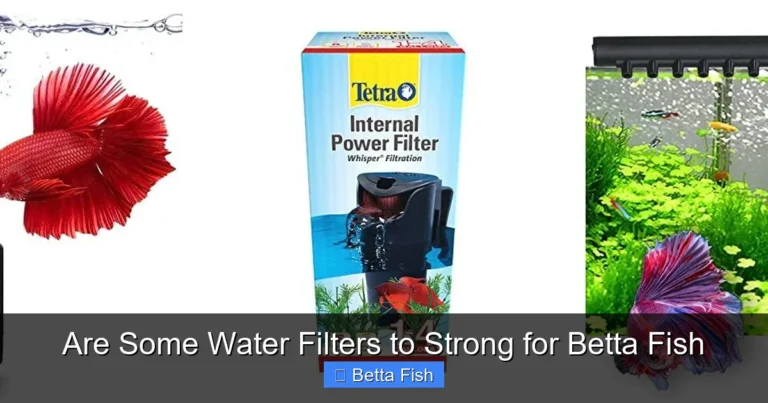
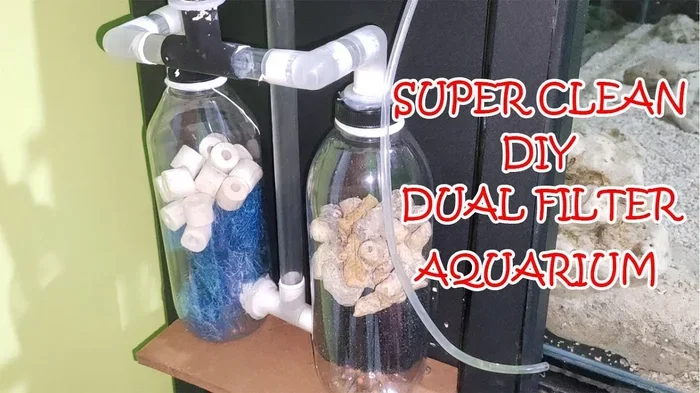
A filter keeps the water clean by removing debris and supporting the nitrogen cycle. For a 5-gallon tank, choose a gentle filter. Bettas do not like strong currents, and some filters can create too much flow. Sponge filters work great for betta tanks because they provide mechanical and biological filtration without creating a strong current.
Substrate and Decorations
You can use gravel, sand, or a bare bottom for your betta tank. Live plants are excellent because they help absorb nitrates and provide hiding spots. Fake plants work too, as long as the leaves are soft and not rough. Bettas have long, delicate fins that can tear on sharp or rough decorations.
Lighting
Standard aquarium LED lights work well for betta tanks. You do not need expensive lighting. A simple light on a timer that runs for 8 to 10 hours a day is enough. This also helps any live plants you might have grow properly.
For a complete list of everything you need, our article on what you need for a betta fish as a beginner covers all the essentials in detail.
How to Maintain Water Quality
Having the right amount of water is only half the battle. You also need to keep that water clean. Poor water quality is the number one cause of illness in betta fish. A regular maintenance routine will keep your betta healthy and your tank looking great.
Water Changes
For a 5-gallon tank, you should do a 25 to 30 percent water change every week. This removes accumulated nitrates and refreshes the water. Use a gravel vacuum to suck up debris from the substrate while you drain the old water.
Always treat new water with a water conditioner before adding it to the tank. Tap water contains chlorine and chloramine, which are harmful to fish. A good water conditioner neutralizes these chemicals instantly.
Want a step-by-step guide? Check out our article on how to do a water change for betta fish for detailed instructions.
Testing the Water
Invest in a liquid test kit for your aquarium. Test strips are okay for beginners, but liquid kits are more accurate. You should test your water at least once a month, or more often if you notice any changes in your betta’s behavior. Look out for:
- Cloudy water: This can indicate a bacterial bloom or excess waste.
- Strong odor: A foul smell usually means ammonia or nitrite is building up.
- Betta acting lethargic: This could be a sign of poor water quality or temperature issues.
- Loss of color: Stress from bad water can cause a betta to lose its vibrant colors.
How to Prepare Water for Your Betta
When you are ready to add fresh water to your tank, make sure it is the right temperature and free of harmful chemicals. Let the tap water sit out for 24 hours if you do not use a conditioner, or simply add a water conditioner directly to the new water. The conditioner works immediately and is the faster option.
If you want to learn more about preparing water properly, our guide on how to prepare water for a betta fish has all the details you need.
Common Mistakes People Make With Betta Water
Even well-meaning fish keepers make mistakes when it comes to water. Here are some of the most common ones and how to avoid them.
Using a Bowl Instead of a Tank
This is probably the biggest mistake. Bowls look cute, but they do not provide enough space or filtration for a betta fish. A bowl under 1 gallon is far too small. If you currently keep your betta in a bowl, upgrading to a 5-gallon tank is the single best thing you can do for its health.
Skipping the Heater
Some people think room temperature water is fine for bettas. It is not. Room temperature is usually between 65 and 70 degrees, which is too cold for a betta. Cold water slows down the fish’s metabolism and makes it vulnerable to diseases like ich and fin rot.
Overfeeding
Overfeeding creates excess waste in the water, which spikes ammonia levels. Feed your betta small amounts twice a day, and only what it can eat in two minutes. If you are unsure how much to feed, check out our articles on how much food for a betta fish and how often you should feed a betta fish.
Not Doing Regular Water Changes
Even with a filter, waste builds up over time. You cannot rely on a filter alone to keep the water clean. Regular water changes are non-negotiable. Skip them, and your betta will suffer.
How Much Space Does a Betta Fish Really Need?
Space is not just about the volume of water. It is also about giving your betta room to express natural behaviors. In the wild, bettas live in warm, slow-moving waters in Southeast Asia. They swim between plants, explore their surroundings, and claim small territories.
A 5-gallon tank gives your betta enough horizontal swimming space. If you can provide a 10-gallon tank, even better. You can add more plants, create interesting aquascapes, and give your betta a more enriching environment. A stimulated betta is a happier and healthier betta.
For more information on tank size, check out our article on how big of a tank betta fish really need to understand the full picture.
Conclusion
So, how much water do you need for a betta fish? The answer is clear. At minimum, give your betta a 5-gallon tank. This provides stable water conditions, enough swimming room, and a healthy environment for your fish to thrive. Skip the tiny bowls and cups. Your betta deserves better.
Remember that water quality, tank setup, and regular maintenance all work together to keep your betta happy. Invest in a heater, a gentle filter, and a consistent water change schedule. Your betta will reward you with vibrant colors, active behavior, and a lifespan that can reach 3 to 5 years or more with proper care.
Take the time to set up the right tank from the start. Your betta fish will thank you for it. And every time you look at your tank, you will know you are giving your fish the best possible life.
Frequently Asked Questions
Can a betta fish live in a 1-gallon tank?
A betta can survive in a 1-gallon tank, but it is not ideal. Small volumes of water experience rapid swings in temperature and chemistry, which stresses the fish and shortens its lifespan. A 5-gallon tank is the recommended minimum for long-term health and happiness.
How often should I change the water in my betta tank?
For a 5-gallon tank, you should do a 25 to 30 percent water change every week. This removes built-up nitrates and refreshes the water. Larger tanks may need less frequent changes, but weekly maintenance is a solid routine for any betta keeper.
Do betta fish need a heater?
Yes, betta fish are tropical and need warm water between 76 and 82 degrees Fahrenheit. A small aquarium heater keeps the temperature stable, which is essential for your betta’s immune system and overall health. Cold water can make your betta seriously ill.
Is bottled water safe for betta fish?
Some bottled waters are safe, but many contain minerals or additives that are not ideal for fish. Always use a water conditioner to treat tap water before adding it to the tank. If you prefer bottled water, choose purified spring water and test it first.
Can two betta fish live in the same tank?
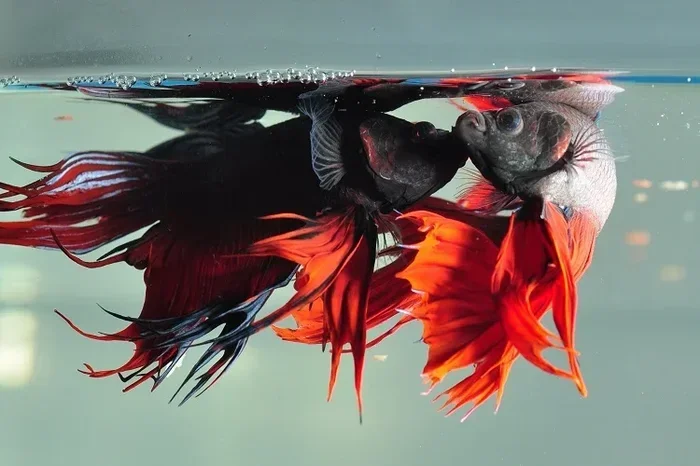
Two male bettas should never share a tank. They are aggressive toward each other and will fight, often to the death. Female bettas can sometimes be kept in small groups, but this requires a larger tank of at least 10 gallons and careful planning.
What is the best water temperature for a betta fish?
The ideal temperature range for a betta fish is 76 to 82 degrees Fahrenheit. Keeping the water within this range supports the fish’s metabolism, immune system, and energy levels. Use a reliable aquarium thermometer to monitor the temperature daily.