Female betta fish make bubbles for several natural reasons, from building bubble nests to signaling stress or excitement. Understanding these behaviors helps you create a happier, healthier tank and prevents common misconceptions.
Key Takeaways
- Bubble nests aren’t just for males: Females also build nests, especially when ready to breed.
- Stress can trigger bubbling: Poor water quality or aggressive tankmates may cause excessive bubbles.
- Temperature matters: Warm water encourages bubbling, while cold water can suppress it.
- Nutrition influences bubbles: A balanced diet supports healthy bubble‑making behavior.
- Observe patterns: Noting when and how often your female bubbles reveals her health and mood.
- Tank setup is key: Proper surface tension, plants, and décor give females the right environment to bubble.
- Know when to seek help: Sudden changes in bubbling may signal disease or water problems.
📑 Table of Contents
Introduction: The Curious Case of Bubbling Females
If you’ve ever watched a female betta fish puffing out tiny bubbles and wondered, “Why do female betta fish make bubbles?” you’re not alone. Most hobbyists picture bubble nests as a male‑only ritual, but the truth is a lot more interesting. Female bettas can create bubbles for many reasons—breeding, comfort, stress, or simply because the water feels right.
In this guide we’ll unpack every reason a female betta might start blowing bubbles, how you can tell what each bubble means, and what steps you can take to keep her happy. By the end, you’ll be able to watch your tank with fresh eyes and know exactly why those little spheres are popping up.
1. Natural Instinct: Building Bubble Nests
Why bubble nests are not just a male thing
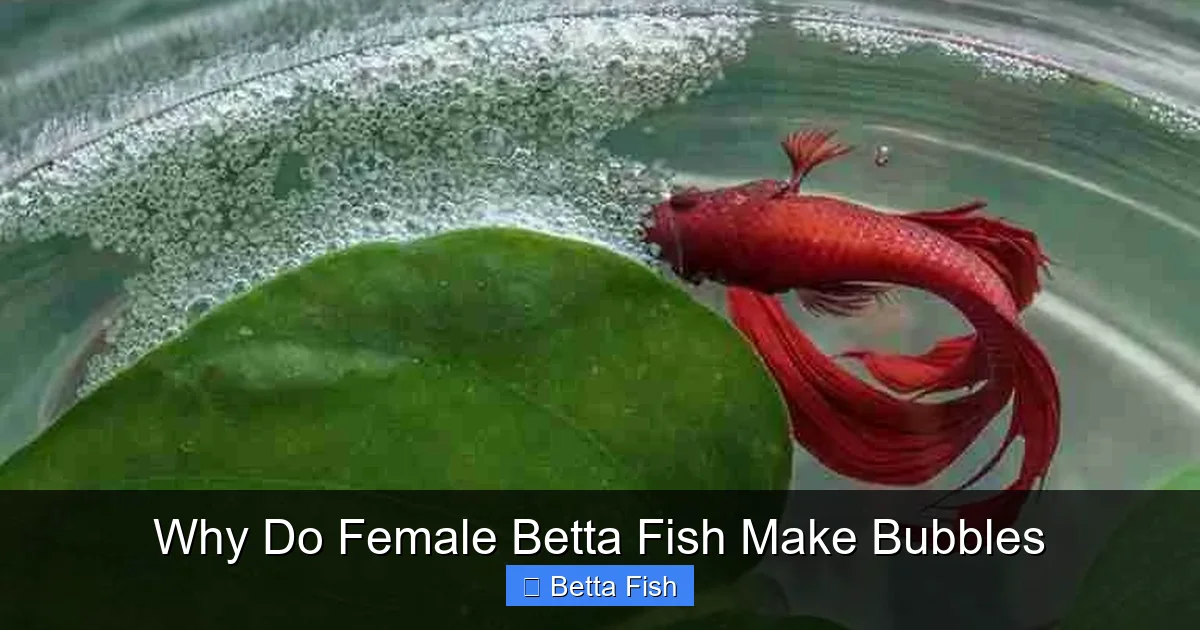
While male bettas are famous for constructing elaborate bubble nests before spawning, females also have the instinct to create them. In the wild, a female will sometimes build a small nest to attract a mate or to provide a safe place for her eggs after spawning.

Visual guide about Why Do Female Betta Fish Make Bubbles
Image source: infishtank.com
When does a female start nesting?
Female bettas typically begin to bubble when they reach sexual maturity (around 4–6 months) and sense the presence of a suitable male. You might notice a cluster of bubbles forming near the water surface, often near floating plants or a leaf.
Tips for encouraging healthy nests
- Provide a calm surface: Use a lid or a floating leaf to reduce water disturbance.
- Keep the temperature steady between 78‑80°F (25‑27°C) to mimic tropical conditions.
- Offer a gentle water flow; too much current can break bubbles apart.
For more details on bubble nest behavior, see our article on why do betta fish make bubble nests.
2. Communication and Territory
Bubble blowing as a social signal
Female bettas use bubbles to communicate with other fish, especially other females. A series of bubbles can signal dominance, readiness to mate, or simply a “hello.” In a community tank, you might see a female puff out bubbles when a new tankmate arrives.
Visual guide about Why Do Female Betta Fish Make Bubbles
Image source: fishkeepingacademy.com
How to read the bubble language
Watch the pattern: rapid, continuous bubbles often mean excitement or aggression, while occasional single bubbles are usually just normal respiration.
Managing bubble chatter
- Provide plenty of hiding spots with plants or decorations.
- Monitor tank mates; aggressive species can cause a female to over‑bubble.
- Keep the group size appropriate—generally one female per 5‑10 gallons.
3. Stress Responses
When bubbles signal trouble
Excessive bubbling can be a red flag. Poor water quality, sudden temperature changes, or overcrowding may cause a female to blow more bubbles as a coping mechanism.

Visual guide about Why Do Female Betta Fish Make Bubbles
Image source: fishkeepingacademy.com
Testing water parameters
Regularly check ammonia, nitrite, nitrate, and pH. Ideal ranges for bettas are:
- Ammonia: 0 ppm
- Nitrite: 0 ppm
- Nitrate: < 20 ppm
- pH: 6.5‑7.5
Quick stress‑relief steps
- Do a partial water change (25 % of the tank) with conditioned water.
- Reduce lighting to 8‑10 hours a day.
- Increase surface tension with a few drops of a betta‑safe water conditioner.
4. Temperature and Surface Tension
Why warm water encourages bubbles
Betta fish are tropical, and warmer water holds less dissolved oxygen, prompting them to gulp air from the surface. This natural gulp‑and‑bubble behavior is more visible in females that are comfortable in their environment.
Maintaining optimal temperature
Use an aquarium heater set to 78‑80°F (25‑27°C). A stable temperature prevents stress‑induced bubbling and supports overall health.
Surface tension tricks
Adding a few drops of a betta‑safe liquid plant supplement can increase surface tension, making it easier for the fish to form stable bubbles.
5. Nutrition and Health
Diet’s role in bubble production
A well‑balanced diet rich in protein and live foods (like daphnia or brine shrimp) gives the fish the energy needed for bubble building. Malnutrition can lead to weak bubble formation or a complete stop.
Feeding schedule
- Feed 2‑3 times daily, offering only what can be consumed in 2‑3 minutes.
- Include a weekly treat of freeze‑dried or live foods.
Health checks related to bubbling
If bubbles suddenly disappear, examine the fish for signs of disease: clamped fins, faded colors, or labored breathing. A healthy female will bubble regularly; a sick one may stop altogether.
Learn more about feeding basics at how do you feed a betta fish.
6. Breeding Season and Hormonal Changes
Hormones trigger bubble activity
During breeding season, estrogen levels rise, prompting females to create a small nest and release pheromones. This is often accompanied by more frequent bubbling.
Signs you’re entering a breeding cycle
- Increased vertical swimming.
- Flared fins and brighter coloration.
- More frequent bubble clusters near the surface.
Preparing for a successful spawn
If you plan to breed, introduce a compatible male only after the female has built a modest nest. Keep the tank dimly lit and maintain pristine water conditions.
Conclusion: Embrace the Bubbles
Female betta fish make bubbles for a blend of instinct, communication, and environmental cues. By watching the when, where, and how of those bubbles, you gain a window into her health, mood, and needs. Keep the water clean, the temperature steady, and the diet balanced, and you’ll see your female’s bubbles become a beautiful, natural part of tank life—not a mystery.
Remember, bubbling is a sign of a betta that feels comfortable enough to express her natural behaviors. Celebrate those tiny spheres, and let them guide you toward better care.
Frequently Asked Questions
Why do female betta fish make bubbles in a community tank?
In a community setting, bubbles can be a way for a female to claim space, signal excitement, or communicate with other fish. They’re often a normal part of social interaction.
Can too many bubbles indicate a health problem?
Yes. Excessive or frantic bubbling may point to poor water quality, stress, or respiratory issues. Check parameters and look for other signs of illness.
Do female bettas need a bubble nest to lay eggs?
While not always required, a small nest gives the eggs a safe surface and oxygen. Females will often build a modest nest when they are ready to spawn.
How can I encourage my female betta to bubble more?
Maintain warm, stable water (78‑80°F), provide a calm surface, and offer a varied diet with occasional live foods. A peaceful environment also helps.
Is it normal for a female betta to stop bubbling after a few weeks?
Yes, if the breeding cycle ends or conditions change. However, a sudden stop combined with other symptoms should be investigated.
Do bubbles affect the water chemistry?
Bubbles themselves don’t change chemistry, but frequent surface gulping can slightly raise oxygen levels, which is generally beneficial for bettas.

