Do Fish Bite Better in High or Low Pressure
The relationship between barometric pressure and fish biting is complex, but patterns exist. Generally, stable pressure (often following a low-pressure system) is excellent, while rapidly falling pressure can trigger a strong bite before a storm. However, the “best” condition varies significantly by fish species, season, water type, and other environmental factors. Successful anglers learn to read the pressure trends alongside weather, water temperature, and time of day to consistently find biting fish.
Key Takeaways
- Stable is Best: Consistently stable barometric pressure, whether high or low, typically leads to more predictable and reliable fish activity as aquatic life adjusts to the conditions.
- Falling Pressure Triggers: A rapidly falling barometer, often preceding a storm, can cause a remarkable surge in feeding activity for many species as they sense the coming change.
- Rising Pressure Slows: After a storm passes and pressure rises sharply, fish often become lethargic and less interested in feeding for a period of 12-48 hours.
- Species Matters: Largemouth bass and panfish often react strongly to pressure changes, while species like walleye and trout may be more influenced by light and water clarity than pressure alone.
- Context is King: Pressure never acts alone. Its effect is always filtered through water temperature, season, oxygen levels, and available forage. A “good” pressure day in winter is very different from a “good” pressure day in summer.
- Trend Over Absolute: The direction and rate of change (falling, rising, stable) are far more important indicators than the specific numerical reading (e.g., 30.00″ vs. 29.80″).
📑 Table of Contents
The Great Debate: Does Pressure Control the Bite?
If you’ve ever spent a quiet afternoon on the water, watching your bobber sit perfectly still while your friend three coves over is limiting out, you’ve probably asked yourself: “What are they doing differently?” Beyond lure choice, location, or pure luck, one of the most discussed and studied variables is barometric pressure. The simple question—do fish bite better in high or low pressure?—fuels endless campfire debates. The answer, like most things in fishing, isn’t a simple yes or no. It’s a nuanced, dynamic relationship where the change in pressure often matters more than the pressure itself. To crack the code, we need to understand what pressure is, how fish sense it, and how their behavior shifts with the weather’s invisible hand.
What is Barometric Pressure, Anyway?
Barometric pressure is the weight of the Earth’s atmosphere pressing down on everything. It’s measured in inches of mercury (inHg) or millibars (mb). A reading of 30.00 inHg is considered standard, fair weather. Readings above that indicate a high-pressure system—typically associated with clear skies, light winds, and stable conditions. Readings below 30.00 inHg signal a low-pressure system, bringing clouds, wind, and often precipitation. The key for anglers is that these systems don’t just bring rain or sun; they physically push down on the surface of the water, and fish feel that change in their underwater world.
The Fish’s Perspective: Sensing the Squeeze
Fish don’t have weather apps, but they are exquisitely tuned to their environment. Their swim bladders—gas-filled organs that help them maintain buoyancy—are the primary pressure sensors. Think of it like your ears popping when you dive in a pool or ascend a mountain. A change in atmospheric pressure slightly compresses or expands the water and the fish’s body. A rapidly falling barometer (low pressure moving in) reduces the pressure on the fish’s body, causing its swim bladder to expand slightly. This physical discomfort can make fish feel “full” or lethargic. Conversely, a rising barometer compresses them, which some theories suggest can make them more active and hungry as they adjust.
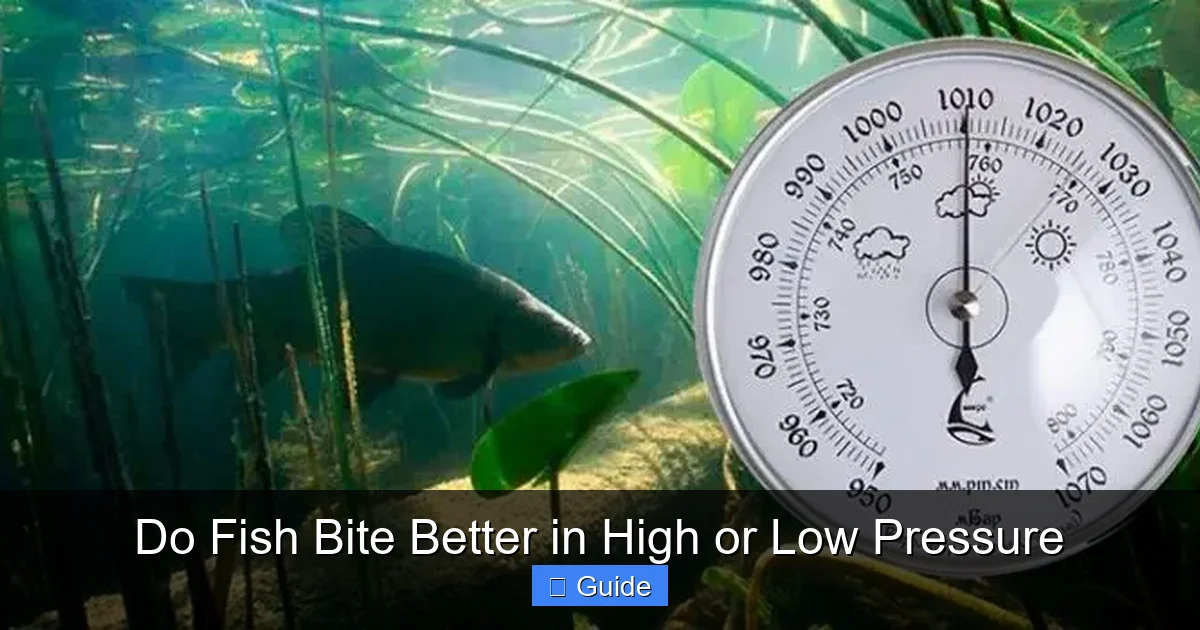
Visual guide about Do Fish Bite Better in High or Low Pressure
Image source: healthy-food-near-me.com
Frequently Asked Questions
What is do fish bite better in high or low pressure?
do fish bite better in high or low pressure is an important topic with many practical applications.