
Why Do Betta Fish Swim to the Top
Betta fish often swim to the surface because they’re seeking oxygen, exploring, or displaying natural behavior. Understanding these reasons helps you create a better environment, spot potential health issues, and enjoy watching your betta thrive. Simple adjustments to water quality, temperature, and tank setup can make a big difference.
Key Takeaways
- Surface swimming is normal: Betta fish naturally rise to the top for oxygen and curiosity.
- Water quality matters: Low oxygen, high temperature, or poor filtration can force a betta to the surface.
- Behavior clues: Frequent surface dwelling may signal stress, illness, or breeding instincts.
- Tank setup tips: Provide a lid, plants, and a gentle flow to balance surface time.
- Watch for red flags: Gasping, floating upside‑down, or loss of color require immediate attention.
- Link to related info: Learn why bettas sometimes sleep at the top or why they jump out of the tank.
- Enjoy the view: A healthy betta’s surface swimming can be a beautiful, calming display.
📑 Table of Contents
- Introduction: The Curious Case of the Surface‑Dwelling Betta
- 1. Natural Instincts: Oxygen, Exploration, and Territory
- 2. Environmental Factors That Push Betta to the Top
- 3. Behavioral Signals: When Surface Swimming Is a Warning
- 4. Practical Tips to Manage Surface Swimming
- 5. When to Seek Help: Red Flags and Veterinary Care
- Conclusion: Embrace the Surface, Keep It Healthy
Introduction: The Curious Case of the Surface‑Dwelling Betta
If you’ve ever watched a betta fish glide toward the water’s surface, you might wonder, “Why do betta fish swim to the top?” It’s a question that pops up for beginners and seasoned hobbyists alike. The answer isn’t one‑size‑fits‑all; it’s a mix of biology, tank conditions, and even the fish’s mood.
In this article we’ll break down the main reasons bettas head upward, how to tell if the behavior is healthy, and what you can do to keep your finned friend comfortable. By the end, you’ll be able to read your betta’s “surface signals” like a pro and make simple tweaks that boost its well‑being.
1. Natural Instincts: Oxygen, Exploration, and Territory
1.1. Seeking Oxygen at the Surface
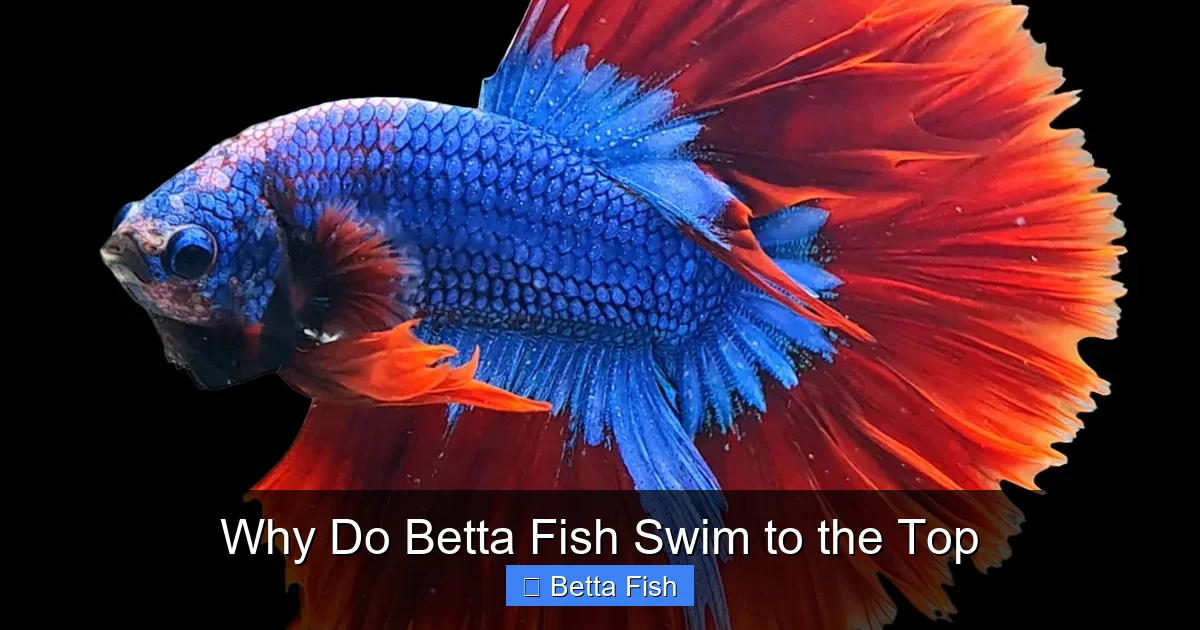
Betta fish are labyrinth fish, meaning they have a special organ that lets them gulp air directly from the surface. In the wild, water can be warm and low in dissolved oxygen, so rising to the top is a survival skill. In a well‑cycled aquarium, the need is less urgent, but the instinct remains.
Visual guide about Why Do Betta Fish Swim to the Top
Image source: tropicflow.com
1.2. Exploring Their World
Betas are curious explorers. The surface offers a different visual perspective and a chance to investigate floating debris, plant tops, or even the tank lid. This exploratory behavior is especially common in younger or more active fish.
1.3. Marking Territory
Male bettas are territorial fighters. Swimming to the top can be a way of “patrolling” their domain, especially if the tank has vertical structures like tall plants or a driftwood tower.
2. Environmental Factors That Push Betta to the Top
2.1. Low Dissolved Oxygen
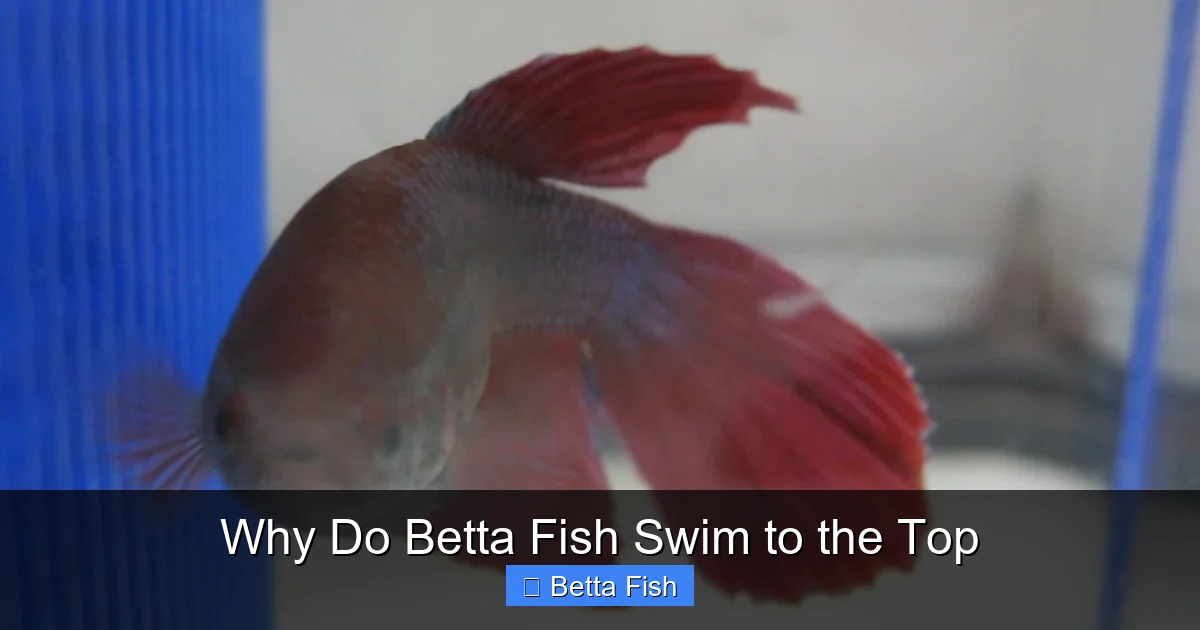
If the water is warm (above 80°F/27°C) or poorly aerated, dissolved oxygen drops. Your betta will instinctively rise to gulp air. Adding a gentle air stone or increasing surface agitation can help.
Visual guide about Why Do Betta Fish Swim to the Top
Image source: bettafishworld.com
2.2. Temperature Fluctuations
Betas love stable temperatures between 76‑82°F (24‑28°C). Sudden spikes make the water hold less oxygen, prompting surface trips. Use a reliable heater and a thermometer to keep the temperature steady.
2.3. Water Quality Issues
High ammonia or nitrite levels irritate gills, making it harder for the fish to extract oxygen. Regular water changes (about 25‑30% weekly) keep parameters in check. For a step‑by‑step guide, see How To Do A Water Change For Betta Fish.
2.4. Tank Size and Layout
Cramped spaces force bettas to use every inch of water, including the surface. A 5‑gal tank with vertical planting gives enough room to swim at different depths without feeling pressured.
3. Behavioral Signals: When Surface Swimming Is a Warning
3.1. Gasping and Rapid Breathing
If your betta darts to the top and appears to gulp air repeatedly, it may be struggling with low oxygen or a clogged labyrinth organ. Check water parameters first.
3.2. Floating Upside‑Down or Drifting
These are classic signs of swim bladder problems. A betta that can’t control its buoyancy will often hover near the surface, unable to stay level. Learn how to address this in How To Fix Swim Bladder In Betta Fish.
3.3. Loss of Color or Lethargy
When a betta looks pale and spends all day at the top, stress or illness may be present. Look for other symptoms such as frayed fins or white spots.
3.4. Breeding Behavior
Male bettas preparing a bubble nest will often hover near the surface, blowing bubbles and arranging them. This is a healthy, natural activity and a sign your fish is ready to breed.
4. Practical Tips to Manage Surface Swimming
4.1. Optimize Aeration Without Stress
Use a low‑flow air stone or a gentle filter that creates surface ripple rather than a strong current. Betta fins are delicate; too much flow can cause fatigue.
4.2. Keep Temperature Consistent
Invest in a heater with an automatic shut‑off and a calibrated thermometer. A stable environment reduces the need for surface air gulping.
4.3. Add Live or Silk Plants
Plants not only provide hiding spots but also increase oxygen through photosynthesis. Floating plants like Duckweed create a natural surface cover that can make a betta feel secure.
4.4. Provide a Secure Lid
Betas love to explore the top, but a loose lid can lead to jumps. If you notice your fish trying to leap, read Why Did My Betta Fish Jump Out Of The Tank for prevention tips.
4.5. Monitor Feeding Habits
Overfeeding can increase waste, lowering oxygen levels. Feed small amounts 2‑3 times a day and remove uneaten food after a few minutes.
5. When to Seek Help: Red Flags and Veterinary Care
5.1. Persistent Gasping
If your betta continues to surface for air despite proper aeration and clean water, a medical issue may be present. A veterinarian experienced with fish can diagnose labyrinth organ problems.
5.2. Sudden Changes in Behavior
Rapid shifts—like a normally active betta becoming sedentary at the top—often signal stress, disease, or water parameter spikes.
5.3. Combining Symptoms
Gasping + white spots + frayed fins = possible ich or bacterial infection. Quarantine the fish, raise the temperature slightly, and treat with appropriate medication.
Conclusion: Embrace the Surface, Keep It Healthy
Betta fish swimming to the top is a blend of natural instinct and environmental response. By providing clean, well‑oxygenated water, stable temperature, and a stimulating tank layout, you give your betta the freedom to explore the surface without compromising health.
Watch for warning signs, act quickly if something feels off, and enjoy the graceful dance of your betta as it glides between the depths and the surface. A happy betta that swims up confidently is a sign you’re doing the basics right—keep up the good work!
Frequently Asked Questions
Why does my betta fish always stay at the top of the tank?
Betas may stay near the surface to breathe air, especially if water temperature is high or oxygen is low. Check temperature, add gentle aeration, and ensure water quality is good.
Can surface swimming be a sign of illness?
Yes. Gasping, floating upside‑down, or loss of color while staying at the top can indicate swim bladder issues, poor water quality, or disease. Test water parameters and observe behavior.
Do betta fish sleep at the top of the tank?
Betas often rest near the surface because it feels safe and provides easy access to air. For more details, see our article on Do Betta Fish Sleep At The Top Of The Tank.
How can I reduce my betta’s tendency to jump out of the tank?
Provide a secure lid, keep water temperature stable, and avoid sudden disturbances. Learn more in Why Did My Betta Fish Jump Out Of The Tank.
Is it normal for a male betta to swim to the surface during breeding?
Yes. Males build bubble nests at the surface and will spend a lot of time there while courting and caring for the nest.
What should I do if my betta is constantly gulping air at the surface?
First, test ammonia, nitrite, and nitrate levels. Increase aeration with a gentle air stone, ensure the heater is set correctly, and perform a partial water change. If the behavior continues, consider a vet check for labyrinth organ issues.