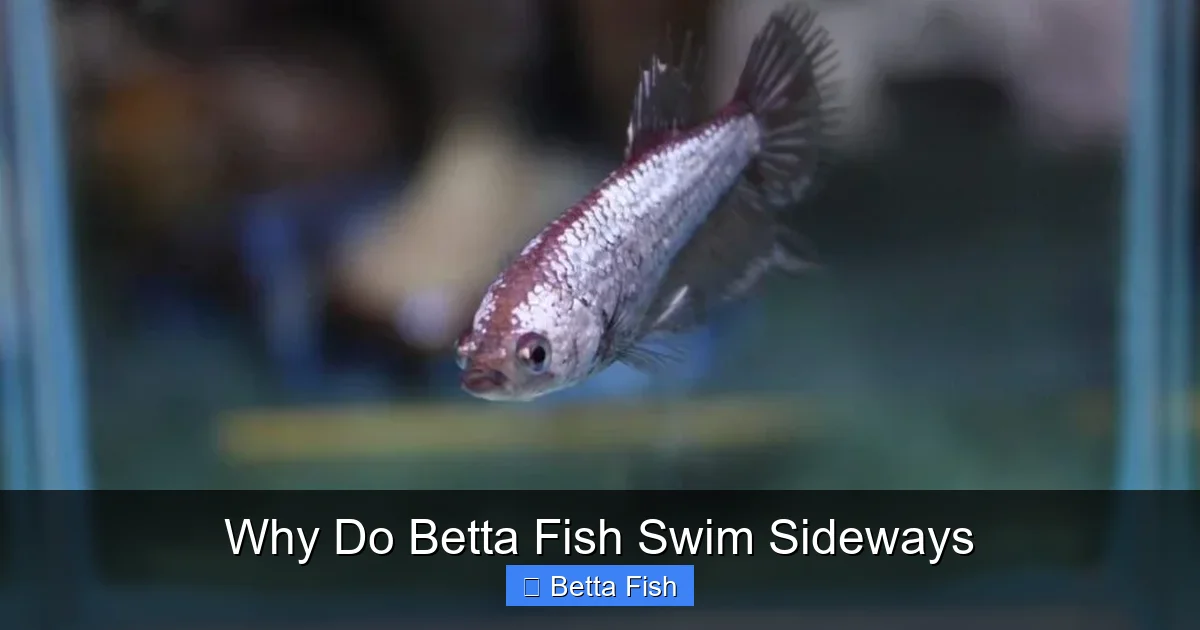
Why Do Betta Fish Swim Sideways

Betta fish swimming sideways is often a red flag for health or environment issues. By spotting the cause—whether it’s poor water quality, disease, or injury—you can act fast and restore normal swimming. Follow our practical tips to diagnose and treat the problem, keeping your betta vibrant and active.
Key Takeaways
- Sideways swimming signals a problem: It’s rarely normal and usually points to water, health, or tank setup issues.
- Water quality is critical: Ammonia, nitrite, or incorrect pH can stress bettas and cause erratic swimming.
- Look for physical signs: Swollen swim bladder, fin damage, or parasites often accompany the sideways motion.
- Quick fixes work: Simple steps like water changes, temperature adjustments, and proper feeding can reverse the behavior.
- Preventive care pays off: Regular tank maintenance and observation keep sideways swimming from re‑occurring.
- Know when to seek help: Persistent issues may require a vet or experienced hobbyist’s advice.
- Use reliable resources: Trusted articles such as “Why Betta Fish Swim Sideways” provide deeper insights.
📑 Table of Contents
- Introduction: When Your Betta Starts to Tilt
- 1. Water Quality Problems
- 2. Swim Bladder Disorders
- 3. Dietary Factors
- 4. Disease and Parasites
- 5. Physical Injuries and Environmental Hazards
- 6. Stress and Behavioral Factors
- Putting It All Together: A Step‑by‑Step Action Plan
- Conclusion: Keep Your Betta Swimming Straight
Introduction: When Your Betta Starts to Tilt
Imagine you’re watching your betta glide gracefully near the surface, then suddenly it drifts to the left, tilting like a tiny submarine. It’s unsettling, right? Most betta owners have wondered, why do betta fish swim sideways? The short answer: it’s usually a sign that something in the fish’s environment or body isn’t right.
In this article we’ll break down the most common reasons behind sideways swimming, show you how to spot the warning signs, and give you step‑by‑step fixes. By the end, you’ll feel confident diagnosing the issue and getting your finned friend back to its usual proud, upright swims.
1. Water Quality Problems
Betta fish are especially sensitive to the chemistry of their water. Even a small spike in ammonia or a dip in pH can make them feel dizzy, leading to a sideways wobble.
Visual guide about Why Do Betta Fish Swim Sideways
Image source: expertaquarist.com
Ammonia and Nitrite Buildup
Ammonia (NH₃) is toxic even at 0.25 ppm for bettas. When a tank isn’t cycled properly, ammonia can accumulate quickly. Nitrite (NO₂⁻) is the next step in the nitrogen cycle and is equally harmful. Both cause stress that may affect the swim bladder, the organ that helps fish maintain balance.
**Quick test:** Use a liquid test kit and check ammonia, nitrite, and nitrate levels weekly. If ammonia or nitrite reads above 0 ppm, perform a 25‑30 % water change and consider adding a biological filter.
pH and Hardness
Betas thrive in slightly acidic to neutral water (pH 6.5‑7.5). Sudden swings can irritate their gills and inner ear, leading to disorientation. Likewise, very soft water (< 3 dGH) can make the swim bladder more prone to collapse.
**Tip:** Keep a stable pH by using a buffer product designed for tropical fish, and aim for a moderate hardness (4‑8 dGH).
Temperature Fluctuations
Betas love warm water, ideally 78‑80 °F (25‑27 °C). If the temperature drops suddenly, the fish’s metabolism slows, and it may lose buoyancy control.
**Solution:** Use an aquarium heater with a thermostat and check the temperature twice a day with a reliable digital thermometer.
2. Swim Bladder Disorders
The swim bladder is a gas‑filled organ that lets fish rise, sink, and stay level. When it’s damaged or filled with excess fluid, your betta may tilt, spin, or float sideways.

Visual guide about Why Do Betta Fish Swim Sideways
Image source: expertaquarist.com
Types of Swim Bladder Issues
- Swim bladder disease: Bacterial infection that fills the bladder with fluid.
- Over‑inflation: Often caused by gulping air while feeding on the surface.
- Physical injury: A hit from a hard object or aggressive tank mate can bruise the bladder.
Diagnosing the Problem
Gently observe the fish’s posture:
- If it floats on its side near the surface, think over‑inflation.
- If it sinks and rests on the bottom, the bladder may be under‑inflated.
- Rapid flipping or “rolls” suggest a more serious infection.
Treatment Options
For minor over‑inflation, stop feeding the betta for 24‑48 hours and provide a few peas (shelled and cooked) to help expel excess gas. If the issue persists, a low‑dose antibiotic such as kanamycin (available at reputable aquarium stores) may be needed—always follow the label instructions.
3. Dietary Factors
What your betta eats can directly affect its buoyancy.

Visual guide about Why Do Betta Fish Swim Sideways
Image source: expertaquarist.com
Over‑Feeding and Air‑Gulping
Betta pellets that float on the surface encourage the fish to gulp air while feeding, which can fill the swim bladder. Over‑feeding also leads to waste buildup, raising ammonia levels.
**Best practice:** Feed 2‑3 small pellets once or twice a day, and consider sinking foods like frozen bloodworms to reduce surface feeding.
Inadequate Nutrition
Deficiencies in vitamins, especially B‑complex, can weaken the digestive tract and cause constipation—a common cause of swim bladder problems.
**Tip:** Offer a weekly treat of blanched peas or a high‑quality betta formula that includes added vitamins.
4. Disease and Parasites
Infections can affect the nervous system or the swim bladder itself, making the fish swim sideways.
Bacterial Infections
Symptoms often include cloudy eyes, ragged fins, and a side‑lying posture. These infections spread quickly in poor water conditions.
Internal Parasites
Protozoan parasites like Hexamita can cause bloating and loss of balance. Look for a swollen abdomen and a fish that appears “puffy.”
Fungal and External Parasites
While they mainly affect the skin, severe infections can stress the fish enough to disrupt its swimming.
When to Use Medication
If you suspect an infection, isolate the betta in a hospital tank and treat with a broad‑spectrum antibiotic (e.g., Maracyn) for 5‑7 days. Always read the dosage instructions and monitor water parameters closely.
5. Physical Injuries and Environmental Hazards
Betta tanks are often decorated with ornaments, plants, and gravel. Sharp edges or aggressive tank mates can cause trauma.
Sharp Decorations
Rough plastic castles or broken glass can puncture the swim bladder or damage the spine, leading to a sideways drift.
**Prevention:** Choose smooth, aquarium‑safe ornaments and rinse them before adding to the tank.
Tank Mates
Although bettas are solitary by nature, some hobbyists keep them with peaceful community fish. A nippy tank mate can bite the betta’s fins or body, causing imbalance.
For more on compatible tank mates, see our article on Why Can Betta Fish Be With Other Fish.
Improper Tank Size
Cramped spaces limit swimming room, increasing stress. A minimum of 5 gallons (19 L) is recommended for a single betta.
6. Stress and Behavioral Factors
Even without a physical problem, chronic stress can make a betta act oddly.
Lighting and Noise
Sudden bright lights or loud vibrations (e.g., from a nearby TV) can startle the fish, causing a temporary sideways swim.
Frequent Handling
Moving the tank often or tapping on the glass can disorient a betta.
How to Reduce Stress
- Place the tank in a quiet area with indirect lighting.
- Use a background to reduce reflections.
- Limit tank cleaning to once a week and avoid disturbing the fish during the process.
Putting It All Together: A Step‑by‑Step Action Plan
When you see your betta swimming sideways, follow this checklist:
- Test water parameters: Ammonia, nitrite, nitrate, pH, temperature.
- Perform a water change: Replace 25‑30 % with conditioned, temperature‑matched water.
- Observe feeding behavior: Switch to sinking foods for 2‑3 days.
- Check for physical signs: Look for bloated abdomen, torn fins, or cloudy eyes.
- Consider swim bladder remedies: Fast for 24 hours, then offer a peeled pea.
- Isolate if sick: Move to a hospital tank and start appropriate medication.
- Re‑evaluate tank setup: Remove sharp décor, ensure proper tank size, and verify heater function.
Following these steps usually resolves the sideways swimming within a few days. If the problem persists after two weeks of diligent care, it’s time to consult a specialist or a vet experienced with fish.
Conclusion: Keep Your Betta Swimming Straight
Seeing a betta fish swim sideways can be alarming, but it’s also a clear signal that something needs attention. By understanding the role of water quality, swim bladder health, diet, disease, and environment, you can quickly diagnose the cause and apply the right remedy. Consistent tank maintenance, proper feeding, and a stress‑free setup are the best defenses against future issues.
Remember, a healthy betta is a happy betta—one that darts up and down the water column with confidence, not a sideways swimmer. Keep an eye on your fish, act fast when you notice odd behavior, and enjoy the brilliant colors and personalities that make bettas such beloved pets.
Frequently Asked Questions
Why is my betta swimming sideways only at the surface?
This often means the fish is gulping air while feeding, leading to an over‑inflated swim bladder. Try feeding sinking foods and give the betta a short fast.
Can a water change alone fix sideways swimming?
Yes, if the cause is poor water quality. A 25‑30 % water change that corrects ammonia or nitrite spikes can restore normal buoyancy quickly.
Is sideways swimming a sign of a serious disease?
It can be, especially if accompanied by cloudy eyes, ragged fins, or a swollen abdomen. In such cases, isolate the fish and start a suitable antibiotic.
How long does it take for a betta to recover from swim bladder issues?
Minor over‑inflation often improves within 24‑48 hours after fasting and feeding peas. More severe infections may need 5‑7 days of medication.
Should I change my tank décor if my betta swims sideways?
If you notice sharp or rough decorations near where the fish swims, replace them with smooth, aquarium‑safe items to prevent injury.
When should I seek professional help for my betta?
If the sideways swimming persists after two weeks of proper care, or if you see rapid deterioration, consult a fish‑savvy veterinarian or an experienced aquarist.