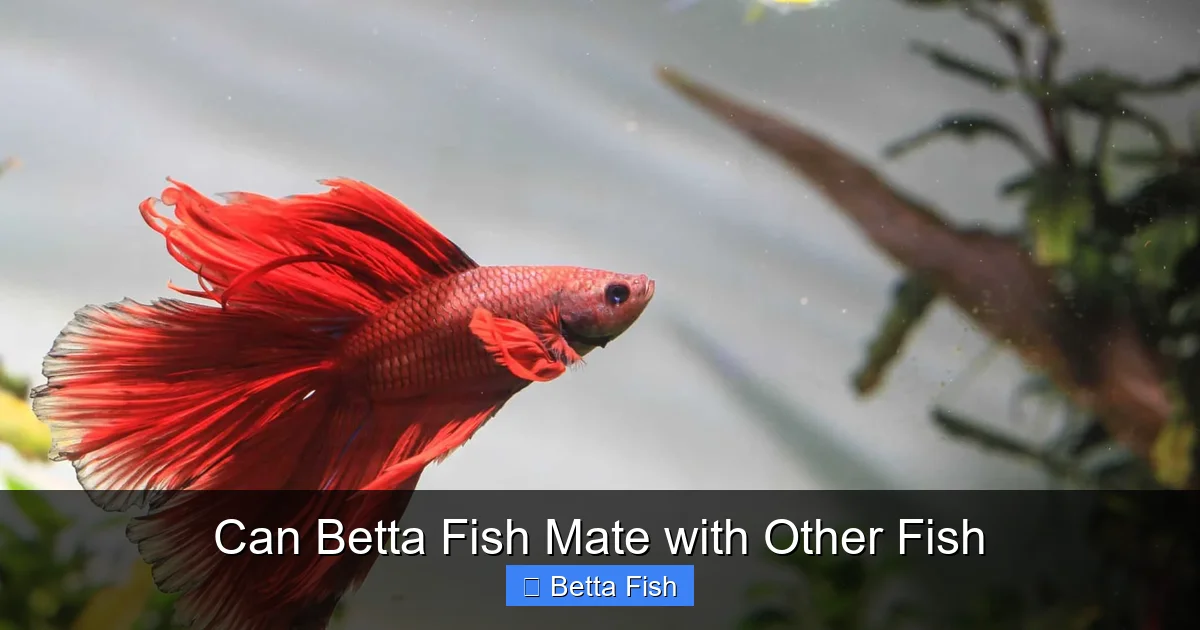
Can Betta Fish Mate with Other Fish
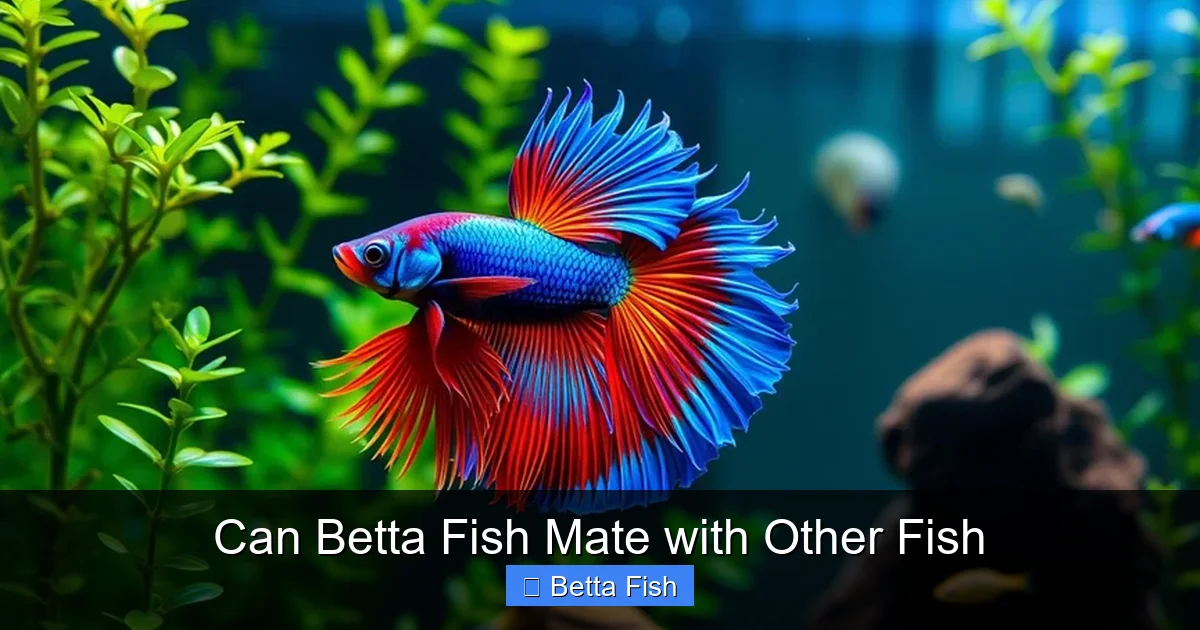
Betta fish cannot successfully mate with other fish species. They are biologically incompatible with every other type of aquarium fish, meaning no hybrid offspring can result from cross-species breeding. While bettas may display aggression or courtship behaviors toward other fish, true reproduction only occurs between a male and female betta fish of the same species.
Key Takeaways
- No cross-species mating: Betta fish cannot mate with other fish species due to genetic and biological incompatibility.
- Same-species breeding only: Successful reproduction requires a male and female Betta splendens pairing.
- Courtship confusion: Bettas may display mating behaviors toward other fish, but these are actually territorial or aggressive displays.
- Hybrid myths: There are no verified betta hybrids with other aquarium fish species in the hobby.
- Risk of injury: Attempting to house bettas with incompatible fish can lead to stress, injury, or death.
- Proper breeding setup: Breeding bettas requires a dedicated tank with specific water conditions and careful monitoring.
- Species-specific behavior: Understanding betta behavior helps prevent dangerous tank mate mistakes.
📑 Table of Contents
- Can Betta Fish Mate With Other Fish? The Complete Answer
- Understanding Betta Fish Biology and Reproduction
- Why Betta Fish Cannot Mate With Other Species
- Common Misconceptions About Betta Mating
- What Happens When Bettas Interact With Other Fish
- How to Properly Breed Betta Fish
- Understanding Betta Behavior With Tank Mates
- Frequently Asked Questions About Betta Mating
- Final Thoughts on Betta Fish Mating
Can Betta Fish Mate With Other Fish? The Complete Answer
If you have ever watched your betta fish flare its gills at a tank mate or build a bubble nest near another fish, you might have wondered something interesting. Can betta fish mate with other fish? It is a question that comes up a lot in aquarium forums and among new betta owners. The short answer is no, but the full story is much more fascinating than a simple yes or no.
Betta fish are one of the most popular aquarium pets in the world. Their flowing fins and vibrant colors make them irresistible to fish keepers everywhere. But they are also one of the most misunderstood fish species out there. Many people assume that because a betta shows interest in another fish, it might be trying to breed. The reality is far more complex and rooted in biology, genetics, and the unique evolutionary history of the betta fish.
In this article, we will explore everything you need to know about betta fish mating behavior. We will look at why bettas cannot breed with other species, what actually happens when they try to interact with other fish, and how to properly breed bettas if that is your goal. By the end, you will have a clear understanding of betta reproduction and why keeping them with the wrong tank mates can be dangerous.
Understanding Betta Fish Biology and Reproduction
What Makes Betta Fish Unique
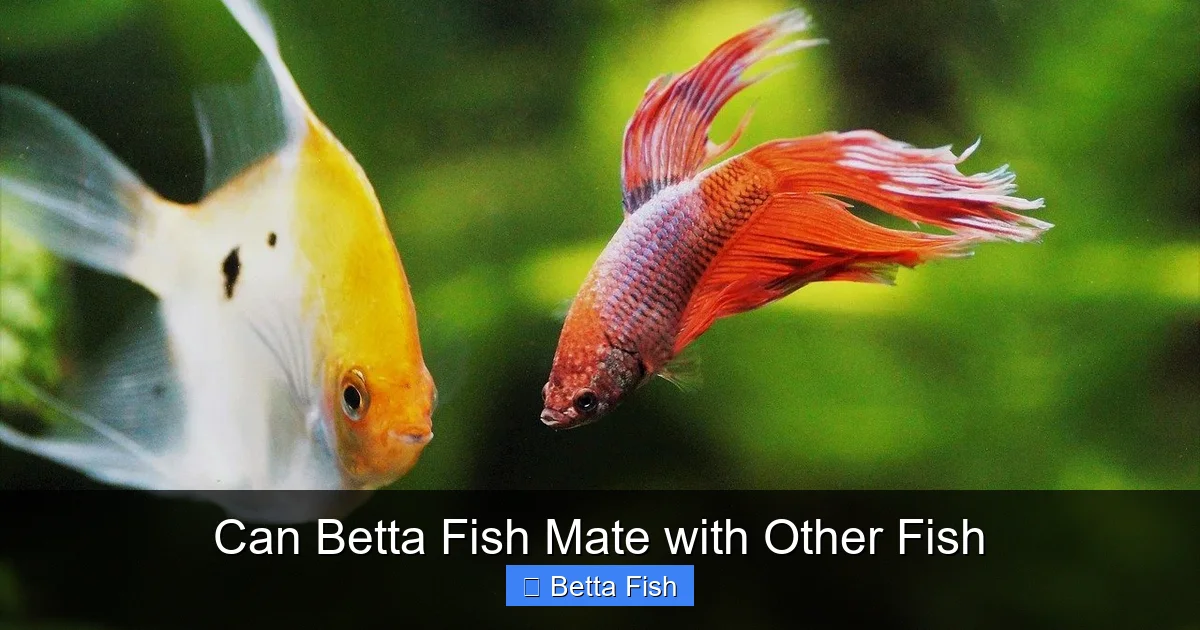
Betta fish, scientifically known as Betta splendens, belong to the Osphronemidae family. They are native to the shallow waters of Southeast Asia, including Thailand, Cambodia, Vietnam, and Laos. In the wild, they thrive in rice paddies, slow-moving streams, and shallow ponds with warm, still water.
Visual guide about Can Betta Fish Mate with Other Fish
Image source: coralrealm.com
One of the most distinctive features of betta fish is their labyrinth organ. This special breathing structure allows them to gulp air from the surface and survive in low-oxygen environments. This adaptation sets them apart from most other tropical aquarium fish and is one reason they can live in smaller tanks than many species.
Male bettas are especially known for their territorial nature. In the wild, a male betta will claim a small territory and defend it aggressively against other males. This behavior has been amplified through centuries of selective breeding, particularly in Thailand where bettas were originally bred for fighting.
How Betta Fish Reproduce
Betta fish reproduction is a fascinating process that involves elaborate courtship rituals. When a male betta is ready to breed, he builds a bubble nest at the water surface. This nest is made of saliva-coated bubbles and serves as a safe place for fertilized eggs.
The courtship process begins when a female betta is introduced to the males territory. The male will flare his fins, display his colors, and perform a dance to attract the female. If the female is receptive, she will develop vertical breeding stripes on her body and approach the male.
The actual mating embrace is called an amplexus. The male wraps his body around the female, squeezing out her eggs. He then catches the eggs in his mouth and carefully places them into the bubble nest. The female plays no role after this point. The male guards the nest and tends to the eggs until they hatch, which typically takes 24 to 48 hours.
This entire process is species-specific. The courtship signals, the physical embrace, and the egg fertilization all depend on both fish being Betta splendens. The genetic material of a betta is simply not compatible with any other fish species.
Why Betta Fish Cannot Mate With Other Species
Genetic Incompatibility
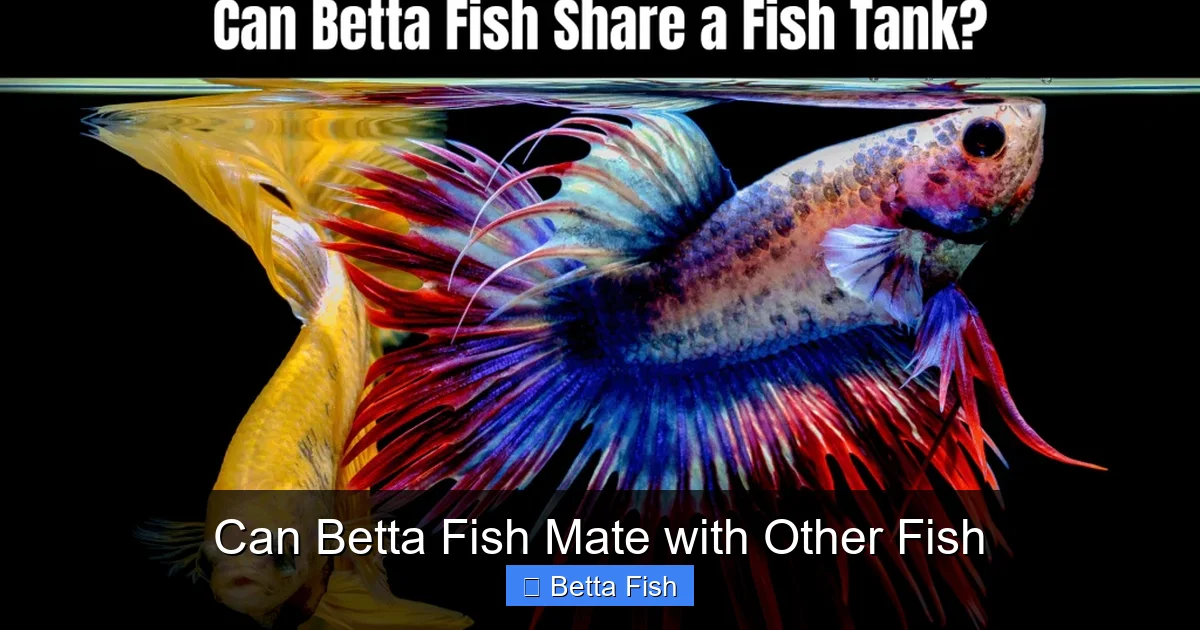
The most fundamental reason betta fish cannot mate with other fish is genetics. Every species has a unique number of chromosomes and a specific genetic code. For successful reproduction to occur, two organisms must have compatible genetic material that can combine to create viable offspring.
Visual guide about Can Betta Fish Mate with Other Fish
Image source: aniimad.com
Betta fish have 46 chromosomes. Most other popular aquarium fish have different chromosome counts. Even species that are closely related to bettas, like gouramis, have different genetic structures that prevent successful interbreeding. The DNA simply cannot align properly to create an embryo.
This is not unique to bettas. It is a universal rule of biology. Dogs cannot breed with cats. Horses cannot breed with zebras in most cases. And bettas cannot breed with any other aquarium fish. The genetic barriers are absolute.
Behavioral Barriers
Beyond genetics, betta fish have species-specific mating behaviors that other fish do not recognize or respond to. The bubble nest building, the courtship dance, and the amplexus embrace are all behaviors that only bettas understand and participate in.
When a male betta flares at a neon tetra or chases a guppy, he is not trying to mate with that fish. He is displaying territorial aggression. Other fish do not have the biological programming to interpret betta courtship signals, and they certainly cannot participate in the mating embrace.
This behavioral mismatch means that even if you placed a male betta in a tank full of willing female fish of another species, nothing would happen. The other fish would not respond correctly to the males advances, and the male would likely become frustrated and aggressive.
Physical Incompatibility
The physical mechanics of betta mating also prevent cross-species reproduction. The amplexus embrace requires a specific body shape and size match between the male and female. A male betta simply cannot physically wrap his body around a fish that is a completely different shape or size.
Additionally, betta eggs are specifically designed to be fertilized by betta sperm. The outer membrane of the egg has receptors that only respond to the sperm of the same species. Even if a male betta somehow managed to release sperm near the eggs of another fish species, fertilization would not occur.
Common Misconceptions About Betta Mating
My Betta Is Trying to Mate With Its Tank Mate
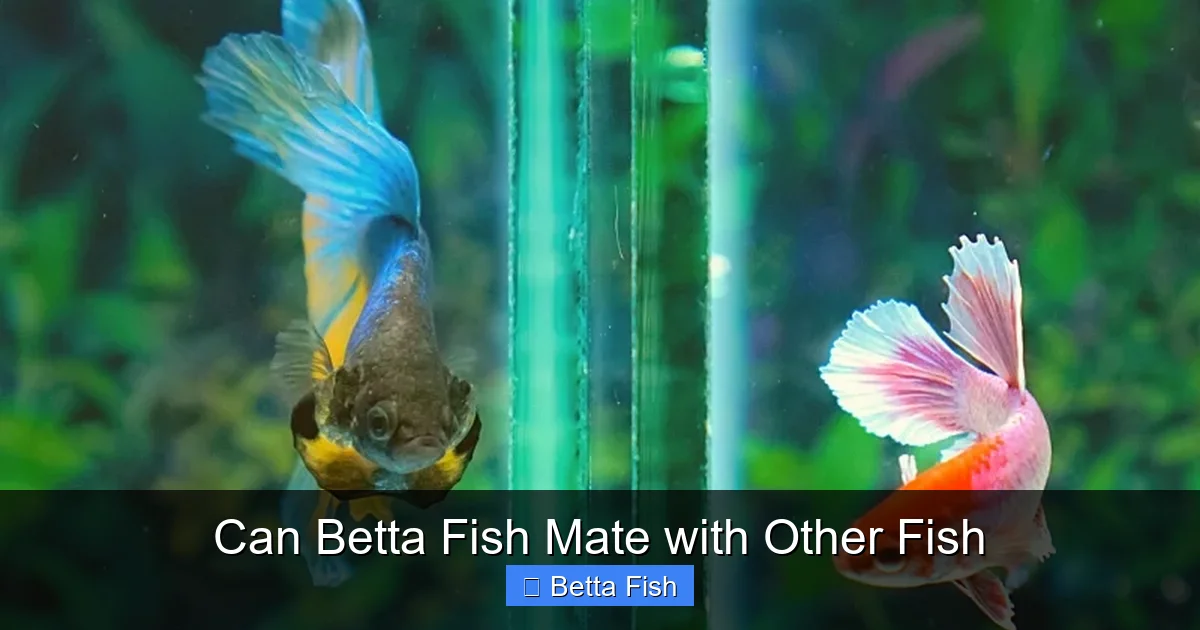
This is one of the most common misunderstandings in the aquarium hobby. Many betta owners see their fish displaying at or chasing another fish and assume it is a mating attempt. In reality, this is almost always territorial behavior.
Visual guide about Can Betta Fish Mate with Other Fish
Image source: infishtank.com
Male bettas are naturally aggressive toward other fish, especially those with bright colors or flowing fins. When your betta flares at a guppy, it is not because it wants to breed with the guppy. It sees the guppy as a rival or an intruder in its territory.
Female bettas can also display aggressive behavior, though they are generally less territorial than males. A female betta chasing another fish is establishing dominance, not attempting to reproduce with it.
Bettas Can Create Hybrid Fish
There is a persistent myth in some aquarium circles that bettas can be crossbred with other species to create hybrid fish. This is completely false. No verified betta hybrids exist in the aquarium trade.
Some people claim that certain fancy betta varieties are the result of crossbreeding with other species. In reality, all the different betta types you see in pet stores, from halfmoon to crowntail to plakat, are the result of selective breeding within the Betta splendens species. Breeders have carefully selected for specific traits over many generations, but they have never crossed bettas with other species.
There are over 70 species in the Betta genus, and some of these wild species can potentially interbreed with each other. However, Betta splendens is the most commonly kept species, and it does not hybridize with other aquarium fish like tetras, guppies, mollies, or corydoras.
Two Bettas Together Means They Will Breed
Another common misconception is that putting two bettas together will result in breeding. While this can be true if you have a male and a female, it is not guaranteed, and it can be extremely dangerous.
Male bettas should never be housed together. They will fight, often to the death. Two female bettas can sometimes coexist in a group called a sorority, but this requires a large tank and careful monitoring. Even then, aggression can break out at any time.
If you are interested in breeding bettas, it is important to understand the proper process. You need a dedicated breeding tank, the right water conditions, and a plan for what to do with the fry once they hatch. Simply throwing two bettas together is not a breeding strategy. It is a recipe for disaster.
What Happens When Bettas Interact With Other Fish
Aggression and Territorial Displays
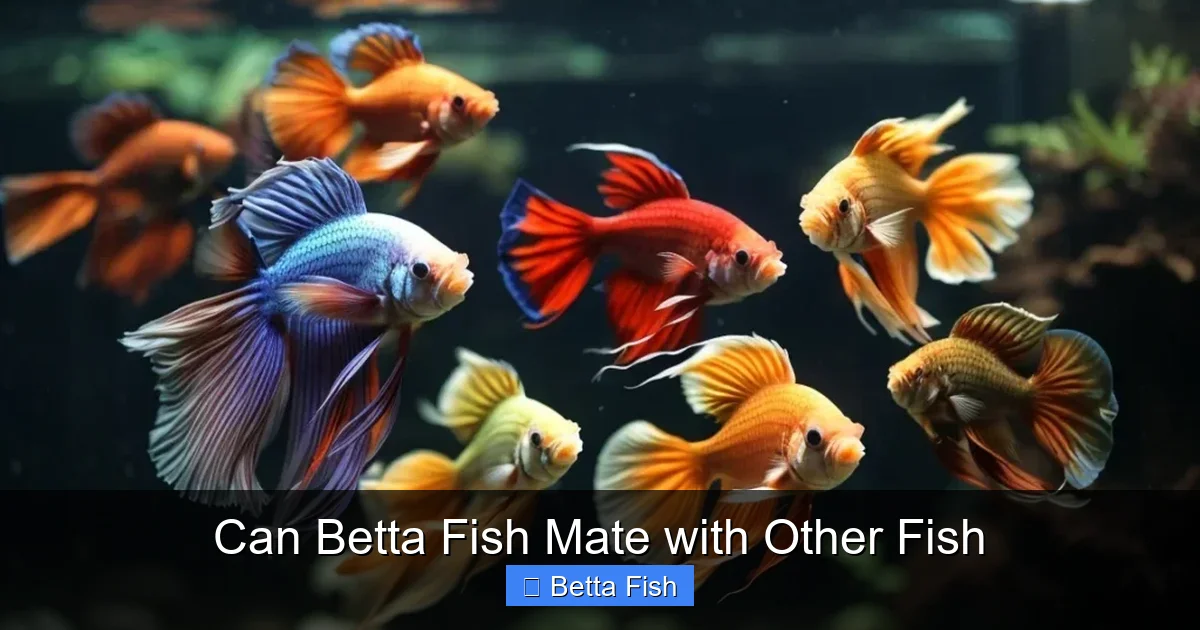
When a betta fish is placed with other fish, the most common outcome is aggression. Male bettas are especially prone to attacking fish that they perceive as rivals. This includes fish with bright colors, long fins, or similar body shapes.
Visual guide about Can Betta Fish Mate with Other Fish
Image source: aquaticspoolspa.com
The betta will flare its gill covers, spread its fins, and charge at the other fish. In a small tank, this can result in serious injury or death for the other fish. Even in a larger tank, constant stress from betta aggression can weaken the immune system of tank mates and make them susceptible to disease.
Some bettas are more tolerant than others. Individual personality plays a big role in how a betta reacts to tank mates. However, you should never assume that your betta will be peaceful. Always have a backup plan in case aggression becomes a problem.
Stress and Its Consequences
Even if your betta does not physically attack other fish, its mere presence can cause stress. Fish that are constantly on guard against a betta will not eat properly, will not display their natural behaviors, and will be more likely to get sick.
Stress in fish manifests in several ways. You might notice clamped fins, loss of color, hiding, or refusal to eat. Over time, chronic stress can lead to a weakened immune system and eventually death. This is why choosing appropriate tank mates for bettas is so important.
If you want to keep your betta with other fish, you need to choose species that are peaceful, fast-moving, and do not resemble bettas. Good options include certain types of tetras, corydoras catfish, and snails. For a detailed guide on compatible species, check out our article on what other fish can live with betta fish.
Accidental Injury During Misinterpreted Courtship
In rare cases, a male betta might attempt to perform its courtship dance toward a fish of another species. This is not true mating behavior. It is more likely a case of mistaken identity or redirected aggression.
The other fish will not understand what the betta is doing and may panic. This can lead to frantic swimming, crashing into tank decorations, or jumping out of the tank. The betta, frustrated by the lack of response, might then turn aggressive and attack the confused fish.
This scenario is another reason why careful tank mate selection is crucial. You want to avoid any situation where your betta might become confused or frustrated by the presence of other fish.
How to Properly Breed Betta Fish
Setting Up a Breeding Tank
If you want to breed betta fish, you need to do it properly. Start with a dedicated breeding tank of at least 10 gallons. The water should be shallow, around 6 to 8 inches deep, to make it easier for the male to retrieve fallen eggs and place them in the bubble nest.

Visual guide about Can Betta Fish Mate with Other Fish
Image source: japanesefightingfish.org
The water temperature should be between 78 and 82 degrees Fahrenheit. Use a gentle filter or no filter at all, as strong currents can destroy the bubble nest. Add some Indian almond leaves to create a natural environment and release tannins that mimic the bettas natural habitat.
Include some floating plants or a Styrofoam cup cut in half to give the male a foundation for his bubble nest. The tank should have a lid to maintain humidity and prevent the bettas from jumping out.
Selecting Breeding Pair
Choose a healthy male and female betta that are between 4 and 12 months old. Younger fish may not be sexually mature, and older fish may have reduced fertility. Look for fish with vibrant colors, active behavior, and no signs of disease.
The female should show breeding stripes when she is ready. These are vertical lines on her body that indicate she is receptive to mating. The male should be actively building a bubble nest.
Never place the female directly into the males tank. Instead, use a divider or a clear container so the fish can see each other without physical contact. This allows them to acclimate to each other and reduces the risk of the male attacking the female before she is ready.
The Breeding Process
Once both fish are showing signs of readiness, release the female into the males territory. Watch closely for the courtship dance and the mating embrace. After the female releases her eggs and the male fertilizes them, remove the female immediately. The male will become aggressive toward her once breeding is complete.
The male will tend to the eggs and fry for the next few days. Remove him once the fry are free-swimming, usually after 3 to 4 days. Feed the fry infusoria or liquid fry food for the first week, then gradually introduce baby brine shrimp.
Breeding bettas is a rewarding but challenging endeavor. Be prepared to care for potentially hundreds of fry, and have a plan for rehoming them once they grow.
Understanding Betta Behavior With Tank Mates
Reading Your Bettas Body Language
Understanding what your betta is trying to communicate can help you avoid dangerous situations. Flaring gills and spread fins usually indicate aggression or territorial display. A betta that is swimming calmly and exploring its environment is generally content.
Bubble nest building is a sign of a healthy, happy male betta. It does not necessarily mean he wants to breed. It is simply a natural behavior that indicates he feels secure in his environment.
If your betta is constantly hiding, has clamped fins, or is refusing to eat, these are signs of stress. Check your water parameters and consider whether tank mates might be the cause.
Choosing Safe Tank Mates
Not all fish are compatible with bettas. Avoid fish with bright colors or long fins, as these can trigger aggression. Also avoid fish that are known fin nippers, as they can damage your bettas delicate fins.
Good tank mates for bettas include bottom-dwelling fish like corydoras catfish, small schooling fish like ember tetras, and invertebrates like mystery snails and nerite shrimp. Always introduce tank mates gradually and monitor the situation closely.
Remember that every betta has a unique personality. What works for one betta might not work for another. Always be prepared to separate fish if aggression occurs. For more information on compatible species, visit our guide on can betta fish live with other fish.
Frequently Asked Questions About Betta Mating
Can a male betta mate with a female of another species?
No. A male betta cannot mate with a female of any other fish species. The genetic material is incompatible, and the other species will not respond to betta courtship signals. Any interaction between a male betta and a female of another species is either aggression or mistaken identity, not mating.
Visual guide about Can Betta Fish Mate with Other Fish
Image source: fishlaboratory.com
Can two female bettas breed with each other?
No. Bettas require both a male and a female to reproduce. Two females cannot breed with each other. They can coexist in a sorority setup, but no offspring will result from this arrangement.
What should I do if my betta builds a bubble nest?
A bubble nest is a sign of a healthy, content male betta. It does not mean he needs a mate. Simply enjoy the display of natural behavior and maintain good water quality. If you do want to breed, you will need to introduce a female betta using the proper breeding setup.
Final Thoughts on Betta Fish Mating
The question of whether betta fish can mate with other fish has a clear answer. They cannot. Betta fish are biologically, genetically, and behaviorally incompatible with every other aquarium fish species. Their elaborate reproductive process requires a male and female Betta splendens working together in a specific way that no other fish can participate in.
Understanding this fact is important for every betta owner. It helps you avoid dangerous tank mate combinations and prevents misunderstandings about your fishs behavior. When your betta flares at a tank mate, it is not trying to start a family. It is defending its territory.
If you are interested in breeding bettas, that is a wonderful hobby that can be incredibly rewarding. Just make sure you do your research, set up the proper equipment, and are prepared for the responsibility of caring for dozens or even hundreds of baby fish. And if you simply want to keep your betta happy and healthy, focus on providing a well-maintained tank with appropriate tank mates that wont trigger aggression.
For more tips on keeping bettas with other fish safely, be sure to read our comprehensive article on can you keep other fish with a betta. Knowledge is the best tool you have as a fish keeper, and understanding your bettas natural behaviors will help you create the best possible environment for your aquatic friend.
Frequently Asked Questions
Can betta fish mate with guppies?
No, betta fish cannot mate with guppies. They are completely different species with incompatible genetics. Any interaction between a betta and a guppy is likely to be aggressive rather than reproductive, and housing them together can be dangerous for the guppy.
Can betta fish mate with mollies?
No, bettas and mollies cannot interbreed. They belong to different families and have different chromosome counts, making cross-species reproduction impossible. Additionally, mollies prefer harder water with some salt, while bettas need soft, freshwater conditions.
Can a betta fish mate with another type of betta?
Betta splendens can potentially breed with some closely related wild betta species, but this is rare in the aquarium hobby. Most pet store bettas are Betta splendens, and successful breeding requires a male and female of this same species.
Why does my betta fish act like it wants to mate with other fish?
What looks like mating behavior is actually territorial aggression or a display of dominance. Bettas flare and chase other fish to defend their space, not to reproduce. This behavior is especially common toward fish with bright colors or flowing fins.
Can female bettas breed with other fish species?
No, female bettas cannot breed with other fish species either. Both male and female bettas require a partner of the same species for successful reproduction. The genetic barriers apply regardless of the sex of the betta.
What fish can live safely with betta fish?
Peaceful, fast-moving fish like ember tetras, harlequin rasboras, and corydoras catfish can sometimes coexist with bettas. Bottom dwellers and invertebrates like snails and shrimp are also often good choices. However, every betta has a unique personality, so careful monitoring is always necessary.