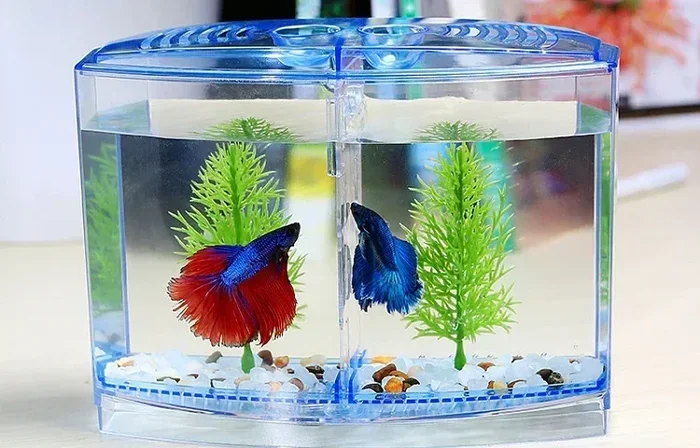
Why Do Betta Fish Lose Their Color
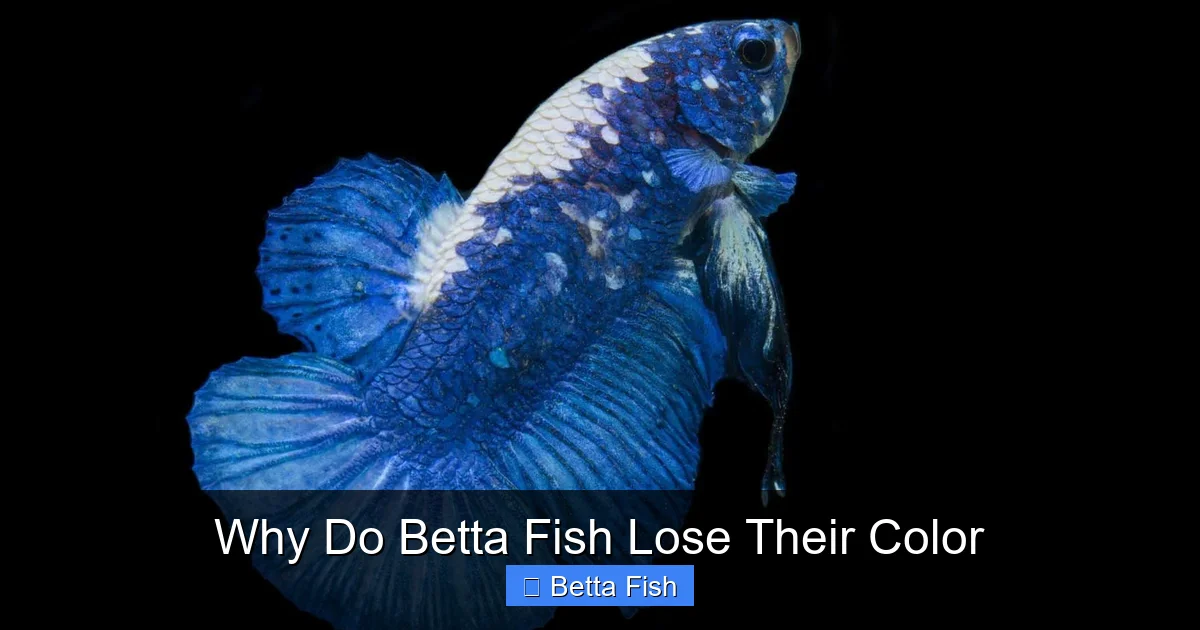
Betta fish can fade for many reasons—stress, water quality, diet, genetics, or illness. Understanding these factors helps you act fast and restore their brilliant hues. Follow our simple tips to keep your betta’s colors shining bright.
Key Takeaways
- Water quality matters: Poor parameters are the top cause of fading.
- Stress triggers dullness: Over‑crowding, aggressive tank mates, and sudden changes stress bettas.
- Nutrition fuels pigment: A balanced, high‑protein diet supports vibrant colors.
- Genetics set the stage: Some bettas are naturally paler or lose color with age.
- Health issues show up as fading: Parasites, fungal infections, and fin rot often start with a loss of hue.
- Seasonal and temperature shifts: Sudden drops or spikes can cause temporary fading.
- Quick interventions: Simple water changes, diet upgrades, and stress reduction can restore color fast.
📑 Table of Contents
- Introduction: The Mystery of a Fading Betta
- 1. Water Quality – The Silent Color Killer
- 2. Stress – The Invisible Dimming Light
- 3. Nutrition – Feeding the Palette
- 4. Genetics and Age – When the Palette Changes Naturally
- 5. Health Issues – When Fading Signals Illness
- 6. Environmental Factors – Light, Temperature, and Seasonal Shifts
- Putting It All Together: A 7‑Day Rescue Plan
- Conclusion: Keep the Colors Alive
Introduction: The Mystery of a Fading Betta
Imagine you’ve just set up a gorgeous 2‑inch betta, its fins flashing neon blues and bright reds. A week later, the colors look washed out, almost ghost‑like. You’re not alone—many hobbyists ask, “why do betta fish lose their color?” The answer isn’t always simple, but it’s never hopeless.
In this article we’ll walk through the most common reasons bettas fade, how to spot early warning signs, and what you can do today to bring the sparkle back. Think of it as a friendly chat over a cup of tea, with plenty of practical tips you can try right now.
1. Water Quality – The Silent Color Killer
Why clean water matters
Betta fish are native to shallow, stagnant waters of Southeast Asia where the water is soft and slightly acidic. In the home aquarium, even a small shift in pH, ammonia, nitrite, or nitrate can stress a betta and cause its pigments to fade.

Visual guide about Why Do Betta Fish Lose Their Color
Image source: cdn.shopify.com
Key parameters to monitor
- Ammonia (NH₃): Anything above 0 ppm is dangerous. Ammonia damages gill tissue, reducing oxygen uptake and dulling color.
- Nitrite (NO₂⁻): Levels above 0.5 ppm cause “brown fish disease,” which often begins with a loss of vibrancy.
- Nitrate (NO₃⁻): Keep under 20 ppm. High nitrate can stress bettas over time.
- pH: Aim for 6.5‑7.5. Sudden swings make the fish release stress hormones that mute pigments.
- Temperature: Ideal range is 76‑82°F (24‑28°C). Cold water slows metabolism, leading to paler appearance.
Practical water‑care checklist
1. Test water weekly with a reliable kit.
2. Perform a 25‑30 % water change if any parameter is out of range.
3. Use a gentle water conditioner that removes chlorine and chloramine.
4. Consider a sponge filter to improve biological filtration without creating strong currents.
For a deeper dive into water‑related color loss, see our article on why did my betta fish lose its color.
2. Stress – The Invisible Dimming Light
Common stressors in the betta’s world
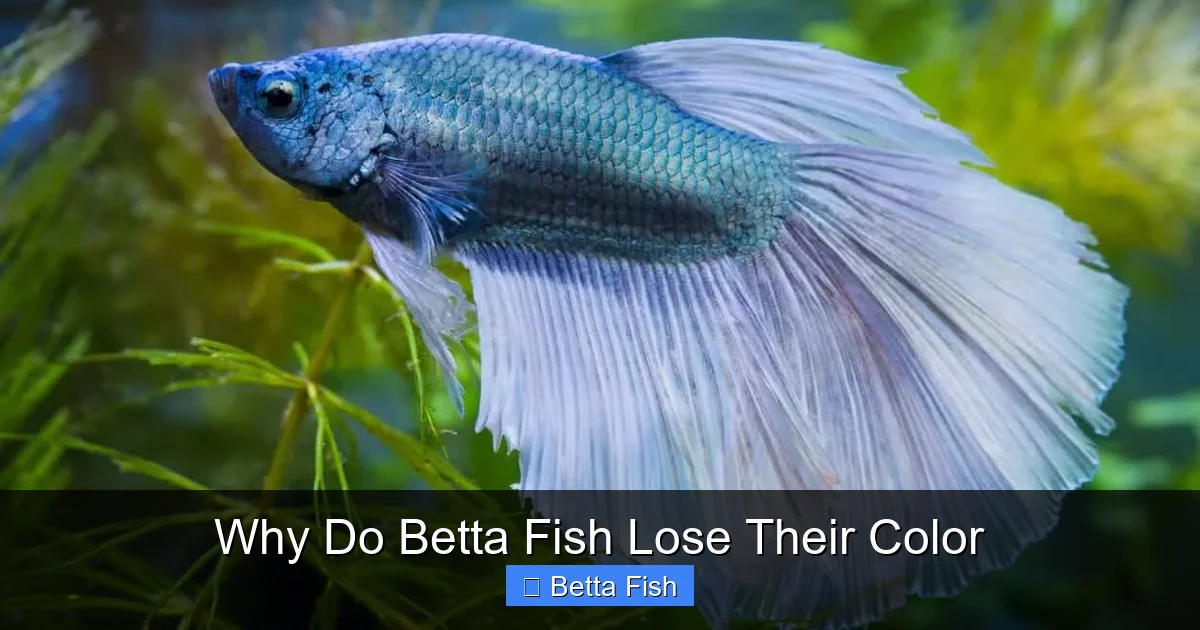
Stress is the #1 reason bettas lose their shine. It can be caused by:
Visual guide about Why Do Betta Fish Lose Their Color
Image source: fishtankmaster.com
- Over‑crowding or aggressive tank mates.
- Frequent rearrangement of décor.
- Loud noises, vibrations, or bright lights.
- Improper tank size (less than 2.5 gallons).
How stress affects pigment cells
When a betta feels threatened, its body releases cortisol. This hormone interferes with melanin and iridophore cells, the very cells that create the bright reds, blues, and metallic sheens. The result? A washed‑out, pastel version of its former self.
Stress‑reduction tips
- Provide at least 5 gallons of filtered water.
- Use a lid to block sudden light changes.
- Limit tank decorations to 2‑3 items to give the fish space.
- Avoid housing more than one male betta together.
- Introduce new décor slowly—add one item at a time.
3. Nutrition – Feeding the Palette
What pigments need
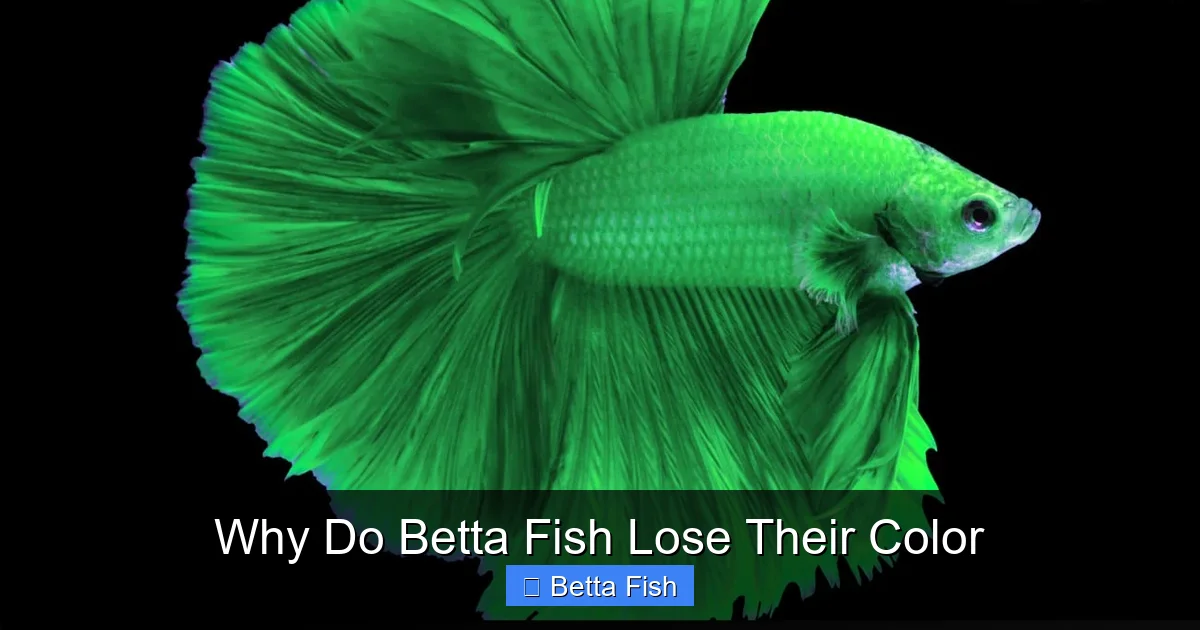
Betta coloration comes from three main pigment types: melanophores (black/brown), erythrophores (red/orange), and iridophores (metallic blues/greens). These pigments are built from dietary carotenoids, flavonoids, and proteins.
Visual guide about Why Do Betta Fish Lose Their Color
Image source: buildyouraquarium.com
Best foods for vibrant colors
- High‑quality betta pellets: Look for products with natural shrimp or krill meal.
- Live or frozen foods: Daphnia, bloodworms, and brine shrimp are rich in carotenoids.
- Color‑enhancing treats: Small amounts of spirulina or astaxanthin powders can boost reds and oranges.
Feeding schedule
Feed 2‑3 times daily, offering only what the fish can consume in 2‑3 minutes. Over‑feeding leads to poor water quality, which circles back to fading.
Need more diet ideas? Check out how do you feed a betta fish for a full guide.
4. Genetics and Age – When the Palette Changes Naturally
Inherited color patterns
Not every betta is born a neon masterpiece. Some varieties, like the “Dumbo” or “Half‑moon,” may have naturally softer hues. Breeders select for pattern, not always intensity.
Age‑related fading
As bettas mature (usually after 12‑18 months), their colors can soften. This is normal and not a sign of illness. However, a sudden, dramatic fade is still a red flag.
What to do
Provide optimal care—clean water, low stress, proper diet—and enjoy the subtle, elegant shades that come with age. If you notice a rapid change, re‑evaluate other factors first.
5. Health Issues – When Fading Signals Illness
Common diseases that start with color loss
- Ich (White Spot Disease): Early stage shows slight pallor before white spots appear.
- Fin rot: Bacterial infection that first causes frayed, dull fins.
- Velvet disease: A parasitic infection that gives the fish a dusty, faded look.
- Swim bladder disorder: Stress from the condition can make a betta appear pale.
Diagnostic checklist
1. Look for white spots, fuzz, or frayed fins.
2. Observe behavior—loss of appetite, lethargy, or frantic swimming.
3. Sniff the water—musty or sour odors suggest bacterial growth.
Treatment basics
- Isolate the affected fish in a hospital tank.
- Raise temperature to 82°F (28°C) to speed parasite life cycles (if appropriate).
- Use a broad‑spectrum medication like copper‑based or formalin treatments, following label instructions.
- Improve water quality with daily 30 % changes.
For a detailed look at disease‑related fading, read why is my betta fish turning white.
6. Environmental Factors – Light, Temperature, and Seasonal Shifts
Lighting’s role
Betta fish need a day/night cycle. Too much bright LED light can bleach pigments, while too little can cause dullness. Aim for 8‑10 hours of moderate lighting.
Temperature fluctuations
Rapid drops below 76°F cause the fish to conserve energy, often resulting in a temporary pale appearance. Likewise, overheating can stress the fish and lead to fading.
Seasonal considerations
In nature, bettas become more vibrant during breeding season (warm, rainy months). In the home, you can simulate this by slightly raising temperature and adding live plants during the spring.
Quick environmental tweaks
- Use a reliable aquarium heater with a thermostat.
- Install a dimmable LED fixture.
- Add live or silk plants for natural cover and water filtration.
- Maintain a stable room temperature—avoid drafts.
Putting It All Together: A 7‑Day Rescue Plan
If you notice your betta fading, follow this simple plan:
- Day 1: Test water and perform a 30 % change.
- Day 2: Switch to a high‑quality pellet and add a handful of frozen bloodworms.
- Day 3: Reduce tank décor to one hiding spot; dim the lights.
- Day 4: Check for signs of disease; isolate if needed.
- Day 5: Add a small heater to keep temperature steady at 78°F.
- Day 6: Observe behavior; note any improvement in coloration.
- Day 7: Re‑test water; continue daily 10‑15 % changes for a week.
Most bettas respond within a week if the underlying issue is corrected. Patience and consistency are key.
Conclusion: Keep the Colors Alive
Understanding why do betta fish lose their color empowers you to act quickly and keep your finned companion looking its best. By maintaining pristine water, minimizing stress, feeding a balanced diet, and watching for health signs, you create an environment where vibrant hues thrive. Remember, a happy betta is a colorful betta—so give it the care it deserves, and enjoy the living artwork in your tank.
Frequently Asked Questions
Why does my betta fish turn white?
Turning white can be a sign of stress, poor water quality, or an early stage of disease such as Ich. Check parameters, improve water conditions, and observe for other symptoms.
Can temperature changes cause my betta to lose color?
Yes. Sudden drops or spikes in temperature stress the fish, often leading to a temporary fading of pigments. Keep the tank between 76‑82°F.
Is a diet change enough to restore faded colors?
A high‑quality, protein‑rich diet can boost pigments, especially if the fade is due to nutritional deficiency. Pair diet changes with good water quality for best results.
Do bettas naturally lose color as they age?
Older bettas may show softer hues, but a rapid or dramatic loss of color is usually a sign of stress or illness, not just aging.
How quickly can water quality affect my betta’s color?
Very quickly—within a few days of a spike in ammonia or nitrite, a betta can appear pale or dull. Regular testing prevents this.
Can adding live plants help keep my betta’s colors bright?
Live plants improve water quality, provide natural hiding spots, and reduce stress, all of which support vibrant coloration.