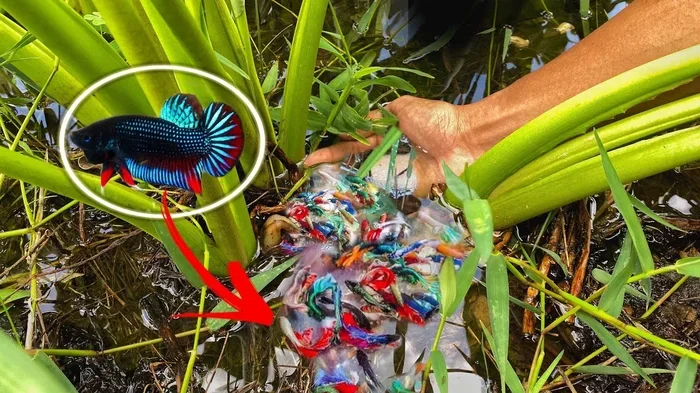
How Many Babies to Betta Fish Have

A female betta fish can produce between 30 and 100 babies per spawning cycle, with some healthy females reaching up to 200 fry. Understanding betta fish reproduction helps you prepare the right tank setup, feeding schedule, and care routine. This guide covers everything from breeding behavior to raising healthy betta fish fry successfully.
If you have ever wondered how many babies a betta fish can produce, you are not alone. This is one of the most common questions among new fish keepers. Betta fish are known for their vibrant colors and flowing fins, but their breeding habits are just as interesting. Understanding betta fish reproduction helps you create the right environment for successful spawning and healthy fry.
The good news is that betta fish breeding is relatively straightforward once you know the basics. With the right setup and a little patience, you can watch dozens of tiny fry grow into healthy adult fish. Whether you are breeding bettas as a hobby or simply curious about the process, this guide has everything you need.
Key Takeaways
- Betta fish litter sizes range from 30 to 100 fry, depending on the female’s age, health, and tank conditions.
- Betta fish eggs hatch in about 24 to 72 hours, and the fry become free-swimming within a few days.
- Proper fry care requires a separate tank, warm water, and frequent small feedings throughout the day.
- Survival rates improve significantly when you remove the adult male after spawning and keep the fry in a safe environment.
- Common mistakes include overfeeding and poor water quality, which can quickly harm delicate betta fish fry.
- Raising betta fish babies is rewarding but demands patience, consistency, and attention to detail every single day.
📑 Table of Contents
How Many Babies Do Betta Fish Have?
The short answer is that a female betta fish typically produces between 30 and 100 babies in a single spawning cycle. However, the number can vary quite a bit depending on several factors. Some healthy females may produce as few as 20 fry, while others can deliver up to 200 or more. If you want to know exactly how many babies do betta fish have in your specific situation, keep reading.
Each group of babies from one spawning event is called a litter. The size of the litter depends on the age and size of the female, the water temperature, and the overall health of both the male and female betta fish. Younger females tend to have smaller litters, while mature, well-conditioned females often produce more fry. This is completely normal and nothing to worry about.
What Affects Betta Fish Litter Size?
Several key factors influence how many babies a betta fish will have. Let us break them down so you can understand what to expect.
- Age of the Female: Prime breeding age for betta fish is between 4 and 12 months. Females in this range tend to produce the largest litters. Older females may still breed, but the number of fry usually decreases.
- Health and Nutrition: A well-fed, healthy female betta fish will produce more eggs and therefore more fry. Poor nutrition can lead to smaller litters or unhealthy eggs.
- Water Conditions: Clean, warm water with stable parameters encourages successful breeding. Dirty water or temperature swings can reduce the number of viable eggs.
- Tank Size: A properly sized breeding tank reduces stress for both the male and female, which can positively impact litter size.
How Many Fry Do Betta Fish Have Compared to Other Fish?
Betta fish are not the most prolific breeders in the fish world, but they are far from the least. Compared to livebearers like guppies, which can produce 20 to 200 babies at once, betta fish fall somewhere in the middle. If you want to learn more about fry numbers specifically, check out how many fry do betta fish have for a deeper comparison.
| Fish Species | Average Litter Size | Breeding Type |
|---|---|---|
| Betta Fish | 30 to 100 fry | Bubble nest (egg layers) |
| Guppies | 20 to 200 fry | Livebearers |
| Mollies | 20 to 100 fry | Livebearers |
| Swordtails | 20 to 100 fry | Livebearers |
| Neon Tetras | 100 to 300 eggs | Egg layers |
As you can see, betta fish produce a moderate number of fry compared to other popular aquarium fish. This makes them manageable for most home aquarists who want to try breeding.
The Betta Fish Breeding Process
Understanding the breeding process helps you prepare for the arrival of betta fish babies. The entire cycle from mating to free-swimming fry takes about 3 to 4 weeks. Here is what happens step by step.
Step 1: Conditioning the Breeding Pair
Before you introduce a male and female betta fish, you need to condition them with high-quality food. Feed both fish live or frozen foods like brine shrimp and bloodworms two to three times a day for about one to two weeks. This prepares their bodies for reproduction and increases the chances of a successful spawn.
Step 2: The Spawning Event
When the female is ready, she will show vertical stripes on her body, which signals that she is carrying eggs. The male will build a bubble nest at the surface of the water. During spawning, the male wraps his body around the female to collect the eggs. He then places the fertilized eggs into the bubble nest. This process can take several hours and may repeat multiple times.
Step 3: Egg Hatching
After spawning, the male betta fish carefully tends to the bubble nest. The eggs will hatch within how many days to hatch betta fish eggs is a common question, and the answer is usually 24 to 72 hours. The male guards the nest and retrieves any eggs that fall out. During this time, you should not disturb the tank or turn on any filters, as the fry are extremely delicate.
Step 4: Free-Swimming Fry
Once the fry absorb their egg sacs, they become free-swimming. This usually happens about three to five days after hatching. At this point, the male should be removed from the tank because he may start eating the fry. The fry will stay near the surface and feed on their yolk sacs for another day or two before needing external food.
How to Care for Betta Fish Fry
Raising betta fish fry is one of the most rewarding parts of breeding, but it does require daily attention. The first few weeks of a fry’s life are the most critical. Here is everything you need to know to give your betta fish babies the best start.
Setting Up a Fry Tank
You should move the fry to a separate tank as soon as they become free-swimming. A tank of at least 5 gallons works well. Use a sponge filter on the lowest setting to keep the water clean without creating strong currents that can overwhelm the tiny fry. Maintain the water temperature between 78 and 80 degrees Fahrenheit, which is the ideal range for betta fish fry growth.
Feeding Betta Fish Fry
Feeding is the most important part of fry care. Baby betta fish need very small, frequent meals. Start with infusoria or liquid fry food for the first few days. After about one week, you can introduce baby brine shrimp and micro worms. As the fry grow, you can gradually increase the size of their food.
Feed the fry how many times a day to feed a betta fish applies to fry too, and the answer is four to six small feedings per day. This frequent feeding schedule supports rapid growth during the first weeks of life.
Water Changes for Fry
Clean water is essential for healthy betta fish fry. Perform small water changes of about 10 to 20 percent every day or every other day. Use a turkey baster to gently remove debris and uneaten food. Avoid vacuuming the bottom too aggressively, as the fry are very small and can be sucked up easily.
Growth Stages of Betta Fish Fry
Betta fish fry grow quickly but go through several distinct stages. In the first week, they are tiny and transparent. By the second week, you will start to see color developing and small fins forming. Around four weeks old, the fry begin to look like miniature adult bettas. By eight weeks, you can start to identify their fin types and sex them if needed.
Factors That Affect Betta Fish Baby Survival
Not all betta fish fry will survive, and that is normal. In the wild, survival rates are quite low. But in a controlled aquarium environment, you can significantly improve the chances of your fry reaching adulthood. Here are the factors that matter most.
Water Quality
Poor water quality is the number one killer of betta fish fry. Ammonia and nitrite levels should always be at zero. Nitrate levels should stay below 20 parts per million. Test the water daily during the first two weeks and perform regular small water changes to keep parameters stable.
Temperature Stability
Betta fish fry need warm, stable water. Sudden temperature drops can slow their growth and make them more susceptible to disease. Use a reliable aquarium heater with a thermostat to maintain a steady temperature in the fry tank.
Overfeeding
It is easy to overfeed betta fish fry, and doing so can quickly foul the water. Uneaten food decomposes and raises ammonia levels, which is dangerous for delicate fry. Feed only what they can consume in two to three minutes per feeding, and remove any leftovers promptly.
Predation from Adult Fish
Never keep adult betta fish with fry. Even the parents may eat their own babies. Always separate the fry into their own tank as soon as they become free-swimming. This simple step dramatically improves survival rates.
Common Mistakes When Raising Betta Fish Babies
Even experienced fish keepers make mistakes when raising betta fish fry. Here are the most common errors to avoid.
- Skipping the Fry Tank: Keeping fry in the main tank almost always results in them being eaten by adult fish or filter intakes.
- Feeding Too Much: Overfeeding causes water quality to crash fast. Small, frequent feedings are always better than one large meal.
- Neglecting Water Changes: Fry tanks need frequent small water changes because waste builds up quickly in small volumes.
- Using Strong Filters: Hang-on-back filters or power filters create currents that can trap and kill tiny fry. Always use a sponge filter on the lowest setting.
- Not Removing the Male After Spawning: The male betta fish may eat the fry once they become free-swimming. Remove him immediately after hatching.
Expert Tips for Raising Healthy Betta Fish Fry
Start with a well-planned breeding setup. Having everything ready before the fry arrive makes a huge difference. You will not want to scramble for supplies when the eggs hatch.
Observe the fry daily. Watch for signs of healthy growth, such as active swimming and steady color development. If you notice any fry that are not growing or seem lethargic, check your water parameters immediately.
Be patient. Betta fish fry take about three to four months to reach full size. During that time, they will need consistent care and attention. The reward is watching them grow into beautiful, healthy adult betta fish.
Conclusion
So, how many babies to betta fish have? The answer is typically between 30 and 100 fry per spawning cycle, with some exceptional females producing even more. Betta fish reproduction is a fascinating process that every aquarist can enjoy with the right knowledge and preparation.
From understanding the breeding process to setting up a proper fry tank and feeding schedule, every step matters. The key to success is patience, consistency, and attention to water quality. By following the tips in this guide, you can raise healthy betta fish fry and enjoy watching them grow into stunning adult fish.
Whether you are breeding bettas for fun or as a serious hobby, the experience of raising betta fish babies is truly unforgettable. Start with a healthy breeding pair, provide excellent care, and enjoy the rewarding journey of bringing new life into your aquarium.
Frequently Asked Questions
How many babies do betta fish have in one spawning?
Most female betta fish produce between 30 and 100 babies in a single spawning cycle. However, the exact number depends on the female’s age, health, and tank conditions. Some well-conditioned females can produce up to 200 fry in one event.
How long does it take for betta fish eggs to hatch?
Betta fish eggs typically hatch within 24 to 72 hours after spawning. The male betta fish guards the bubble nest during this time and carefully tends to the eggs. Once hatched, the fry absorb their egg sacs and become free-swimming within a few days.
Do betta fish have live babies or eggs?
Betta fish lay eggs. The male builds a bubble nest at the water surface, and the female releases eggs during spawning. The male fertilizes the eggs and places them in the bubble nest. The eggs hatch into tiny fry, so betta fish do not give live birth.
How often do betta fish breed?
Betta fish can breed every few weeks if the female is healthy and well-conditioned. However, it is best to allow at least a few weeks of rest between breeding cycles to prevent stress on the female. Overbreeding can lead to health problems and smaller litter sizes.
What should I feed betta fish fry?
Start by feeding betta fish fry infusoria or liquid fry food for the first few days. After about one week, introduce baby brine shrimp and micro worms. Feed the fry four to six times a day in small amounts to support rapid, healthy growth.
When should I separate betta fish fry from adults?
Separate the fry from adult betta fish as soon as they become free-swimming, which is usually three to five days after hatching. Adult fish, including the parents, may eat the fry. A separate fry tank with a sponge filter and warm, stable water gives the babies the best chance of survival.