Betta fish are naturally solitary creatures, evolved to defend territories and flourish alone. Understanding their aggressive instincts, breeding habits, and environmental needs helps you create the perfect solo setup for a thriving, stress‑free betta.
Key Takeaways
- Territorial nature: Betta fish guard their space fiercely, making cohabitation risky.
- Breeding behavior: Males build bubble nests and guard them, a process that requires solitude.
- Stress reduction: A single betta experiences less stress, leading to better health and longer life.
- Tank setup matters: Proper size, plants, and hiding spots support a lone betta’s well‑being.
- Gender differences: Males are more aggressive than females, influencing how you house them.
- Exceptions exist: Some peaceful community tanks can work with careful planning.
- Monitoring is key: Regular observation prevents aggression and catches health issues early.
📑 Table of Contents
- Introduction: The Solo Life of a Betta
- 1. Evolutionary Roots: How Wild Betta Behavior Shapes the Pet Betta
- 2. The Science of Aggression: Why Betta Fights Occur
- 3. Health Benefits of Solitude
- 4. Designing the Perfect Solo Tank
- 5. Common Misconceptions About Betta Solitude
- 6. Practical Tips for New Betta Owners
- Conclusion: Embracing the Solo Nature of Betta Fish
Introduction: The Solo Life of a Betta
When you first see a betta fish, its vivid colors and flamboyant fins are hard to ignore. Many new owners wonder, “why do betta fish live alone?” The answer lies in the fish’s wild heritage and built‑in survival strategies. In their native Southeast Asian habitats, bettas are solitary hunters and defenders of small, water‑filled territories. This instinct carries over to home aquariums, where a single betta can thrive when given the right conditions.
In this article we’ll explore the science behind betta solitude, the risks of keeping them together, and practical tips for creating a happy, healthy solo environment. By the end, you’ll understand not just why do betta fish live alone, but also how to make that alone‑time a positive experience for your fish.
1. Evolutionary Roots: How Wild Betta Behavior Shapes the Pet Betta
1.1 Natural Habitat and Territoriality
Betta fish originate from shallow, stagnant waters such as rice paddies, swamps, and slow‑moving streams in Thailand, Malaysia, and surrounding countries. These habitats are often crowded with vegetation, leaf litter, and other small creatures. To survive, bettas claim a small patch of water as their own and defend it from intruders.

Visual guide about Why Do Betta Fish Live Alone
Image source: bettafishworld.com
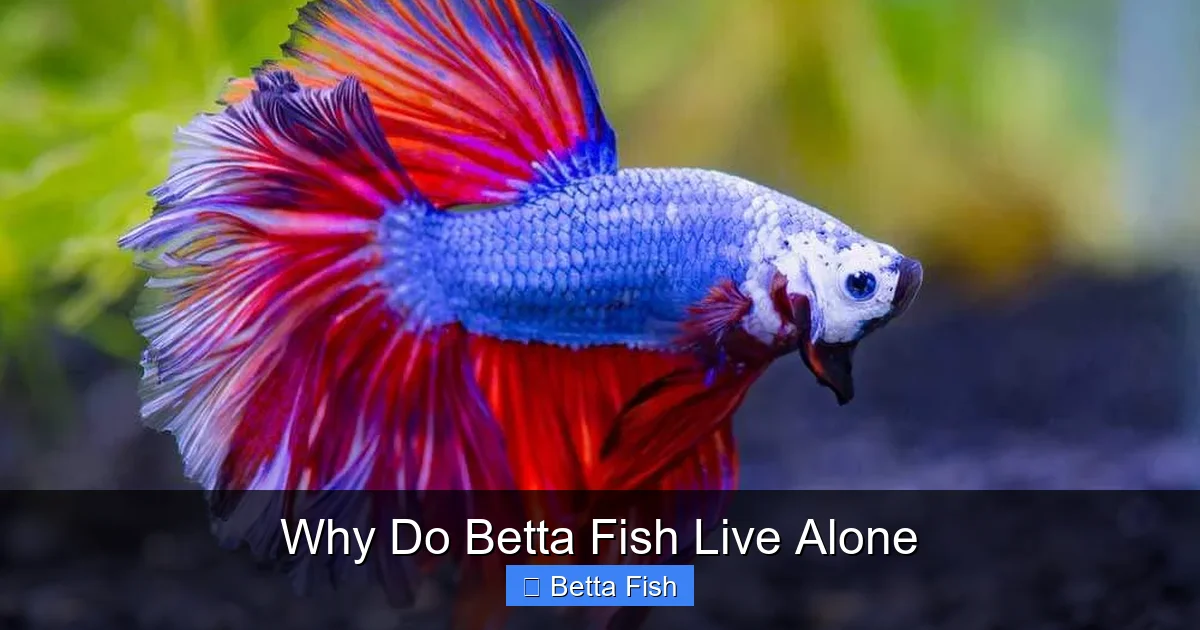
This territorial instinct is why you’ll often see a male betta flare its gills, spread its fins, and display bright colors when another male approaches. The flare is a warning, not a friendly greeting. In the wild, such displays keep rivals at a distance and protect valuable resources like food and breeding sites.
1.2 Breeding Strategies and Bubble Nests
Male bettas are famous for building bubble nests on the water’s surface. The nest holds eggs and provides oxygen‑rich bubbles that keep the fry safe. Building and guarding a nest demands the male’s full attention and a peaceful environment. Any perceived competition can cause the male to abandon the nest or become aggressive.
For a deeper dive into the nest‑building habit, read our article on why do betta fish make bubble nests. Understanding this behavior clarifies why a solitary tank is often the safest choice.
2. The Science of Aggression: Why Betta Fights Occur
2.1 Hormonal Triggers
Betta fish produce high levels of testosterone, especially males. This hormone fuels their confidence and aggression. When two males share a space, the hormone spikes, leading to flaring, chasing, and sometimes fatal injuries.
Visual guide about Why Do Betta Fish Live Alone
Image source: lovefishtank.com
2.2 Visual and Chemical Cues
Betta eyes are adapted to notice movement and color patterns. A newcomer’s bright fins are immediately recognized as a threat. Additionally, bettas release pheromones that signal “I’m here.” In a confined tank, these cues become overwhelming, prompting fights.
2.3 Real‑World Examples
Many hobbyists have tried to keep two males together in a 5‑gallon tank. Within minutes, the fish begin to flare, and the tank ends up with torn fins and stressed fish. Even females can become aggressive if the tank is too small or lacks hiding places.
2.4 When Can Betta Co‑habitate?
Although the default answer to “why do betta fish live alone” is “they shouldn’t be kept together,” there are rare exceptions. A large, well‑planted tank (20+ gallons) with plenty of visual barriers can sometimes house a male betta with peaceful, non‑fin‑nipping species. However, this requires careful monitoring and is not recommended for beginners.
For more on the limits of betta cohabitation, see our guide on why can t betta fish live together. It explains the conditions that might make a community tank possible, and why most experts still advise solitary housing.
3. Health Benefits of Solitude
3.1 Reduced Stress Levels
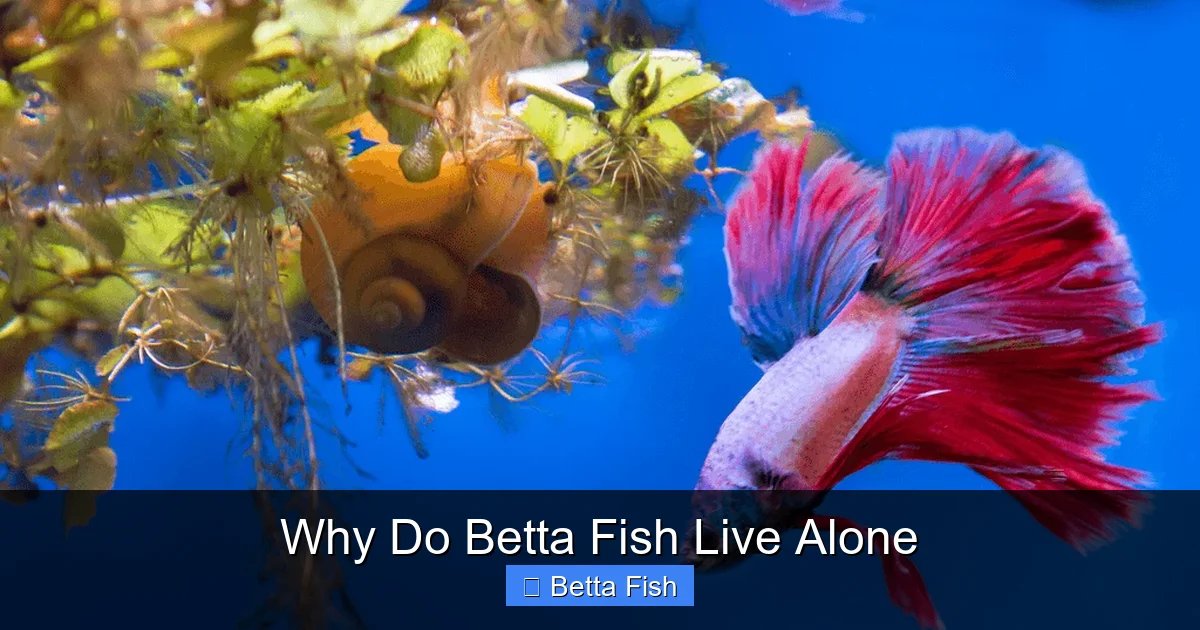
Stress in fish shows up as faded colors, loss of appetite, and weakened immune systems. A lone betta can relax, display its full color palette, and eat regularly. Studies show that solitary bettas have lower cortisol (stress hormone) levels than those kept with aggressive tank mates.
Visual guide about Why Do Betta Fish Live Alone
Image source: petsalpha.com
3.2 Longer Lifespan
The average lifespan of a well‑cared betta is 3–5 years. When kept with other fish, injuries and disease can cut that short. By giving your betta a peaceful, solo environment, you maximize its chances of reaching a full, healthy life.
3.3 Better Growth and Color Development
Betta fry need stable conditions to develop their stunning colors. Constant fighting or hiding can stunt growth and dull hues. A single betta can focus its energy on growth, resulting in brighter fins and a more robust body.
4. Designing the Perfect Solo Tank
4.1 Tank Size and Shape
While bettas can survive in small containers, a minimum of 5 gallons is recommended for a happy adult. Larger tanks provide more water stability, better filtration, and room for decorations that mimic natural habitats.
4.2 Water Parameters
- Temperature: 76–82°F (24–28°C) – use a reliable heater.
- pH: 6.5–7.5 – gentle alkalinity suits most bettas.
- Hardness: 3–4 dGH – soft to moderately hard water.
Consistent water quality reduces stress and supports the immune system. Test weekly and perform 25% water changes every two weeks.
4.3 Decorations and Hiding Places
Live plants, silk leaves, and driftwood create visual barriers and give your betta places to rest. Avoid sharp plastic ornaments that can tear delicate fins. For plant recommendations, check out where to buy live plants for betta fish.
4.4 Filtration and Aeration
Betta fish have a labyrinth organ that lets them breathe air from the surface, so they can tolerate low‑oxygen water. However, a gentle filter keeps the water clean without creating a strong current that can stress the fish. A sponge filter is an excellent low‑flow option.
4.5 Lighting and Day/Night Cycle
Provide 8–10 hours of subdued light daily. Too much brightness can cause the betta to become overly active or stressed. A simple LED timer helps maintain a consistent cycle.
5. Common Misconceptions About Betta Solitude
5.1 “Betta fish need to be kept in a bowl.”
Many people still believe bettas belong in tiny bowls. While they can survive there, they often suffer from poor water quality and stunted growth. A proper tank offers space, stable parameters, and enrichment.
Learn more about the pitfalls of bowl living in why can betta fish live in a bowl.
5.2 “Female bettas are always peaceful.”
Female bettas can be just as territorial as males, especially in cramped spaces. A group of females (a sorority) can work, but it requires a large, heavily planted tank and careful monitoring.
5.3 “Betta fish will become lonely without companions.”
Fish do not experience loneliness like mammals. A solitary betta will be content if its environment meets its needs for space, stimulation, and security.
6. Practical Tips for New Betta Owners
6.1 Choosing the Right Betta
- Observe temperament: Look for a fish that flares calmly rather than aggressively during selection.
- Check health: Clear eyes, intact fins, and active swimming are good signs.
6.2 Setting Up the Tank
- Rinse substrate and decorations with dechlorinated water.
- Install heater and filter, then fill with conditioned water.
- Let the tank run for 24 hours to stabilize temperature.
- Acclimate your betta slowly using the drip method.
6.3 Feeding and Nutrition
Offer high‑quality betta pellets or frozen foods twice daily. Avoid overfeeding; a pea‑size amount per feeding is enough.
6.4 Monitoring Behavior
Watch for signs of stress: faded colors, clamped fins, or excessive hiding. Early detection lets you adjust parameters before problems worsen.
6.5 When to Consider a Tank Mate
If you’re determined to try a community setup, choose peaceful species like small rasboras, ember tetras, or snails. Ensure the tank is at least 20 gallons and heavily planted. Even then, keep a close eye on interactions.
Conclusion: Embracing the Solo Nature of Betta Fish
Answering the question “why do betta fish live alone” brings us back to evolution, aggression, and the need for a stress‑free environment. By respecting their natural instincts and providing a well‑designed solo tank, you give your betta the best chance to flourish, show off its brilliant colors, and live a long, healthy life. Remember, a solitary betta is not lonely—it’s simply being true to its wild heritage.
Frequently Asked Questions
Why do betta fish need to be alone?
Betta fish are highly territorial and aggressive toward other bettas. Keeping them alone prevents fights, reduces stress, and promotes better health.
Can a male betta share a tank with other fish?
Only in a large (20+ gallon), heavily planted tank with peaceful, non‑fin‑nipping species. Even then, close monitoring is essential.
What signs show my betta is stressed?
Faded colors, clamped fins, loss of appetite, and constant flaring indicate stress. Adjust water parameters or tank layout if you see these signs.
How often should I change the water in a solo betta tank?
Perform a 25% water change every two weeks, or more often if you notice cloudy water or a spike in ammonia.
Do female bettas fight as much as males?
Females can be territorial too, especially in small spaces. They may flare and chase, so they also benefit from a solitary setup.
Is it ever okay to keep two bettas together?
Only in a specially designed divided tank that prevents visual contact, or in a very large, heavily planted community tank with compatible species. For most hobbyists, a single betta is the safest choice.

