How to Send a Betta Fish
Sending a betta fish requires careful planning, the right materials, and attention to temperature and water quality. Whether you are moving your fish to a new home or shipping it to a buyer, following the correct steps keeps your betta safe and stress-free. This guide covers everything from preparation and packaging to choosing a shipping service and post-delivery care.
Sending a betta fish might sound simple, but it requires real care and attention. Whether you are moving across the country or selling a betta online, the way you ship the fish directly affects its health and survival. A betta fish is a living creature, and it deserves safe handling throughout the entire journey.
How to send a betta fish the right way comes down to three main areas: preparation, packaging, and delivery. Each step plays a big role in keeping your fish safe. When done correctly, your betta can arrive at its destination healthy and ready to thrive in its new environment.
Many people underestimate how sensitive betta fish are to changes in their environment. Temperature swings, poor water quality, and rough handling can all cause serious harm. This guide walks you through every step so you can ship your betta with confidence and peace of mind.
## Why You Might Need to Send a Betta Fish
There are many reasons someone might need to send a betta fish from one place to another. Understanding your specific situation helps you plan the best approach.
### Moving to a New Home
Relocating is one of the most common reasons people need to transport their betta fish. If you are moving across town or to another state, your betta needs to travel with you or be shipped separately. In these cases, planning ahead saves time and reduces stress for both you and your fish.
### Selling or Gifting a Betta Fish
Online fish sellers and hobbyists often need to ship bettas to buyers or friends. When you sell a betta online, the shipping process becomes part of your responsibility. A safe delivery builds trust and ensures the buyer receives a healthy fish. Gifting a betta to someone in another city follows the same careful process.
### Temporary Relocation
Sometimes a betta needs to move temporarily. Maybe you are going on vacation and a friend will care for your fish. Or perhaps you need to bring your betta to a vet or a fish show. Whatever the reason, knowing how to handle the journey properly makes all the difference.
## How to Prepare Your Betta Fish for Shipping
Preparation is the most important step in the entire shipping process. Taking the time to get things right before the fish goes into the box greatly improves its chances of arriving safely.
### Fast Your Betta Before Shipping
Stop feeding your betta 24 to 48 hours before shipping. This reduces the amount of waste in the shipping bag, which keeps the water cleaner for longer. A well-fasted betta also produces less ammonia during transit, which is safer for the fish.
Do not skip this step. A full stomach causes a betta to produce more waste and breathe more heavily, both of which are risky during shipping. Most healthy bettas can go two days without food without any problems.
### Check the Water Quality
Use clean, dechlorinated water for the shipping bag. How to prepare water for a betta fish is a related topic that applies here. The water should be free of chlorine, chloramine, and heavy metals. Use a water conditioner to treat tap water before placing it in the shipping bag.
Fill the bag with about 50% water from the betta’s current tank and 50% fresh, treated water. This gives the fish a familiar scent while also providing clean water for the journey.
### Choose the Right Time of Day
Ship your betta early in the morning when temperatures are more stable. Avoid shipping on Fridays if the package will sit over a weekend. The less time the fish spends in transit, the better. Express and overnight services are always the best choice for live fish.
## The Best Packaging Methods for Shipping a Betta Fish
How you package the betta is just as important as how you prepare it. The right packaging keeps the fish safe from physical harm and temperature extremes.
### Use the Double-Bag Method
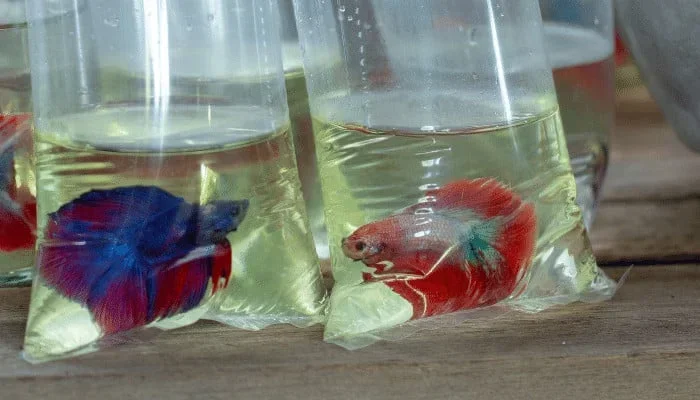
The double-bag method is the gold standard for shipping bettas. Place the betta and its water in a clear, sturdy plastic bag. Twist the top and secure it with a rubber band. Then place that bag inside a second bag and seal it the same way. This double layer prevents leaks and adds a safety buffer.
### Add Insulation and Padding
Wrap the double-bagged fish in a layer of bubble wrap or foam padding. This insulates the bag and protects it from bumps and jostling during transit. Place the wrapped bag inside a sturdy cardboard box that is just large enough to hold it snugly.
Avoid using a box that is too big. Extra space allows the bag to move around, which increases the risk of damage. A snug fit keeps everything stable during the ride.
### Include a Heat or Cold Pack If Needed
Temperature control is critical when you transport a betta fish long distance. In cold weather, add a heat pack wrapped in a cloth to the outside of the bag. In hot weather, use a cold pack. Never let the pack touch the bag directly, as extreme temperatures can harm the fish.
Check the weather forecast for both the pickup and delivery locations. Extreme temperatures in either direction require extra precautions.
## Choosing the Right Shipping Service
Not all shipping services are created equal when it comes to live animals. Picking the right carrier and service level makes a big difference.
### Overnight and Express Options
Always choose the fastest shipping option available. Overnight delivery is ideal for shipping live fish. The less time the betta spends in the box, the lower the stress and risk. Two-day shipping is acceptable only if the weather is mild and the package moves quickly.
### USPS, UPS, and FedEx Options
USPS Priority Mail Express is a popular choice for shipping live fish. It offers overnight delivery to most locations. UPS and FedEx also provide express services that work well for this purpose. Check each carrier’s policies on live animal shipping before you book.
Some carriers have specific rules about live animals. Make sure your packaging meets their requirements. Using a how to transport a betta fish long distance approach ensures you follow best practices for any carrier.
### Label the Package Clearly
Add a “Live Animal” label to the outside of the box. Mark the bag with arrows to indicate the correct upright position. Write “Fragile” on the package as well. These small steps help handlers treat your package with the care it deserves.
## What to Do When the Betta Fish Arrives
The arrival is a critical moment. How you handle the betta after it reaches its destination affects how well it recovers from the journey.
### Inspect the Fish Immediately
Open the box as soon as the package arrives. Check the betta for any signs of stress, injury, or illness. Look for clamped fins, lethargy, or unusual coloring. If the fish appears healthy, you are on the right track.
If you notice any problems, act quickly. A how to treat a stressed betta fish guide can help you address common issues like rapid gilling or loss of color.
### Acclimate the Betta Slowly
Floating the sealed bag in the new tank for 15 to 30 minutes helps the betta adjust to the new water temperature. After that, slowly add small amounts of the tank water to the bag over 10 to 15 minutes. This gradual process prevents shock from sudden water parameter changes.
### Transfer the Fish Gently
Use a net to transfer the betta into its new tank. Do not pour the shipping water into the main tank, as it may contain waste or contaminants. Discard the shipping water safely and let the betta explore its new home.
Setting up the new tank before the fish arrives is always a smart move. If you need guidance on this step, check out resources on how to set up a fish tank for betta fish to make sure everything is ready.
## Common Mistakes to Avoid When Sending a Betta Fish
Even well-meaning shippers can make mistakes that put the fish at risk. Knowing what to avoid saves you from heartbreak.
### Shipping During Extreme Weather
Never ship a betta during heat waves or freezing temperatures. Extreme heat or cold can be fatal within hours. If you must ship during a risky season, use extra insulation and temperature packs, and choose the fastest service available.
### Overfeeding Before Shipping
Feeding the betta right before shipping leads to more waste and poorer water quality in the bag. Always fast the fish for at least 24 hours before the planned shipment date.
### Using the Wrong Bag Size
A bag that is too small limits the oxygen supply. A bag that is too large gives the fish too much room to thrash around. Use a bag that is proportional to the fish’s size, giving it enough room to move gently without excess space.
### Skipping the Acclimation Step
Dropping a betta directly into a new tank without acclimation causes shock. Always take the time to float the bag and mix the waters slowly. Patience at this stage pays off in a healthy, happy fish.
## Expert Tips for Safe Betta Fish Shipping
Experienced fish keepers and breeders follow a few extra tips that improve shipping success rates significantly.
### Use Tank Water, Not Fresh Water
Filling the shipping bag primarily with water from the betta’s current tank helps reduce stress. The fish is already adapted to that water’s parameters. Fresh water can cause a sudden shift in pH and temperature.
### Add a Pinch of Aquarium Salt
A small amount of aquarium salt in the shipping water can help reduce stress and protect the betta’s slime coat. Use only pure aquarium salt and follow dosing guidelines carefully.
### Keep the Bag Dark
Cover the shipping bag with a cloth or place the box in a dark area. Darkness helps calm betta fish and reduces their activity level during transit. A calmer fish uses less oxygen and produces less waste.
### Document Everything
Take photos of the betta before shipping and note the water parameters. This documentation helps if any issues arise during transit. It also provides proof of the fish’s health at the time of shipment, which is helpful for both sellers and buyers.
## Key Takeaways
Key Takeaways
- Proper preparation is essential: Fast your betta for 24-48 hours before shipping to reduce waste and stress.
- Packaging matters a lot: Use a double-bagged method with insulated padding and temperature control packs.
- Choose the right shipping service: Overnight or express shipping minimizes travel time and improves survival rates.
- Acclimate slowly after arrival: Let the fish adjust to new water conditions gradually over 15-30 minutes.
- Avoid common mistakes: Never ship during extreme weather and always use clean, dechlorinated water.
Key Takeaways
- Fast your betta 24-48 hours before shipping to reduce waste and keep the water clean during transit.
- Use the double-bag method with sturdy bags and secure rubber bands to prevent leaks.
- Wrap the bag in insulation and padding to protect against temperature changes and physical impacts.
- Choose overnight or express shipping to minimize the time the fish spends in transit.
- Acclimate the betta slowly when it arrives by floating the bag and gradually mixing in new tank water.
- Never ship in extreme weather and always check forecasts for both pickup and delivery locations.
- Avoid common mistakes like overfeeding, using the wrong bag size, and skipping the acclimation step.
## Frequently Asked Questions
Can I ship a betta fish through the mail?
Yes, you can ship a betta fish through the mail using USPS, UPS, or FedEx. Use the double-bag method, add insulation and padding, and choose overnight or express shipping. Always label the package clearly as a live animal and follow the carrier’s guidelines for shipping live fish.
How long can a betta fish survive in a shipping bag?
A betta fish can typically survive 12 to 24 hours in a properly packed shipping bag. The double-bag method and clean water help extend this window. However, faster shipping is always better. Overnight delivery is the safest option for minimizing stress and keeping the fish healthy.
Do I need to use a heat pack when shipping a betta fish?
It depends on the weather. In cold temperatures below 60°F, a heat pack helps maintain a safe temperature inside the box. In warm weather above 80°F, a cold pack serves the same purpose. In mild conditions between 60°F and 80°F, you may not need either. Always check the forecast for both locations before shipping.
Should I feed my betta right before shipping it?
No, you should stop feeding your betta 24 to 48 hours before shipping. A full stomach increases waste production and ammonia levels in the bag, which harms the fish. Most healthy bettas can easily go two days without food. Fasting keeps the water cleaner and the fish less stressed during transit.
What is the best way to acclimate a betta fish after shipping?
The best method is to float the sealed bag in the new tank for 15 to 30 minutes. Then slowly add small amounts of tank water to the bag over 10 to 15 minutes. This lets the betta adjust to the new temperature and water parameters gradually. Finally, use a net to transfer the fish into the tank and discard the shipping water.
Can I ship a betta fish in a regular plastic bag?
A regular plastic bag works in a pinch, but it is not ideal. Use a clear, sturdy, and leak-proof bag specifically designed for shipping live fish. These bags are thicker and more durable, which reduces the risk of punctures and leaks. Always double-bag the fish for an extra layer of protection.
## Conclusion
How to send a betta fish safely comes down to careful preparation, smart packaging, and choosing the right shipping method. Each step in the process plays a vital role in protecting your fish from stress and harm. When you follow the guidelines in this article, you give your betta the best possible chance of arriving healthy and happy.
Take the time to plan ahead. Fast your betta, use clean water, double-bag the fish, and add proper insulation. Choose a fast shipping service and never ship in extreme weather. When the fish arrives, acclimate it slowly and monitor its behavior closely.
Shipping a betta fish might feel intimidating at first, but it becomes much easier with practice. The key is to treat the process with the same care you would want for your own pet. Your betta will thank you with a smooth transition and a healthy life in its new home.
Frequently Asked Questions
What is how to send a betta fish?
how to send a betta fish is an important topic with many practical applications.