Why Do Betta Fish Live in Small Tanks
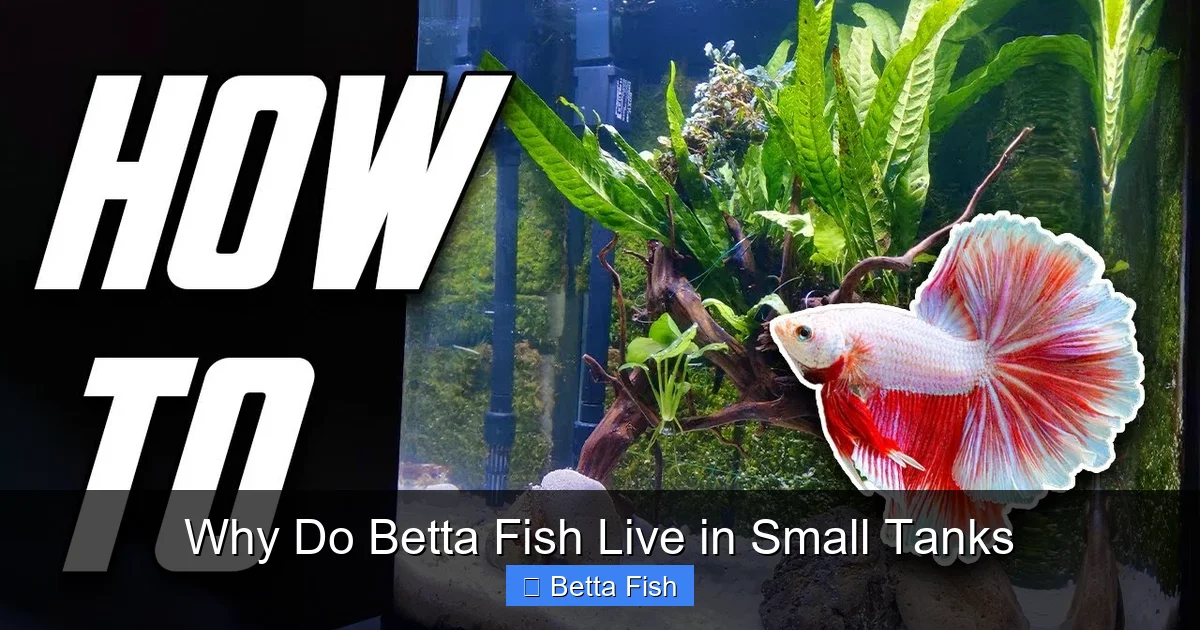
Betta fish often appear in tiny bowls, but the reasons go beyond “just because they’re small.” Understanding their natural habits, water needs, and temperament reveals why many keepers think a modest tank is enough—yet a larger, well‑filtered setup is actually best for a thriving betta.
Key Takeaways
- Natural habitat matters: Wild bettas live in shallow, slow‑moving waters, which influences our perception of tank size.
- Misconceptions abound: The “small tank” myth stems from outdated pet‑store practices and marketing.
- Health is linked to space: Larger tanks provide better water stability, oxygen, and room for natural behaviors.
- Temperature control is crucial: Small containers lose heat fast, so a heater is often needed even in a “bowl.”
- Enrichment improves life span: Adding plants, hides, and space for bubble‑nest building reduces stress.
- Regulations differ worldwide: Some countries now require a minimum of 5 gallons for bettas.
- Proper care beats size myths: Good filtration, regular water changes, and a balanced diet are more important than the container’s dimensions.
📑 Table of Contents
Introduction: The Small‑Tank Mystery
When you walk into a pet store, the first thing you often see is a bright, flowing betta flaring its fins in a tiny plastic bowl or a 2‑gallon tank. It’s a picture that sticks in our minds, leading many hobbyists to ask, “why do betta fish live in small tanks?” The short answer is that they can survive in small volumes of water, but the long answer is far more nuanced.
Betta fish (Betta splendens) are native to the shallow rice paddies, floodplains, and slow‑moving streams of Southeast Asia. Those habitats are warm, low‑oxygen, and often crowded with vegetation. Because of this, bettas have evolved a remarkable ability to gulp air from the surface using a specialized organ called the labyrinth. That adaptation makes them appear “hardy” in tiny containers, but it also masks the real problems that arise when we keep them in undersized tanks.
This article unpacks the biology, the history of the “small tank” myth, and the practical steps you can take to give your betta the best possible home—whether you have a 2‑gallon bowl or a 10‑gallon aquarium.
1. The Natural World of Betta Fish
1.1 Habitat Basics
In the wild, bettas inhabit shallow (5‑15 cm) water bodies that are rich in plant life and littered with fallen leaves. These waters warm quickly under the sun, often reaching 28‑30 °C (82‑86 °F). The temperature is fairly stable because the water is shallow and exposed to direct sunlight.
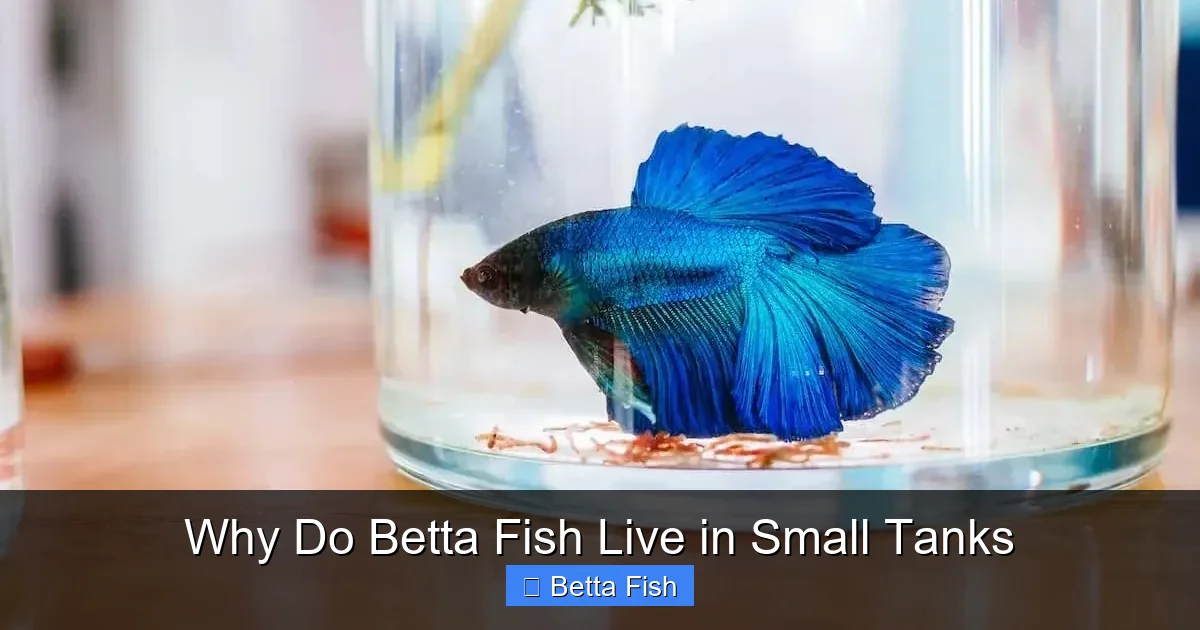
Visual guide about Why Do Betta Fish Live in Small Tanks
Image source: fishlab.com
1.2 Why the Labyrinth Matters
The labyrinth organ lets bettas breathe atmospheric oxygen. This is why they can survive in low‑oxygen water, a trait that pet stores have exploited to sell them in small, un‑filtered bowls. However, relying on air breathing does not eliminate the need for clean, stable water. Poor water quality still leads to ammonia spikes, stress, and disease.
1.3 Social Behavior
Male bettas are famously territorial and will flare at their reflection. In the wild, they defend a small “home range” that includes a bubble nest. The size of that range is limited not by the fish’s desire for space but by the availability of suitable nesting sites and food.
2. Historical Roots of the Small‑Tank Myth
2.1 Early Pet Trade Practices
During the 1970s and 80s, bettas were sold as “instant pets.” They arrived in tiny plastic cups with a single decorative leaf. The marketing slogan “Betta‑friendly: no tank needed!” reinforced the idea that a small container was sufficient.
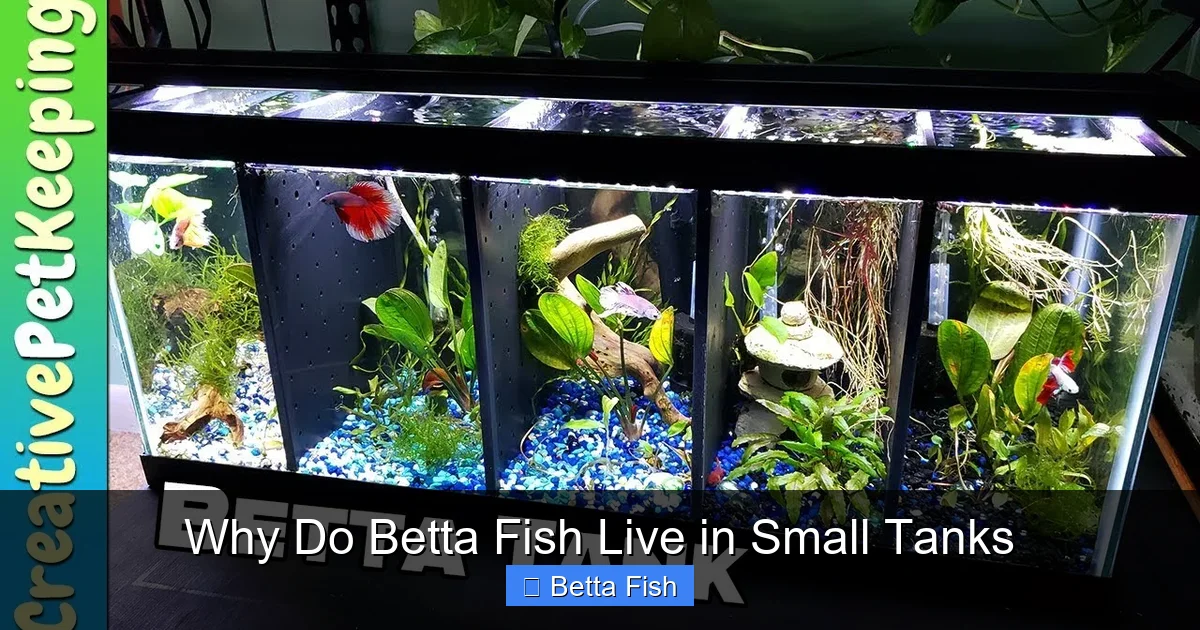
Visual guide about Why Do Betta Fish Live in Small Tanks
Image source: i.ytimg.com
2.2 Legal Requirements and Changes
Some countries have updated regulations to require a minimum tank size (often 5 gallons) for bettas, recognizing the welfare issues linked to tiny bowls. This shift shows that the industry is moving away from the outdated belief that “they can live anywhere.”
2.3 Common Misconceptions
Many hobbyists still think that because a betta can gulp air, it doesn’t need filtration or a larger water volume. This is a dangerous oversimplification. While the labyrinth organ helps them survive short‑term oxygen dips, it does not protect them from toxic ammonia or rapid temperature swings.
3. The Science of Tank Size and Water Quality
3.1 Water Volume and Stability
In a 2‑gallon bowl, a single drop of waste can dramatically alter the water chemistry. Larger tanks dilute waste, making it easier to maintain safe ammonia, nitrite, and nitrate levels. A 5‑gallon tank provides a buffer that reduces the frequency of water changes.
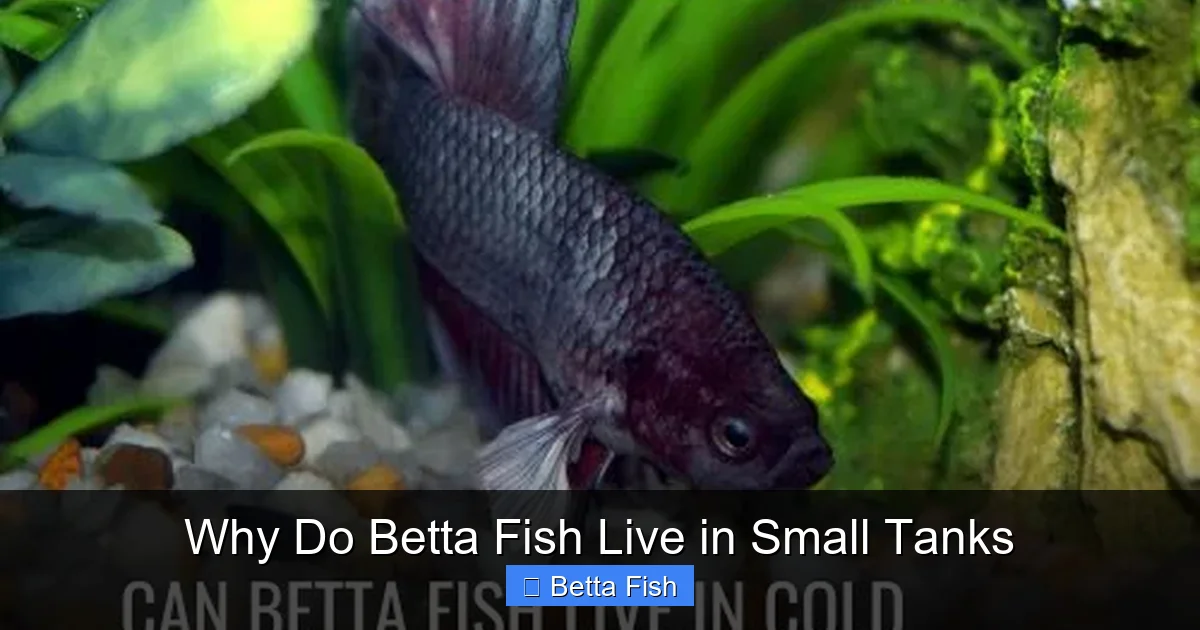
Visual guide about Why Do Betta Fish Live in Small Tanks
Image source: fishkeepingsecrets.com
3.2 Temperature Control
Small containers lose heat quickly, especially in air‑conditioned rooms. Even a few degrees drop can stress a betta, whose ideal range is 78‑80 °F (25‑27 °C). Using a reliable heater in a larger tank stabilizes temperature and prevents “cold shock.” For more on heating, see our guide on
Frequently Asked Questions
What is why do betta fish live in small tanks?
why do betta fish live in small tanks is an important topic with many practical applications.