Why Do Betta Fish Gills Flared
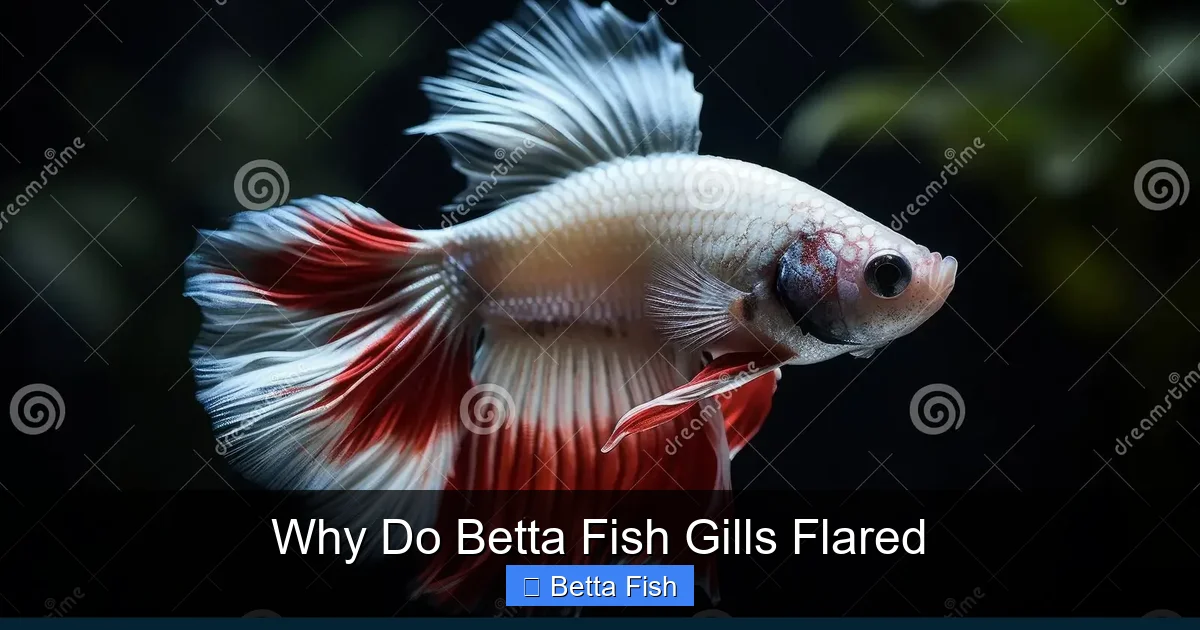
Betta gill flaring is a natural communication tool, but it can also signal stress, illness, or environmental issues. Understanding the reasons behind gill flaring helps you act quickly, ensuring a happy, thriving betta.
Key Takeaways
- Normal communication: Gills flare when bettas display territory, excitement, or courtship.
- Stress indicator: Poor water quality, temperature swings, or aggressive tank mates cause frequent flaring.
- Health warning: Persistent flaring may signal disease, parasites, or gill damage.
- Environmental fixes: Proper filtration, stable temperature, and hiding spots reduce unnecessary flaring.
- Observation matters: Watching the pattern, duration, and accompanying behavior tells you what’s really happening.
- Quick actions: Water tests, tank cleaning, and diet adjustments are simple steps to calm a flaring betta.
- Know when to seek help: If flaring is paired with labored breathing or loss of color, consult a vet or experienced hobbyist.
📑 Table of Contents
- Introduction: The Mystery Behind Flared Gills
- 1. Natural Communication: The Betta’s Built‑In Signal System
- 2. Stress Triggers: When the Flare Becomes a Warning Sign
- 3. Health Issues: When Flared Gills Signal Illness
- 4. How to Diagnose the Cause Quickly
- 5. Preventive Measures: Keeping Gills Calm and Healthy
- 6. When to Seek Professional Help
- Conclusion: Listen to Your Betta’s Gills
Introduction: The Mystery Behind Flared Gills
If you’ve ever watched a betta fish puff out its gill covers like a tiny, colorful fan, you’ve probably wondered, why do betta fish gills flared? The answer isn’t as simple as “they’re cute.” Gills are the fish’s breathing organ, and when they flare, something is trying to tell you a story.
In this friendly guide we’ll walk through the most common reasons your betta’s gills might be flared, how to spot the difference between normal communication and distress, and what you can do right now to help. Think of it as a chat over coffee with a fellow betta lover—simple language, clear examples, and plenty of practical tips.
1. Natural Communication: The Betta’s Built‑In Signal System
Territory and Dominance
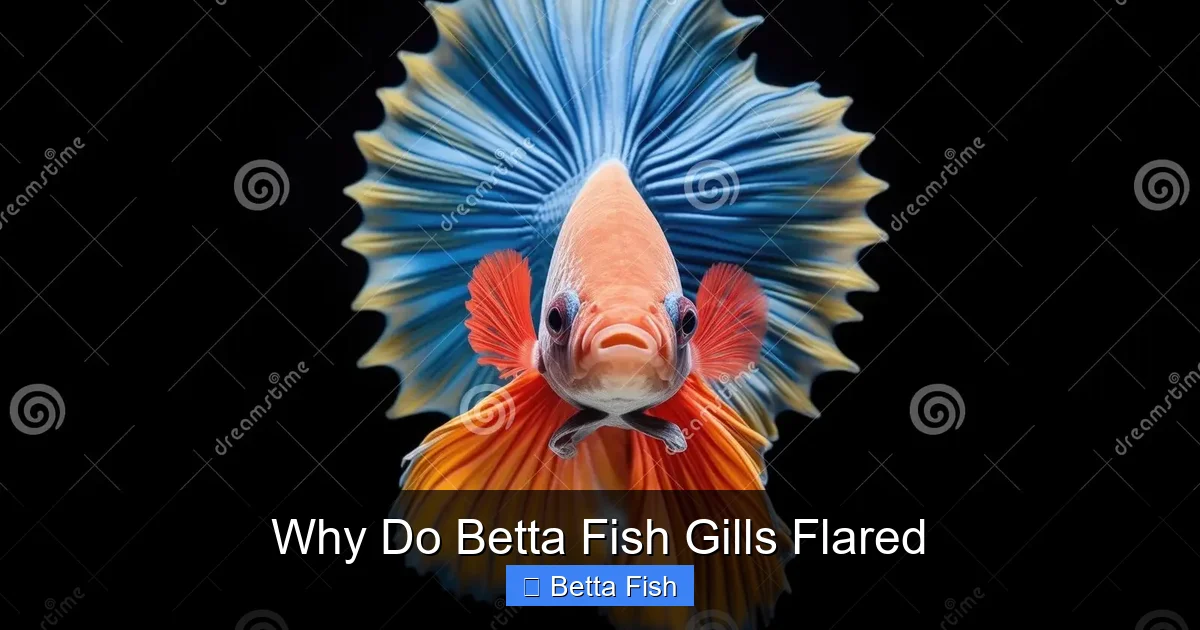
Betta fish are solitary by nature. In the wild they guard tiny patches of water, and in the aquarium they guard the space you give them. When a new fish swims by the glass, or even when a reflection catches their eye, they often flare their gills to say, “This is my spot.” This is the same behavior you’ll see in the article Why Do Betta Fish Flare.
Visual guide about Why Do Betta Fish Gills Flared
Image source: thumbs.dreamstime.com
Courtship and Excitement
During breeding season a male betta will flare his gills while building a bubble nest. The flaring helps display his bright colors to a potential female. If you notice flaring paired with vigorous swimming near the water surface, it’s usually a good sign of breeding readiness.
Feeding Anticipation
Some owners report that their bettas flare just before a feeding time. The fish senses the vibrations of your hand or the scent of food and gets excited. A brief flare followed by quick, eager eating is normal.
2. Stress Triggers: When the Flare Becomes a Warning Sign
Poor Water Quality
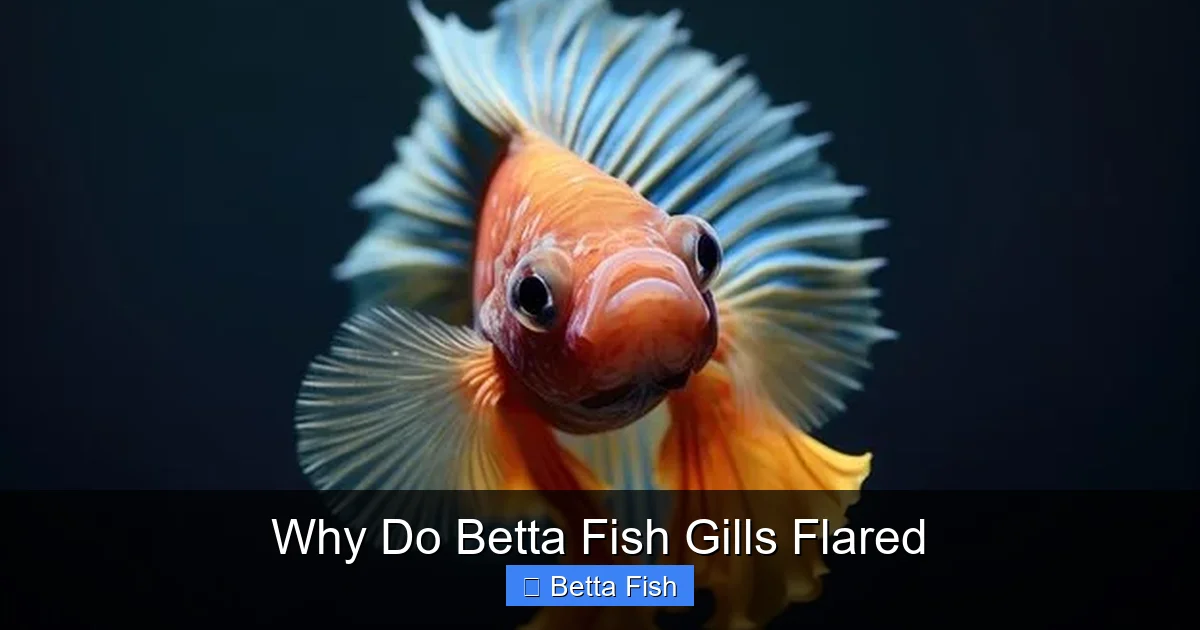
Betta gills are extremely sensitive to ammonia, nitrite, and high nitrate levels. A cloudy tank or a sudden change in water parameters can cause the fish to gulp more water, which appears as flaring. Test the water with a reliable kit and aim for ammonia 0 ppm, nitrite 0 ppm, nitrate below 20 ppm.
Visual guide about Why Do Betta Fish Gills Flared
Image source: img.freepik.com
Temperature Swings
Betta fish thrive in water that stays between 76°F and 82°F (24°C‑28°C). If the temperature drops below 75°F, the fish may flare to increase oxygen intake. Use a submersible heater and a reliable thermometer to keep the temperature steady.
Incompatible Tank Mates
Even though bettas are often called “fighting fish,” they can coexist with peaceful species if the tank is large enough and plenty of hiding spots are provided. If a new fish is harassing your betta, you’ll see frequent, prolonged gill flaring. Learn more about compatible companions in Why Can Betta Fish Live Together.
Stress from Over‑Decoration
Too many ornaments can restrict swimming space, making the betta feel cramped. When a betta can’t swim freely, it may flare its gills as a sign of frustration. Aim for open swimming area equal to at least twice the length of the fish.
3. Health Issues: When Flared Gills Signal Illness
Gill Parasites and Infections
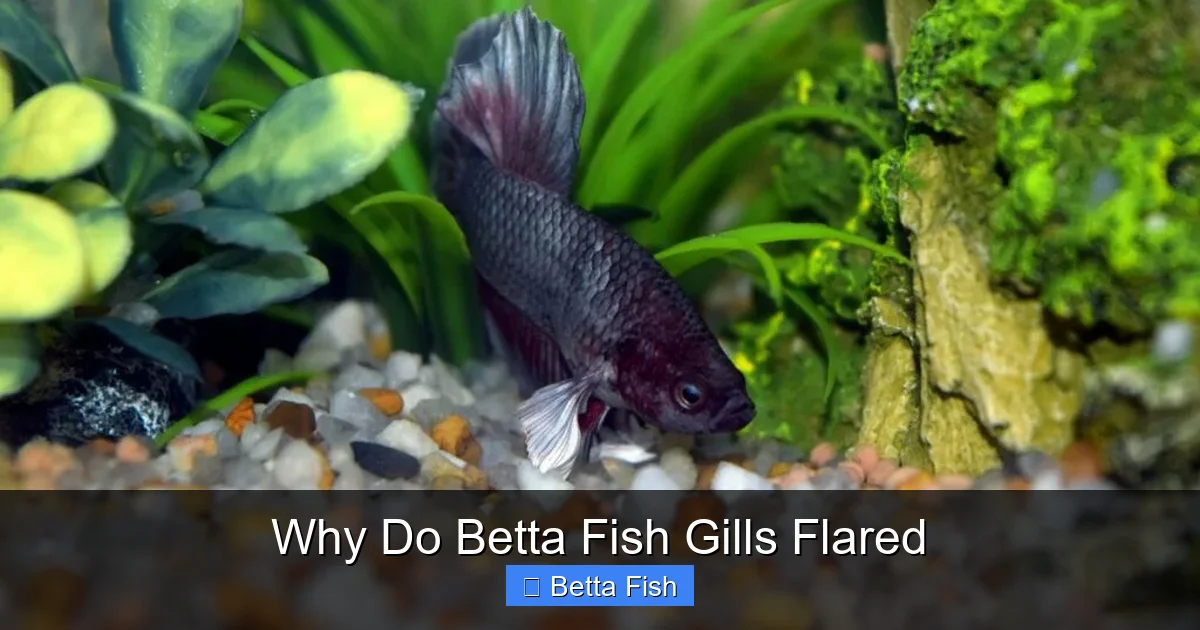
White spots, cotton‑like growth, or a slimy coating on the gills are red flags. Parasites such as Ichthyophthirius multifiliis (Ich) or bacterial infections cause the fish to over‑ventilate, producing a constant flare. If you see your betta gasping at the surface, treat promptly with a suitable medication.
Visual guide about Why Do Betta Fish Gills Flared
Image source: housedpet.com
Fin and Gill Rot
Rotting tissue releases toxins that irritate the gills. Look for ragged or discolored edges on the fins and a foul smell in the water. Early treatment with a broad‑spectrum antibacterial can save the fish.
Swim Bladder Disorders
When a betta struggles to maintain buoyancy, it may flare its gills to push more water over the respiratory surface. This is often linked to over‑feeding or constipation. Adjust feeding amounts and consider a fasting day, as described in How Do You Feed A Betta Fish.
Waterborne Toxins
Heavy metals from tap water, chlorine, or chloramine can irritate gill tissue. Always use a water conditioner that neutralizes these chemicals before adding water to the tank.
4. How to Diagnose the Cause Quickly
Step‑by‑Step Observation Checklist
- Duration: A quick flare (1‑2 seconds) is usually normal. Longer flares lasting more than 10 seconds merit attention.
- Accompanying behavior: Is the fish swimming erratically, hiding, or gasping at the surface?
- Water test: Check ammonia, nitrite, nitrate, and pH.
- Temperature check: Verify with a calibrated thermometer.
- Physical exam: Look for spots, discoloration, or frayed fins.
Practical Example
Imagine you notice your betta flaring for a minute each morning. You test the water and find ammonia at 0.5 ppm—a small spike after a water change. You perform a partial water change (25%) with conditioned water, re‑test, and the ammonia drops to 0 ppm. The flaring stops. In this case, the cause was water quality, not disease.
5. Preventive Measures: Keeping Gills Calm and Healthy
Maintain Optimal Water Conditions
Use a gentle filter rated for the tank size, change 20‑30% of water weekly, and keep a regular testing schedule. A stable environment reduces the need for the fish to flare.
Provide Proper Hiding Spots
Live plants, driftwood, and silk caves give your betta places to retreat. When a fish feels safe, it flares less often.
Control Lighting and Noise
Bright, flickering lights or loud vibrations can startle a betta. Use a dimmable LED and place the tank away from speakers or high‑traffic areas.
Feed a Balanced Diet
High‑quality betta pellets, occasional frozen or live foods, and feeding only what the fish can eat in 2‑3 minutes prevent over‑feeding and constipation.
6. When to Seek Professional Help
Persistent or Severe Symptoms
If flaring continues for hours, is paired with labored breathing, loss of color, or the fish is not eating, it’s time to consult a veterinarian who specializes in fish or an experienced aquarium store.
Isolation and Treatment
Quarantine the affected betta in a separate hospital tank with clean water and a gentle filter. Treat with the appropriate medication based on the diagnosed issue.
Conclusion: Listen to Your Betta’s Gills
Understanding why do betta fish gills flared is a blend of recognizing natural communication and spotting warning signs. By keeping the water clean, the temperature stable, and providing a stress‑free environment, you’ll see fewer alarming flares and more vibrant displays of color and personality. Remember, short flares are often just your betta saying “hello.” Long, frequent flares are a call for help. With the tips above, you’ll be ready to answer that call and keep your finned friend thriving for years to come.
Frequently Asked Questions
Why does my betta fish flare its gills when I approach the tank?
Approaching can be seen as a potential threat. The betta flares to warn you and establish its territory, a normal behavior.
Can temperature changes cause gill flaring?
Yes. Sudden drops or spikes in water temperature make the fish work harder to breathe, leading to flaring. Keep the tank between 76°F‑82°F.
What water parameters should I check if my betta is constantly flaring?
Test for ammonia, nitrite, nitrate, and pH. Ideal values are ammonia 0 ppm, nitrite 0 ppm, nitrate < 20 ppm, and pH 6.5‑7.5.
Is frequent gill flaring a sign of disease?
It can be. If flaring is accompanied by spots, discoloration, or labored breathing, it may indicate parasites, bacterial infection, or gill rot.
How can I reduce stress‑induced flaring?
Provide hiding spots, maintain stable water conditions, avoid aggressive tank mates, and keep lighting moderate.
When should I take my betta to a vet?
If flaring persists for more than a few hours, the fish stops eating, or shows signs of respiratory distress, seek professional help immediately.