Why Is My Betta Fish Freaking Out
Betta fish can act frantic for many reasons—poor water, temperature shock, or hidden health issues. This guide explains the signs, pinpoints the causes, and gives simple, step‑by‑step actions to soothe a stressed betta and keep it thriving.
Key Takeaways
- Water quality matters: Bad ammonia, wrong pH, or dirty water are top stressors.
- Temperature is critical: Betta fish need stable 76‑82°F; sudden swings cause panic.
- Tank setup influences behavior: Too small, too many decorations, or aggressive tank mates can trigger frantic swimming.
- Health issues mimic stress: Parasites, fin rot, or swim‑bladder problems often look like “freaking out.”
- Quick fixes work fast: A water change, temperature adjustment, and a calm environment can calm most bettas within minutes.
- Prevention is better than cure: Regular testing, proper feeding, and enrichment keep stress at bay.
- Know when to seek help: Persistent frantic behavior may signal serious disease; consult a vet or experienced hobbyist.
📑 Table of Contents
- Introduction: When Your Betta Looks Like It’s in a Panic
- 1. Water Quality – The Hidden Stressor
- 2. Temperature Shock – The Silent Panic Trigger
- 3. Tank Size and Setup – Space Matters
- 4. Health Issues That Mimic Stress
- 5. Feeding and Nutrition – When Hunger Triggers Panic
- 6. Environmental Stressors Beyond the Tank
- Practical Quick‑Fix Checklist
- Conclusion: Keeping Your Betta Calm for Life
Introduction: When Your Betta Looks Like It’s in a Panic
Picture this: you glance at your 2‑inch betta and see it darting, flaring its fins, and swimming erratically. Your first thought is, “Why is my betta fish freaking out?” It’s a common worry for both new and seasoned hobbyists. Betta fish are naturally bold, but they also have a low tolerance for stress. A sudden change in their environment can turn a calm swimmer into a frantic flier in seconds.
In this article we’ll break down the most common triggers, how to spot the subtle warning signs, and what you can do right now to bring peace back to the tank. By the end, you’ll feel confident that you can diagnose the problem, act quickly, and prevent future meltdowns.
1. Water Quality – The Hidden Stressor
Why bad water makes bettas panic
Betta fish breathe through a specialized organ called the labyrinth. Poor water quality can irritate their gills, making it hard to get oxygen. When they can’t breathe properly they splash, gasp, and appear to “freak out.” High ammonia, nitrite spikes, or a pH that’s too low or too high are the usual culprits.
Visual guide about Why Is My Betta Fish Freaking Out
Image source: easydrawingsteps.com
Testing and fixing water parameters
- Test weekly. Use a liquid test kit to check ammonia, nitrite, nitrate, and pH.
- Ammonia should be 0 ppm. If you see any, perform a 25‑30 % water change immediately.
- Maintain pH between 6.5‑7.5. Use a pH buffer if needed.
- Temperature. Keep it steady at 76‑82 °F (24‑28 °C) with an aquarium heater.
Regular water changes (20‑30 % every week) keep the environment clean and prevent the buildup of harmful toxins.
2. Temperature Shock – The Silent Panic Trigger
How temperature swings cause frantic swimming
Betta fish are tropical; a sudden drop or rise of even a few degrees can cause rapid, erratic swimming. They may dart to the surface, hover near the heater, or float upside‑down.

Visual guide about Why Is My Betta Fish Freaking Out
Image source: life100.blog
Maintaining a stable temperature
Invest in a reliable submersible heater with an adjustable thermostat. Pair it with a thermometer to monitor the water daily. If you notice a fluctuation, adjust the heater slowly—never more than 2 °F at a time.
During power outages, use a battery‑backed heater or move the tank to a warm room to avoid a cold shock.
3. Tank Size and Setup – Space Matters
Why cramped spaces stress bettas
Although bettas are often sold in tiny bowls, they thrive best in at least a 5‑gallon tank. A small volume means waste builds up faster and water temperature changes quickly, both of which can make a betta freak out.

Visual guide about Why Is My Betta Fish Freaking Out
Image source: bestlifeonline.com
Ideal tank setup
- Size: Minimum 5 gallons, preferably 10 gallons for added stability.
- Plants: Live or silk plants give hiding spots and reduce stress.
- Decoration: Smooth rocks and driftwood are fine, but avoid sharp edges that can damage fins.
- Filtration: A gentle filter (sponge or low‑flow) keeps water clear without creating a strong current that bettas dislike.
For more ideas on tank setup, see our guide on why is my betta fish hiding—the same principles that reduce hiding also calm frantic swimming.
4. Health Issues That Mimic Stress
Common illnesses that cause frantic behavior
Sometimes a betta’s “freak out” is actually a symptom of disease. Look for these signs:
- Fin rot: Frayed, ragged fins; fish may dart to avoid contact.
- Swim bladder disorder: Fish floats sideways or upside down, often swimming erratically.
- Parasites: White spots, scratching against objects, and sudden bursts of speed.
- Internal infections: Loss of appetite, bloating, and frantic swimming near the surface.
If you notice any of these alongside frantic swimming, treat the underlying condition promptly. A good reference is our article on is my betta fish dying, which outlines steps for diagnosing serious health problems.
5. Feeding and Nutrition – When Hunger Triggers Panic
Overfeeding vs. underfeeding
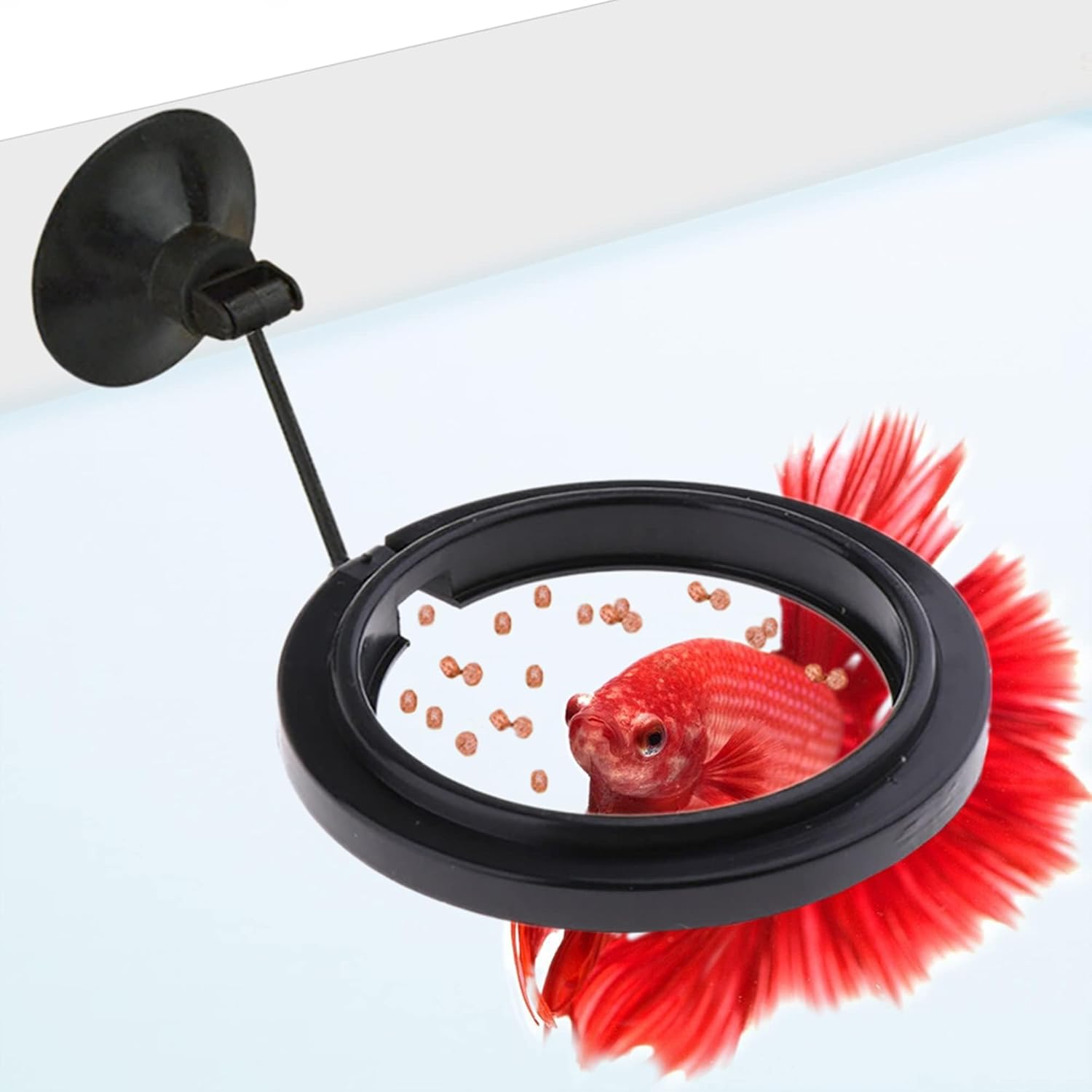
Both extremes can stress a betta. Overfeeding leads to cloudy water and ammonia spikes, while underfeeding makes the fish frantic as it searches for food.
- Feed 2‑3 small pellets once or twice a day.
- Remove uneaten food after 5 minutes to keep water clean.
- Offer occasional treats like daphnia or bloodworms for enrichment.
If your betta suddenly stops eating, check water quality first—poor conditions are often the hidden cause. See also why is my betta fish not eating for deeper insight.
6. Environmental Stressors Beyond the Tank
Noise, light, and vibrations
Betta fish are sensitive to loud noises, bright flashing lights, and constant vibrations (e.g., from a nearby speaker). These can cause a betta to panic and swim frantically.
How to create a calm environment
- Place the tank on a stable surface away from windows and heavy foot traffic.
- Use a dimmable LED light with a 10‑hour on/off cycle.
- Cover the back of the tank with a dark backdrop to reduce visual stress.
Practical Quick‑Fix Checklist
If you catch your betta in the act of freaking out, follow this short list:
- Check temperature. Adjust heater if needed.
- Test water. Perform a 25 % water change if ammonia or nitrite is present.
- Observe behavior. Look for signs of disease (fin rot, white spots).
- Reduce stressors. Dim lights, turn off loud devices, and give the fish a quiet corner.
- Feed a small amount. Offer a high‑quality pellet to see if appetite returns.
Usually, within 30‑60 minutes the betta will settle down if the root cause was water or temperature related.
Conclusion: Keeping Your Betta Calm for Life
Understanding why is my betta fish freaking out is the first step toward a happy, healthy pet. By monitoring water quality, maintaining a stable temperature, providing adequate space, and watching for health issues, you create a stress‑free environment that lets your betta show off its brilliant colors and graceful fins. Remember, a calm betta is a sign of good husbandry, and a little preventive care goes a long way.
Take action today—test the water, check the heater, and give your finned friend the space it deserves. Your betta will thank you with vibrant displays and peaceful swimming for years to come.
Frequently Asked Questions
Why is my betta fish freaking out after a water change?
Sudden changes in temperature or chemistry can shock a betta. Make sure the new water matches the tank’s temperature and is dechlorinated.
Can lighting cause my betta to panic?
Yes. Bright, flickering lights can stress bettas. Use a gentle LED and keep a consistent day/night cycle.
My betta is darting and flaring its fins. Is this a sign of aggression?
Flaring is often a stress response, not aggression toward other fish (especially if it’s alone). Check water parameters and tank setup.
How often should I change the water to prevent stress?
Change 20‑30 % of the water weekly. If you notice spikes in ammonia or nitrite, increase the frequency to 2‑3 times a week.
What should I do if my betta continues to act frantic after fixing water and temperature?
Look for signs of disease such as fin rot or swim‑bladder issues. If symptoms persist, isolate the fish in a hospital tank and treat accordingly.
Is it normal for a betta to jump out of the tank when stressed?
Yes, stressed bettas may try to escape. Ensure the tank has a lid, keep the water temperature stable, and reduce any sudden disturbances.