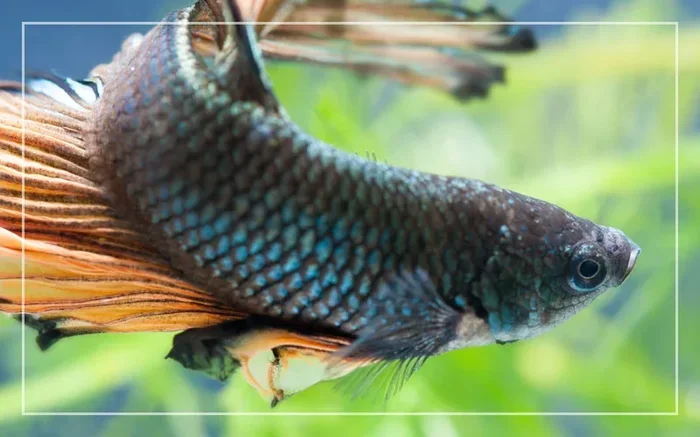
Why Do Betta Fish Float to the Top

Betta fish often rise to the water’s surface for natural and health‑related reasons. Understanding the causes—from oxygen needs to stress—helps you act quickly and create a safer tank environment.
Key Takeaways
- Surface swimming is normal: Betta fish naturally explore the top for air and territory.
- Low oxygen levels trigger floating: Poor water quality or insufficient surface agitation forces them upward.
- Illness signs: Floating combined with lethargy, clamped fins, or discoloration may signal disease.
- Tank setup matters: Proper filtration, heating, and décor reduce stress‑induced floating.
- Quick fixes: Adjust water parameters, add a gentle air stone, and monitor behavior daily.
- Know when to act: Persistent floating warrants a water test and possible veterinary care.
- Prevention is key: Regular maintenance and a balanced diet keep bettas comfortable at any water level.
📑 Table of Contents
- Introduction: The Mystery of the Floating Betta
- 1. Natural Instincts: Why Betta Fish Like the Surface
- 2. Environmental Triggers That Push Betta Fish Upward
- 3. Health‑Related Reasons for Surface Floating
- 4. How to Diagnose the Cause Quickly
- 5. Practical Tips to Keep Your Betta Comfortable
- 6. Frequently Overlooked Factors
- Conclusion: Keep an Eye on the Surface
Introduction: The Mystery of the Floating Betta
If you’ve ever watched your betta glide up to the water’s surface and wondered “why do betta fish float to the top?”, you’re not alone. Many hobbyists notice this behavior, especially after a new tank setup or a change in routine. While it can be perfectly natural, it can also be a red flag that something in the environment needs attention.
In this guide we’ll break down the most common reasons bettas rise, how to tell a healthy surface swim from a warning sign, and practical steps you can take right now. By the end, you’ll feel confident that you’re giving your finned companion the best possible home.
1. Natural Instincts: Why Betta Fish Like the Surface
1.1. Access to Atmospheric Oxygen
Betta fish are labyrinth fish, meaning they possess a special organ that lets them breathe air directly from the surface. In the wild, they often hover near the top to gulp oxygen‑rich air, especially in stagnant, low‑oxygen ponds.

Visual guide about Why Do Betta Fish Float to the Top
Image source: iqss.eu
1.2. Territorial Patrol
Male bettas are fiercely territorial. Swimming up lets them keep an eye on the tank’s “sky” and display their fins to any perceived intruder. This is why you’ll also see them flare when a reflection catches their attention.
1.3. Comfort and Curiosity
Sometimes a betta simply enjoys the view. A clean, well‑lit surface can be a calming place to rest, especially after a feeding.
2. Environmental Triggers That Push Betta Fish Upward
2.1. Low Dissolved Oxygen (DO)
If the water lacks enough dissolved oxygen, a betta will instinctively rise to gulp air. Common causes include:
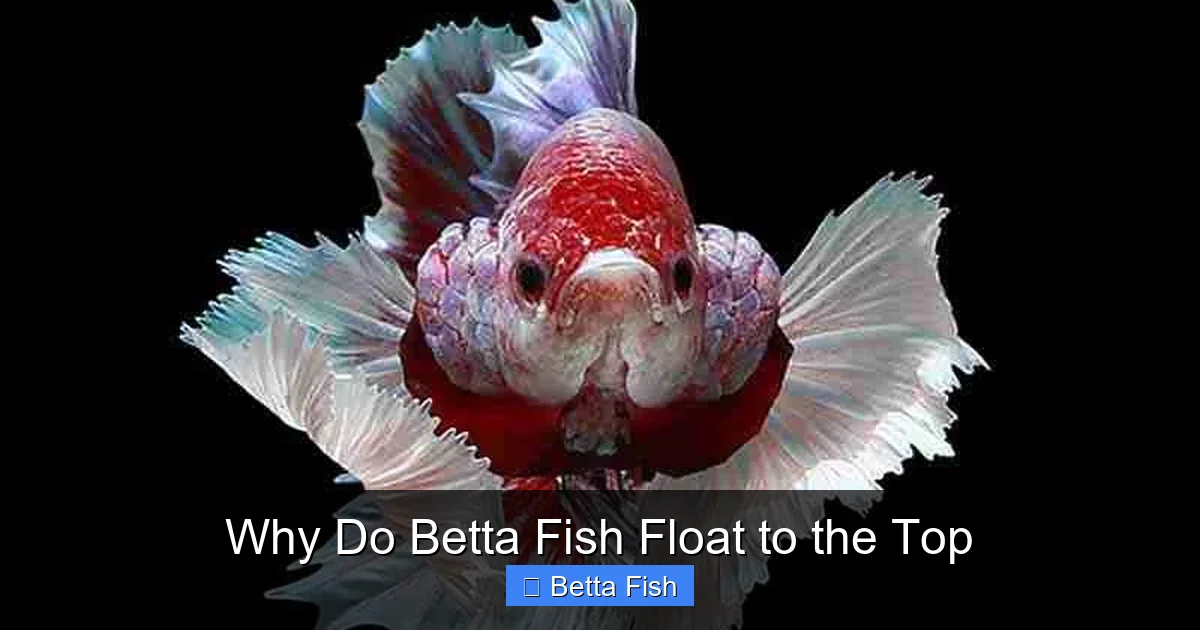
Visual guide about Why Do Betta Fish Float to the Top
Image source: fishkeepingacademy.com
- Over‑crowded tanks (even a single betta can suffer if the water volume is too small).
- Insufficient surface agitation – no filter flow or air stone.
- Warm water holding less oxygen than cooler water.
Testing your tank with a simple DO kit can confirm if this is the issue.
2.2. Poor Water Quality
High ammonia or nitrite levels make fish feel stressed and may cause them to stay near the surface where water exchange is greatest. Regular water changes and a functioning biofilter are essential.
2.3. Temperature Fluctuations
Betta fish thrive at 76‑82°F (24‑28°C). If the water gets too warm, oxygen solubility drops, prompting the fish to seek air at the top.
2.4. Inadequate Tank Size
Even though bettas are often sold in tiny bowls, they need at least 2.5‑5 gallons to swim comfortably. A cramped space reduces water movement and can force the fish upward.
3. Health‑Related Reasons for Surface Floating
3.1. Disease and Stress
When a betta is ill, it may float more often. Look for accompanying signs such as:

Visual guide about Why Do Betta Fish Float to the Top
Image source: fishkeepingacademy.com
- Clamped or ragged fins.
- Loss of color or white patches.
- Rapid breathing or gasping.
These symptoms often point to dropsy, bacterial infections, or internal parasites.
3.2. Swim Bladder Issues
The swim bladder controls buoyancy. If it’s damaged or infected, the fish may have trouble staying at a desired depth, causing it to drift upward.
3.3. Parasites and Internal Illness
Protozoan parasites can irritate the gut and affect buoyancy. A fish that constantly floats and shows loss of appetite likely needs a vet check.
4. How to Diagnose the Cause Quickly
4.1. Observe Behavior Patterns
Note when the floating occurs. Is it after feeding, after a water change, or constantly? Timing helps narrow the cause.
4.2. Test Water Parameters
Use a reliable test kit to check ammonia, nitrite, nitrate, pH, and temperature. Ideal ranges for bettas are:
- Ammonia: 0 ppm
- Nitrite: 0 ppm
- Nitrate: <10 ppm (ideal) up to 20 ppm
- pH: 6.5‑7.5
- Temperature: 76‑82°F (24‑28°C)
4.3. Check Filtration and Aeration
Make sure the filter is running and that there is gentle surface movement. An air stone or a small powerhead can make a big difference.
5. Practical Tips to Keep Your Betta Comfortable
5.1. Improve Oxygenation
Add a low‑flow air stone or adjust the filter output to create a gentle ripple. This raises dissolved oxygen without stressing the fish.
5.2. Maintain Consistent Water Changes
Replace 25‑30% of the water weekly with conditioned, temperature‑matched water. This dilutes toxins and keeps parameters stable.
5.3. Optimize Tank Setup
Use a tank of at least 2.5 gallons, include live plants or silk decorations, and provide hiding spots. Plants naturally oxygenate water and create a more natural environment.
5.4. Monitor Feeding
Overfeeding leads to waste buildup, which reduces oxygen. Feed small amounts 2‑3 times daily and remove uneaten food after a few minutes.
5.5. Recognize When to Seek Help
If floating persists despite clean water, proper temperature, and good aeration, consider a vet visit. Early treatment improves survival odds.
6. Frequently Overlooked Factors
6.1. Light and Shadows
Bright light from above can make bettas seek shade at the surface. Use a dimmable LED or provide floating plants for cover.
6.2. Reflections and Mirrors
Mirrored surfaces can trigger a betta to flare and float as it “defends” its territory. Position the tank away from windows or cover reflective areas.
6.3. Seasonal Changes
In colder months, room temperature may drop, affecting tank temperature. A reliable heater with a thermostat prevents sudden drops that cause surface floating.
Conclusion: Keep an Eye on the Surface
Understanding why do betta fish float to the top empowers you to create a healthier habitat. While occasional surface swimming is natural, persistent floating often signals low oxygen, water quality issues, or health problems. By testing water, improving aeration, and providing a spacious, well‑decorated tank, you’ll reduce stress and keep your betta thriving.
Remember, a happy betta is a healthy betta. Keep a close eye on its behavior, act quickly when something seems off, and enjoy the vibrant colors and graceful swims of one of the most popular aquarium fish.
Frequently Asked Questions
Why does my betta fish always stay at the top of the tank?
Betta fish are naturally drawn to the surface for air and territory. If they stay at the top constantly, check oxygen levels, temperature, and water quality.
Can low oxygen cause my betta to float?
Yes. Low dissolved oxygen forces a betta to rise and gulp air. Adding an air stone or increasing surface agitation usually solves the problem.
Is floating a sign of illness?
Floating combined with other symptoms like clamped fins, color loss, or rapid breathing can indicate disease or swim‑bladder issues.
How often should I change the water to prevent floating?
Changing 25‑30% of the water weekly helps keep ammonia and nitrite low, which supports healthy buoyancy behavior.
Do betta fish need a heater to stay at the right depth?
A stable temperature of 76‑82°F maintains proper oxygen solubility. Sudden drops can make a betta seek the warmer surface.
Where can I learn more about betta behavior at the tank’s surface?
Read our article on why betta fish stay at top of tank for deeper insights.