Betta fish floating on their side is usually a warning sign, not a quirky trick. It can point to water problems, disease, or stress. Identify the cause quickly and act to restore your betta’s buoyancy and wellbeing.
Key Takeaways
- Floaters aren’t normal: A betta swimming sideways signals trouble and needs immediate attention.
- Water quality is king: Poor parameters (ammonia, nitrite, low oxygen) are the top culprits.
- Health issues matter: Swim bladder disease, infections, and parasites can all cause side‑floating.
- Tank setup helps: Proper temperature, gentle flow, and hiding spots reduce stress.
- Quick fixes work: Fasting, a diet boost, and a water change often turn the tide fast.
- Watch for other signs: Loss of appetite, faded colors, or abnormal swimming reinforce the diagnosis.
- Preventive care pays: Regular testing, clean water, and a balanced diet keep floaters at bay.
📑 Table of Contents
Introduction: When Your Betta Lies on Its Side
Imagine coming home to find your bright, feisty betta lying flat on its side, barely moving. It’s a sight that can make any fish keeper’s heart skip a beat. While a betta might occasionally pause near the surface to gulp air, a persistent sideways float is rarely a harmless quirk. In most cases, it’s a red flag that something in the fish’s environment or health has gone awry.
In this guide we’ll explore the question “why do betta fish float on their side?” We’ll break down the most common reasons, show you how to diagnose the problem, and give you step‑by‑step remedies that any beginner can follow. By the end, you’ll feel confident spotting the early warning signs and keeping your betta swimming upright and vibrant.
1. Understanding Betta Buoyancy Basics
How a Betta Stays Upright
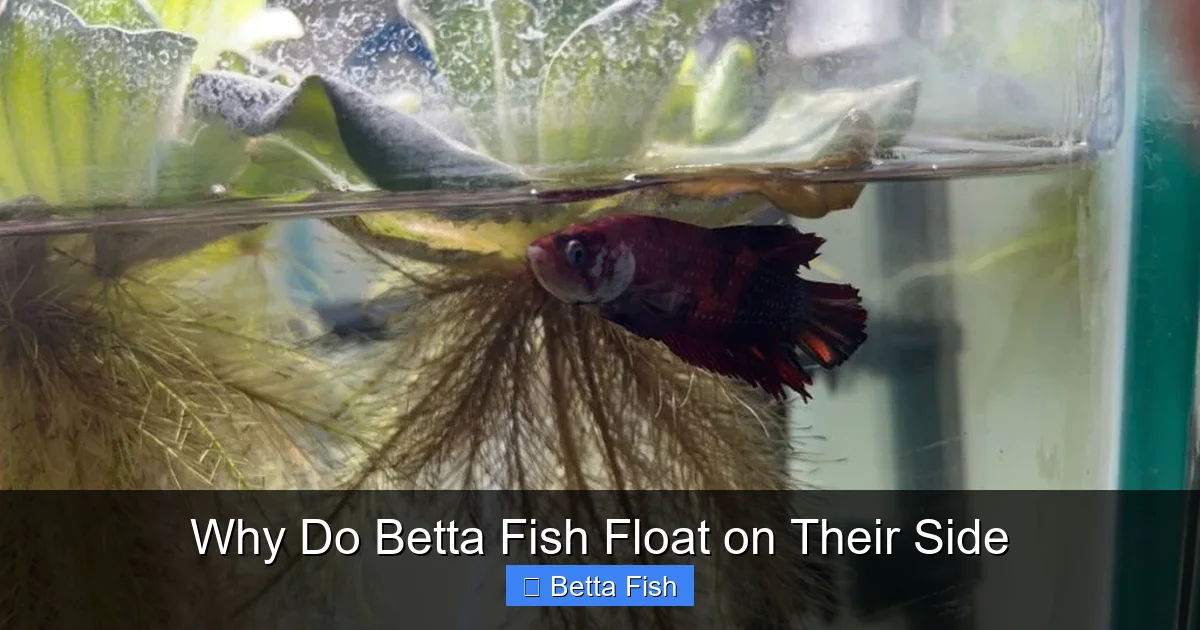
Betta fish, like all teleosts, rely on a small organ called the swim bladder to control buoyancy. The bladder fills with gas, allowing the fish to rise, and releases gas to sink. Healthy bettas can fine‑tune this system effortlessly, which is why they often appear to hover effortlessly near the water’s surface.
Visual guide about Why Do Betta Fish Float on Their Side
Image source: housedpet.com
What Happens When the System Fails
If the swim bladder is damaged, infected, or the water lacks enough dissolved oxygen, the fish can lose control and tilt. A common symptom of this loss of control is the sideways float we’re investigating.
2. Primary Causes of Side‑Floating
2.1 Poor Water Quality
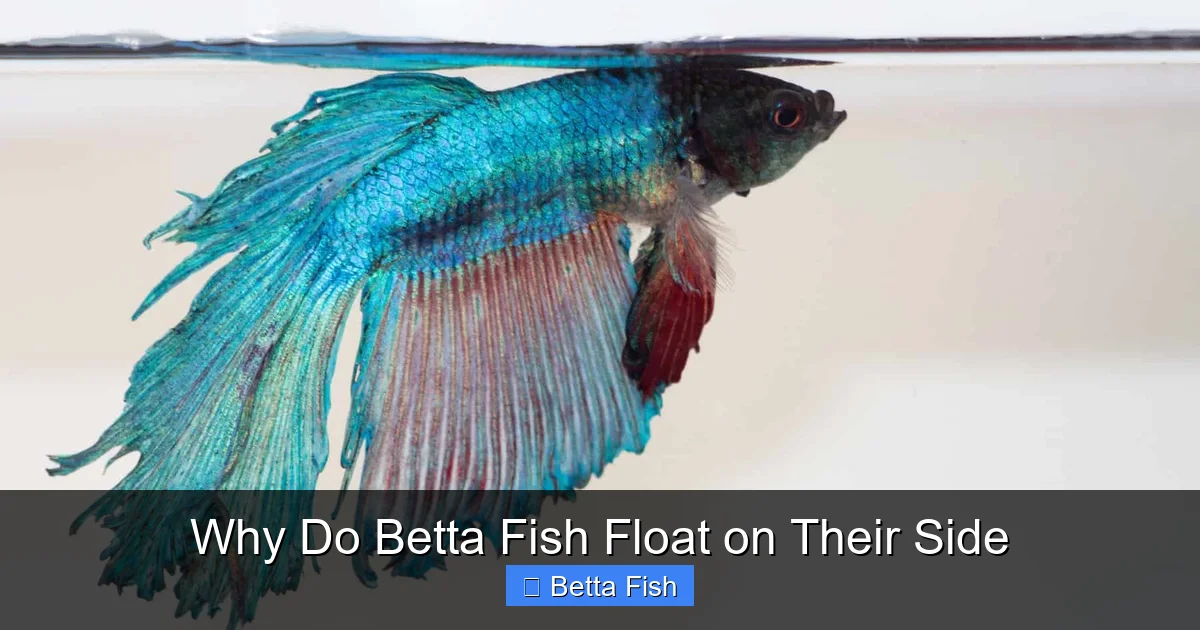
Bad water is the single biggest reason bettas float on their side. High ammonia, nitrite, or low pH can irritate the gut and damage the swim bladder. Low oxygen levels also force the fish to gulp air at the surface, often ending in a sideways position.
Visual guide about Why Do Betta Fish Float on Their Side
Image source: bettasource.com
- Ammonia spikes: Even 0.25 ppm can make a betta gasping.
- Low temperature: Below 75 °F (24 °C) slows metabolism and reduces oxygen solubility.
- Inadequate filtration: Stagnant water builds waste quickly.
Regular testing with a liquid test kit and a weekly 25‑30 % water change usually prevent these problems.
2.2 Swim Bladder Disease (SBD)
SBD is a catch‑all term for any condition that impairs the bladder’s function. It can be caused by constipation, infection, or trauma. Overfeeding dry pellets that expand in the gut is a frequent trigger.
Signs of SBD include:
- Floating on the side or upside down
- Struggling to reach the surface
- Loss of appetite
2.3 Internal Parasites and Bacterial Infections
Parasites such as Costia or bacterial infections can inflame the gut, pushing on the swim bladder. Infected fish often show a fuzzy white spot, ragged fins, or a cloudy belly.
2.4 Physical Injury or Trauma
A sudden bump against a tank ornament or a rough handling episode can bruise the bladder. Even a minor injury can cause the fish to lose balance for days.
2.5 Stress and Environmental Factors
Betas are sensitive to bright lights, strong currents, and aggressive tank mates. Stress hormones can affect digestion and, indirectly, buoyancy. If you notice your betta staying at the top (Why Betta Fish Always On Top) before it flips, stress may be the hidden cause.
3. Diagnosing the Problem
Step‑by‑Step Checklist
- Test water parameters: ammonia, nitrite, nitrate, pH, temperature.
- Observe behavior: Is the fish gulping air? Is it flashing or showing pale fins?
- Check diet: Too many dry pellets? Any recent change?
- Inspect the tank: Sharp décor, strong flow, or overcrowding?
- Look for physical signs: Swollen belly, white spots, torn fins.
Cross‑refer your observations with the common causes above. If water quality is the issue, a water change is your first line of defense. If you see signs of infection, a targeted treatment may be needed.

Visual guide about Why Do Betta Fish Float on Their Side
Image source: bettafish.org
4. Immediate Remedies to Turn the Tide
4.1 Water Change and Parameter Reset
Perform a 30 % water change using water that matches the tank’s temperature and pH. Add a water conditioner to neutralize chlorine and chloramines. This simple step often restores buoyancy within 24‑48 hours.
4.2 Fasting and Light Feeding
Fast the betta for 24‑48 hours to allow the gut to empty. After the fast, offer a small amount of high‑protein live or frozen food (brine shrimp, daphnia). The easy‑to‑digest meal can relieve constipation that’s pressing on the swim bladder.
4.3 Epsom Salt Bath
Dissolve 1 teaspoon of Epsom salt in a separate quarantine container with 1 gallon of water at the same temperature as the main tank. Let the betta soak for 15‑20 minutes. The magnesium helps reduce swelling in the gut and bladder.
4.4 Medication When Needed
If parasites or bacteria are suspected, treat with a broad‑spectrum medication such as API Melafix or a parasite‑specific product. Follow the label instructions carefully and continue a regular water change schedule.
4.5 Adjust Tank Setup
- Reduce water flow: Use a gentle sponge filter or turn down the powerhead.
- Add floating plants or a soft surface: Provides a place for the betta to rest without straining.
- Maintain temperature: Keep the tank at 78‑80 °F (25‑27 °C) using a reliable heater (Do Betta Fish Need Heaters In Their Tanks).
5. Long‑Term Prevention Strategies
5.1 Consistent Water Testing
Test weekly for the first month after any change, then bi‑weekly. Keep ammonia and nitrite at 0 ppm, nitrates below 20 ppm, and pH between 6.5‑7.5.
5.2 Balanced Diet
Feed a varied diet: 2‑3 pellets once daily plus occasional live/frozen treats. Avoid over‑feeding; a pea (shelled and cooked) once a week can help with digestion.
5.3 Tank Enrichment
Provide plenty of hiding spots with smooth rocks, live plants, or silk leaves. A calm environment reduces stress and the likelihood of floating incidents.
5.4 Regular Health Checks
Spend a few minutes each day watching for subtle changes—color fading, fin tearing, or altered swimming patterns. Early detection is the best cure.
Conclusion: Keep Your Betta Upright and Happy
Seeing your betta float on its side is unsettling, but it’s also a clear call to action. By understanding the root causes—water quality, swim bladder disease, infection, or stress—you can intervene quickly and often reverse the problem. A clean tank, a balanced diet, and a stress‑free environment are the three pillars that keep your betta swimming proudly.
Remember, the question “why do betta fish float on their side” isn’t just academic; it’s a practical guide to better fish care. Use the checklist, apply the remedies, and you’ll likely see your betta right itself within a day or two. And if the problem persists, don’t hesitate to consult a veterinarian who specializes in fish health.
Frequently Asked Questions
Why is my betta floating on its side but not dying?
Side‑floating often signals a temporary issue like poor water quality or mild constipation. Quick fixes such as a water change and fasting usually resolve it.
Can low temperature cause my betta to float on its side?
Yes. Water below 75 °F reduces oxygen levels and slows metabolism, making it harder for the swim bladder to function properly.
Is swim bladder disease the same as a parasite infection?
Not exactly. Swim bladder disease describes any condition affecting buoyancy, while parasites are one possible cause that can lead to SBD.
How long should I wait after a water change before my betta gets better?
Most bettas improve within 24‑48 hours if water quality was the main issue. If symptoms persist beyond three days, investigate other causes.
Should I use a heater to stop my betta from floating?
A stable temperature helps maintain proper metabolism and oxygen levels. A reliable heater (Do Betta Fish Need Heaters In Their Tanks) is recommended for all betta tanks.
Can adding plants prevent my betta from floating on its side?
Live or silk plants improve water quality and provide calm hiding spots, reducing stress—a common trigger for buoyancy problems.

