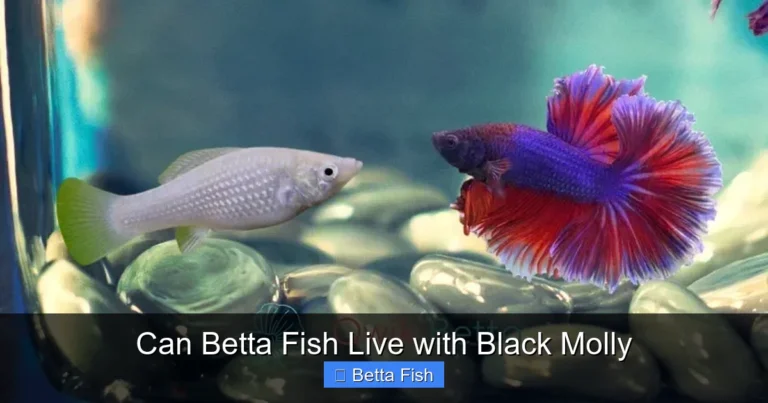
Can Betta Fish Live with Other Species of Fish

Betta fish can live with other species of fish — but only under the right conditions. Their famously aggressive temperament means choosing tank mates requires careful thought, proper tank setup, and constant monitoring. With the right companions, environment, and a watchful eye, your betta can thrive in a peaceful community aquarium.
Key Takeaways
- Bettas are territorial: Male bettas especially will attack fish with bright colors or flowing fins that resemble other bettas.
- Peaceful bottom-dwellers work best: Species like corydoras catfish and kuhli loaches make ideal tank mates because they stay out of the betta’s territory.
- Tank size matters a great deal: A minimum of 20 gallons is recommended when housing bettas with other fish to reduce aggression.
- Avoid fin-nippers and flashy fish: Tiger barbs, some tetras, and fancy guppies are risky choices that often lead to conflict.
- Invertebrates can be great companions: Mystery snails and Amano shrimp are popular non-fish tank mates that bettas usually ignore.
- Every betta has a unique personality: Some bettas are surprisingly docile while others are relentlessly aggressive — always have a backup plan.
- Proper introduction and monitoring are critical: Rearranging the tank before adding new fish and watching for signs of stress can make or break a community setup.
📑 Table of Contents
- Can Betta Fish Live with Other Species of Fish?
- Understanding Betta Fish Temperament
- The Best Tank Mates for Betta Fish
- Fish to Avoid Housing with Bettas
- Setting Up a Successful Community Tank
- How to Introduce New Fish to a Betta Tank
- Signs Your Betta Is Stressed by Tank Mates
- The Role of Water Parameters and Tank Maintenance
- Conclusion
Can Betta Fish Live with Other Species of Fish?
If you’ve ever watched a betta fish flare its gills and charge at its own reflection, you might wonder how on earth you could ever put another fish in the same tank. It’s a fair question. Betta fish — also known as Siamese fighting fish — have a reputation for aggression that’s well earned. But here’s the thing: that reputation can be a little misleading.
The truth is, many betta fish can live peacefully with other species of fish. It’s not a guaranteed success story, but with the right approach, a good understanding of betta behavior, and careful selection of tank mates, a community tank with a betta at its center is absolutely achievable. In this article, we’ll walk you through everything you need to know — from which fish make the best companions to the mistakes that can turn your peaceful aquarium into a war zone.
Whether you’re a first-time betta owner or a seasoned aquarist looking to expand your setup, understanding can betta fish live with other fish in a community environment is one of the most important topics you’ll encounter.
Understanding Betta Fish Temperament
Why Are Bettas So Aggressive?
To figure out which fish can share a tank with your betta, you first need to understand why bettas behave the way they do. In the wild, bettas live in shallow rice paddies, ponds, and slow-moving streams across Southeast Asia. These environments are small and resource-limited, which means bettas evolved to fiercely defend their territory from rivals.
Male bettas, in particular, are hardwired to attack anything that looks like a competing male. That includes fish with long, flowing fins and bright colors — the same visual cues that make another betta look like a threat. This is why putting two male bettas together is almost always a disaster.
Not All Bettas Are Equally Aggressive
Here’s something many articles overlook: betta aggression exists on a spectrum. Some bettas are genuinely mellow and will ignore other fish entirely. Others will terrorize anything that moves. Female bettas tend to be less aggressive than males, though they can still be territorial.
Age, individual personality, tank conditions, and even the betta’s history all play a role. A betta raised in a community environment from a young age may be more accepting of tank mates than one that’s lived alone for years. The bottom line? You won’t know your betta’s true temperament until you test it carefully.
The Best Tank Mates for Betta Fish
Peaceful Bottom-Dwellers
Bottom-dwelling fish are generally the safest bet (pun intended) when choosing companions for a betta. Because bettas tend to claim the middle and upper levels of the tank as their territory, fish that stay near the bottom are less likely to provoke an attack.
Corydoras catfish are one of the most popular choices. These small, peaceful catfish are social, active, and spend most of their time scavenging along the substrate. They won’t bother your betta, and your betta will likely ignore them. Aim for a group of at least six — corydoras are schooling fish and need companions of their own species to feel secure.
Kuhli loaches are another excellent option. These eel-shaped, nocturnal fish are shy and tend to hide during the day, which means they rarely cross paths with a betta. Like corydoras, they do best in groups and appreciate a tank with plenty of hiding spots.
Small, Calm Mid-Level Swimmers
Some mid-level fish can coexist with bettas, but you need to be selective. The key is choosing species that are small, fast enough to evade an aggressive betta, and not flashy enough to trigger a territorial response.
Ember tetras are a solid pick. Their small size (about an inch long) and subdued orange coloring don’t set off the same alarm bells as, say, a neon tetra or a fancy guppy. They’re peaceful, schooling fish that tend to stick to themselves.
Harlequin rasboras are another good choice. They’re calm, mid-to-upper-level swimmers with a distinctive black triangular patch that doesn’t resemble a betta’s finnage. Keep them in groups of six or more for the best results.
Non-Fish Tank Mates
If you want to add some life to your betta tank without the risk of adding more fish, invertebrates are a fantastic option. Mystery snails are probably the most popular invertebrate tank mate for bettas. They’re large enough not to be eaten, slow enough not to provoke a chase, and they help clean up algae and uneaten food.
Amano shrimp are another common choice. They’re excellent algae eaters and generally too large for a betta to bother. That said, some bettas will see shrimp as a snack, so there’s always an element of risk. Cherry shrimp, being smaller, are more likely to become betta food and are generally not recommended.
African dwarf frogs can also work in a betta tank, but they have specific care requirements — including the need to surface for air and a diet of live or frozen foods — that make them a more advanced choice. Learn more about whether aquatic frogs can live with betta fish before attempting this combination.
Fish to Avoid Housing with Bettas
Fin-Nipping Species
This is a category you want to steer clear of entirely. Fin-nippers are fish that instinctively bite at the long, flowing fins of other fish — and a betta’s magnificent tail is an irresistible target.
Tiger barbs are the classic example. They’re notorious fin-nippers and will make a betta’s life miserable. Serpae tetras and some black skirt tetras also have fin-nipping tendencies. Even if these fish are peaceful in a large school, a single individual or a small group may single out your betta.
Brightly Colored or Long-Finned Fish
Remember, bettas are triggered by fish that look like other bettas. Fancy guppies — with their colorful, flowing tails — are one of the most common mistakes new betta owners make. A male guppy’s bright colors and large tail fin look uncomfortably similar to a rival betta, and the result is usually an attack.
Angelfish are another poor choice. They’re semi-aggressive, have long fins, and occupy the same mid-to-upper water column as bettas. The two species are likely to clash.
Other betta fish — especially males — should never share a tank. Two male bettas in the same aquarium will fight, often to the death. Even female bettas, which can sometimes coexist in groups called “sororities,” require a heavily planted tank of at least 20 gallons and a group of five or more to distribute aggression. For most hobbyists, it’s safer to keep bettas alone.
Goldfish
One of the most common questions beginners ask is whether a betta can live with a goldfish. The answer is a firm no. Goldfish require cold water (around 65–72°F), while bettas need warm water (76–82°F). Goldfish also produce a massive amount of waste and grow far too large for the small tanks that bettas are often kept in. The two species are fundamentally incompatible. Read more about why goldfish and bettas don’t mix.
Setting Up a Successful Community Tank
Tank Size Is Non-Negotiable
If you’re serious about keeping your betta with other species, you need space. A 10-gallon tank is the absolute minimum for a single betta alone, but once you add tank mates, you should be looking at 20 gallons or larger.
More tank space means more territory for each fish, which dramatically reduces the likelihood of aggression. It also gives your betta room to establish a personal zone without feeling the need to defend every square inch of the aquarium. A 20-gallon long tank is ideal because its horizontal footprint gives fish more room to swim side by side rather than being forced into close vertical proximity.
Create Hiding Spots and Visual Barriers
A well-decorated tank is your best friend when it comes to community living. Use live or silk plants, driftwood, rocks, and caves to create hiding spots and break up sight lines. When a betta can’t see another fish at all times, it’s less likely to feel threatened.
Live plants like Java fern, Anubias, and Amazon sword are particularly useful. They provide cover, improve water quality, and create a more natural environment that reduces stress for all inhabitants. Floating plants like hornwort or water sprite can also help by giving your betta a sense of security near the surface.
Rearranging Before Introducing New Fish
Here’s a pro tip that many experienced aquarists swear by: rearrange the tank décor before adding new fish. When you move plants, rocks, and decorations around, you essentially “reset” the betta’s territory. The betta no longer feels like it owns the entire tank, which makes it less likely to attack newcomers on sight.
After rearranging, give your betta a day or two to adjust to the new layout before introducing any new fish. This small step can make a surprisingly big difference.
How to Introduce New Fish to a Betta Tank
Use a Quarantine Period
Before adding any new fish to your betta’s tank, quarantine them in a separate container for at least two weeks. This helps you spot any signs of illness or parasites that could spread to your betta. It’s a step that many beginners skip, but it’s one of the most important things you can do for the health of your entire aquarium.
Introduce Fish in the Evening
Adding new fish in the evening, when the tank lights are dim or off, can help reduce initial aggression. Bettas are generally calmer in low light, and the new fish have a chance to find hiding spots before the betta fully registers their presence.
Monitor Closely for the First Week
The first 48 to 72 hours are the most critical. Watch for signs of aggression like chasing, flaring, nipping, or the betta blocking access to food. Also watch the other fish — if they’re hiding constantly, clamped to one corner, or showing signs of stress (rapid breathing, faded colors), something is wrong.
Have a backup plan ready. Keep a spare tank or divider on hand so you can separate fish immediately if things go south. It’s always better to be overcautious than to come home to a dead tank mate.
Signs Your Betta Is Stressed by Tank Mates
Even if outright aggression isn’t happening, your betta might still be stressed by the presence of other fish. Watch for these warning signs:
- Clamped fins: Your betta’s fins are held tight against its body instead of flowing freely.
- Loss of color: A stressed betta may appear paler than usual.
- Refusing to eat: Stress can suppress appetite.
- Hiding constantly: While bettas do rest, a betta that never comes out is likely stressed.
- Excessive flaring: Occasional flaring is normal; constant flaring means your betta feels threatened.
- Rapid gill movement: This can indicate stress or poor water quality — check both.
If you notice any of these signs, consider removing the tank mates and giving your betta some time alone. Sometimes a betta simply prefers to be the only fish in the tank, and that’s perfectly okay.
The Role of Water Parameters and Tank Maintenance
Adding more fish to a tank increases the bioload — the amount of waste produced — which means your filter has to work harder and you need to stay on top of water changes. A betta community tank should have a gentle but efficient filter (bettas dislike strong currents) and regular water changes of 25–30% per week.
Keep the water temperature between 76 and 82°F, with a pH of around 6.5 to 7.5. Ammonia and nitrite should always be at 0 ppm, and nitrates should stay below 20 ppm. Poor water quality stresses all fish and can trigger aggression in bettas, so consistent maintenance is essential.
Conclusion
So, can betta fish live with other species of fish? The answer is a cautious yes — with caveats. Bettas are territorial, sometimes aggressive, and always unpredictable. But with the right tank mates, a spacious and well-decorated aquarium, and careful monitoring, a betta community tank can be a stunning and rewarding setup.
Start with peaceful bottom-dwellers like corydoras or kuhli loaches, add invertebrates like mystery snails for extra interest, and always be prepared to separate fish if things don’t work out. Remember that every betta is an individual — what works for one may not work for another. Patience, observation, and a willingness to adapt are the keys to success.
At the end of the day, your betta’s health and happiness are what matter most. If your betta thrives in a community setting, wonderful. If it prefers to rule its kingdom alone, that’s wonderful too. Either way, you’re giving your betta the best life possible — and that’s what fishkeeping is all about.
Frequently Asked Questions
Can a male betta fish live with other fish?
Yes, male betta fish can live with other fish, but it depends on the individual betta’s temperament and the species you choose. Peaceful bottom-dwellers like corydoras catfish and kuhli loaches are usually the safest options.
What fish should never be kept with a betta?
Avoid fin-nippers like tiger barbs, brightly colored fish like fancy guppies, semi-aggressive species like angelfish, and other male bettas. Goldfish are also incompatible due to completely different temperature and water requirements.
How big should a tank be for a betta with other fish?
A minimum of 20 gallons is recommended for a betta community tank. Larger tanks give each fish more territory and significantly reduce the chances of aggression and territorial disputes.
Can betta fish live with snails or shrimp?
Yes, mystery snails and Amano shrimp are popular tank mates for bettas. They’re generally too large to be eaten and don’t provoke a territorial response, though individual results may vary depending on your betta’s personality.
How do I know if my betta is stressed by its tank mates?
Signs of stress include clamped fins, loss of color, refusing to eat, constant hiding, excessive flaring, and rapid gill movement. If you notice these behaviors, consider separating the fish and giving your betta time alone.
Can two betta fish live together in the same tank?
Two male bettas should never be housed together — they will fight, often fatally. Female bettas can sometimes coexist in groups of five or more in a large, heavily planted tank, but this setup, known as a sorority, is risky and not recommended for beginners.