Why Is My Betta Fish Hiding and Not Eating
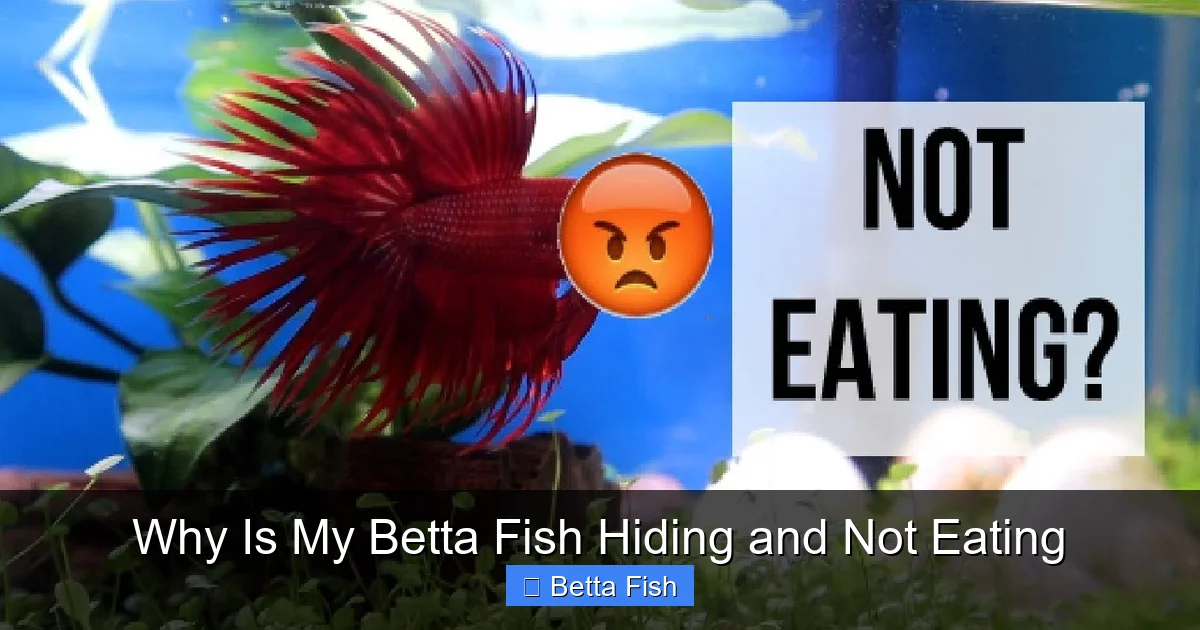
Betta fish hide and refuse food for many reasons, from water quality to stress. Identifying the root cause quickly can prevent illness and restore your fish’s appetite.
Key Takeaways
- Water quality matters: Poor parameters are the top reason bettas hide and stop eating.
- Stress triggers hiding: Over‑crowding, bright lights, and sudden changes can scare a betta.
- Health issues are silent: Parasites, fin rot, or swim‑bladder problems often show up as loss of appetite.
- Diet matters too: Wrong food type, size, or feeding schedule can make a betta refuse meals.
- Observe behavior patterns: Noting when and where your betta hides helps pinpoint the problem.
- Act fast: Simple water changes or décor adjustments can solve many issues within a day.
- Know when to call a vet: Persistent hiding and no eating for more than 48‑72 hours may need professional care.
📑 Table of Contents
Introduction
Betta fish are famous for their bright colors and bold fins, but they can be surprisingly shy when something isn’t right. If you’ve ever stared at an empty tank wondering, “why is my betta fish hiding and not eating?” you’re not alone. Many hobbyists face this puzzle, and the answer is rarely a single problem.
In this article we’ll walk through the most common reasons your betta might be hiding and refusing food, show you how to diagnose the issue, and give you step‑by‑step fixes that you can try today. Think of it as a friendly chat over a cup of tea—simple language, clear examples, and plenty of practical tips.
1. Water Quality – The Hidden Culprit
Why water matters
Betta fish are sensitive to ammonia, nitrite, and nitrate spikes. Even a small increase can make them feel unsafe, causing them to hide in plants or decorations and stop eating.
Check the basics
- Temperature: Keep it between 76 °F‑82 °F (24‑28 °C). Sudden drops make bettas sluggish.
- pH: Aim for 6.5‑7.5. A rapid shift can stress them.
- Ammonia & nitrite: Both should read 0 ppm. Any detectable level is a red flag.
- Nitrate: Below 20 ppm is ideal for bettas.
Quick water fix
Perform a 25‑30 % water change with dechlorinated water that matches the tank temperature. Test the water again after 24 hours; if parameters improve, you’ll often see your betta start to explore and nibble.
2. Stress Factors in the Environment
Lighting and décor
Betas love a dim, planted environment. Bright overhead lights or a barren tank can make them feel exposed. Add live or silk plants, and use a low‑intensity LED on a timer (8‑10 hours a day).
Tank mates and size
Even though bettas are “solo” fish, some owners keep them with peaceful shrimp or snails. If a tank mate is too active or the tank is too small (< 5 gallons), a betta may hide and refuse food.
Sudden changes
Moving the tank, rearranging décor, or switching to a new food can cause temporary hiding. Give your fish a few days to adjust before assuming something is wrong.
3. Health Issues That Show Up as Hiding
Common illnesses
- Fin rot: Frayed, discolored fins; the fish may tuck away to avoid pain.
- Swim‑bladder disorder: Fish floats sideways or sinks, often hiding near the surface.
- Parasites: White spots or “cotton‑like” growths; appetite drops quickly.
- Internal infections: Look for a bloated abdomen or pale gills.
When to seek help
If you notice any of the signs above, or if your betta has been hiding and not eating for more than 48‑72 hours, consider contacting a fish‑health specialist. Early treatment can save your fish.
4. Feeding Problems
Wrong food type
Betas prefer high‑protein, floating pellets or frozen bloodworms. If you’re offering large flakes or dry food, they might simply not recognize it as edible.
Feeding schedule
Over‑feeding can foul the water, while under‑feeding leaves them hungry but wary. Feed 2‑3 small meals per day, removing uneaten food after 5 minutes.
Food quality
Old or stale food loses its scent and nutritional value. Store pellets in a cool, dry place, and replace them every month.
Helpful link
For a deeper dive on why bettas stop eating, see our guide on why is my betta fish not eating.
5. How to Diagnose the Problem
Step‑by‑step checklist
- Test water parameters (ammonia, nitrite, nitrate, pH, temperature).
- Observe where the betta hides – bottom, plants, décor.
- Check for visible signs of disease (fin damage, discoloration, abnormal swimming).
- Review recent changes (new décor, food, tank mates).
- Try a temporary diet change to a high‑protein frozen food.
Record your observations
Keep a simple log: date, water readings, behavior notes, and any changes you make. Patterns often emerge after a few days.
6. Practical Tips to Encourage Eating and Exploration
Make feeding a game
Use a feeding ring or a small cup to drop food right in front of the betta. The movement can trigger a hunting response.
Offer live or frozen treats
One or two pieces of thawed bloodworm or daphnia can jump‑start appetite. Limit treats to twice a week to avoid water fouling.
Adjust lighting
Dim the lights for 30 minutes before feeding. This mimics dawn, a natural feeding time for bettas.
Provide hiding spots
Place a small cave or a piece of driftwood. When the betta feels safe, it will venture out to eat.
Conclusion
Seeing your betta fish hide and refuse food can be stressful, but most issues are solvable with a systematic approach. Start by checking water quality, then look at stressors, health signs, and feeding habits. Small, consistent changes often bring a shy betta back to its vibrant self within a few days.
Remember, a healthy environment is the foundation of a happy fish. Keep testing, observe closely, and don’t hesitate to seek professional advice if the problem persists. Your betta will thank you with bright colors and lively fins once again.
Frequently Asked Questions
Why does my betta fish hide when I first set up the tank?
New tanks can have unfamiliar smells, temperature fluctuations, and bright lights. Give the fish a few days to acclimate, and provide plenty of plants or caves for security.
Can a betta survive without eating for a few days?
Yes, healthy adult bettas can fast for up to a week, but a loss of appetite longer than 48‑72 hours should be investigated.
Is cloudy water a reason for my betta to hide and not eat?
Cloudy water often signals high ammonia or bacterial bloom, both of which stress bettas. Perform a partial water change and test parameters.
How often should I change the water to prevent hiding?
Change 25‑30 % of the water weekly, or more often if you see ammonia spikes. Regular changes keep the environment stable and inviting.
What if my betta hides but still eats?
Occasional hiding is normal, especially at night. If the fish eats regularly and looks healthy, no action is needed.
When should I consider a vet for my betta?
If your betta has been hiding and not eating for more than three days, shows signs of fin rot, swollen abdomen, or abnormal swimming, contact a fish‑health professional.