Why Do Betta Fish Flare Up
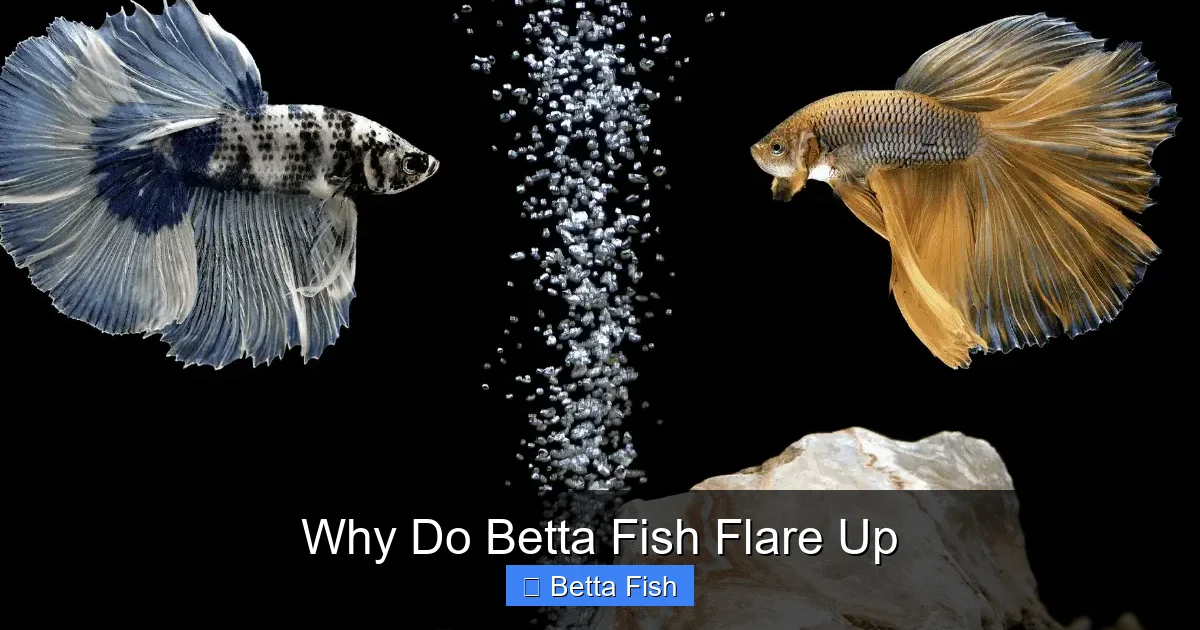
Betta fish flare up as a natural communication tool, signaling stress, territory defense, or excitement. Understanding the triggers—like water quality, tank mates, and lighting—helps you prevent unnecessary flare-ups and keep your betta thriving.
Key Takeaways
- Flare is communication: Betta fish flare to warn, attract mates, or react to stressors.
- Water quality matters: Poor parameters often spark aggressive displays.
- Tank setup influences behavior: Small spaces, mirrors, and bright lights can cause unnecessary flare-ups.
- Health issues mimic flare: Illness or injury may make a betta appear agitated.
- Calming techniques: Adjust lighting, add plants, and provide hiding spots to reduce flare frequency.
- Watch for patterns: Repeated flare-ups can signal a deeper problem that needs attention.
- Proper tank mates: Only compatible species and a well‑filtered environment prevent territorial fights.
📑 Table of Contents
- Introduction: The Spectacle of a Flared Betta
- 1. The Biology Behind the Flare
- 2. Common Triggers for Flare‑Ups
- 3. How Water Quality Influences Flare‑Ups
- 4. Distinguishing Normal Flaring from Warning Signs
- 5. Practical Tips to Reduce Unnecessary Flare‑Ups
- 6. When Flare‑Ups Signal a Bigger Problem
- Conclusion: Keep the Flares Beautiful, Not Stressful
Introduction: The Spectacle of a Flared Betta
If you’ve ever watched a betta fish puff out its fins, flare its gills, and turn a brilliant shade of blue or red, you know it’s a show you can’t ignore. This dramatic display is often called a “flare.” While it looks impressive, many hobbyists wonder, why do betta fish flare up so often and what it really means for their pet’s wellbeing.
In this article we’ll break down the science behind flaring, explore the most common triggers, and give you practical tips to keep flare-ups to a healthy minimum. Think of it as a friendly chat over a cup of tea—simple language, short sentences, and plenty of real‑world examples.
1. The Biology Behind the Flare
What actually happens when a betta flares?
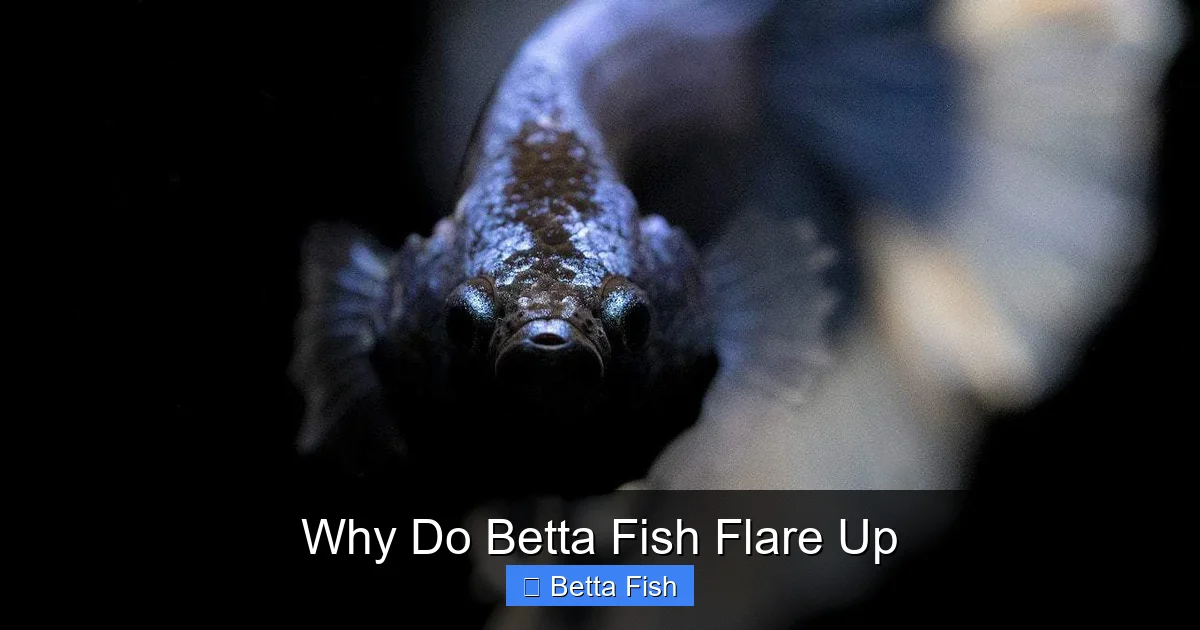
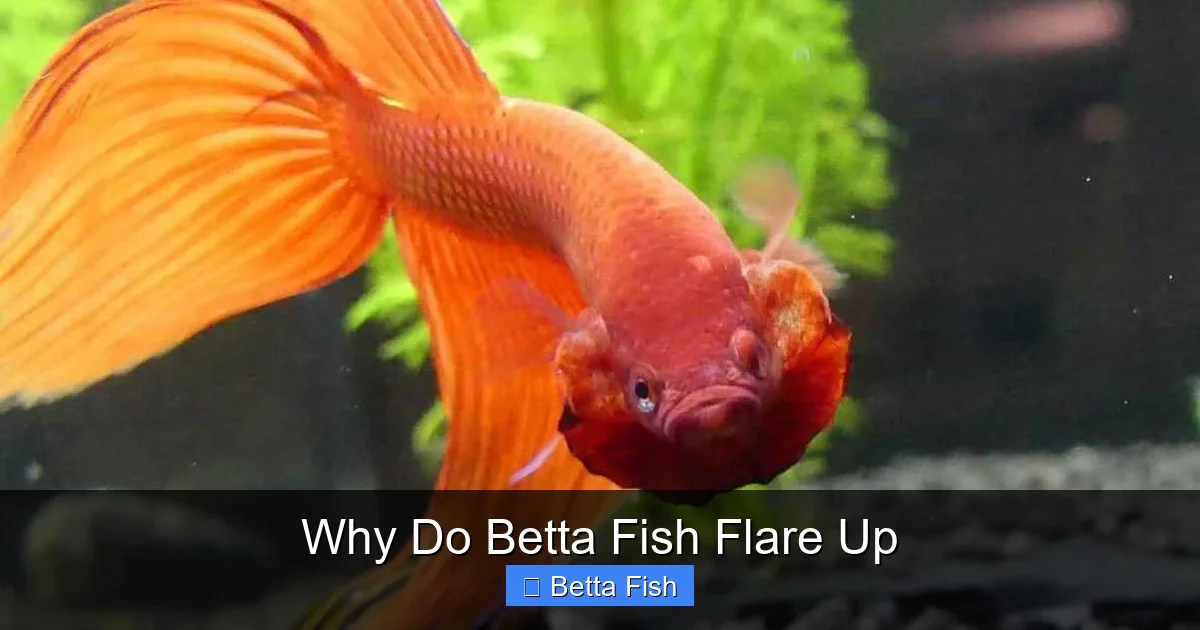
When a betta decides to flare, it expands the bony “gill covers” (opercula) and spreads its dorsal, caudal, and pectoral fins. This makes the fish look larger and more intimidating. The display is powered by a quick burst of water through the gills, which creates that characteristic “hissing” sound.
Visual guide about Why Do Betta Fish Flare Up
Image source: bettasource.com
Why do bettas have this ability?
Betta splendens are native to shallow, stagnant waters of Thailand and Cambodia. In the wild, they often live in crowded rice paddies where space is limited. The flare evolved as a non‑lethal way to settle disputes—showing off size and vigor without resorting to a full‑blown fight that could attract predators.
2. Common Triggers for Flare‑Ups
2.1. Territory and Space Issues
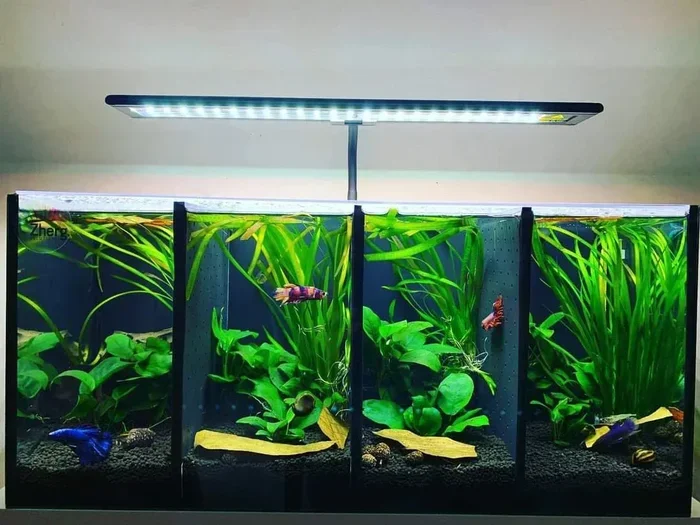
Betta fish are fiercely territorial. A tank that’s too small (under 2.5 gallons) or cluttered can make a betta feel cramped. Even a single decorative object placed directly in front of the fish can be seen as an intruder, prompting a flare.

Visual guide about Why Do Betta Fish Flare Up
Image source: petfishonline.com
For a spacious environment, aim for at least 5 gallons of water and provide plenty of open swimming area. How to set up a betta fish tank offers a step‑by‑step guide.
2.2. Mirrors and Reflections
Betas mistake their own reflection for a rival. A mirror on the tank wall will cause repeated flare‑ups, especially if the fish can see it for long periods. If you want to use a mirror for enrichment, limit exposure to a few minutes a day.
2.3. Light and Temperature Changes
Bright, sudden lighting can startle a betta. Likewise, temperature spikes (above 82°F/28°C) increase metabolic rate, making the fish more reactive. Consistent lighting schedules and a reliable heater keep the environment stable.
2.4. Presence of Other Fish or Invertebrates
Even though bettas are often called “fighting fish,” they can coexist with peaceful species if the tank is large enough and there are plenty of hiding spots. However, fin‑nipping fish or overly active swimmers can trigger a flare. Learn more about compatible tank mates in why can betta fish be with other fish.
2.5. Health Problems
Parasites, bacterial infections, or injuries can make a betta act defensively. A sick fish may flare because it feels vulnerable. If flare-ups are accompanied by loss of appetite, discoloration, or abnormal swimming, check for illness.
3. How Water Quality Influences Flare‑Ups
3.1. Ammonia, Nitrite, and Nitrate Levels
Even low levels of ammonia (<0.25 ppm) can irritate a betta’s gills, causing it to flare. Regular water changes (25 % weekly) and a good biological filter keep these toxins in check.
Visual guide about Why Do Betta Fish Flare Up
Image source: bettasource.com
3.2. pH and Hardness
Betas prefer a pH between 6.5 and 7.5. A sudden drop or rise can stress the fish, leading to flare behavior. Test the water weekly and adjust with driftwood (to lower pH) or crushed coral (to raise pH) as needed.
3.3. Dissolved Oxygen
Stagnant water with low oxygen makes a betta work harder to breathe, which can look like a flare. Surface agitation from a gentle air stone or a small filter flow helps maintain oxygen levels.
4. Distinguishing Normal Flaring from Warning Signs
4.1. Duration and Frequency
A brief flare lasting a few seconds, especially after a tank disturbance, is normal. Repeated flares lasting minutes, several times a day, suggest chronic stress.
4.2. Accompanying Behaviors
Watch for loss of color, torn fins, or lethargy. These indicate that the flare may be a symptom of illness rather than simple territorial defense.
4.3. When to Seek Veterinary Help
If your betta refuses to eat for more than 48 hours, shows white patches, or has a bloated abdomen, consult an aquatic veterinarian. Early treatment can save a life.
5. Practical Tips to Reduce Unnecessary Flare‑Ups
5.1. Optimize Tank Layout
- Use live or silk plants to break line‑of‑sight.
- Place decorations away from the front glass to avoid reflections.
- Provide caves or PVC pipes for hiding.
5.2. Control Lighting
Turn lights on for 8–10 hours a day. Use a dimmer or a floating plant canopy to soften harsh glare.
5.3. Manage Temperature
Maintain water between 76°F and 80°F (24‑27°C). A reliable heater with an auto‑off feature prevents spikes.
5.4. Monitor Water Parameters
Test weekly with a liquid test kit. Perform 25 % water changes when ammonia or nitrite spikes.
5.5. Enrichment without Stress
Introduce a small mirror for 5 minutes a day to stimulate natural behavior, then remove it. This provides mental stimulation without constant aggression.
5.6. Recognize Seasonal Changes
During breeding season (spring), male bettas may flare more often to attract females. If you notice a sudden increase, it may simply be hormonal.
6. When Flare‑Ups Signal a Bigger Problem
6.1. Flare Paired with Color Loss
Sudden fading can mean stress, poor water, or disease. Check water parameters first, then examine the fish for parasites.
6.2. Flare Followed by Fin Damage
Repeated fights with tank mates or glass can tear fins. Trim torn edges with sterilized scissors and treat with a mild antibacterial bath.
6.3. Flare and Loss of Appetite
This combo is a red flag. Offer a variety of foods—high‑quality pellets, frozen brine shrimp, and daphnia—to stimulate feeding.
6.4. How to Respond Quickly
Isolate the betta in a hospital tank (2‑3 gallons) with clean water, a heater, and hideout. Observe for 24‑48 hours and adjust care based on symptoms.
Conclusion: Keep the Flares Beautiful, Not Stressful
Understanding why do betta fish flare up helps you create a calm, healthy home for your finned companion. Most flares are natural communication, but frequent or prolonged displays often point to environmental stress, poor water quality, or health issues. By providing adequate space, stable water parameters, and thoughtful tank décor, you’ll see fewer frantic flares and more graceful swims.
Remember, a happy betta shows off its colors proudly—without the frantic flaring. Keep an eye on the signs, act quickly when needed, and enjoy the vibrant personality of one of the most charismatic freshwater fish.
Frequently Asked Questions
Why does my betta flare when I look at the tank?
Betas often see their own reflection as a rival. The flare is a warning display to “show” the perceived intruder that it’s not safe to approach.
Can water temperature cause my betta to flare?
Yes. Sudden temperature spikes or a consistently high temperature (>82°F) can stress a betta, leading to more frequent flare‑ups.
Is flaring a sign that my betta is ready to breed?
Male bettas flare more during breeding season to attract females and to defend a nesting site. If you see a flaring male building a bubble nest, he may be ready to mate.
How often is it normal for a betta to flare?
A brief flare after a disturbance is normal. If your betta flares several times a day for long periods, investigate water quality, lighting, and tank size.
Can a sick betta flare more than a healthy one?
Yes. Illness can make a betta feel vulnerable, prompting defensive flares. Look for other symptoms like loss of color, torn fins, or loss of appetite.
What can I do to calm a betta that’s constantly flaring?
Reduce stressors: lower bright lighting, add live plants or silk decorations, ensure proper water parameters, and give the fish a larger, well‑filtered tank.