Why Do Betta Fish Fins Frayed
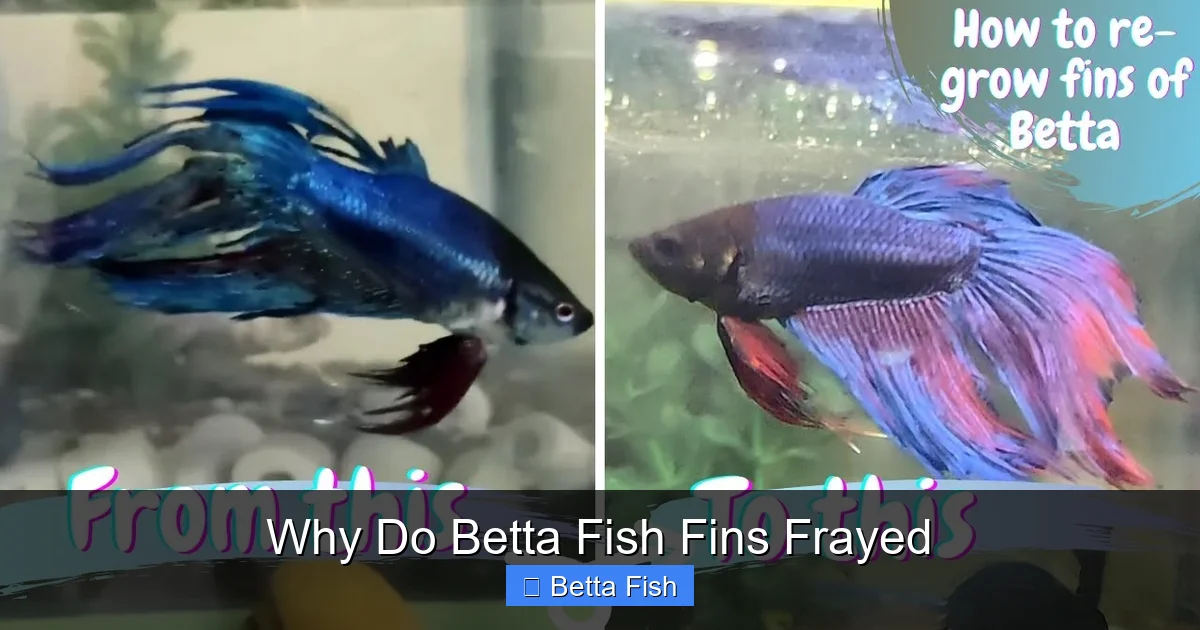
Frayed betta fins are most often a sign of poor water quality, stress, or disease, and they require immediate attention to prevent further damage. Maintaining clean, properly filtered water, balanced nutrition, and regular health checks can restore fin health and keep your betta vibrant and active.
Why Do Betta Fish Fins Frayed
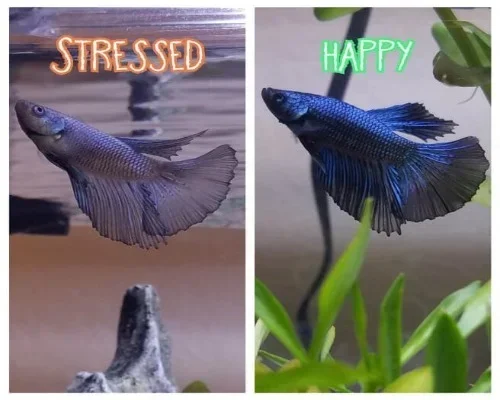
When you first bring a betta home, you’re usually dazzled by the bright, flowing fins that look like tiny silk ribbons. But after a few weeks, you might notice those beautiful edges turning ragged, torn, or even shredded. It’s a common sight that can make any betta lover worry: why do betta fish fins frayed?
Don’t panic – the answer isn’t always “you’re a bad fish keeper.” In most cases, frayed fins are a sign that something in the fish’s environment or health needs a little tweaking. In this post we’ll walk through the most frequent causes, share real‑world examples, and give you clear, step‑by‑step tips so you can help your betta flaunt those flawless fins again.
Key Takeaways
- Check water quality: High ammonia or nitrite levels can damage fins.
- Monitor tank mates: Aggressive or fin-nipping fish cause fraying.
- Provide proper nutrition: High‑quality, protein‑rich diet promotes healthy fin growth.
- Maintain optimal temperature: Keep water at 78‑80°F to reduce stress.
- Limit stressors: Avoid sudden changes in décor, lighting, or flow.
- Treat diseases promptly: Identify and medicate fin rot or fungal infections early.
📑 Table of Contents
1. Water Quality Issues – The Hidden Culprit
Ammonia, Nitrite, and Nitrate Build‑Up
Betta fish are especially sensitive to spikes in ammonia and nitrite. Even a small rise can irritate the delicate skin and cause the fin tissue to break down, leaving a frayed appearance.
- Ammonia (NH₃) – toxic at >0.25 ppm.
- Nitrite (NO₂⁻) – harmful above 0.5 ppm.
- Nitrate (NO₃⁻) – keep under 20 ppm for long‑term health.
How to Test and Fix
Invest in a reliable liquid test kit. Test weekly for the first month, then bi‑weekly. If any level is high:
- Perform a 25‑30 % water change.
- Check the filter media – rinse or replace if dirty.
- Consider adding a small dose of a biologic enhancer to boost beneficial bacteria.
Real Example
Emma, a first‑time betta owner, noticed her fish’s fins looking ragged after a weekend party. She discovered that the tank had been left uncovered, allowing rainwater to dilute the water and raise nitrate. A quick 50 % water change and a new test kit solved the problem within two days.
2. Inadequate Tank Conditions
Size Matters
Many people still keep bettas in tiny bowls. A cramped space limits water stability and forces the fish to bump against the glass, which can shear the fins. Aim for at least a 5‑gallon tank with a gentle flow.

Visual guide about Why Do Betta Fish Fins Frayed
Image source: fishkeepingacademy.com
Temperature Fluctuations
Betta fish thrive at 76‑82 °F (24‑28 °C). Sudden drops or spikes stress the fish, weakening fin tissue. Use a reliable heater and a thermometer to keep the temperature steady.
Hard Water vs. Soft Water
Very hard water (high GH) can cause scale buildup on fins, making them look frayed. Soft, slightly acidic water is ideal. If your tap water is hard, use a water conditioner or mix in reverse‑osmosis water.
Practical Tip
Place a silicone aquarium background on the back wall. It reduces reflections, lessening the fish’s urge to flare and slam into the glass, which often leads to fin damage.
3. Nutrition and Dietary Deficiencies
Essential Fatty Acids
Betta fins need omega‑3 and omega‑6 fatty acids to stay flexible. Low‑quality or stale pellets can leave them brittle, causing fraying.

Visual guide about Why Do Betta Fish Fins Frayed
Image source: fishkeepingacademy.com
Vitamins and Minerals
Vitamin C, B‑complex, and trace minerals support skin regeneration. A diet lacking these nutrients can result in slow fin healing.
Feeding Routine
- Feed high‑quality betta pellets once or twice daily.
- Supplement with frozen or live foods (brine shrimp, daphnia) 2‑3 times a week.
- Consider a weekly “fin‑boost” treat – a pinch of high‑fat bloodworms or a commercial fin‑repair formula.
Case Study
Mike noticed his betta’s dorsal fin looking shredded after switching to a cheaper bulk pellet brand. After returning to a premium, high‑fat pellet and adding a weekly dose of frozen bloodworms, the fin regenerated within three weeks.
4. Disease and Parasites
Fin Rot
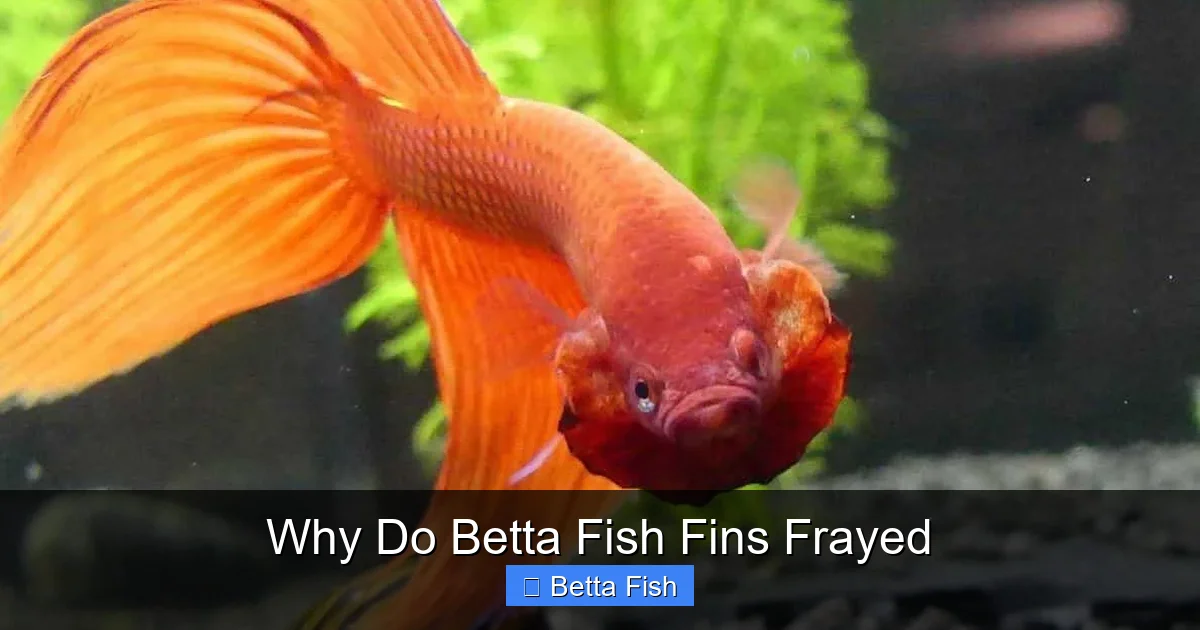
Fin rot, caused by bacteria such as Aeromonas or Pseudomonas, starts as a white edge that quickly becomes ragged. If left untreated, the entire fin can disintegrate.
Visual guide about Why Do Betta Fish Fins Frayed
Image source: bettafishworld.com
Ich and Velvet
While primarily skin diseases, severe ich or velvet can make the fish rub against objects, tearing fins.
Identifying the Problem
Look for these signs:
- White or yellowish frayed edges.
- Redness or inflammation near the base.
- Unusual swimming patterns or loss of appetite.
Treatment Basics
- Isolate the affected fish in a hospital tank.
- Raise the temperature to 82 °F (28 °C) to speed bacterial growth – then treat with a broad‑spectrum antibiotic (e.g., Maracyn).
- Add Indian almond leaves for natural antibacterial properties.
Helpful Resource
For a deeper dive into fin loss, see our article on why betta fish lose their fins.
5. Stress From Tank Mates and Environment
Aggressive Tank Mates
Even though bettas are often called “Siamese fighting fish,” they can still be harassed by fast‑moving or fin‑nipping species like guppies or tetras. Constant chases cause frayed fins.
Improper Decorations
Sharp edges on rocks, ornaments, or even rough plastic plants can snag fins. Always sand down or cover any rough spots.
Lighting Stress
Excessive light (more than 12 hours a day) can stress bettas, prompting them to flare repeatedly and tear their own fins.
Mitigation Steps
- Keep a betta alone or with very peaceful, slow‑moving species.
- Choose smooth, betta‑safe décor – silk plants, smooth rocks.
- Set a timer for 8‑10 hours of light per day.
Related Reading
If you’re wondering why do betta fish fight, understanding territorial behavior can help you avoid unnecessary stress.
6. Genetics and Age – When Fraying Is Inevitable
Natural Fin Types
Some betta varieties, like the Veil or Crowntail, have naturally delicate fins that may appear frayed as the fish ages. This isn’t always a sign of illness.
Age‑Related Wear
Older bettas (2+ years) may show slower fin regeneration. The tissue becomes thinner, making it more prone to tearing.
What You Can Do
Even with genetic predisposition, good water, nutrition, and low stress can keep the fins looking as healthy as possible.
Data Table: Common Betta Fin Types and Fraying Tendency
| Fin Type | Typical Fraying Risk | Best Care Tips |
|---|---|---|
| Veil | High | Large tank, gentle flow, soft plants |
| Crowntail | Medium‑High | Avoid sharp décor, frequent water changes |
| Halfmoon | Medium | Stable temperature, balanced diet |
| Plakat | Low | Standard betta care sufficient |
| Dwarf | Low‑Medium | Watch for aggression with tank mates |
Putting It All Together: A Quick Checklist
- Test water weekly for ammonia, nitrite, nitrate, and pH.
- Maintain temperature between 76‑82 °F.
- Provide at least a 5‑gallon tank with smooth décor.
- Feed high‑quality pellets plus occasional frozen/live treats.
- Observe for signs of disease – white edges, redness, loss of appetite.
- Limit stress: keep betta alone or with very peaceful companions, use a timer for lighting.
- Consider fin type and age when setting expectations.
By following this checklist, you’ll address the most common reasons why do betta fish fins frayed and give your fish the best chance to keep those fins looking spectacular.
Conclusion
Frayed fins are usually a symptom, not a mystery. Whether it’s water quality, diet, disease, or simple stress, identifying the root cause lets you act quickly and effectively. Remember, bettas are resilient creatures – with clean water, proper nutrition, and a calm environment, most fin damage can be repaired, and new growth will often follow.
Take a moment to observe your betta today. Notice any changes in fin shape, color, or behavior, and compare them to the tips above. Small adjustments now can prevent bigger problems later, keeping your betta proud, vibrant, and ready to flare those gorgeous fins for years to come.
Frequently Asked Questions
Why are my betta fish fins frayed?
Frayed fins are usually a sign of stress, poor water quality, or injury. Improper tank conditions, such as high ammonia or nitrate levels, can weaken the delicate fin tissue, causing it to tear and appear ragged.
Can a betta fish’s diet cause its fins to become frayed?
Yes, a nutritionally deficient diet lacking essential fatty acids can lead to weak, frayed fins. Feeding high‑quality betta pellets or frozen foods rich in omega‑3s helps maintain strong, healthy fins.
Is it normal for betta fish fins to be frayed during breeding?
During breeding, male bettas often develop longer, flowing fins that are more susceptible to damage, especially when fighting other males. While some fraying can be expected, excessive tearing may indicate aggressive behavior or inadequate tank space.
How does water temperature affect betta fish fins frayed?
Betta fish thrive in water between 76°F and 82°F (24‑28°C). Temperatures that are too low can stress the fish and slow fin regeneration, while overly warm water can increase metabolism and aggression, both leading to frayed fins.
What are the signs that frayed fins are caused by disease?
Look for additional symptoms such as white spots, discoloration, slime buildup, or lethargy. Diseases like fin rot or fungal infections often start with frayed edges and progress to ragged, discolored fins if untreated.
How can I repair betta fish fins that are already frayed?
First, improve water quality by performing regular water changes and testing for ammonia, nitrite, and nitrate. Add a water conditioner with stress‑relief additives and consider a high‑quality betta supplement to promote fin regrowth.