How to Treat Fin Rot in a Betta Fish
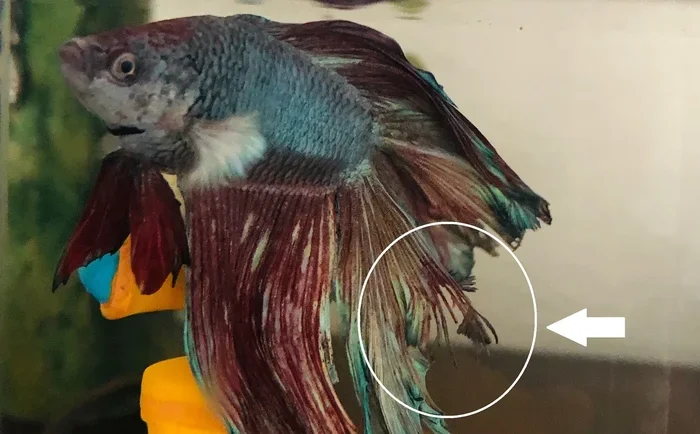
Fin rot is one of the most common betta fish diseases, but it is also highly treatable if caught early. This guide covers everything you need to know about fin rot treatment, from identifying the first signs to using aquarium salt, improving water quality, and knowing when to seek help. With the right care, your betta’s fins can fully regrow and stay healthy.
Few things are as worrying as watching your betta fish’s beautiful fins start to fray and disintegrate. Fin rot in betta fish is a common condition that affects many fish keepers at some point. The good news? It is almost always treatable, especially when you catch it early. In this guide, we will walk you through every step of the fin rot treatment process. You will learn how to spot the symptoms, understand what causes them, and apply effective remedies right at home.
Whether your betta has mild tearing or advanced tissue damage, this article gives you the knowledge to act confidently. We will cover everything from water parameter management to natural remedies and medication options. By the end, you will know exactly what to do to help your betta recover and thrive again.
Key Takeaways
- Early detection saves lives: Catching fin rot symptoms early makes treatment much faster and easier.
- Water quality is the root cause: Most fin rot cases stem from poor tank maintenance and dirty water.
- Aquarium salt is a go-to remedy: It is safe, affordable, and highly effective for mild to moderate cases.
- Know when to escalate: Severe fin rot may require fish-safe antibiotics or a vet visit.
- Prevention is always better than cure: Regular water changes and a clean tank keep fin rot away.
- Stress weakens immunity: A stressed betta fish is far more vulnerable to bacterial infections.
- Fins can regrow fully: With proper treatment, damaged fins often grow back completely over time.
📑 Table of Contents
- What Is Fin Rot in Betta Fish?
- How to Identify Fin Rot Symptoms Early
- How to Treat Fin Rot in a Betta Fish
- How to Prevent Fin Rot from Coming Back
- Can Fin Rot Be Cured Completely?
- Expert Tips for Faster Recovery
- Common Mistakes to Avoid When Treating Fin Rot
- When to See a Veterinarian
- Final Thoughts on Treating Fin Rot
What Is Fin Rot in Betta Fish?
Fin rot is a bacterial or fungal infection that attacks a betta’s fins and tail. It causes the edges to turn white, brown, or ragged, and the fins slowly eat away from the outside in. In severe cases, the infection reaches the fin base, which can become life-threatening if left untreated.
The condition is not just one single disease. It is usually the result of bad bacteria taking advantage of a weakened immune system. Think of it like a cut on your skin that gets infected because it was not cleaned properly. Your betta’s fins are similarly vulnerable when their environment is not clean or when they are under stress.
Common Causes of Fin Rot
Understanding the cause is the first step toward effective fin rot treatment. Here are the most common reasons betta fish develop this condition:
- Poor water quality: Dirty water with high ammonia or nitrite levels is the number one culprit. When toxins build up, they damage delicate fin tissue.
- Overcrowded tank: Too many fish in a small space increases stress and spreads bacteria faster.
- Sharp decorations: Rough gravel or plastic plants with sharp edges can tear fins, creating an entry point for bacteria.
- Cold water temperatures: Betta fish need warm water between 76 and 82 degrees Fahrenheit. Cold water slows their immune response.
- Stress from tank mates: Aggressive fish nipping at fins creates wounds that bacteria can exploit.
- Poor diet: A weak immune system makes it harder for your betta to fight off infections naturally.
How to Identify Fin Rot Symptoms Early
Catching fin rot symptoms early is the difference between a quick recovery and a prolonged illness. The sooner you spot the signs, the easier treatment becomes. Here is what to look for:
Stage 1: Mild Fin Rot
At this stage, the edges of the fins may look slightly white or milky. You might notice tiny tears or a slightly ragged appearance. The betta is still active and eating normally. This is the best time to start treatment because recovery is fast and straightforward.
Stage 2: Moderate Fin Rot
The white or brown edges spread inward. Fins look visibly shorter and more ragged. The color of the fins may darken. Your betta might start spending more time hiding or resting near the bottom of the tank. Appetite may decrease slightly.
Stage 3: Severe Fin Rot
The infection reaches the fin base. Large chunks of fin tissue are missing, and the remaining fins look extremely tattered. The betta fish may stop eating entirely and show signs of lethargy. At this stage, immediate treatment is critical to prevent the infection from spreading to the body.
If you are unsure whether your betta has fin rot or another condition like ich, check out our guide on how to treat ich on a betta fish for a helpful comparison. Fin rot and ich look quite different once you know what to look for.
How to Treat Fin Rot in a Betta Fish
Now that you know what fin rot looks like, let us get into the actual fin rot treatment. The approach depends on how severe the infection is. We will cover three main methods: aquarium salt baths, water management, and medication.
Method 1: Aquarium Salt Treatment
Aquarium salt is the most popular and accessible remedy for mild to moderate fin rot. It works by drawing out excess fluid from the infected tissue and creating an environment that is hostile to bacteria. Here is how to do it:
- Get aquarium-specific salt (not table salt). Table salt contains additives that can harm your fish.
- Prepare a separate treatment container with dechlorinated water at the same temperature as your main tank.
- Add one tablespoon of aquarium salt per gallon of water. Stir until it dissolves completely.
- Place your betta in the salt bath for 10 to 15 minutes. Watch for any signs of distress.
- Return your betta to the main tank afterward.
- Repeat this process once daily for 5 to 7 days.
This method is gentle and works well for early-stage infections. Many fish keepers see visible improvement within just a few days.
Method 2: Improve Water Quality and Tank Conditions
No amount of salt or medication will work long-term if the water quality in the tank is poor. Improving water parameters is the foundation of any successful treatment plan. Here is what you should do:
- Perform a 25 to 50 percent water change immediately. Fresh water removes harmful toxins that worsen the infection.
- Test your water parameters. Ammonia and nitrite should always read zero. Nitrate should be below 20 ppm.
- Clean the substrate. Use a gravel vacuum to remove waste and debris from the bottom of the tank.
- Check the filter. A clogged filter does not remove bacteria effectively. Rinse filter media in old tank water, never tap water.
- Maintain a stable temperature. Use a heater to keep the water between 78 and 80 degrees Fahrenheit.
If you are not sure how often to change the water, our article on how to change the water in a betta fish tank provides a simple step-by-step routine you can follow.
Method 3: Medication for Severe Fin Rot
When the infection is moderate to severe, home remedies alone may not be enough. You may need to use fish-safe antibiotics. Here are some options:
- Melafix: A natural antibacterial remedy made by API. It is gentle and works well for mild to moderate cases.
- Furan-2: A stronger antibiotic effective against gram-negative bacteria, which are the primary cause of fin rot.
- Kanaplex: A kanamycin-based medication that targets stubborn bacterial infections.
- Salt and medication combined: For severe cases, many experts recommend using aquarium salt alongside antibiotics for maximum effectiveness.
Always follow the dosage instructions on the product label. Overmedicating can harm your betta more than the infection itself. If the condition does not improve within a week of treatment, consider consulting a veterinarian who specializes in fish.
How to Prevent Fin Rot from Coming Back
Treatment is only half the battle. The real key to long-term betta fish health is prevention. Once your betta’s fins start healing, you want to make sure fin rot never returns. Here is how to keep the infection at bay:
Stick to a Regular Maintenance Schedule
Consistency is everything when it comes to tank maintenance. Set a weekly reminder to perform partial water changes. Even a 20 percent water change every week makes a massive difference. Clean gravel, check filter function, and test water parameters regularly.
Keep the Tank Stress-Free
A stressed betta fish is much more likely to develop infections. To keep stress levels low:
- Provide plenty of hiding spots with smooth, rounded decorations.
- Avoid housing your betta with aggressive tank mates.
- Keep the lighting moderate. Bettas prefer soft, dim lighting.
- Place the tank in a quiet area away from loud noises and vibrations.
Feed a Balanced Diet
A healthy diet supports a strong immune system. Feed your betta high-quality pellets as the staple, and supplement with frozen or live foods like brine shrimp and bloodworms a few times a week. Do not overfeed. Uneaten food decays in the water and raises ammonia levels, which directly contributes to bacterial infections.
Quarantine New Fish
If you ever add a new fish to your tank, always quarantine them first in a separate container for at least two weeks. This prevents the spread of hidden diseases and bacteria that could trigger fin rot in your betta.
Can Fin Rot Be Cured Completely?
Yes, in most cases fin rot can be fully cured. Mild and moderate infections respond very well to aquarium salt and improved water conditions. Even severe cases can recover with proper medication and diligent tank maintenance. The key is acting quickly and not waiting until the infection has spread too far.
One of the most encouraging things about treating fin rot is that fins can regrow. Once the infection is cleared, new fin tissue will slowly grow back. The regrowth may start as a thin, translucent edge that gradually thickens and gains color over several weeks. Some bettas even grow fins that look better than before. Patience is essential during this process.
However, if the infection has reached the body and not just the fins, the prognosis becomes more serious. In these cases, the betta fish may develop secondary infections that are harder to treat. This is why early intervention is so important.
For more information on related conditions, you may want to read about how to treat bloat in betta fish, another common issue that betta owners face. Understanding multiple conditions helps you become a more confident and effective fish keeper.
Expert Tips for Faster Recovery
Here are some expert-backed tips that can speed up your betta’s healing process:
- Keep the tank clean but don’t over-clean. Stripping all beneficial bacteria can actually set back your tank’s cycle. Focus on partial water changes rather than full cleans.
- Use a sponge filter. Sponge filters provide gentle mechanical and biological filtration without creating strong currents that can damage fragile regrowing fins.
- Add live plants. Live plants like java moss or anubias naturally absorb nitrates and improve water quality. They also provide a calming environment for your betta.
- Monitor your betta daily. Spend a few minutes each day watching your fish. Early detection of any change in behavior, appetite, or appearance gives you a head start on treatment.
- Avoid handling your betta unnecessarily. Every time you net or move your fish, you create stress that can slow the healing process.
Common Mistakes to Avoid When Treating Fin Rot
Even well-meaning fish keepers sometimes make mistakes that slow down recovery. Here are the most common ones:
- Using table salt instead of aquarium salt. Table salt contains iodine and anti-caking agents that are harmful to fish. Always use pure aquarium salt or marine salt mix.
- Doing a 100 percent water change. This wipes out beneficial bacteria and shocks your betta. Stick to partial changes of 20 to 50 percent.
- Overmedicating. More medication does not mean faster results. It can damage your betta’s organs and harm beneficial bacteria in the tank.
- Ignoring the root cause. Treating the symptoms without fixing the water quality or stressor means fin rot will almost always come back.
- Waiting too long to start treatment. The longer you wait, the deeper the infection spreads and the harder it becomes to reverse.
When to See a Veterinarian
Most cases of fin rot can be managed at home. However, there are situations where professional help is necessary. Seek a veterinarian if:
- The infection spreads to the body, causing red streaks or open sores.
- Your betta stops eating for more than two days despite treatment.
- The fins continue to deteriorate after a full week of proper treatment.
- You notice other symptoms like bloating, lethargy, or labored breathing, which may indicate a secondary infection.
A qualified fish vet can prescribe targeted medications and perform diagnostic tests that go beyond what home treatment can offer. Do not hesitate to reach out if your betta’s condition worsens.
Final Thoughts on Treating Fin Rot
Fin rot is a common but manageable condition that every betta fish owner should know how to handle. The combination of early detection, proper treatment, and consistent prevention gives your betta the best chance of a full recovery. Start with aquarium salt and water improvements for mild cases. Escalate to medication when the infection is more advanced. And always remember that a clean, stress-free tank is the best defense against fin rot and many other betta fish diseases.
Your betta fish depends on you for a healthy environment. With the knowledge in this guide, you are well-equipped to provide that. Act quickly, stay consistent, and watch your betta’s fins heal and flourish again.
If you want to dive deeper into related betta care topics, check out our articles on how to treat a stressed betta fish and learn how to keep your finned friend happy and healthy every day.
Frequently Asked Questions
What is the fastest way to treat fin rot in a betta fish?
The fastest approach is to combine aquarium salt baths with a partial water change and improved tank conditions. For moderate cases, adding a fish-safe antibiotic like Melafix or Furan-2 can speed up recovery significantly. Acting quickly is the key to the fastest results.
Can fin rot kill a betta fish?
Yes, if left untreated, severe fin rot can be fatal. When the infection reaches the fin base and spreads to the body, it can cause systemic bacterial infection. This is why early detection and prompt treatment are so critical for your betta’s survival.
How long does it take for betta fins to grow back after fin rot?
Fin regrowth typically takes two to four weeks for mild cases and up to two months for severe damage. The new fins may appear thin and translucent at first, but they gradually thicken and gain their natural color over time with proper care and clean water.
Is aquarium salt safe for all betta fish?
Aquarium salt is generally safe for betta fish when used at the correct dosage of one tablespoon per gallon. However, some bettas are more sensitive than others. Always watch your fish during treatment and reduce the salt concentration if you notice any signs of distress like rapid gilling or clamped fins.
Can I use salt and medication together to treat fin rot?
Yes, combining aquarium salt with fish-safe antibiotics is a common and effective approach for moderate to severe fin rot. The salt supports the fish’s natural healing process while the medication fights the bacterial infection directly. Just make sure to follow dosage instructions for both carefully.
What water parameters help prevent fin rot?
Keep ammonia and nitrite at zero, nitrate below 20 ppm, and pH between 6.5 and 7.5. Maintain a stable temperature between 78 and 80 degrees Fahrenheit. Regular water changes and proper filtration are the foundation of preventing fin rot and keeping your betta fish healthy.
=== CONCLUSION ===
Treating fin rot in a betta fish does not have to be complicated or stressful. With the right knowledge and a little consistency, you can nurse your betta back to full health. Remember the three pillars of treatment: clean water, aquarium salt, and medication when needed. Prevention through regular maintenance and a low-stress environment is the ultimate strategy for keeping fin rot away for good. Your betta deserves a happy, healthy life, and now you have the tools to give it to them.