Why Do Betta Fish Fins Fall Off
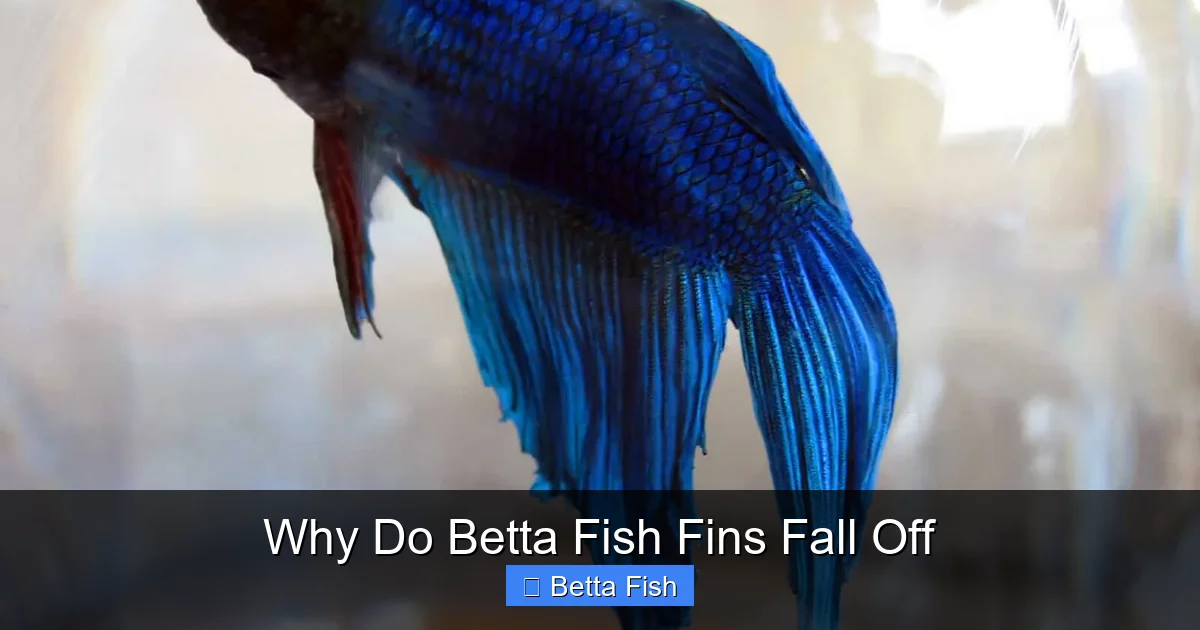
Betta fin loss is often a sign of stress, disease, or poor water conditions. By identifying the root cause—whether it’s fin rot, aggression, or nutrition—you can act quickly to stop the damage and help your fish regrow healthy fins. Simple tank tweaks and proper care make a big difference.
Key Takeaways
- Water quality is king: Bad ammonia, nitrite, or pH spikes are the most common triggers for fin loss.
- Fin rot is a bacterial infection: Early detection and proper medication can save the fins.
- Stress from aggression or poor environment: Over‑crowding, mirrors, and sudden changes cause frayed fins.
- Nutrition matters: A balanced diet rich in vitamins supports fin regeneration.
- Quarantine new arrivals: Prevents the spread of parasites and bacterial diseases.
- Some fin damage is reversible: With the right care, many bettas can grow back lost tissue.
- Regular observation saves lives: Spotting early signs lets you act before the problem worsens.
📑 Table of Contents
- Introduction: When Your Betta’s Fins Start to Fade
- 1. Water Quality: The Invisible Enemy
- 2. Diseases That Eat Away at Fins
- 3. Stress From The Environment
- 4. Nutrition: Feeding the Fin Factory
- 5. Healing and Regeneration: Can Betta Fins Grow Back?
- 6. Prevention: Building a Fin‑Friendly Habitat
- Conclusion: Keep Those Fins Flowing
Introduction: When Your Betta’s Fins Start to Fade
If you’ve ever watched a betta flare its glorious, flowing fins only to notice a ragged edge or missing piece, you know how worrying it can be. Those vibrant sails are not just for show; they are a sign of health, confidence, and overall well‑being. When they start to shrink, curl, or disappear, the first thought is often “why do betta fish fins fall off?” The answer isn’t always simple, but it usually points to a problem you can fix.
In this friendly, step‑by‑step guide we’ll explore the most common reasons behind fin loss, how to recognize each issue, and what you can do today to protect your finned friend. Think of it as a conversation over a cup of tea with a fellow betta enthusiast—simple language, clear examples, and plenty of practical tips.
1. Water Quality: The Invisible Enemy
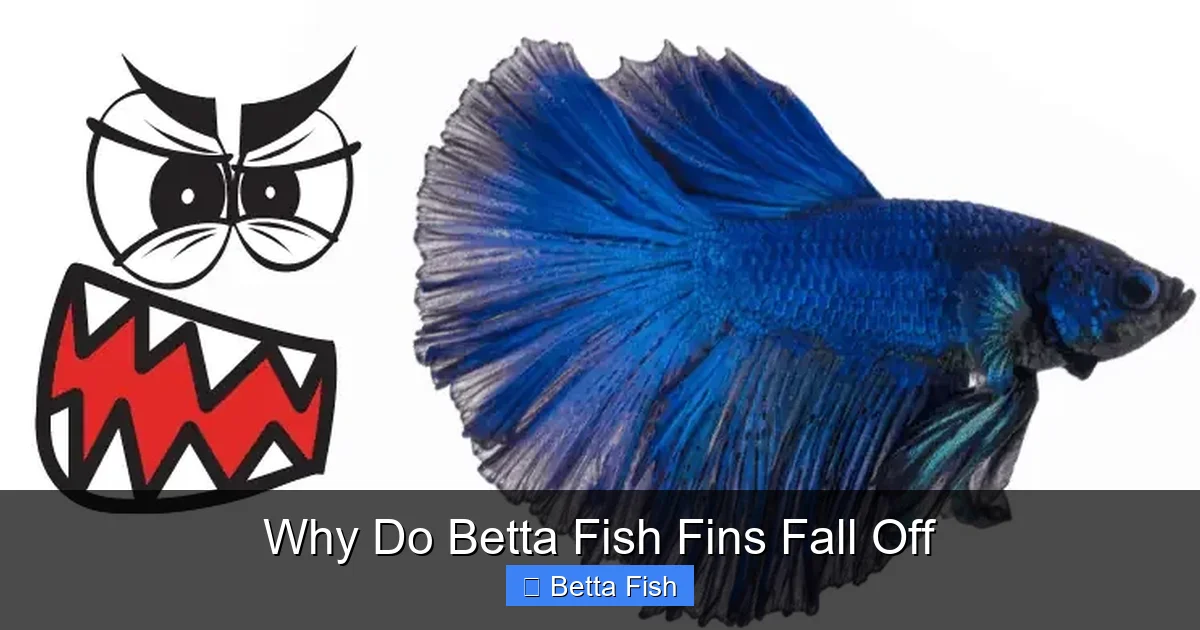
Betta fish are surprisingly sensitive to the chemistry of their home. Even a small spike in ammonia or a sudden pH shift can stress a betta enough to cause fin damage.
Visual guide about Why Do Betta Fish Fins Fall Off
Image source: bettafishbay.com
1.1 Ammonia and Nitrite Build‑Up
Ammonia (NH₃) is the waste product of fish metabolism and decaying food. In a properly cycled tank, beneficial bacteria convert ammonia to nitrite and then to nitrate. If the cycle is incomplete or the tank is over‑stocked, ammonia levels rise, irritating the delicate skin and fin tissue. The result? Frayed, white‑bordered fins that eventually fall off.
1.2 pH and Temperature Fluctuations
Betta fish thrive in slightly acidic to neutral water (pH 6.5‑7.5) and temperatures between 76‑82°F (24‑28°C). Sudden drops or spikes can cause stress similar to ammonia exposure. Use a reliable test kit and a heater with an automatic shut‑off to keep conditions stable.
1.3 How to Test and Fix
- Test weekly with a liquid test kit for ammonia, nitrite, nitrate, and pH.
- Perform 25‑30% water changes if any parameter is out of range.
- Use a sponge filter or a gentle hang‑on‑back filter to improve biological filtration without creating strong currents.
2. Diseases That Eat Away at Fins
When water is clean but fins still deteriorate, disease is often the culprit. The most common fin‑related illnesses are bacterial fin rot, fungal infections, and parasitic infestations.

Visual guide about Why Do Betta Fish Fins Fall Off
Image source: nicebettathailand.com
2.1 Bacterial Fin Rot
Fin rot begins as a small ragged edge that becomes white, then brown, and finally disintegrates. The bacteria thrive in warm, dirty water and on stressed fish. Early treatment with broad‑spectrum antibiotics (e.g., Maracyn) can halt the progression.
2.2 Fungal Infections
Fungal growth appears as cotton‑like patches on damaged tissue. It often follows a minor injury or a bout of fin rot. An antifungal dip, such as one containing malachite green, helps clear the fungus.
2.3 Parasites: Velvet and Ich
While not directly causing fin loss, parasites weaken the immune system, making fins more vulnerable. Velvet (Oodinium) gives a gold dusting on the body, while Ich (Ichthyophthirius) shows white spots. Treat with copper‑based medication or formalin as directed.
2.4 Practical Tip: The “Quarantine Box”
Any new betta or a fish showing early signs of disease should be moved to a separate quarantine tank. This prevents the spread of pathogens to your main display and gives you a controlled environment for medication.
3. Stress From The Environment
Even a perfectly cycled tank can become a stress factory if you overlook the betta’s natural preferences.
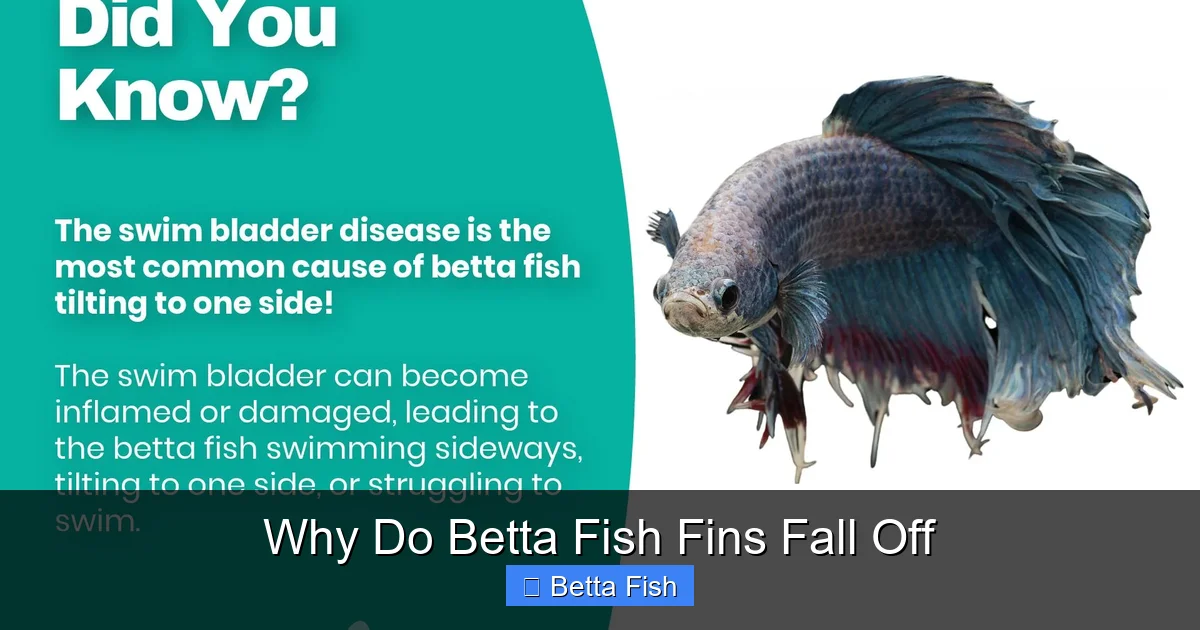
Visual guide about Why Do Betta Fish Fins Fall Off
Image source: majesticfins.com
3.1 Aggression and Mirror Stress
Betta males are territorial. Placing a mirror or another male too close can cause constant flare‑ups, leading to torn fins. If you notice your betta repeatedly flaring at its reflection, remove the mirror or give the fish a visual barrier.
3.2 Tank Size and Decorations
While bettas can survive in small bowls, they need space to swim and hide. A 5‑gallon tank with a few live plants, a silk leaf, and smooth rocks provides a stress‑free environment. Rough decorations or sharp ornaments can snag fins, causing tears that never fully heal.
3.3 Water Flow
Strong currents are unnecessary for bettas and can wear down fins. Use a gentle filter flow or a baffle to diffuse the water movement.
3.4 Example: The “Overcrowded Community”
Adding too many peaceful tank mates (e.g., neon tetras) may look colorful, but the added bioload can spike ammonia and the constant swimming can stress the betta. Keep the community simple, or better yet, give the betta a solo tank.
4. Nutrition: Feeding the Fin Factory
Just like humans, bettas need a balanced diet to maintain strong fins. Poor nutrition weakens the immune system and slows fin regeneration.
4.1 High‑Quality Pellets and Frozen Foods
Choose pellets that list real fish or shrimp as the first ingredient. Supplement with frozen or live foods such as daphnia, bloodworms, or brine shrimp 2‑3 times a week for essential proteins and fatty acids.
4.2 Vitamin Boosters
Vitamin‑rich supplements (especially Vitamin C and B‑complex) can speed up healing. Add a few drops to the water during a water change, following the product instructions.
4.3 Overfeeding Pitfalls
Excess food decomposes quickly, raising ammonia levels and creating a breeding ground for bacteria. Feed only what your betta can consume in 2‑3 minutes, once or twice daily.
5. Healing and Regeneration: Can Betta Fins Grow Back?
The good news is that bettas have a remarkable ability to regenerate fin tissue when given proper care. The speed of regrowth depends on the severity of the damage and how quickly you address the underlying cause.
5.1 The Healing Timeline
- Day 1‑3: Stop bleeding, reduce inflammation with a mild salt bath (1 tsp aquarium salt per gallon for 10 minutes).
- Day 4‑7: Begin medication if bacterial or fungal infection is present.
- Week 2‑4: New fin rays start to appear; keep water pristine and feed high‑protein foods.
- Month 1+: Full regrowth may be visible, though the fin may be slightly shorter or less vibrant.
5.2 Helpful Resources
For a deeper dive into fin regeneration, read our guide on Do Betta Fish Fins Grow Back. It explains the biological process and offers extra tips for stubborn cases.
5.3 When Recovery Isn’t Possible
If the fin loss is extensive (more than half the tail or multiple dorsal fin tears) and the fish shows signs of chronic stress, consider consulting a vet who specializes in aquatic animals. In some cases, the fin may never fully return, but the fish can still lead a happy life with proper care.
6. Prevention: Building a Fin‑Friendly Habitat
Prevention is always easier than cure. Below are simple, actionable steps you can start today.
6.1 Routine Water Testing
Test every week and after any major water change. Keep a log to spot trends before they become problems.
6.2 Regular Tank Maintenance
- Change 25% of the water weekly.
- Vacuum the substrate to remove waste.
- Rinse filter media in tank water (not tap water) to preserve beneficial bacteria.
6.3 Stress‑Free Decor
Choose smooth, non‑abrasive ornaments. Live plants like Java fern or Anubias not only look great but also improve water quality by absorbing nitrates.
6.4 Smart Feeding
Offer small portions twice a day and vary the diet with occasional live or frozen treats.
6.5 Monitor for Early Warning Signs
Look for:
- White edges on fins.
- Fins that appear ragged or curl.
- Changes in behavior—hiding, loss of appetite, or excessive flaring.
Early action can stop fin loss before it becomes severe.
Conclusion: Keep Those Fins Flowing
Understanding why betta fish fins fall off empowers you to create a healthier, happier environment for your aquatic companion. By maintaining pristine water, preventing stress, feeding a balanced diet, and acting quickly when disease strikes, you give your betta the best chance to keep its beautiful fins—and even grow them back.
Remember, each betta is unique, so observe closely and adjust care as needed. With a little attention and love, those majestic fins will continue to dance, flare, and impress for years to come.
Frequently Asked Questions
Why are my betta fish fins falling off?
Fin loss is usually caused by poor water quality, bacterial fin rot, stress from aggression or environment, or inadequate nutrition.
Can betta fish fins grow back?
Yes, with proper care, many bettas can regenerate lost fin tissue. Recovery time varies but typically takes several weeks.
How do I treat fin rot?
Start a mild salt bath, then add a broad‑spectrum antibiotic like Maracyn to the tank. Keep the water clean and monitor for improvement.
Is it normal for betta fins to curl?
Fin curling often signals stress, infection, or low water temperature. Check water parameters and consider a gentle medication if infection is suspected.
What temperature is best for betta health?
Betta fish thrive at 76‑82°F (24‑28°C). Consistent temperature helps prevent stress‑related fin damage.
How often should I change the water to prevent fin loss?
Changing 25‑30% of the water weekly is a good rule. Increase the frequency if you notice rising ammonia or nitrite levels.