How Many Inches Is a Betta Fish
A betta fish typically grows to about 2.5 to 3 inches in length, with some males reaching up to 3.5 inches. Understanding betta fish size helps you choose the right tank, food, and tank mates. This guide covers everything from growth stages to factors that affect how big your betta gets.
If you have a betta fish or are thinking about getting one, you might wonder, how many inches is a betta fish. The answer is simpler than you might think. Most bettas grow to about 2.5 to 3 inches long. Some males can stretch a bit further, reaching up to 3.5 inches when conditions are just right.
But size is not just about inches on a ruler. Your betta’s growth depends on many things. Tank size, diet, water quality, and even genetics all play a role. In this guide, we will walk you through everything you need to know about betta fish size. You will learn how fast they grow, what affects their length, and how to keep your fish healthy at every stage.
Whether you are a new betta owner or have had these beautiful fish for years, this article has practical tips you can use today. Let us dive in and explore the world of betta fish growth together.
Key Takeaways
- Average Size: Most betta fish reach 2.5 to 3 inches, with some males growing up to 3.5 inches.
- Growth Stages: Bettas grow rapidly in the first 3 months and reach full size by 7 to 8 months.
- Tank Size Matters: A properly sized tank supports healthy growth and reduces stress.
- Diet Affects Size: Feeding high-quality food in the right amounts helps your betta reach its full potential.
- Sex Differences: Male bettas tend to be slightly larger and have longer fins than females.
- Water Quality Is Key: Clean water and stable temperatures promote steady, healthy growth.
📑 Table of Contents
How Big Is a Betta Fish on Average
The average betta fish size is around 2.5 to 3 inches from nose to tail. This measurement is called the standard length. It does not include the fins. Male bettas often have longer fins, which can make them look bigger than they actually are. When you measure your betta, focus on the body length, not the fin span.
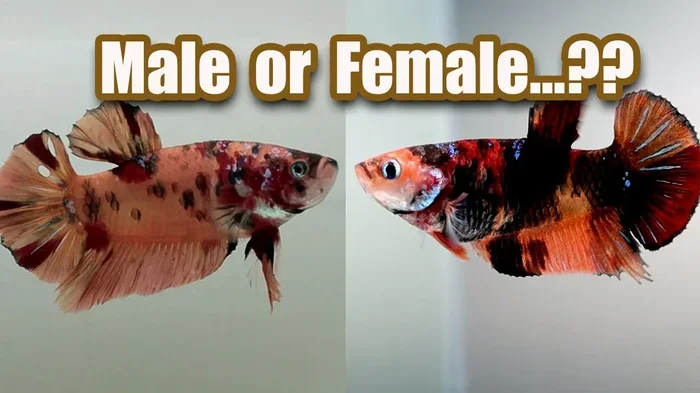
Female bettas are usually a bit smaller than males. They tend to stay around 2 to 2.5 inches. However, some females can grow just as large, especially when they are well cared for. The difference between male and female betta fish length is not huge, but it is noticeable.
Male vs. Female Betta Size
Male bettas are the showstoppers. They have long, flowing fins and vibrant colors. Their bodies are slightly longer too. On average, a male betta fish reaches about 3 inches. Some especially well-bred males push past that mark.
Female bettas have shorter fins and a more compact body. They are often about 2 to 2.5 inches long. Females also tend to have a small white spot on their underside called an ovipositor. This is a sign of a healthy, mature female.
| Category | Average Length | Max Length |
|---|---|---|
| Male Betta | 2.5 to 3 inches | Up to 3.5 inches |
| Female Betta | 2 to 2.5 inches | Up to 3 inches |
| Young Betta (under 3 months) | 0.5 to 1 inch | Varies |
Betta Fish Growth Stages
Understanding betta fish growth stages helps you know what to expect at every age. Bettas do most of their growing in the first few months of life. After that, growth slows down and eventually stops.
Newborn Stage (0 to 2 Weeks)
Baby bettas, also called fry, are incredibly tiny. They are less than a quarter of an inch long. At this stage, they are almost transparent. You can barely see them in the water. Fry rely on their yolk sac for nutrition for the first few days. After that, they start eating infusoria or very fine fry food.
Juvenile Stage (2 Weeks to 3 Months)
This is when betta fish growth picks up speed. By 2 months old, your betta should be about 1 inch long. They start developing their colors and fins during this phase. Juveniles need plenty of protein-rich food to support their rapid development. Feed them small amounts 2 to 3 times a day.
Sub-Adult Stage (3 to 6 Months)
At around 3 months, your betta is entering the sub-adult stage. They should be about 1.5 to 2 inches long now. Colors become more vivid, and fins start to elongate. This is a great time to assess your betta’s health and growth progress.
Adult Stage (6 to 8 Months and Beyond)
By 7 to 8 months, most bettas reach their full adult size. They will be around 2.5 to 3 inches long. Males may continue to fill out slightly after this point, but major growth is done. At this stage, your betta is fully mature and ready for breeding if that is your goal.
What Factors Affect Betta Fish Size
Not all bettas grow to the same size. Several factors influence how big a betta fish gets. Let us look at the most important ones.
Tank Size and Living Conditions
The size of your tank matters more than you might think. A betta fish tank that is too small can stunt your fish’s growth. Bettas need room to swim and explore. A cramped space causes stress, which slows down development.
Many experts recommend at least a 5-gallon tank for a single betta. Some sources suggest even larger tanks for optimal health. If you want to learn more about the ideal setup, check out our guide on how many gallons for a betta fish. A properly sized tank gives your betta the space it needs to thrive.
Diet and Nutrition
What you feed your betta directly impacts its size and overall health. A diet rich in protein supports steady growth. High-quality betta pellets are a great staple food. You can also offer frozen or live foods like brine shrimp and bloodworms as treats.
Overfeeding is a common mistake. It can lead to bloating, constipation, and obesity. These issues do not just affect your betta’s size. They can shorten its life. Feed your betta 2 to 3 pellets twice a day. Adjust the amount based on how quickly your fish eats.
Water Quality and Temperature
Clean water is essential for healthy growth. Poor water quality stresses your betta and can lead to illness. Ammonia and nitrite levels should always be zero. Nitrate levels should stay below 20 ppm.
Temperature also plays a big role. Bettas are tropical fish and need warm water. The ideal range is between 76 and 82 degrees Fahrenheit. Cold water slows down their metabolism and can stunt growth. To learn more about keeping your betta’s water in top condition, visit our article on how to take care of a betta fish water.
Genetics
Just like people, bettas inherit traits from their parents. Some bloodlines naturally produce larger fish. If you buy from a reputable breeder, you are more likely to get a betta that reaches its full genetic potential. Pet store bettas can still grow well, but their size may vary more.
Stress and Health
A stressed betta will not grow properly. Common stressors include aggressive tank mates, bright lights, and loud noises. Bettas need a calm environment to thrive. If your fish shows signs of stress, address the issue quickly. A healthy, stress-free betta will grow to its full size without problems.
How to Measure Your Betta Fish Accurately
Measuring your betta correctly gives you a true picture of its size. Many people measure fin-to-fin, but that is not the standard way. Here is how to do it right.
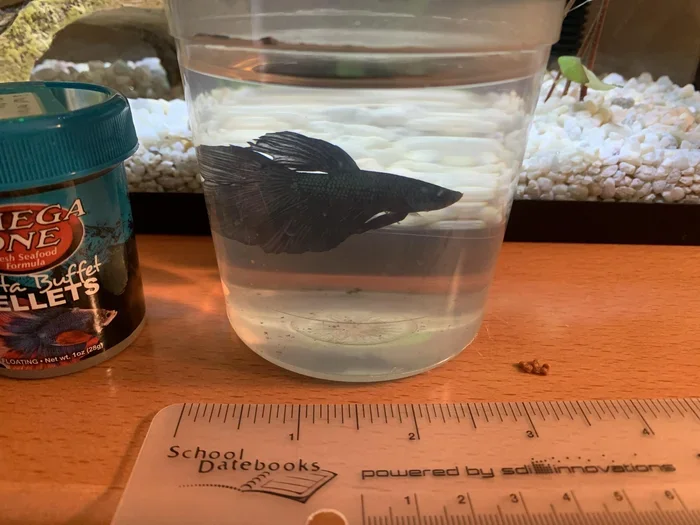
Use a soft ruler or a piece of tape. Gently place your betta in a clear container or hold it carefully in your hand. Measure from the tip of the mouth to the end of the tail. This is the standard length. Do not press down on your fish. Be gentle and quick to minimize stress.
If your betta has very long fins, the fin length can add another inch or more to its appearance. Keep this in mind when comparing sizes. The body length is what matters most for health and growth tracking.
Quick Tips for Accurate Measurement
- Always measure from mouth to tail.
- Do not include fin length in the measurement.
- Measure in a well-lit area for better accuracy.
- Use a ruler with millimeter markings for precision.
- Measure your betta regularly to track growth over time.
Common Myths About Betta Fish Size
There are many myths floating around about how big bettas can get. Let us clear up some of the most common ones.
Myth 1: Bettas Only Grow to 1 Inch
This is not true. While some poorly kept bettas may stay small, a healthy betta in proper conditions will reach 2.5 to 3 inches. A tiny betta is often a sign of poor care, not a natural size.
Myth 2: Bigger Tanks Make Bettas Grow Faster
A bigger tank does not speed up growth. It supports overall health, which allows your betta to reach its natural size. Growth rate is more influenced by diet, temperature, and genetics than tank size alone.
Myth 3: All Betta Fish Are the Same Size
As we discussed, males and females differ in size. Different breeds and bloodlines also vary. Plakat bettas, for example, tend to be more compact than the long-finned crowntail varieties.
How to Help Your Betta Reach Its Full Size
You cannot change your betta’s genetics, but you can control its environment and diet. Here is how to give your betta the best chance of reaching its full size.
Provide a Proper Tank Setup
A tank of at least 5 gallons is ideal. Add a gentle filter and a heater to maintain stable temperatures. Include some plants and hiding spots to make your betta feel safe. A well-set-up tank reduces stress and promotes healthy growth. For more ideas on creating the perfect home, see our article on what is the best tank size for a betta fish.
Feed a Balanced Diet
Offer high-quality pellets as the main food. Supplement with frozen or live foods 2 to 3 times a week. Avoid overfeeding. A varied diet ensures your betta gets all the nutrients it needs for steady growth.
Maintain Clean Water
Perform regular water changes. A 25% water change every week works well for most setups. Test your water parameters regularly. Clean water keeps your betta healthy and supports proper growth.
Keep the Environment Calm
Place the tank in a quiet area away from loud noises and direct sunlight. Avoid housing your betta with aggressive fish. A peaceful environment helps your betta stay relaxed and grow at a healthy pace.
How Long Do Betta Fish Live
Size and lifespan are connected in bettas. A well-cared-for betta that reaches its full size is more likely to live a long, healthy life. On average, bettas live for 3 to 5 years. Some can even reach 5 to 7 years with excellent care.
If you want to learn more about extending your betta’s life, our article on how long is a betta fish life span covers this topic in detail. A healthy, well-fed betta in a clean tank has the best chance of living a long life.
Remember, a betta that is growing well at every stage is a betta that is thriving. Regular monitoring of size, appetite, and behavior helps you catch problems early. Early intervention leads to better outcomes and a happier fish.
Final Thoughts on Betta Fish Size
So, how many inches is a betta fish. The answer is typically 2.5 to 3 inches for males and 2 to 2.5 inches for females. But that number only tells part of the story. Your betta’s size reflects the care you provide. A good tank, proper diet, clean water, and a stress-free environment all contribute to healthy growth.
Keep tracking your betta’s size as it grows. Use the growth stages we covered to know what to expect at each age. And remember, every betta is unique. Some will grow a bit faster or slower than others. That is perfectly normal.
If you ever notice your betta is not growing or seems smaller than expected, check your water parameters and diet first. Small changes can make a big difference. Your betta fish depends on you for its well-being, and a little effort goes a long way.
Enjoy watching your betta grow. There is something truly special about seeing a tiny fry transform into a vibrant, healthy adult. With the right care, your betta will thrive and bring you joy for years to come.
Frequently Asked Questions
How many inches is a full-grown betta fish?
A full-grown betta fish is typically 2.5 to 3 inches long. Males can reach up to 3.5 inches, while females usually stay around 2 to 2.5 inches. This is the standard body length, not including fin length.
At what age is a betta fish fully grown?
Most bettas reach their full size by 7 to 8 months of age. Growth is fastest in the first 3 to 4 months. After that, growth slows down and eventually stops completely.
Can a betta fish grow larger than 3 inches?
It is rare but possible. Some well-bred males in optimal conditions can reach 3.5 inches. However, anything over 3.5 inches would be unusual and may indicate other factors at play.
Does tank size affect how big a betta fish gets?
Tank size does not directly control growth rate, but it affects overall health. A tank that is too small causes stress, which can stunt growth. A properly sized tank of at least 5 gallons supports healthy development.
How can I make my betta fish grow faster?
You cannot speed up growth artificially, but you can support healthy development. Feed a high-protein diet, maintain clean water, keep temperatures between 76 and 82 degrees Fahrenheit, and provide a stress-free environment.
Are male betta fish bigger than female betta fish?
Yes, male bettas are generally slightly larger than females. Males average 2.5 to 3 inches, while females average 2 to 2.5 inches. Males also have longer fins, which can make them appear even bigger.