How Many Times Can You Breed a Betta Fish
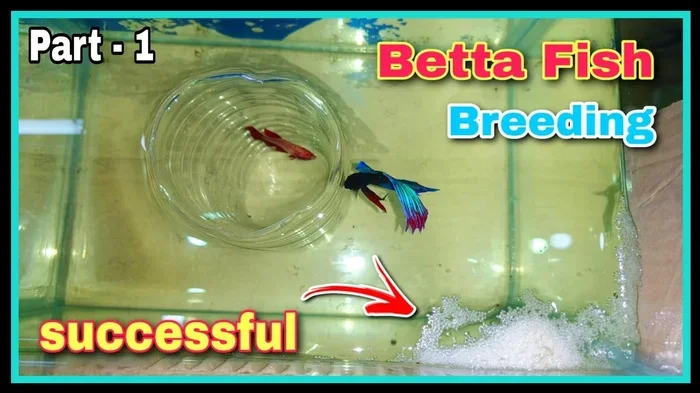
You can breed a betta fish multiple times a year, but responsible breeders limit it to 3–4 times to protect the fish’s health. Betta fish can spawn every few weeks once they reach breeding age, but overbreeding causes serious stress and shortens their lifespan. This guide covers everything you need to know about breeding frequency, signs your betta is ready, and how to keep your fish happy and healthy through each cycle.
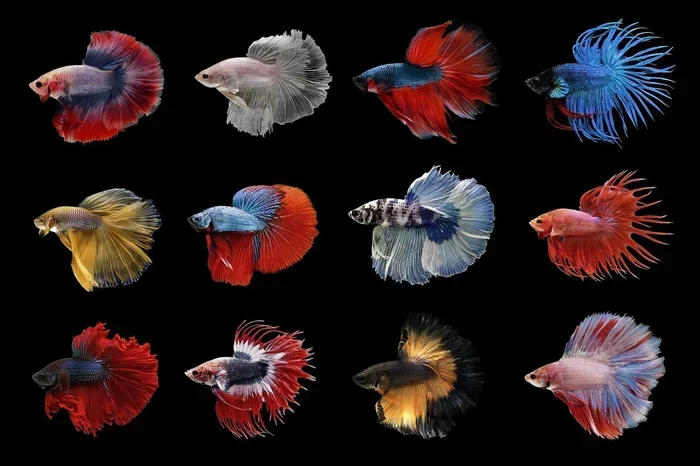
Betta fish are some of the most beautiful and fascinating freshwater fish you can keep at home. Their vibrant colors and flowing fins make them a favorite among hobbyists. But if you have ever wondered how many times can you breed a betta fish, the answer is not as simple as you might think.
Breeding betta fish is a rewarding experience, but it comes with real responsibilities. You cannot just put a male and female together whenever you feel like it and expect healthy results. The frequency of breeding matters a lot. It affects the health of the parent fish, the quality of the fry, and even the survival rate of the babies.
In this guide, we will walk you through everything you need to know about betta fish breeding frequency. We will cover how often bettas can safely breed, what signs to look for, and how to set up a proper breeding environment. Whether you are a beginner or a seasoned fish keeper, this article will give you practical advice you can use right away.
If you are new to betta breeding, start by understanding the basics. Check out our guide on how to breed a betta fish for a complete overview of the process.
Key Takeaways
- Betta fish can breed 3–4 times per year: Responsible breeders space out breeding sessions to protect the fish’s health and energy.
- Breeding too often causes serious health problems: Stress, weakened immunity, and reduced lifespan are real risks of overbreeding.
- Male and female bettas have different breeding cycles: Females produce eggs more frequently, but males need recovery time between spawnings.
- A proper breeding tank setup is essential: Tank size, water conditions, and hiding spots all affect breeding success and fish well-being.
- Fry care requires extra attention: Raising betta fry is a commitment that goes beyond just the breeding process itself.
- Age matters for breeding: Bettas should be at least 4–6 months old before their first spawn, and older fish should breed less frequently.
📑 Table of Contents
Understanding Betta Fish Breeding Frequency
The short answer to how many times can you breed a betta fish is three to four times per year under ideal conditions. But this number depends on several factors, including the age and health of the fish, the tank setup, and how well you care for them between breeding sessions.
In the wild, bettas breed during the rainy season when conditions are favorable. They do not breed year-round like some other fish species. In captivity, we can control the environment, which means bettas can breed more often than they naturally would. But just because you can breed them more often does not mean you should.
How Often Do Betta Fish Breed in Captivity?
In a home aquarium, a healthy pair of bettas can spawn every 2 to 4 weeks. However, breeding this frequently is not recommended. Most experienced breeders wait at least 4 to 6 weeks between breeding sessions. This gives both the male and female time to recover physically and emotionally.
Here is a general timeline for safe breeding frequency:
- First spawn: Wait until the female is at least 4 to 6 months old and the male is 5 to 6 months old.
- Second spawn: Wait 4 to 6 weeks after the first batch of fry is independent.
- Third spawn: Wait another 4 to 6 weeks, but monitor the female closely for signs of stress.
- Fourth spawn: This should be the maximum for the same pair in a single year.
Some breeders push this limit, but doing so regularly can lead to serious health issues. The female betta carries eggs internally, and producing too many clutches in a short time drains her body. She may stop eating, become lethargic, or develop infections.
Why Breeding Frequency Matters
You might think breeding your betta more often means more fish, which sounds great. But overbreeding has real consequences. Let us look at why frequency matters so much.
Physical Stress on the Female: A female betta produces eggs every time she spawns, whether or not the eggs are fertilized. Each spawning session takes a toll on her body. She needs time to rebuild her nutrient stores and recover her energy levels.
Male Exhaustion: The male betta builds a bubble nest, courts the female, and guards the eggs and fry. This is hard work. If you breed the male too often, he becomes weakened and may stop building proper nests or caring for the fry.
Genetic Quality: Frequent breeding can lead to weaker fry. The genetic diversity decreases with each consecutive spawn from the same pair. This can result in fry with deformities, poor coloration, or weak immune systems.
If you want to learn more about keeping your betta healthy in general, check out how often you should be feeding your betta fish to ensure proper nutrition between breeding cycles.
Signs Your Betta Fish Is Ready to Breed
Knowing when your betta is ready to breed is just as important as knowing how often to breed. If you attempt to breed a fish that is not ready, you will waste your time and stress both fish out.
Signs the Female Is Ready
Female bettas show clear physical and behavioral signs when they are ready to spawn. Look for these indicators:
- Vertical Stripes: The female develops faint horizontal stripes on her body, which turn vertical when she is ready to breed. These are called “breeding bars.”
- White Spot (Ovipositor): A small white tube appears near the back of her belly. This is where the eggs will exit.
- Rounder Belly: Her abdomen becomes slightly swollen as eggs develop inside.
- Breeding Behavior: She will flare at the male and show interest in his bubble nest.
Signs the Male Is Ready
The male betta also gives off clear signals when he is ready to breed:
- Bubble Nest: He builds a cluster of bubbles at the surface of the water. A healthy, well-built nest is a strong sign of readiness.
- Intense Coloration: Males become more vibrant when they are in breeding condition.
- Flaring and Displaying: The male will flare his fins and perform courtship dances to attract the female.
- Active Nest Maintenance: He continuously adds to and repairs the bubble nest.
If both fish show these signs, you are in a good position to attempt breeding. But remember, just because they are ready does not mean you should breed them immediately. Always wait the proper recovery period from the last spawn.
Setting Up the Right Breeding Tank
A proper breeding setup makes a huge difference in how successful your breeding attempts are. It also affects how often you can safely breed your bettas. A stressed fish in a poor environment will not breed well, and repeated failed attempts can weaken the fish.
Tank Size for Breeding
Many beginners ask whether they can breed bettas in small containers. While bettas can technically spawn in a 1-gallon tank, it is not ideal. A dedicated breeding tank of at least 5 to 10 gallons gives you more control over water parameters and provides space for both fish to move comfortably.
Some people try to breed bettas in a 1-gallon tank, but this approach comes with significant risks. The water quality drops fast, and the stress can harm both the parents and the fry. If you want to learn more about breeding in small spaces, check out breeding betta fish in a 1-gallon tank for detailed guidance.
Water Conditions for Breeding
Betta fish are sensitive to water quality, and this is especially true during breeding. Here are the ideal conditions:
- Temperature: Keep the water between 78°F and 82°F (25°C to 28°C). Warmer water encourages breeding behavior.
- pH Level: Aim for a pH between 6.5 and 7.0. Slightly acidic to neutral water works best.
- Water Hardness: Soft to moderately hard water is ideal. Too hard and it can affect egg development.
- Water Changes: Do regular small water changes (20% every few days) to keep the water clean without shocking the fish.
Essential Equipment
You do not need a lot of equipment for a breeding tank, but a few key items make a big difference:
- sponge filter: A gentle filter that won’t suck up tiny fry. Strong filters can harm baby bettas.
- Heater: A reliable heater to maintain stable temperature.
- Floating plants or breeding mop: These give the male a place to build his bubble nest and the female a place to hide.
- Separation container: You need a way to separate the female from the male after spawning, or the male may harm her.
The Breeding Process Step by Step
Understanding the actual breeding process helps you plan the right frequency. Each session takes a toll, so knowing what to expect helps you decide when to breed again.
Step 1: Conditioning the Pair
Before you introduce the male and female, you need to condition them with high-quality food. Feed both fish live or frozen foods like brine shrimp and bloodworms for 1 to 2 weeks. This prepares their bodies for the physical demands of breeding.
Step 2: Introducing the Fish
Place the female in a separate container within the breeding tank so she can see the male but not be attacked. After a day or two, if both fish show interest, you can remove the divider. Watch them closely. The male will wrap around the female to release and fertilize the eggs.
Step 3: After Spawning
Once the eggs are released and fertilized, the male collects them in his mouth and places them in the bubble nest. Remove the female immediately. The male will guard the eggs and fry alone for the next 24 to 48 hours until they hatch.
After the fry are free-swimming, remove the male as well. He may eat the fry if left too long. At this point, the breeding cycle for this pair is complete, and you should focus on fry care and recovery for both parents.
Common Mistakes That Reduce Breeding Success
Even experienced fish keepers make mistakes when breeding bettas. Here are some common errors that can affect both breeding frequency and fish health.
Breeding Too Soon After a Previous Spawn
This is the number one mistake. Some breeders put a pair back together just two weeks after the last spawn because they want more fry. This is too soon. Both fish need at least 4 weeks of rest. The female especially needs time to replenish her egg supply and recover her strength.
Skipping Conditioning
Feeding poor-quality food or skipping the conditioning phase altogether leads to weak clutches and unhealthy fry. Good nutrition before breeding directly impacts the quality and number of eggs the female produces.
Ignoring Water Quality
Dirty water is the enemy of healthy breeding. Ammonia and nitrite spikes can kill eggs, harm the parents, and make fish too stressed to breed. Always test your water before and after each breeding session.
Not Separating the Female After Spawning
Leaving the female in the tank with the male after spawning can result in her being attacked. The male becomes very protective of the nest and may see the female as a threat. Always remove her promptly.
One thing many people overlook is the importance of proper tank maintenance. You might wonder whether you can use certain cleaning products or water types. For example, check out whether well water is safe for betta fish before filling your breeding tank.
How to Maximize Healthy Breeding Cycles
If you want to breed bettas responsibly and keep doing it over the long term, you need a solid plan. Here are some practical tips to help you get the most out of each breeding cycle without harming your fish.
Keep a Breeding Log
Write down the date of each spawn, the number of eggs, the number of fry that survived, and how the parents behaved. Over time, this log helps you identify patterns and know when each fish is at its peak breeding condition.
Rotate Pairs
If you have multiple bettas, consider rotating breeding pairs. This gives each pair time to rest while you still maintain a breeding program. It also helps maintain genetic diversity in your fry, which leads to healthier fish overall.
Focus on Fry Survival
Breeding is only half the equation. Raising healthy fry is equally important. Feed the fry infusoria or liquid fry food for the first week, then gradually introduce baby brine shrimp. Good fry care means your breeding efforts are not wasted.
Know When to Stop
As your bettas age, their breeding frequency should decrease. A betta over 2 years old should not be bred as often. Older fish may only breed once or twice a year, and that is perfectly fine. Pushing an older fish to breed too frequently can cause lasting health damage.
If you are interested in the broader topic of betta fish health and longevity, you may want to learn how to tell if a betta fish is dying so you can recognize warning signs early.
Key Takeaways
- Betta fish can breed 3–4 times per year: Responsible breeders space out breeding sessions to protect the fish’s health and energy.
- Breeding too often causes serious health problems: Stress, weakened immunity, and reduced lifespan are real risks of overbreeding.
- Male and female bettas have different breeding cycles: Females produce eggs more frequently, but males need recovery time between spawnings.
- A proper breeding tank setup is essential: Tank size, water conditions, and hiding spots all affect breeding success and fish well-being.
- Fry care requires extra attention: Raising betta fry is a commitment that goes beyond just the breeding process itself.
- Age matters for breeding: Bettas should be at least 4–6 months old before their first spawn, and older fish should breed less frequently.
Frequently Asked Questions
Can you breed a betta fish more than 4 times a year?
Technically yes, but it is not recommended. Breeding more than 4 times a year puts extreme stress on both the male and female. It can lead to health decline, poor egg quality, and a shorter lifespan for your fish. Stick to 3–4 times per year for the best results.
How long should you wait between breeding sessions?
Wait at least 4 to 6 weeks between each breeding session. This gives the female time to recover and produce a healthy new clutch of eggs. The male also needs time to rebuild his energy and build a strong bubble nest for the next spawn.
Can you breed the same pair of bettas repeatedly?
Yes, you can breed the same pair multiple times, but monitor both fish closely for signs of stress or declining health. Over time, the quality of the fry may decrease. Many breeders rotate pairs to maintain genetic diversity and keep their fish healthy.
What happens if you breed a betta too often?
Overbreeding leads to physical exhaustion, weakened immune systems, and increased susceptibility to diseases. The female may stop eating, become bloated, or develop egg-binding issues. The male may stop caring for his nest or become aggressive. Both fish can die prematurely from the stress.
At what age can betta fish start breeding?
Betta fish can start breeding at around 4 to 6 months of age. However, it is best to wait until they are fully mature, which is around 6 months. Breeding too young can stunt their growth and cause health problems that affect their ability to breed successfully in the future.
Do betta fish breed better in certain seasons?
In the wild, bettas breed during the warm, rainy season when water conditions are ideal. In captivity, you can breed them year-round by maintaining stable temperature and water quality. However, breeding success rates tend to be higher when conditions closely mimic their natural environment.
Conclusion
The answer to how many times can you breed a betta fish comes down to responsible care and patience. A healthy pair of bettas can safely breed 3 to 4 times per year when given proper rest, nutrition, and tank conditions. Pushing beyond this limit may give you more fry in the short term, but it will cost you the long-term health of your fish.
Breeding bettas is a journey that requires knowledge, preparation, and genuine care for the animals. Focus on quality over quantity every single time. Watch for the signs your fish give you, respect their recovery periods, and always prioritize their well-being above getting more fry.
Whether you are breeding for fun or as part of a serious hobby, the rewards come from doing it the right way. Your bettas will live longer, stay healthier, and produce stronger, more vibrant offspring when you treat breeding frequency with the respect it deserves. Start slow, learn from each experience, and enjoy the incredible process of bringing new betta life into your home.