How to Take Care of a New Betta Fish
Taking care of a new betta fish starts with the right tank setup, clean water, and a proper feeding routine. This guide walks you through every step you need to keep your betta healthy and thriving. You will learn how to choose the best tank size, cycle the water, pick the right food, and spot early signs of stress or illness. By the end, you will feel confident and ready to give your new betta the best life possible.
Bringing home a new betta fish is exciting. These little creatures are full of personality and color. But they also need proper care to live a long and happy life. Many new fish owners make mistakes that shorten their betta’s lifespan. The good news is that how to take care of a new betta fish is simpler than you think. With the right setup and a little knowledge, you can give your betta everything it needs.
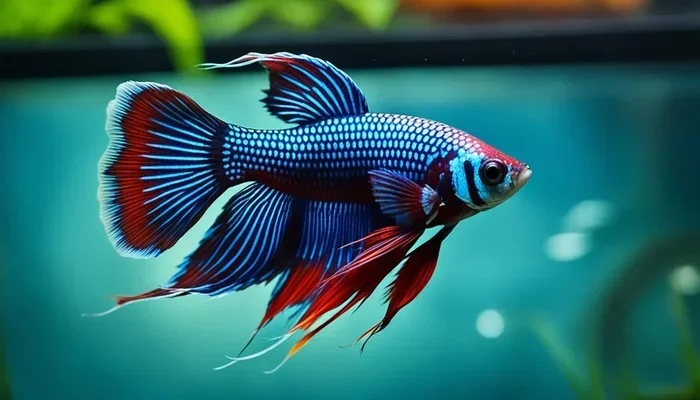
Betta fish are often called Siamese fighting fish. They are known for their flowing fins and bright colors. In the wild, they live in warm, slow-moving waters in Southeast Asia. Your job is to recreate that environment in your home. This guide covers everything from tank setup to feeding to health tips. By the time you finish reading, you will have a clear plan to keep your betta thriving.
Key Takeaways
- Choose the Right Tank Size: A minimum of 5 gallons gives your betta room to swim and stay healthy.
- Cycle the Water First: Always cycle your tank before adding your betta to remove harmful toxins like ammonia.
- Keep the Temperature Stable: Bettas thrive in warm water between 76 and 82 degrees Fahrenheit.
- Feed a Balanced Diet: Use high-quality pellets and occasional treats like bloodworms for variety.
- Watch for Stress Signs: Clamped fins, loss of color, and hiding are signs your betta needs help.
- Do Regular Water Changes: Weekly partial water changes keep the environment clean and safe.
- Be Patient During Acclimation: Gradually introduce your betta to the new tank to reduce shock.
📑 Table of Contents
- Setting Up the Perfect Tank for Your New Betta
- Water Quality and Temperature for New Bettas
- Feeding Your New Betta Fish Properly
- Acclimating Your New Betta Fish to Its Tank
- Common Health Issues and How to Prevent Them
- Creating a Happy and Enriching Environment
- Final Thoughts on Caring for Your New Betta Fish
Setting Up the Perfect Tank for Your New Betta
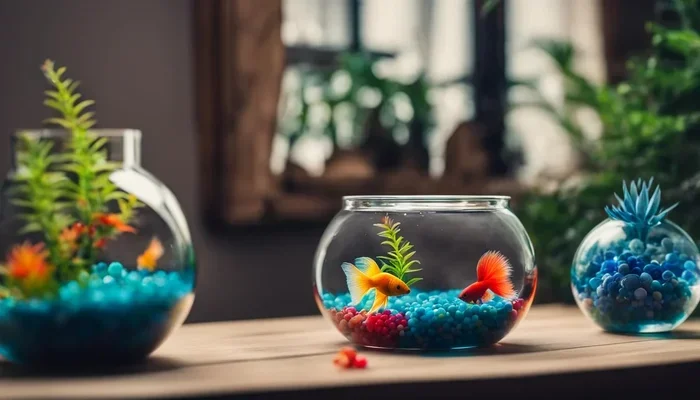
The first step in how to take care of a new betta fish is getting the right tank. Many people think bettas can live in tiny bowls. That is a common myth. Bettas need space to swim and explore. A small tank leads to stress, which leads to illness. Here is what you need to know about setting up the perfect home.
Choose the Right Tank Size
A 5-gallon tank is the minimum for a single betta. Some experts even recommend 10 gallons for the best results. A larger tank gives you more room for error with water parameters. It also gives your betta space to move around. Avoid tanks smaller than 3 gallons. Anything too small is hard to maintain and bad for your fish.
When picking a tank, look for one with a lid. Bettas are jumpers. They can leap out of open tanks and injure themselves. A tight-fitting lid or mesh cover keeps your betta safe. Also, choose a tank with a flat or gently sloped bottom. This gives your betta easy access to the surface for breathing.
Essential Equipment You Will Need
You need a few key pieces of equipment before bringing your betta home. Here is a simple checklist:
- Filter: A gentle sponge filter works best. Strong filters create too much current for bettas.
- Heater: A submersible heater keeps the water between 76 and 82 degrees Fahrenheit.
- Thermometer: A small adhesive thermometer lets you monitor the temperature easily.
- Lighting: Standard LED aquarium lights work fine. Avoid bright lights that stress your betta.
- Substrate: Use fine gravel or sand. Avoid rough substrates that can damage fins.
- Decorations: Add silk plants and hiding spots. Avoid sharp plastic decorations.
Setting up how to set up a fish tank for betta fish properly makes a huge difference. Your betta will be more active, eat better, and show off its colors more brightly.
Cycle the Tank Before Adding Your Betta
This is one of the most important steps. Cycling your tank means building up beneficial bacteria that break down harmful waste. Ammonia and nitrite are toxic to bettas. A cycled tank converts these into less harmful nitrate. The cycling process takes about 4 to 6 weeks.
You can speed up cycling with bottled bacteria starters. Test the water regularly with a liquid test kit. Once ammonia and nitrite read zero and nitrate is below 20 ppm, your tank is ready. Never add your betta to an uncycled tank. It can cause serious health problems or even death.
Water Quality and Temperature for New Bettas
Water quality is the foundation of how to take care of a new betta fish. Bettas are sensitive to changes in water parameters. Clean, stable water keeps them healthy and stress-free. Let us break down what you need to know.
Ideal Water Parameters
Bettas prefer specific water conditions. Here are the target numbers to aim for:
- Temperature: 76 to 82 degrees Fahrenheit
- pH Level: 6.5 to 7.5
- Ammonia: 0 ppm
- Nitrite: 0 ppm
- Nitrate: Below 20 ppm
- Water Hardness: 3 to 4 dGH
Invest in a good liquid test kit. Test strips are less accurate but still useful for quick checks. Test your water at least once a week. This helps you catch problems before they affect your betta.
How to Prepare Water for Your Betta
Tap water contains chlorine and chloramine. These chemicals are harmful to fish. Always use a water conditioner before adding water to your tank. A quality conditioner neutralizes these toxins instantly. Let me share a simple process for how to prepare water for a betta fish:
- Fill a bucket with tap water.
- Add the recommended dose of water conditioner.
- Let the water sit for 15 minutes to reach room temperature.
- Test the pH and temperature.
- Add the treated water to your tank.
Never use distilled water. It lacks essential minerals your betta needs. Also, avoid using water straight from the tap without conditioning. These simple steps protect your betta from unnecessary harm.
Performing Regular Water Changes
Even with a filter, waste builds up over time. Weekly water changes keep the tank clean and safe. Here is the routine to follow:
- Remove 25 to 30 percent of the tank water.
- Replace it with treated water at the same temperature.
- Vacuum the substrate to remove debris.
- Rinse the filter media in old tank water (never tap water).
Consistent water changes are one of the best things you can do for your betta. They prevent disease and keep your fish looking vibrant.
Feeding Your New Betta Fish Properly
Feeding is a big part of how to care for a betta fish. Bettas are carnivores. They need a protein-rich diet to stay healthy. Many people overfeed their bettas, which causes more problems than underfeeding. Let me walk you through the basics.
Best Foods for Bettas
A quality betta pellet should be the staple of your fish’s diet. Look for pellets with high protein content and minimal fillers. Here are some good food options:
- Betta Pellets: The foundation of a healthy diet. Feed 2 to 4 pellets twice a day.
- Frozen Bloodworms: A great treat once or twice a week.
- Brine Shrimp: Another excellent treat for variety.
- Daphnia: Helps with digestion and makes a good occasional meal.
Avoid feeding your betta flake food designed for tropical community fish. It lacks the protein bettas need and can cause digestive issues. Also, never feed your betta only freeze-dried foods. They expand in the stomach and can cause bloating.
Feeding Schedule and Portions
Feed your betta twice a day. Morning and evening works best. Here is a simple feeding routine:
- Feed a small amount of pellets in the morning.
- Wait 2 minutes. If your betta eats everything, add one more pellet.
- Feed the same amount in the evening.
- Skip one feeding day per week to aid digestion.
Watch your betta’s belly. It should be slightly rounded but not bloated. Overfeeding leads to constipation and swim bladder problems. If you notice your betta not eating, check the water temperature first. Cold water reduces appetite.
Acclimating Your New Betta Fish to Its Tank
Getting your betta used to its new home is critical. The transition from the pet store bag to your tank can be stressful. Proper acclimation reduces shock and helps your betta adjust faster. Here is how to do it the right way.
The Drip Acclimation Method
The drip method is the safest way to acclimate a new betta. Here is how it works:
- Float the sealed bag in your tank for 15 minutes. This equalizes the temperature.
- Open the bag and add a small cup of tank water to it.
- Repeat every 10 minutes for about an hour.
- Use a net to gently transfer the betta into the tank.
- Discard the bag water. Never pour it into your tank.
This gradual process helps your betta adjust to the new water chemistry. It prevents temperature shock and pH swings. Patience during this step pays off in a healthier, happier fish.
What to Expect in the First Few Days
Your betta may hide or not eat right away. This is completely normal. Give it 24 to 48 hours to explore the tank. Keep the lights dim during the first day. Bettas need time to feel safe in a new environment. If your betta is still not eating after two days, check the water parameters and temperature.
Common Health Issues and How to Prevent Them
Even with the best care, bettas can get sick. Knowing the signs early makes a huge difference. Prevention is always better than treatment. Let me share the most common health problems and how to avoid them.
Signs of a Stressed or Sick Betta
Watch for these warning signs that something is wrong:
- Clamped fins: Fins held close to the body signal stress or illness.
- Loss of color: A vibrant betta fading in color is a red flag.
- Not eating: Skipping more than one feeding is a concern.
- Hiding constantly: Bettas are curious fish. Hiding too much means something is wrong.
- Rapid breathing: Gasping at the surface can mean low oxygen or poor water quality.
- White spots: These are signs of ich, a common parasitic infection.
How to Keep Your Betta Healthy
Prevention starts with a clean tank and stable water. Here are the best practices for keeping your betta healthy:
- Perform weekly water changes without fail.
- Test water parameters regularly.
- Do not overfeed your betta.
- Avoid sudden temperature changes.
- Quarantine new fish before adding them to the main tank.
- Keep the tank in a quiet location away from drafts and direct sunlight.
If you notice any health issues, act quickly. Research the specific problem and adjust water conditions. Many common betta illnesses respond well to early treatment. For more detailed guidance, check out our complete guide on how to take care of a betta fish for additional tips.
Creating a Happy and Enriching Environment
A healthy betta is a happy betta. Beyond basic care, you can enrich your betta’s environment to improve its quality of life. Bettas are curious and intelligent creatures. They enjoy exploring and interacting with their surroundings.
Tank Mates and Social Needs
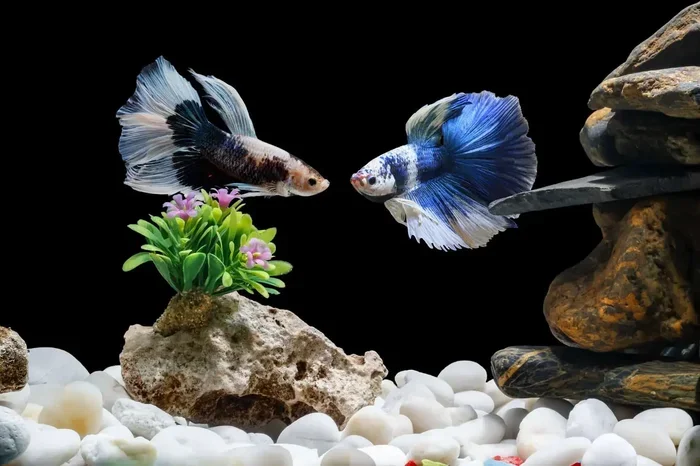
Male bettas should live alone. They are territorial and will fight with other bettas. However, you can keep some peaceful community fish with a female betta. Good tank mates include:
- Neon tetras
- Corydoras catfish
- Ghost shrimp
- Snails (like mystery snails)
Always monitor new tank mates closely. If you notice aggression, separate the fish immediately. For more information on this topic, read our guide on how to introduce betta to new fish.
Enrichment Ideas for Your Betta
Small additions to the tank can make a big difference. Here are some enrichment ideas:
- Live plants like java fern or anubias
- A betta hammock or leaf resting spot
- Gentle water flow from a sponge filter
- Occasional mirror exposure for short periods (5 minutes max)
These additions stimulate your betta mentally and physically. A happy betta will display more vibrant colors and natural behaviors. It is a joy to watch a healthy, thriving betta explore its home.
Final Thoughts on Caring for Your New Betta Fish
How to take care of a new betta fish comes down to a few key principles. Provide a spacious, cycled tank. Maintain clean, warm water. Feed a balanced diet. And watch for signs of stress or illness. These steps are not complicated, but they are essential. Consistency is the secret to a long and healthy betta life.
Your new betta fish can live 3 to 5 years with proper care. Some bettas even reach 7 years in excellent conditions. That is a long commitment, but it is a rewarding one. Every day you will get to enjoy the beauty and personality of your fish. Start with the basics, stay consistent, and you will have a happy betta for years to come.
Remember that every betta is an individual. Some are bold and active. Others are shy and quiet. Learn your fish’s personality and adjust your care accordingly. The effort you put in will be repaid with a vibrant, colorful companion that brings joy to your home every single day.
Frequently Asked Questions
How long do betta fish live with proper care?
With proper care, betta fish typically live between 3 and 5 years. Some bettas can reach 7 years when kept in optimal conditions with a clean tank, balanced diet, and stable water parameters. The key is consistency in your care routine.
Can I keep my betta fish in a bowl without a filter?
While bettas can survive in small bowls, it is not ideal. A bowl without a filter requires frequent water changes and is harder to maintain stable water quality. A 5-gallon tank with a gentle filter is much better for your betta’s long-term health and happiness.
How often should I feed my new betta fish?
Feed your betta twice a day with a small amount of high-quality pellets. Morning and evening feedings work best. Skip one feeding day per week to help with digestion and prevent overfeeding issues like bloating and constipation.
What temperature should a betta fish tank be?
Keep your betta tank between 76 and 82 degrees Fahrenheit. Use a submersible heater and a thermometer to maintain a stable temperature. Sudden temperature drops or spikes can stress your betta and weaken its immune system.
How do I know if my betta fish is stressed?
Signs of a stressed betta include clamped fins, loss of color, hiding constantly, not eating, and rapid breathing at the surface. Check your water parameters and temperature first when you notice these signs, as poor water quality is the most common cause of betta stress.
Do betta fish need a heater in their tank?
Yes, betta fish need a heater. They are tropical fish that require warm water to stay healthy. A submersible aquarium heater set between 76 and 82 degrees Fahrenheit is essential. Without a heater, cold water can make your betta sluggish and more susceptible to illness.
=== CONCLUSION ===
How to take care of a new betta fish is a journey that starts with the right setup and continues with daily attention. You have learned about tank size, water quality, feeding, acclimation, and health prevention. These are the building blocks of great betta care. Keep your water clean, your temperatures stable, and your betta well-fed. Watch your fish closely and enjoy the process. A well-cared-for betta is a beautiful, active, and rewarding companion. Start applying these tips today, and you will see the difference in your betta’s health and happiness.